Wiper Arm
The metal or plastic arm that moves the blade across the windshield.
Your wiper blades help keep your windshield clear so you can drive safely in changing weather. If your wipers are streaking, skipping, squeaking, smearing, or leaving areas of the windshield uncleared, it may be time for replacement. At Valvoline Express Care Scarborough, we inspect and replace worn wiper blades to help improve visibility, comfort, and confidence on the road.
Wiper blade replacement is the process of removing old, worn, damaged, or ineffective windshield wiper blades and installing new blades that properly clear rain, snow, slush, salt spray, dirt, and road debris from your windshield.
Wiper blades are made with rubber or silicone wiping edges that contact the windshield. Over time, the wiping edge can dry out, crack, harden, split, or lose proper contact with the glass. When this happens, the blades may leave streaks, skip across the windshield, squeak loudly, or fail to clear water properly.
At Valvoline Express Care Scarborough, wiper blade replacement is a simple but important visibility service that helps prepare your vehicle for rain, snow, fog, highway spray, and everyday driving conditions.


Wiper blades are one of the most important safety items on your vehicle because they help you maintain a clear view of the road. When visibility is poor, your reaction time is reduced. Good wiper blades help you see lane markings, traffic lights, pedestrians, cyclists, road signs, and vehicles ahead of you more clearly.
Worn wiper blades may seem like a small issue, but they can quickly become a major safety concern during heavy rain, snow, or dirty road conditions.
Wiper blades are attached to wiper arms that move across the windshield. The blade’s wiping edge contacts the glass and removes water, snow, dirt, washer fluid, and road film. The system usually includes:
The metal or plastic arm that moves the blade across the windshield.
The replaceable blade assembly that holds the wiping edge.
The rubber or silicone edge that directly contacts the windshield.
The motor that powers the wiper movement.
The mechanism that transfers motion from the motor to the wiper arms.
The system that sprays fluid onto the windshield to help remove dirt, salt, bugs, and grime.
Even if the wiper motor and arms are working properly, old blades can still perform poorly if the rubber edge is worn.
You should consider replacing your wiper blades if you notice:
If your windshield does not clear quickly and evenly, your wiper blades should be inspected.
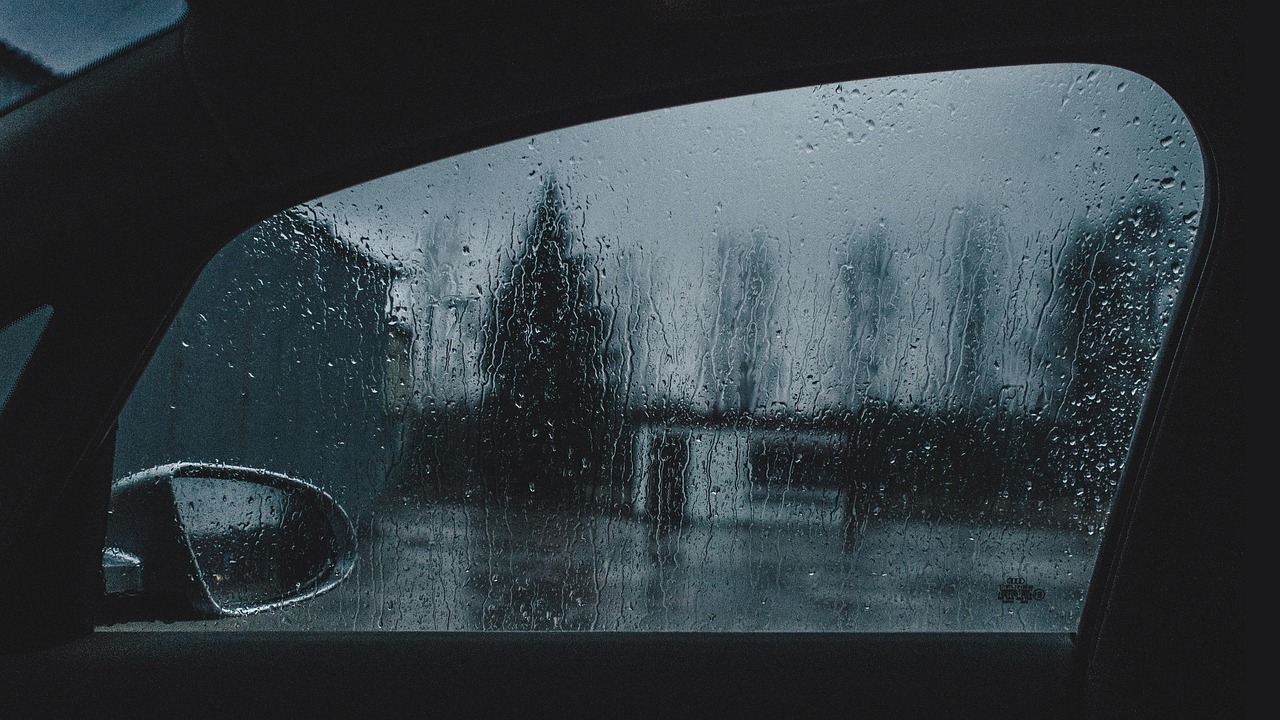
Streaking happens when the blade does not wipe the windshield evenly. This may be caused by worn rubber, dirt buildup, hardened blade material, or poor contact with the glass.
Why It Matters: Streaking can reduce visibility, especially at night when oncoming headlights reflect through the streaks.
Smearing happens when the blade spreads water, washer fluid, dirt, or road film across the windshield instead of clearing it.
Why It Matters: Smearing can make the windshield cloudy and difficult to see through, especially in rain or winter road spray.
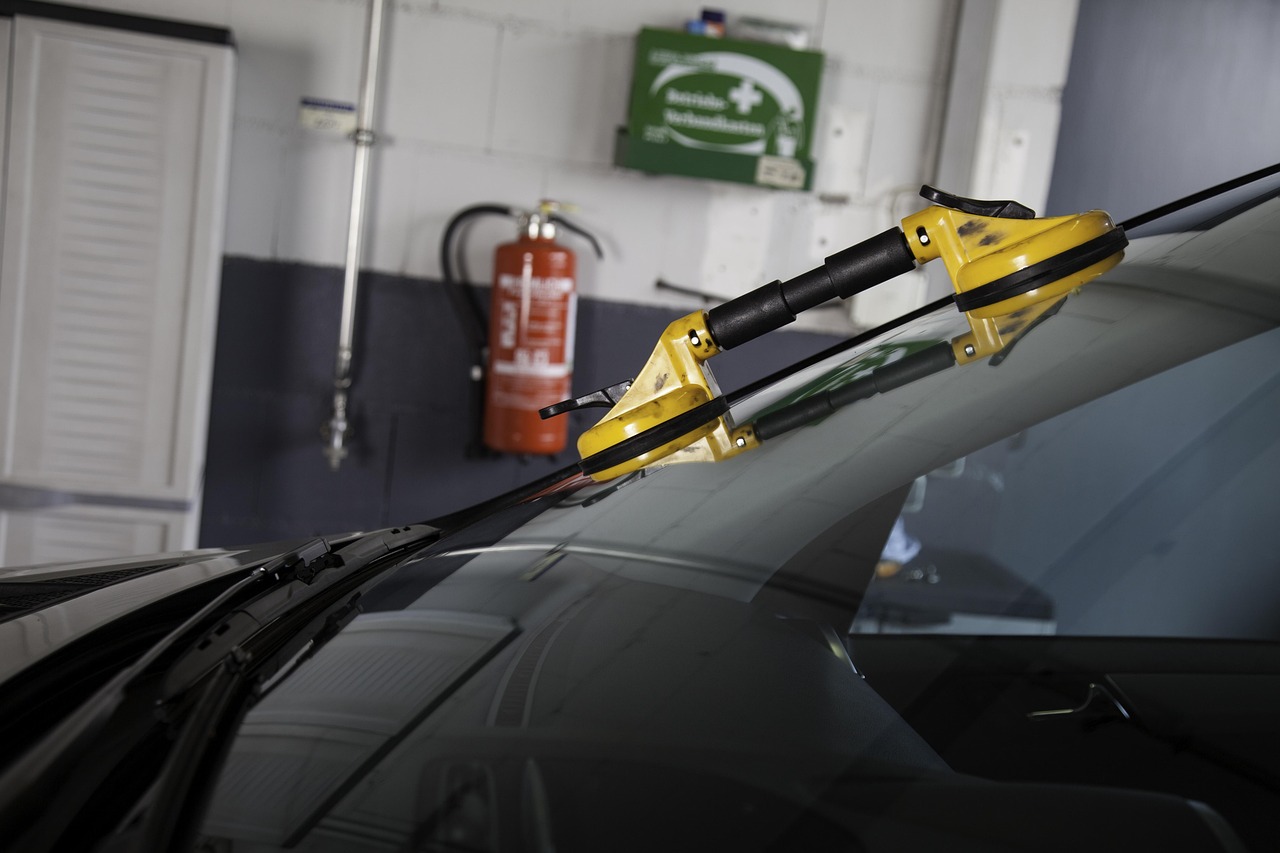
Skipping happens when the blade jumps across the windshield instead of moving smoothly.
Why It Matters: Skipping can leave large areas of the windshield uncleared.

Chattering is a rapid vibration or tapping sound as the blade moves across the windshield.
Why It Matters: Chattering can be distracting and may reduce wiping performance.

Squeaking may happen when the blade rubber is dry, old, dirty, or not moving smoothly across the glass.
Why It Matters: A squeaking blade may still wipe, but it often means the blade is no longer making proper contact with the windshield.

If the rubber edge is split, torn, or hanging, the blade cannot clear the windshield properly.
Why It Matters: Torn blades should be replaced promptly because they may scratch, streak, or leave large areas uncleared.
Uneven wiping means part of the windshield clears well while another part remains wet or dirty.
Why It Matters: Uneven wiping can block your view in critical areas of the windshield.
Wiper blades are exposed to harsh conditions every day. Even when they are not being used, sunlight, heat, cold, moisture, salt, and dirt can wear them down. Common causes of wiper blade wear include:
Heat and UV exposure can dry out the rubber and cause cracking.
Freezing temperatures can make rubber stiff and less flexible.
Ice buildup can tear the blade edge or damage the frame.
Winter salt can dry and degrade the rubber while leaving film on the windshield.
Dust, sand, and road debris can wear the wiping edge.
Running wipers on a dry windshield can damage the rubber.
Sticky residue can cause smearing and reduce blade performance.
Even if the vehicle is not driven often, wiper blades can age and lose flexibility.
Weak or incorrect washer fluid may not clean the windshield properly, forcing blades to work harder.
Different vehicles may use different styles of wiper blades. The correct blade depends on the vehicle’s design and windshield shape.

Conventional blades use a metal frame with several pressure points to hold the rubber against the windshield.
Benefits: They are common, affordable, and suitable for many vehicles.
Common Concerns: The frame can collect snow and ice, and pressure may become uneven as the blade ages.
Beam blades have a smooth, frameless design that helps apply more even pressure across the windshield.
Benefits: They usually perform well in rain, snow, and winter conditions because they are less likely to collect ice in a metal frame.
Common Concerns: They may cost more than conventional blades, depending on the vehicle and blade type.

Hybrid blades combine features of conventional and beam blades. They often have a protective cover and improved wiping pressure.
Benefits: They can offer good all-season performance and a more finished appearance.

Winter blades are designed to handle snow, ice, slush, and freezing temperatures.
Benefits: They help reduce ice buildup and may perform better in harsh winter conditions.
Best For: Drivers who regularly deal with snow, freezing rain, and heavy road salt.

Many SUVs, hatchbacks, vans, and crossovers have a rear wiper blade.
Why It Matters: The rear wiper helps keep the back window clear, especially in rain, snow, slush, and road spray. Rear wipers are often forgotten, but they should be inspected and replaced when worn.
A wiper inspection checks the condition of the blades and how well they clear the windshield. A wiper blade replacement is performed when the blades are worn, damaged, or no longer clearing properly.
Wiper blades and washer fluid work together, but they solve different problems.
This improves the physical clearing of the windshield.
This confirms that the washer reservoir has enough fluid and that the fluid is suitable for the season.
If the blades are worn and the washer fluid is low, both should be addressed for best visibility.
If your windshield is not clearing properly, the issue may not always be the blade. The washer spray system may also need review.
If washer fluid does not reach the windshield, new blades alone may not solve the visibility problem.
If the wiper blades move normally but do not clear well, blade replacement may be needed. If the wipers do not move properly, stop mid-windshield, move slowly, or do not turn on, the issue may involve the wiper motor, linkage, fuse, relay, switch, or electrical system.
A proper check helps identify whether the issue is the blade or the wiper system.
Sometimes wiper blades are not the only cause of poor visibility. The windshield itself may be dirty, damaged, or contaminated. Windshield issues that affect wiping include:
If new wiper blades still smear, the windshield may need proper cleaning or further review.
Wiper blades are especially important during Ontario winters. Snow, slush, road salt, freezing rain, and highway spray can block your view quickly. Winter driving challenges include:
Before winter, wiper blade replacement is one of the simplest and most important visibility upgrades.
Worn wiper blades can make night driving more difficult. Streaks and smears can spread glare from headlights, streetlights, and traffic signals. Poor wipers at night can cause:
If your windshield looks blurry or streaked at night, your wiper blades should be inspected.
Highway driving requires clear visibility because speeds are higher and reaction time matters. Rain, salt spray, and road grime can cover the windshield quickly. Good wiper blades help:
If your wipers struggle on the highway, replacement is recommended.
Scarborough and GTA drivers experience weather and road conditions that can wear wiper blades quickly. Local conditions include:
Because the weather changes often, wiper blades should be checked regularly and replaced before they fail.
Before winter, your wiper blades should be ready to handle snow, slush, salt spray, and freezing temperatures. A pre-winter wiper replacement can help:
Winter wiper blades may be recommended depending on your driving needs.
Summer also creates wiper blade wear. Heat, sun exposure, dust, pollen, bugs, and heavy rain can reduce blade performance. A pre-summer wiper replacement can help:
Good wipers are useful year-round, not only in winter.
Before a road trip, cottage drive, family visit, or long commute, wiper blades should be checked and replaced if needed. A pre-trip wiper check can help prevent:
Wiper blades are a small item that can make a major difference during travel.
Older vehicles may have worn wiper arms, weak blade pressure, older windshield glass, and aged washer components. Replacing the blades can improve visibility, but additional review may be needed if wiping remains poor. A wiper blade replacement is especially helpful if:
Regular wiper maintenance helps keep older vehicles safer and easier to drive.
Wiper blade life depends on weather, driving habits, storage, blade quality, and how often they are used. Instead of waiting for a fixed timeline, it is best to replace them when performance declines. Replace wiper blades when you notice:
For many drivers, checking wipers at the start of each major season is a smart habit.
You may be able to drive with worn wiper blades in clear weather, but it becomes risky when rain, snow, fog, or road spray appears.
Bad wipers can quickly become a safety problem when weather changes.
Ignoring worn wiper blades can lead to:
Replacing wipers early is simple and can prevent major visibility issues.
At Valvoline Express Care Scarborough, wiper blade replacement may include:
We ask whether you have noticed streaking, skipping, squeaking, smearing, poor clearing, or winter visibility concerns.
We inspect the blade rubber, frame, contact area, and overall condition.
We select the proper blade size and attachment type for your vehicle.
The old blades are removed carefully to avoid damage to the windshield or wiper arm.
New blades are installed securely.
We test the wipers to confirm smooth movement and proper contact.
We explain the condition of the old blades and recommend any additional visibility-related service if needed.
Before your appointment, it helps to notice:
You do not need to diagnose the issue yourself. These details help us recommend the right solution.
To help your wiper blades last longer and perform better:
Good wiper care helps protect visibility and windshield condition.
New wiper blades help remove rain, snow, slush, and washer fluid more effectively.
Fresh blades reduce streaks and glare during night driving.
Good blades help clear salt spray, slush, and snow from the windshield.
New blades improve visibility during heavy rain and storms.
A clearer windshield makes driving less stressful in poor weather.
Professional replacement helps ensure the correct blade size and attachment are used.
You know your vehicle is better prepared for changing weather.
We understand that clear visibility is essential for safe driving.
We help install the correct wiper blades for your vehicle.
We explain blade condition and replacement needs in simple language.
If your blades are still working well, we tell you. If they are worn, we recommend replacement.
We can also help with headlights, brake lights, signal lights, washer fluid, washer spray, and visibility-related maintenance.
We understand how Ontario rain, snow, slush, salt, heat, and seasonal weather affect wiper performance.
We inspect and replace worn wiper blades to help improve visibility, comfort, and confidence on the road.