Noise Reduction
It lowers the loud sound created by exhaust gases leaving the engine.
Your muffler helps reduce engine noise, control exhaust sound, and direct exhaust gases safely away from your vehicle. If your car sounds louder than usual, you hear rattling underneath, notice rust, smell exhaust fumes, or see the muffler hanging low, Valvoline Express Care Scarborough can inspect the concern and provide clear, honest recommendations.
Muffler concerns refer to any problem involving the muffler or the surrounding exhaust components. The muffler is part of your vehicle’s exhaust system. Its main job is to reduce engine noise before exhaust gases exit through the tailpipe.
Because the muffler sits underneath the vehicle, it is constantly exposed to heat, moisture, road salt, snow, slush, potholes, debris, and vibration. Over time, the muffler can rust, crack, loosen, leak, rattle, or become damaged. When this happens, your vehicle may become louder, vibrate more, smell like exhaust, or develop underbody noises.
At Valvoline Express Care Scarborough, we help inspect muffler-related concerns and explain whether the issue appears to be the muffler itself, a pipe, clamp, hanger, heat shield, gasket, tailpipe, or another exhaust component.

The muffler may seem like a simple part, but it plays an important role in comfort, safety, exhaust performance, and vehicle condition.
If your vehicle suddenly sounds louder or different, the muffler should be inspected before the issue becomes worse.
The muffler is designed to reduce the sound produced by the engine’s exhaust gases. As exhaust gases travel from the engine through the exhaust system, they pass through the muffler before exiting through the tailpipe. Inside the muffler are chambers, tubes, baffles, or sound-control materials that help reduce noise and smooth the exhaust sound.
It lowers the loud sound created by exhaust gases leaving the engine.
It allows exhaust gases to move through the system and exit from the rear of the vehicle.
It reduces harsh engine sound inside and outside the vehicle.
When properly mounted, the muffler helps keep the exhaust system stable underneath the vehicle. It also helps direct exhaust gases toward the tailpipe and away from passengers.
You should schedule a muffler concern inspection if you notice:
A muffler concern can start as a small sound and become a larger exhaust problem if ignored.
Rust is one of the most common muffler concerns, especially in Ontario. Mufflers are exposed to moisture, road salt, slush, and heat cycles. Over time, rust can weaken the metal and create holes.
Why It Matters: A rusted muffler can eventually leak, separate, or fail completely.

A muffler leak occurs when exhaust gases escape from the muffler instead of flowing through the full exhaust system.
Why It Matters: A muffler leak can increase noise and may allow exhaust gases to escape in areas where they should not.

A muffler can become loose if hangers, clamps, brackets, or mounting points fail.
Why It Matters: A loose muffler can damage nearby components, drag on the road, or eventually separate from the exhaust system.

Muffler hangers support the weight of the muffler and exhaust system.
Why It Matters: A broken hanger can place stress on pipes, clamps, and joints, leading to leaks or further damage.
Sometimes the outside of the muffler may look acceptable, but internal parts may loosen or break down.
Why It Matters: Internal muffler damage can cause noise and may reduce proper exhaust sound control.
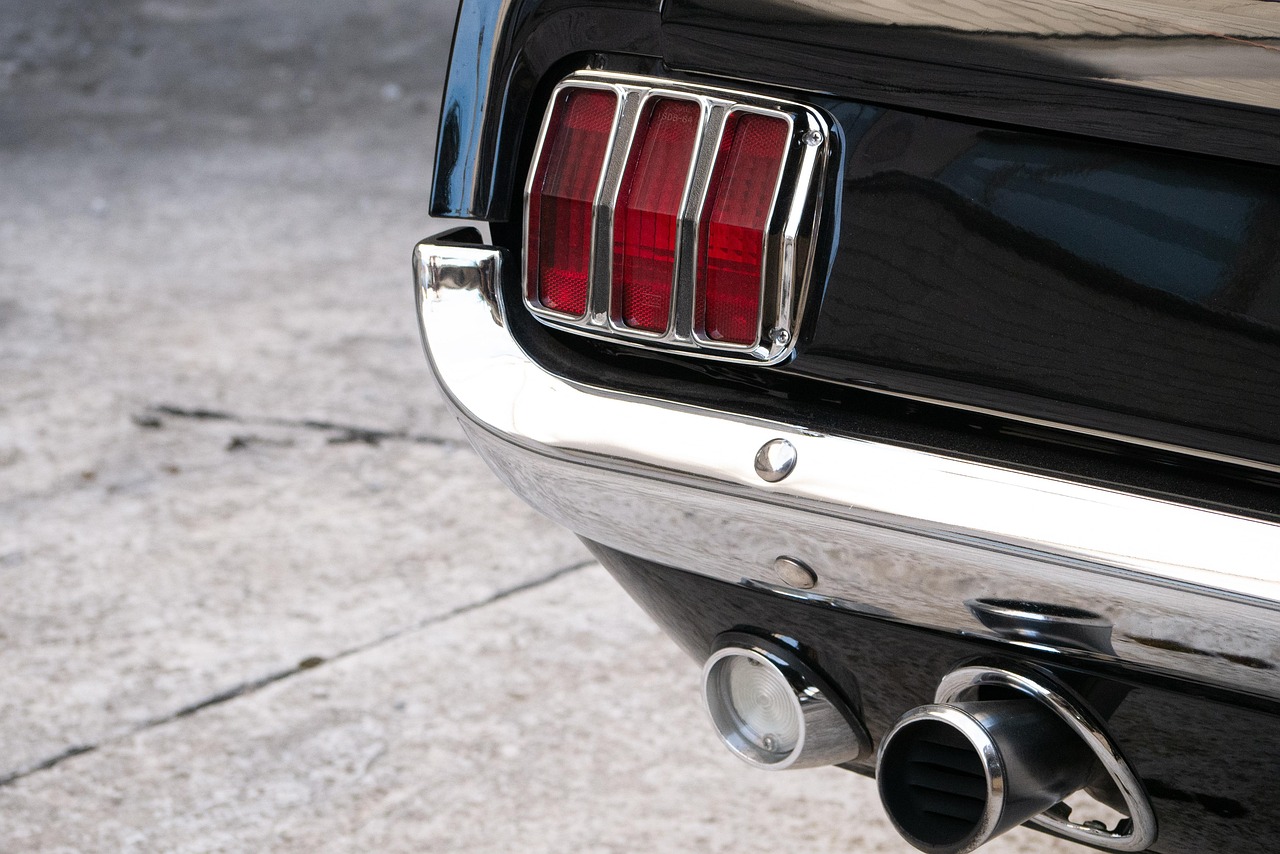
A muffler may separate from the pipe or tailpipe because of rust, broken welds, failed clamps, or impact damage.
Why It Matters: A separated muffler can become a safety concern and should be checked promptly.
Mufflers can be damaged by potholes, curbs, parking blocks, road debris, ice chunks, or snowbanks.
Why It Matters: Impact damage can weaken the muffler, loosen hangers, bend pipes, or create leaks.
A loud rumbling sound from the rear of the vehicle often points to a hole in the muffler, rusted pipe, or exhaust leak near the muffler.
A hissing sound may indicate a smaller exhaust leak, loose connection, cracked pipe, or gasket issue.
A metallic rattle may come from a loose heat shield, broken hanger, internal muffler damage, or loose exhaust component.
Banging usually means the muffler or exhaust pipe is moving and hitting the vehicle body or another underbody component.
Buzzing may be caused by a loose heat shield, cracked exhaust bracket, damaged muffler, or vibration from a loose connection.
Scraping may mean the muffler, pipe, shield, or underbody cover is hanging low and contacting the road.
Any new muffler noise should be inspected, especially if it becomes louder over time.
A muffler concern may sometimes come with exhaust smell. Exhaust gases should travel through the exhaust system and exit safely through the tailpipe.
Exhaust gases can contain carbon monoxide, which is dangerous. If you suspect fumes are entering the vehicle, stop driving safely and have the vehicle inspected promptly.
A muffler concern inspection focuses on the muffler and nearby components. An exhaust inspection is broader and may include the exhaust manifold, flex pipe, catalytic converter, oxygen sensors, resonator, exhaust pipes, muffler, tailpipe, heat shields, hangers, clamps, and gaskets.
The noise clearly comes from the rear muffler area.
The source is unclear.
Many drivers think a rattling sound means the muffler is failing, but the cause may be a loose heat shield.
A proper inspection helps determine whether the issue is the muffler or a nearby shield.
A catalytic converter and muffler are different parts of the exhaust system.
If the check engine light is on with exhaust symptoms, engine diagnostics may also be needed.
A loud vehicle may not always have a muffler problem. Some sounds come from the engine, belts, pulleys, mounts, or other systems.
A professional inspection helps identify the true source.
If the concern is clearly loud exhaust or a rear muffler sound, a muffler inspection may be enough. If the concern is more general, such as vibration, clunking, humming, or shaking, a broader noise and vibration diagnosis may be better.
Mufflers rust because they are exposed to moisture from both outside and inside.
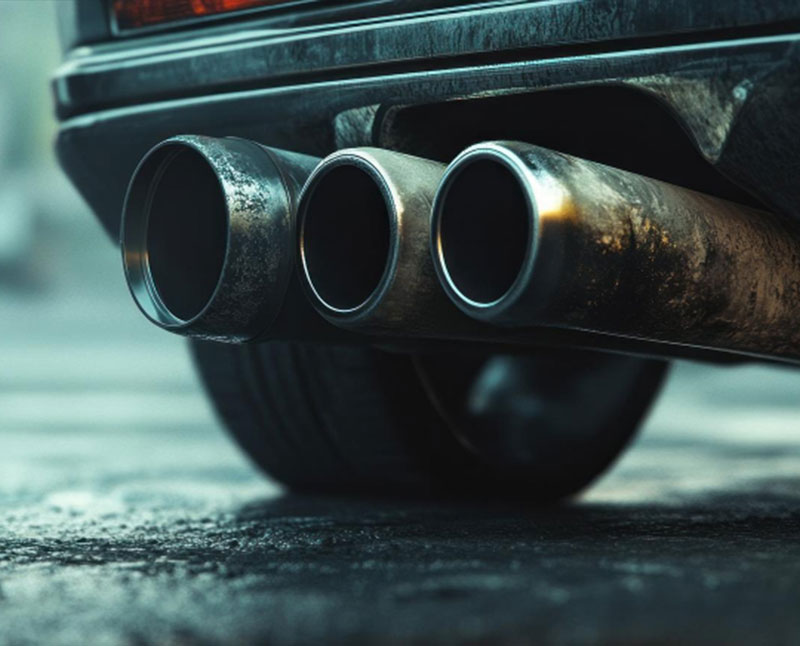
External Rust: External rust comes from road salt, water, snow, slush, dirt, and weather exposure.
Internal Rust: Internal rust can happen when moisture builds up inside the muffler, especially when the vehicle is used mostly for short trips and the exhaust does not get hot enough to dry out fully.
Rust is one of the main reasons mufflers fail over time.
Short trips can be hard on mufflers. When a vehicle is driven only for short distances, the exhaust system may not heat up enough to evaporate moisture inside the muffler. This trapped moisture can contribute to internal rust.
Drivers who mostly drive locally in Scarborough may benefit from periodic exhaust and muffler checks.

Scarborough and GTA roads can be hard on mufflers and exhaust systems. Vehicles are exposed to road salt, potholes, snowbanks, moisture, traffic, construction zones, and seasonal temperature changes. Local conditions that affect mufflers include:
Regular muffler inspection helps catch rust, loose hangers, and small leaks before they become larger problems.
Before winter, it is smart to check the muffler and exhaust system. Cold weather, snow, slush, and road salt can make existing rust and loose parts worse. A pre-winter muffler check may include:
A secure exhaust system helps reduce winter driving concerns and prevents loose parts from becoming worse in harsh conditions.
After winter, road salt and moisture may leave the muffler rusted, weakened, or noisy. A post-winter muffler inspection may help identify:
Post-winter checks are especially helpful for older vehicles or vehicles driven daily in Ontario.
Before a road trip, cottage drive, family visit, or highway commute, muffler concerns should be checked. A pre-trip muffler inspection can help identify:
A loud or loose muffler can become much worse during long highway driving.
Older and high-mileage vehicles are more likely to experience muffler problems because of rust, heat cycles, old hangers, weak welds, and long-term exposure to road conditions. A muffler inspection is especially useful if:
Regular inspection helps keep older vehicles quieter, safer, and more comfortable.
The correct service depends on the condition of the muffler and the surrounding exhaust system.
Muffler replacement may be recommended when the muffler is no longer able to safely or effectively reduce exhaust noise and direct exhaust flow.
A professional inspection helps determine whether repair or replacement is the better option.
It depends on the condition of the muffler. A small muffler leak may not stop the vehicle from driving, but it should still be inspected. A loose, dragging, or severely leaking muffler can become a safety concern.
A damaged muffler can create noise, fumes, and underbody safety concerns.
Ignoring muffler concerns can lead to:
Muffler issues often worsen over time, especially with road salt and moisture exposure.
At Valvoline Express Care Scarborough, a muffler concern inspection may include:
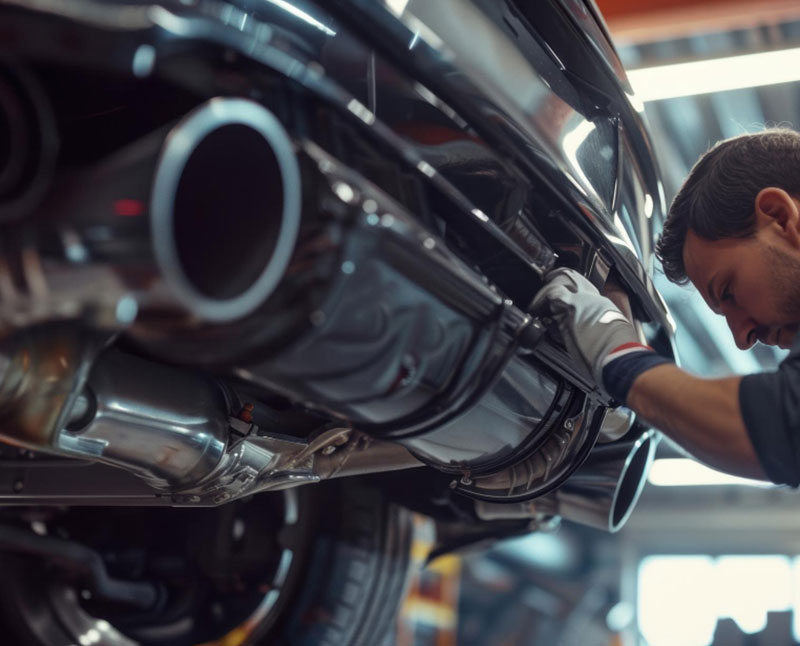
We ask what you noticed, such as loud exhaust, rattling, scraping, smell, vibration, or visible muffler damage.
We review when the issue happens: while idling, accelerating, driving over bumps, starting cold, after winter, or after hitting road debris.
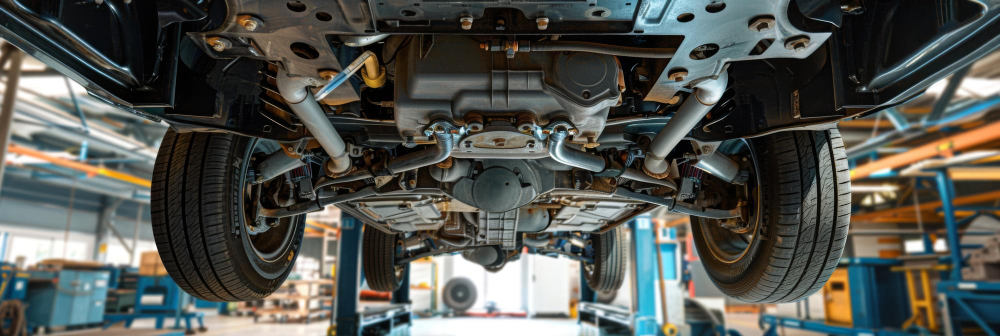
We inspect the visible muffler body, tailpipe, nearby pipes, hangers, and connection points.
We look for rust holes, cracks, seam leaks, loose joints, and visible exhaust leak signs.
If there is rattling or buzzing, we check heat shields, hangers, clamps, and muffler movement.
If exhaust smell is present, we recommend prompt attention to reduce potential safety risk.
We explain what we found in simple, practical language.
If service is needed, we recommend the next step, such as muffler repair, muffler replacement, hanger replacement, tailpipe service, heat shield repair, pipe repair, or full exhaust inspection.
Before your appointment, it helps to notice:
You do not need to diagnose the issue yourself. These details help guide the inspection.
To help protect your muffler:
Good muffler care helps protect comfort, safety, and long-term exhaust system health.
A muffler inspection can help identify why your vehicle sounds louder than normal.
Reducing exhaust noise and vibration improves the driving experience.
Exhaust smells, leaks, and hanging parts should be checked promptly.
Rust can be reviewed before it causes holes, leaks, or separation.
Loose hangers, shields, and clamps can be identified.
Catching muffler issues early can help prevent additional exhaust damage.
You understand whether the muffler is safe, worn, leaking, or due for service.
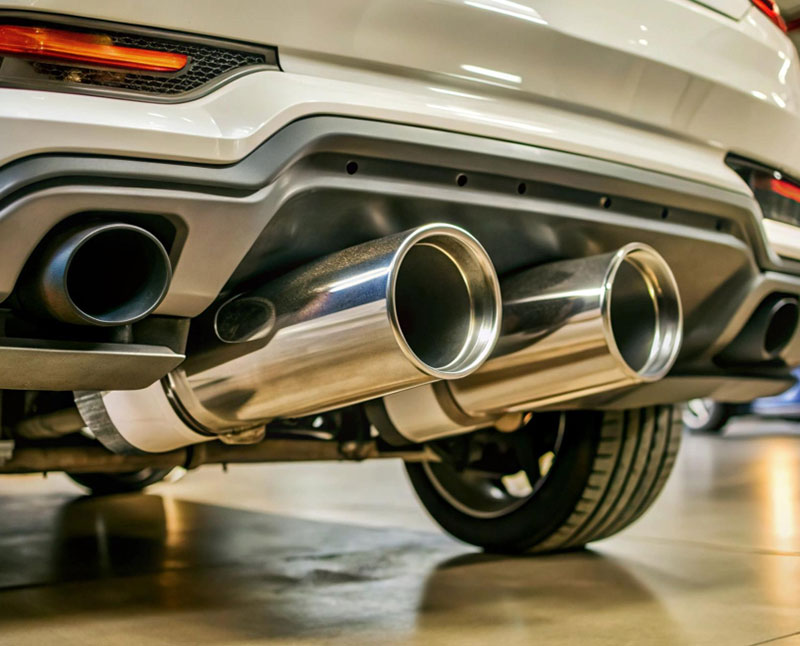
We inspect visible muffler and exhaust components to help identify common causes of noise, rust, leaks, and vibration.
We explain muffler concerns in simple, practical language.
We recommend service based on visible condition, symptoms, and safety needs.
We understand how Ontario road salt, snow, slush, potholes, short trips, and seasonal changes affect mufflers and exhaust systems.
We can also help with exhaust inspections, fluid leak checks, rust and corrosion review, splash shield concerns, underbody noise, oil changes, brakes, tires, suspension, lights, wipers, and general maintenance.
UndercarriageWe inspect the concern and provide clear, honest recommendations for a quieter, safer, more comfortable drive.