Steering Movement
They allow the front wheels to turn when you move the steering wheel.
Ball joints are critical suspension components that help your wheels move smoothly while supporting steering and vehicle stability. When ball joints become worn or loose, your vehicle may clunk, pull, vibrate, wear tires unevenly, or feel unstable on the road. At Valvoline Express Care Scarborough, we inspect visible ball joint concerns and provide clear, honest recommendations to help keep your vehicle safe and road-ready.
A ball joint inspection is a professional review of the ball joints in your vehicle’s suspension system. Ball joints act like flexible pivot points between the control arms and steering knuckles. They allow the wheels to move up and down with the suspension while also turning left and right with the steering system.
Because ball joints support both suspension movement and steering movement, they are very important for safe vehicle control. When they wear out, the wheels may not stay properly positioned. This can affect steering response, tire wear, handling, alignment, and overall safety.
At Valvoline Express Care Scarborough, a ball joint inspection helps identify visible wear, looseness, damage, noise concerns, and symptoms that may indicate ball joint problems.
Ball joints are small compared to other suspension parts, but they play a major role in keeping your vehicle stable and controlled. A worn ball joint can affect how your vehicle turns, handles bumps, stays aligned, and maintains proper tire contact with the road.
If a ball joint becomes severely worn, it can create a serious safety concern. That is why early inspection is important.
Ball joints are designed to allow controlled movement between suspension and steering components. They work like a human shoulder joint, allowing movement in multiple directions while still holding the wheel assembly securely. Ball joints help with:
They allow the front wheels to turn when you move the steering wheel.
They allow the wheels to move up and down as the vehicle drives over bumps, potholes, and uneven roads.
They help keep the wheels in the correct position relative to the suspension and steering system.
They help maintain proper contact between the tires and the road.
Healthy ball joints help the vehicle hold proper alignment and reduce uneven tire wear.
Because ball joints hold the wheel assembly securely, severe wear can become a serious safety concern. Have symptoms checked early.
Some vehicles have both upper and lower ball joints, while others may only have lower ball joints depending on the suspension design.
Upper ball joints are commonly found on vehicles with certain suspension designs, such as double wishbone suspension.
They help control wheel movement and support steering geometry.
Lower ball joints are very common and often carry significant suspension load.
Because lower ball joints may support more weight and road impact, they can wear over time and should be inspected when symptoms appear.
Ball joints may be designed differently depending on the vehicle.
These ball joints support part of the vehicle’s weight and suspension load.
They experience more stress and may become a greater safety concern when worn.
These ball joints help guide suspension movement but may not support as much vehicle weight.
Even if they are not load-carrying, they still affect steering, alignment, and suspension control.
You should schedule a ball joint inspection if you notice any of the following:
Ball joint wear can develop gradually. If your vehicle feels different than usual, it is better to have it inspected early.
A worn ball joint may create a clunking or knocking sound when driving over bumps, potholes, speed bumps, or uneven roads. The sound may come from the front suspension area.
When ball joints wear, they can create extra movement in the suspension. This may make the steering feel loose, delayed, or less responsive.
A vehicle with worn ball joints may feel like it wanders or drifts on the road, requiring frequent steering corrections.
Ball joint wear can change wheel angles and cause tires to wear unevenly, especially on the inner or outer edges.
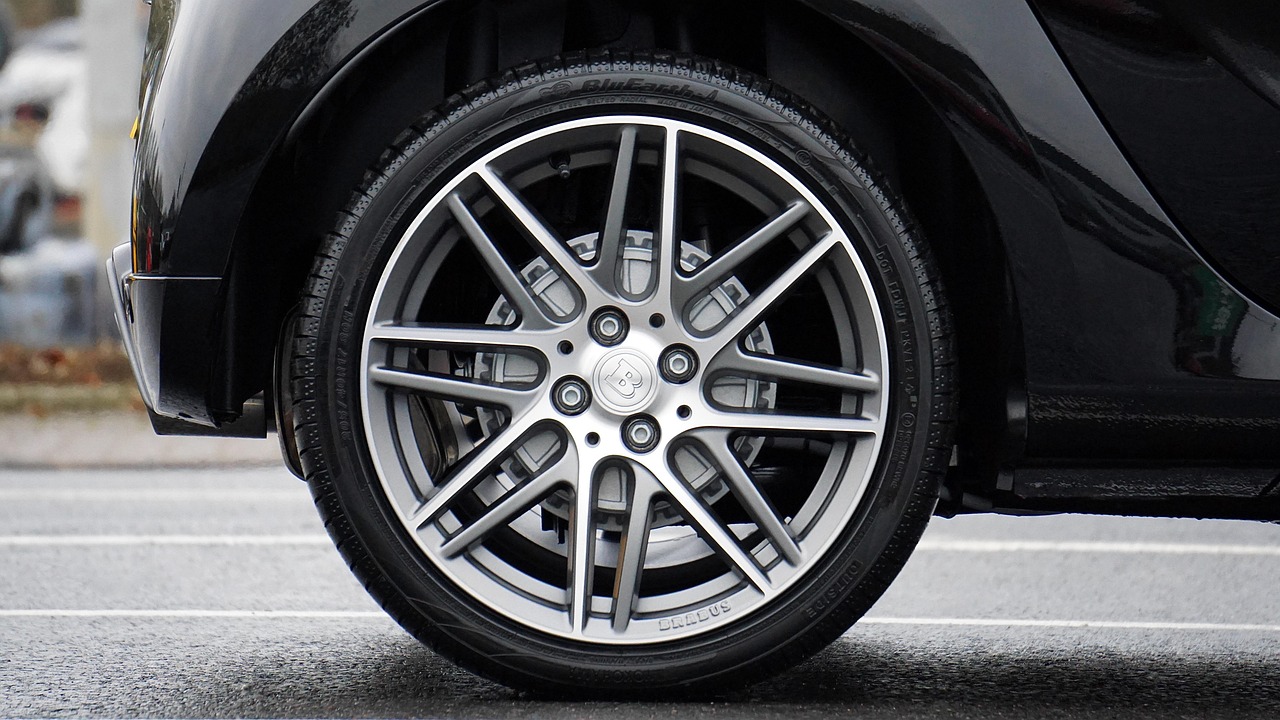
Loose ball joints can contribute to vibration through the steering wheel, floor, or front end of the vehicle.
A ball joint may squeak or creak if it is dry, worn, or no longer properly lubricated.
Some ball joint issues may create a popping sound during turning, parking, or low-speed manoeuvres.

If ball joints are worn, the vehicle may not hold alignment properly. You may notice the vehicle pulling or tires wearing quickly after alignment service.
Ball joints work constantly while you drive. They move with every bump, turn, stop, and road impact. Over time, they can wear down from normal driving and harsh road conditions. Common causes of ball joint wear include:
Ball joints naturally wear over time as the vehicle accumulates mileage.
Hard impacts can stress ball joints and related suspension components.
Ontario winter road salt can contribute to rust and wear around suspension parts.
Some ball joints are sealed, while others are serviceable. If lubrication is lost or the protective boot fails, wear can increase.
The rubber boot protects the ball joint from dirt, water, and debris. If the boot tears, contamination can enter and damage the joint.
Carrying heavy loads or frequent towing can increase suspension stress.
Construction zones, uneven pavement, gravel roads, and speed bumps can accelerate wear.
Bad shocks, struts, control arms, bushings, or tires can place extra stress on ball joints.
Alignment issues can create abnormal suspension movement and increase component wear.
During a ball joint inspection, our team checks visible and accessible suspension areas for signs of wear, looseness, and damage.
Ball joints should not have excessive looseness. Extra movement can indicate wear and may affect steering and alignment.
The protective rubber boot keeps grease inside and contamination outside. If it is torn or missing, the ball joint may wear faster.

Rust around the joint or mounting area may indicate age, exposure, or possible component weakness.
A dry ball joint may squeak, creak, or grind during movement.
We compare the customer’s reported noise with visible suspension condition and common ball joint symptoms.
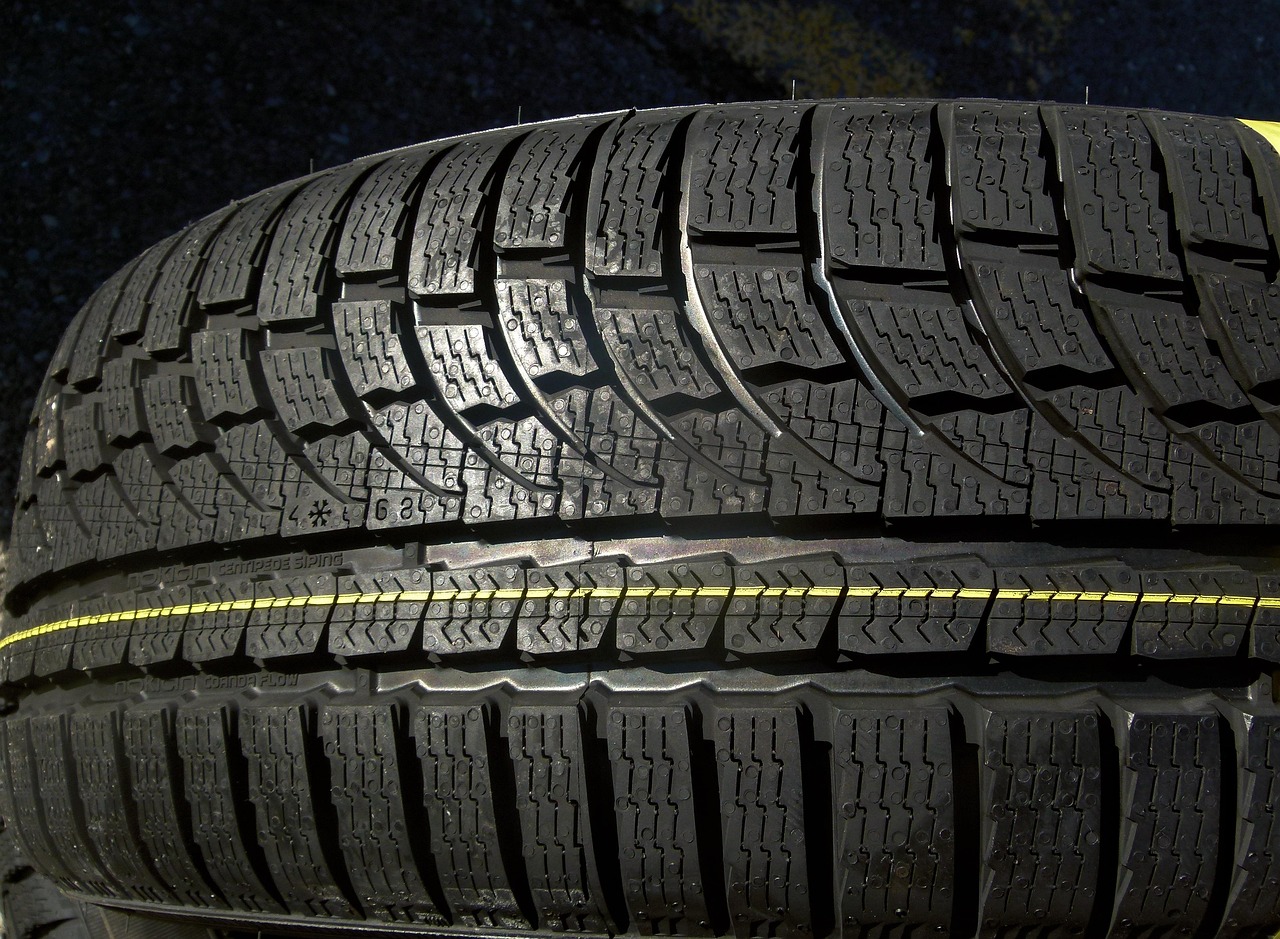
Tire wear patterns can reveal ball joint, alignment, or suspension concerns.
Ball joints are often connected to control arms, so control arm wear, bushing condition, or damage may also be reviewed.

Loose steering, wandering, pulling, or vibration may be connected to ball joint or steering component wear.
If the vehicle recently hit a pothole or curb, we inspect for visible suspension and wheel-area concerns.
A ball joint inspection focuses specifically on the condition of the ball joints and the symptoms connected to ball joint wear.
A suspension inspection is broader and may include:
If your vehicle has clunking, uneven tire wear, loose steering, or instability, a ball joint inspection may be part of a larger suspension and steering review.
Suspension InspectionBall joints and control arms are closely connected.
This checks the pivot joint that allows movement between the suspension and wheel assembly.
This checks the arm that connects the wheel assembly to the vehicle frame, including its bushings and mounting points.
On some vehicles, the ball joint may be built into the control arm. In those cases, a worn ball joint may require control arm replacement rather than only ball joint replacement.
Control Arm InspectionBall joints and steering components work together, but they are not the same.
Because symptoms overlap, a full suspension and steering review may be recommended when the exact cause is unclear.
Steering System CheckA ball joint inspection checks whether the joint is worn or loose. Wheel alignment adjusts the angles of the wheels.
If a ball joint is worn, an alignment may not hold properly. The wheels may shift because the joint has too much movement.
If ball joints are worn, they should usually be repaired before alignment service. Otherwise, the vehicle may continue to pull or wear tires unevenly.
Worn ball joints can allow the wheel to move slightly out of position. This can create uneven tire wear. Tire wear signs may include:
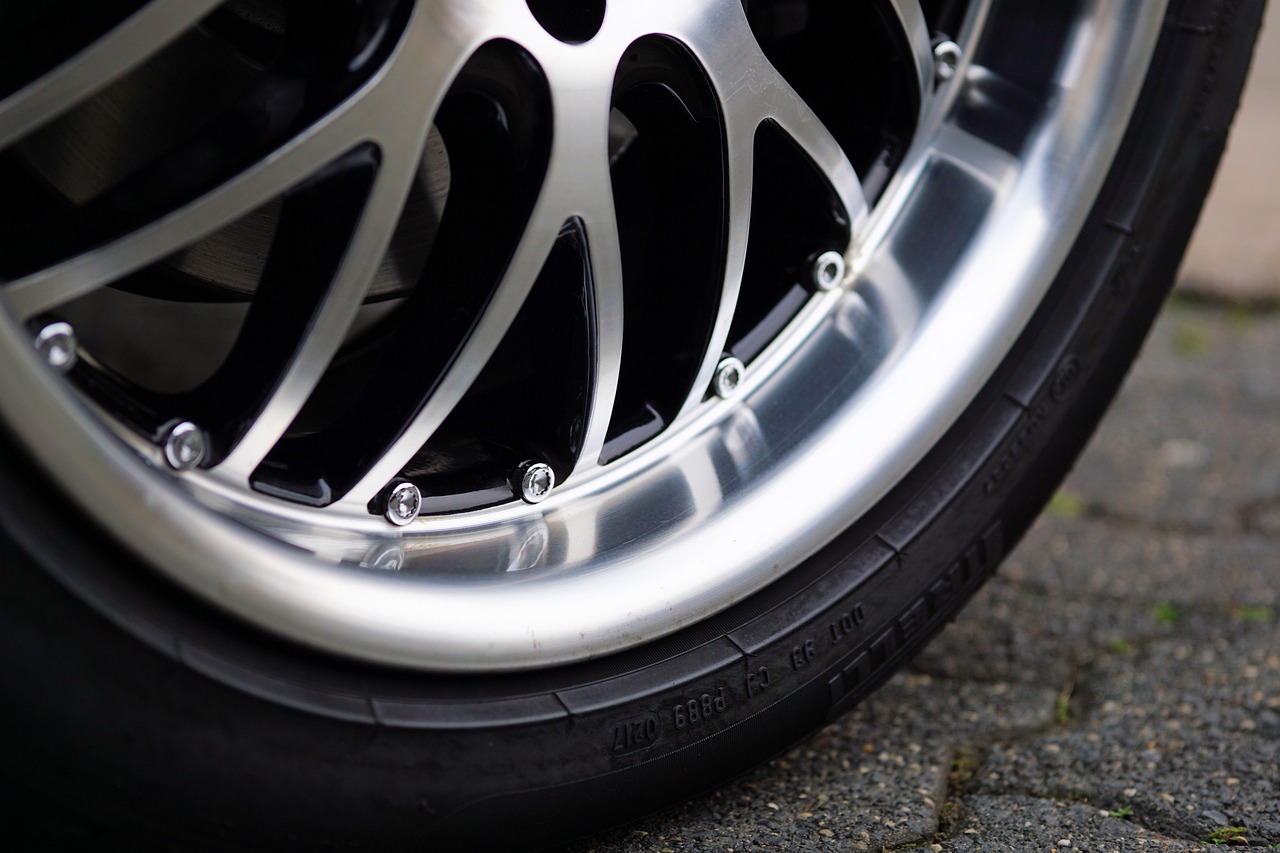
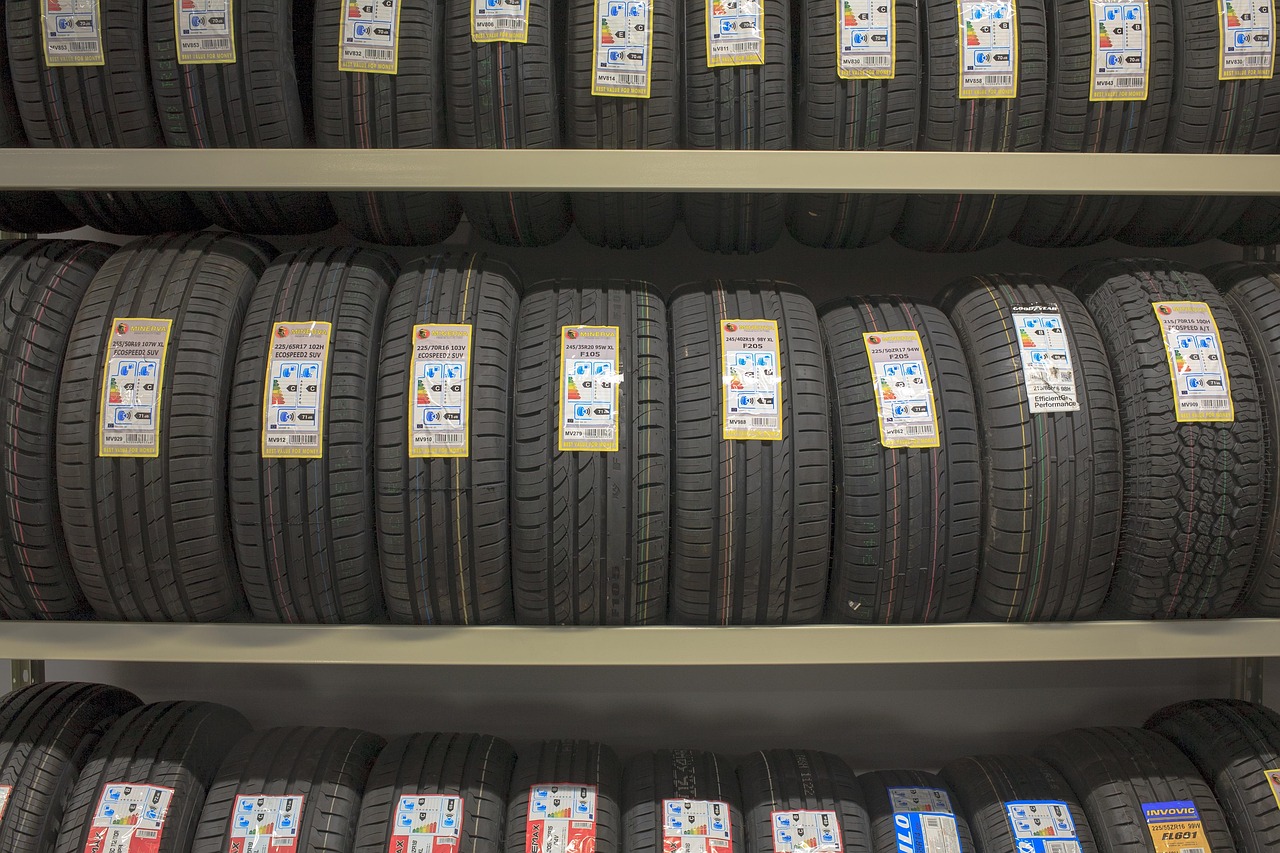
If tires are wearing unevenly, the suspension and steering system should be checked before replacing tires.
Ball joints help keep the wheels properly positioned while allowing steering movement. If they are worn, steering may feel less stable. You may notice:
Steering problems should always be taken seriously because they affect vehicle safety.
The suspension depends on ball joints to move smoothly and securely. A worn ball joint can create extra movement in the suspension. This may cause:
A ball joint inspection helps determine whether the joint is still holding the suspension securely.
Ball joints are safety-critical components. If a ball joint becomes severely worn, it can affect wheel control. In extreme cases, a failed ball joint can allow the wheel assembly to move unexpectedly, creating a serious hazard. Worn ball joints can affect:
Because of the safety risk, ball joint symptoms should not be ignored.
Potholes can place sudden force on suspension and steering components. A hard impact may damage ball joints or make existing wear worse. After hitting a pothole, schedule a ball joint or suspension inspection if you notice:
Scarborough and GTA roads can be especially hard on ball joints after winter pothole season.
Local driving conditions can accelerate ball joint wear. Scarborough and Greater Toronto Area drivers often deal with rough road surfaces, road salt, potholes, and heavy traffic. Common local conditions that affect ball joints include:
Regular inspections are especially important for vehicles driven year-round in Ontario.
Ball joints should be inspected whenever symptoms appear or during routine suspension service. Good times to inspect ball joints include:
Ball joints should be checked before they become severely worn.
Ball joint replacement may be recommended if the joint is worn, loose, damaged, noisy, or unsafe. Replacement may be needed if:
Depending on the vehicle, the ball joint may be replaced separately, or it may require control arm replacement if it is integrated into the control arm assembly.
In some cases, ball joints may be replaced in pairs, especially if both sides have similar wear or mileage. However, the correct recommendation depends on the vehicle condition, suspension design, and inspection results.
Replacing worn components properly helps maintain balanced handling and alignment.
Driving with a worn ball joint is risky, especially if the wear is severe. Mild wear may allow short-term driving, but the vehicle should be inspected and repaired soon.
Because ball joints affect wheel control, serious wear should be repaired promptly.
Ignoring ball joint problems can lead to:
Early inspection can help prevent more expensive and dangerous problems later.
At Valvoline Express Care Scarborough, a ball joint inspection may include:
We ask what symptoms you have noticed, such as clunking, steering looseness, uneven tire wear, vibration, or pulling.
We review when the issue happens: over bumps, while turning, at highway speed, after a pothole impact, or during braking.
We inspect visible suspension and steering areas, including ball joints and related components where accessible.
We look for signs of wear, looseness, torn boots, rust, dryness, or damage.
We check tire wear patterns that may point to ball joint or alignment concerns.
We review related parts such as control arms, bushings, tie rods, shocks, struts, and sway bar links where applicable.
We explain the condition of the ball joints in simple language.
If service is needed, we recommend the correct next step, such as ball joint replacement, control arm replacement, alignment review, suspension repair, or further diagnosis.
Before your appointment, it helps to notice:
You do not need to diagnose the issue yourself. These details help guide the inspection.
Winter driving can make worn ball joints more noticeable. Snow, slush, potholes, ice, salt, and rough roads can place extra stress on suspension parts. Before winter, a ball joint inspection can help review:
A stable suspension system helps improve confidence during winter driving.
Before a long road trip, cottage drive, business commute, or highway travel, ball joint concerns should be checked. A pre-trip ball joint inspection can help identify:
This gives you greater confidence before spending extended time on the road.
Older and high-mileage vehicles may be more likely to have ball joint wear. Rubber boots can crack, grease can dry out, and joints can loosen over time. A ball joint inspection is especially useful if:
Regular inspections help protect older vehicles from unexpected suspension problems.
To help protect ball joints and related suspension components:
Good suspension maintenance helps protect safety, tire life, and vehicle control.
A ball joint inspection can help identify looseness that may affect steering response.
Ball joints are key suspension components. Inspection helps identify unsafe wear early.
Finding ball joint problems early can help reduce uneven tire wear.
Healthy ball joints help your vehicle hold alignment properly.
Inspection can help identify clunking, knocking, squeaking, or popping from worn joints.
You know whether your ball joints appear safe, worn, or in need of service.
We understand that ball joints affect steering, suspension stability, and wheel control.
We explain ball joint concerns in simple, practical language.
We recommend service based on actual condition, symptoms, and safety needs.
We understand how GTA potholes, road salt, winter conditions, traffic, and rough roads affect suspension components.
We can also help with suspension inspections, steering checks, tires, brakes, battery service, engine care, oil changes, fluids, lights, and general maintenance.
We inspect visible ball joint concerns and provide clear, honest recommendations to help keep your vehicle safe and road-ready.