Exterior Light Check

Professional Exterior Light Check for Safer, More Visible Driving

Your vehicle’s exterior lights help you see the road, stay visible to other drivers, and communicate when you are braking, turning, reversing, or changing lanes. At Valvoline Express Care Scarborough, we check key exterior lights, identify burned-out bulbs or lighting concerns, and provide clear recommendations to help keep your vehicle safe and road-ready.

The Service

What Is an Exterior Light Check?

An exterior light check is a review of the lights on the outside of your vehicle to make sure they are working properly. Exterior lights are an important part of vehicle safety because they help you see clearly and help other drivers, pedestrians, and cyclists see what your vehicle is doing.

Your exterior lighting system includes headlights, high beams, brake lights, turn signals, hazard lights, reverse lights, tail lights, marker lights, licence plate lights, fog lights, and daytime running lights where equipped.

At Valvoline Express Care Scarborough, our exterior light check helps identify lights that are burned out, dim, flickering, cracked, fogged, filled with moisture, or not working correctly.

Exterior light check
Vehicle lighting
Why It Matters

Why Exterior Lights Matter

Exterior lights are essential for safe driving during the day, at night, in bad weather, and in busy traffic. Even one failed light can reduce visibility or make it harder for other drivers to understand your intentions.

Proper exterior lights help:
  • Improve night driving visibility
  • Help other drivers see your vehicle
  • Communicate braking and turning
  • Improve safety in rain, snow, fog, and low light
  • Reduce the risk of rear-end collisions
  • Improve visibility when reversing
  • Support safer lane changes
  • Help pedestrians and cyclists see your vehicle
  • Reduce the chance of being stopped for non-working lights
  • Improve overall road confidence

A light check is a simple service, but it plays a major role in everyday safety.

The Inspection

Main Exterior Lights We Check

Headlights

1. Headlights

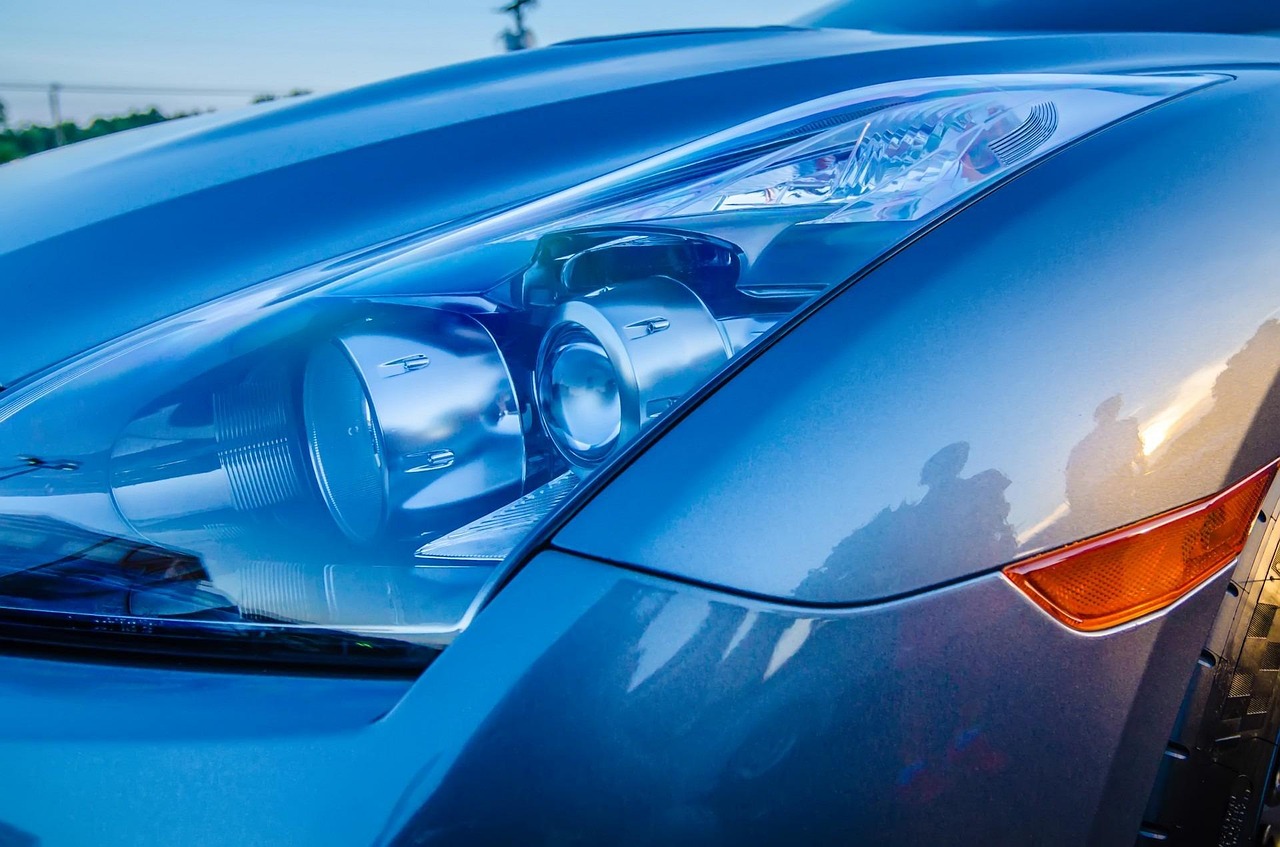
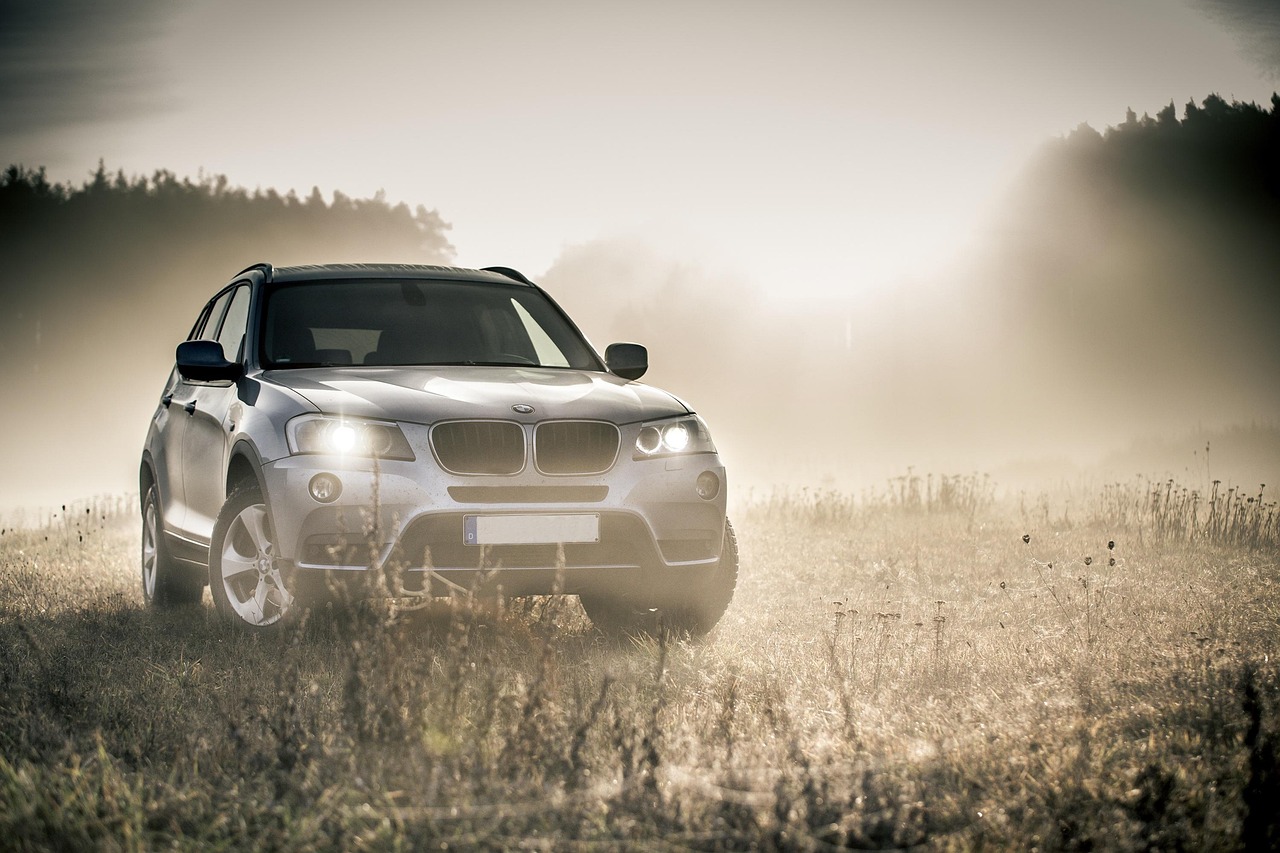
Headlights help you see the road ahead and help oncoming traffic see your vehicle.

Common Concerns
  • One headlight not working
  • Both headlights dim
  • Headlight flickering
  • Cloudy headlight lenses
  • Moisture inside headlight housing
  • Uneven brightness
  • Poor nighttime visibility

Why They Matter: Weak, dim, misaligned, or burned-out headlights can make night driving dangerous and reduce visibility during rain, snow, fog, or early morning driving.
High beams

2. High Beams

High beams provide extra visibility on dark roads where there is little traffic.

Common Concerns
  • High beams do not turn on
  • One side is weaker than the other
  • High beam indicator issue
  • Switch or electrical concern
  • Bulb or LED module failure

Why They Matter: High beams are especially useful on rural roads, dark streets, and low-light areas. If they do not work properly, long-distance visibility may be reduced.

Brake lights

3. Brake Lights

Brake lights alert drivers behind you when you are slowing down or stopping.

Common Concerns
  • One brake light not working
  • Centre brake light not working
  • Brake lights stay on
  • Brake lights do not activate
  • Brake lights are dim
  • Brake light warning appears

Why They Matter: Brake lights are one of the most important exterior safety lights. If they are not working, other drivers may not realize you are braking, increasing the risk of a rear-end collision.

Tail lights

4. Tail Lights

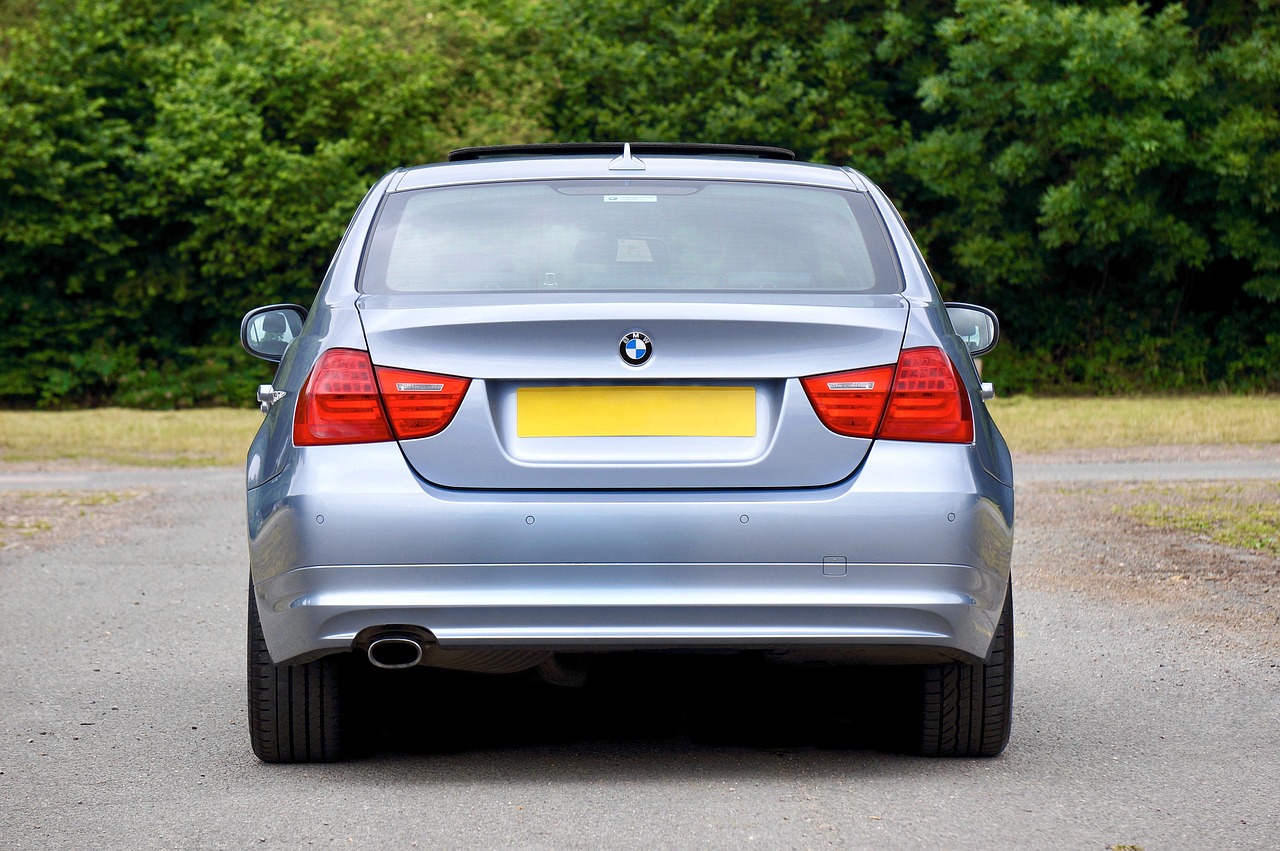
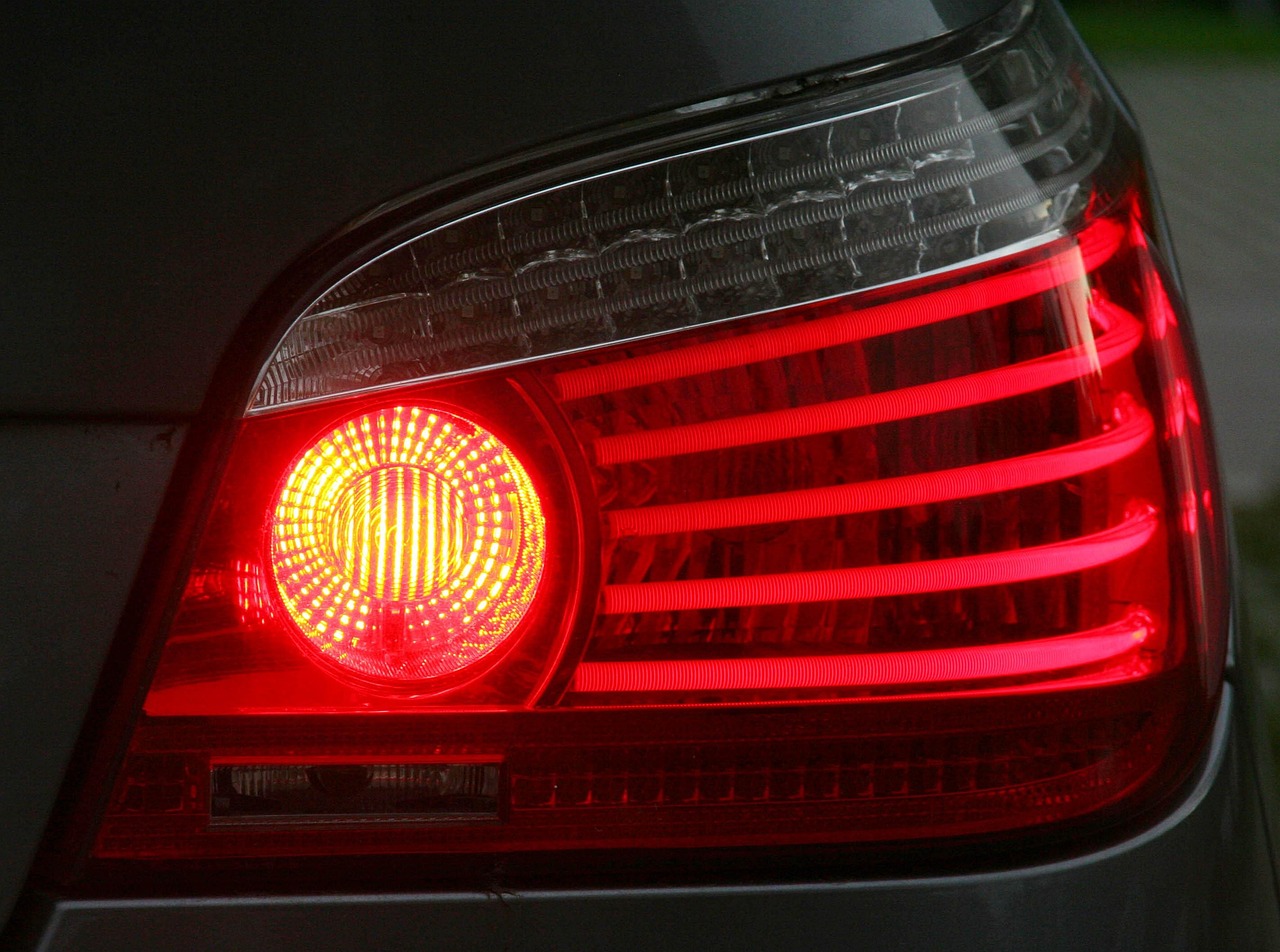
Tail lights help other drivers see your vehicle from behind, especially at night or in poor weather.

Common Concerns
  • One tail light out
  • Both tail lights not working
  • Dim tail lights
  • Water inside housing
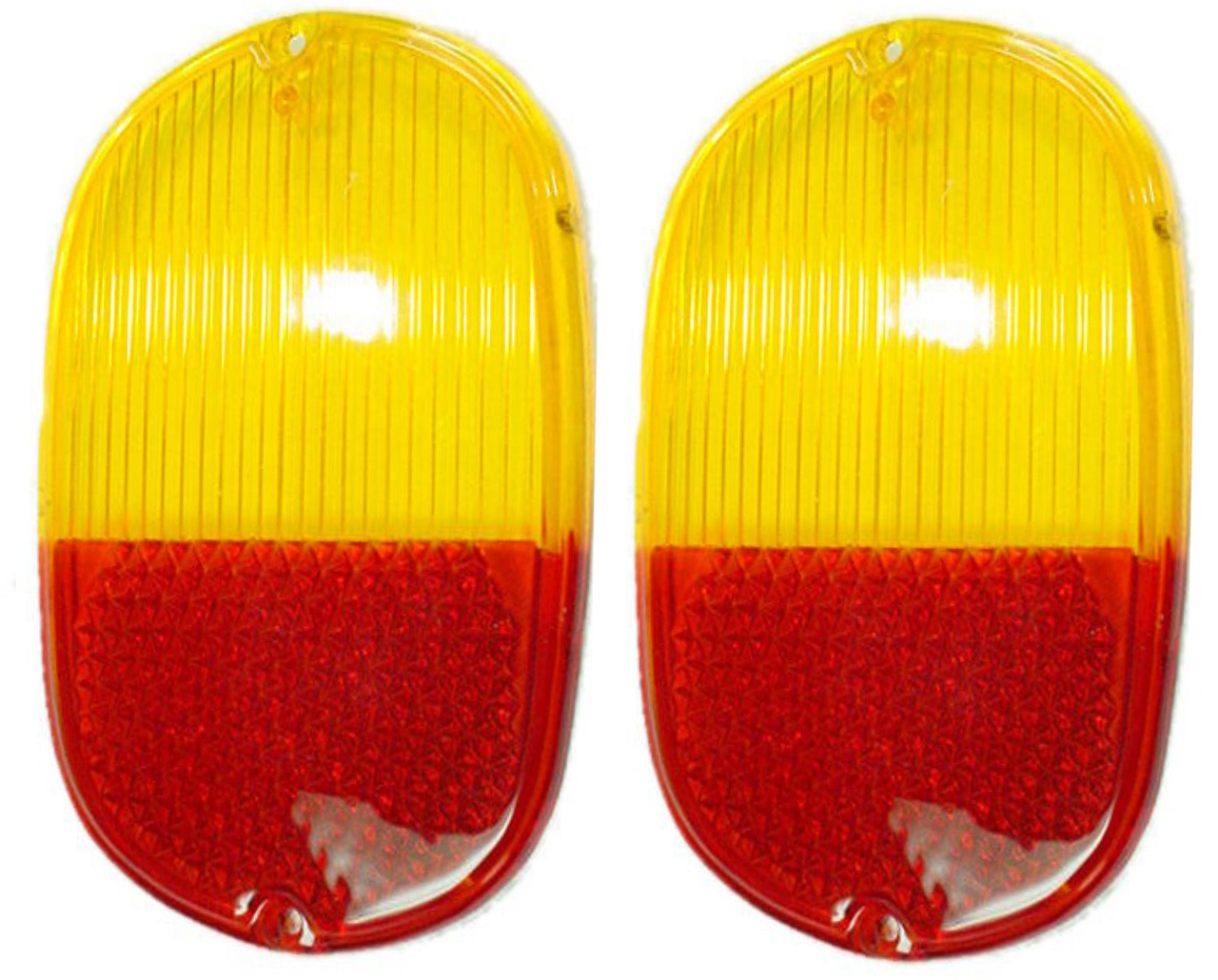
  • Cracked tail light lens
  • Flickering rear lights

Why They Matter: Tail lights make your vehicle visible when driving in darkness, rain, snow, fog, or low visibility. If they are out, drivers behind you may not see your vehicle clearly.

Turn signals

5. Turn Signals

Turn signals tell other drivers when you plan to turn or change lanes.

Common Concerns
  • Signal light not flashing
  • Signal flashes too fast
  • Signal flashes too slow
  • One side does not work
  • Dashboard indicator flashes quickly
  • Bulb, fuse, relay, or wiring concern

Why They Matter: Working turn signals help prevent confusion and improve road safety. A failed signal can make lane changes and turns more dangerous.

Hazard lights

6. Hazard Lights

Hazard lights, also called four-way flashers, warn other drivers that your vehicle is stopped, disabled, or creating a temporary hazard.

Common Concerns
  • Hazards do not flash
  • Only one side flashes
  • Flashing pattern is inconsistent
  • Hazard switch concern
  • Relay, fuse, bulb, or electrical issue

Why They Matter: Hazard lights are important during roadside emergencies, breakdowns, bad weather, or when your vehicle needs to be more visible.

Reverse lights

7. Reverse Lights

Reverse lights turn on when your vehicle is in reverse.

Common Concerns
  • Reverse lights do not turn on
  • One reverse light is out
  • Dim reverse lights
  • Backup camera visibility is poor at night
  • Reverse switch or electrical concern

Why They Matter: Reverse lights help you see behind you and alert pedestrians, cyclists, and other drivers that your vehicle is backing up.

Marker and parking lights

8. Marker and Parking Lights

Marker lights and parking lights help show your vehicle’s position and size, especially in low-light conditions.

Common Concerns
  • Parking lights not working
  • Side marker light out
  • Dim marker lights
  • Lens damage
  • Wiring or bulb concern

Why They Matter: These lights improve visibility from the front, rear, and sides of the vehicle. They are especially helpful during dusk, dawn, rain, snow, or roadside parking.

Licence plate lights

9. Licence Plate Lights

Licence plate lights illuminate your rear licence plate at night.

Common Concerns
  • Plate lights burned out
  • One side dim
  • Cracked cover
  • Corrosion around bulb area
  • Water inside housing

Why They Matter: Although small, licence plate lights are part of your exterior lighting system and should be working properly.

Fog lights

10. Fog Lights

Fog lights are designed to improve visibility in fog, heavy rain, snow, and low-visibility driving conditions.

Common Concerns
  • Fog lights not working
  • One fog light burned out
  • Fog light lens cracked
  • Moisture in housing
  • Switch, relay, fuse, or wiring issue

Why They Matter: Fog lights help light the road closer to the vehicle and can improve visibility in certain weather conditions.

Daytime running lights

11. Daytime Running Lights

Daytime running lights help make your vehicle more visible during the day.

Common Concerns
  • One daytime running light out
  • Both daytime running lights not working
  • Flickering lights
  • Warning message on dashboard
  • LED module or electrical concern

Why They Matter: They improve visibility to other drivers, especially in changing light, rain, snow, or shaded areas.

Warning Signs

Signs You Need an Exterior Light Check

You should schedule an exterior light check if you notice:

  • One headlight is out
  • Brake lights are not working
  • Turn signal flashes too fast
  • Dashboard bulb warning appears
  • Headlights look dim
  • Lights flicker while driving
  • Moisture appears inside a light housing
  • Lens is cracked or damaged
  • Reverse lights are not working
  • Hazard lights do not flash properly
  • Tail lights are dim or out
  • Other drivers flash their lights at you
  • You have trouble seeing at night
  • A bulb was recently replaced but still does not work
  • You are preparing for winter or a long trip
  • Your vehicle recently had battery or electrical issues

Exterior light problems are often simple to check, but they should not be ignored.

Root Causes

Common Causes of Exterior Light Problems

Burned-Out Bulbs

Bulbs naturally wear out over time. A burned-out bulb is one of the most common exterior lighting issues.

LED Module Failure

Some modern vehicles use LED lighting assemblies. In some cases, the LED module or full light assembly may need attention instead of a simple bulb replacement.

Blown Fuse

A fuse protects the electrical circuit. If a fuse blows, one or more lights may stop working.

Faulty Relay

Some lights rely on relays to operate. A failing relay may cause lights to stop working or behave inconsistently.

Corroded Socket

Moisture, age, and road salt can cause corrosion inside bulb sockets, leading to poor contact or intermittent operation.

Loose Wiring or Connector

A loose or damaged connector can cause flickering, dim lights, or complete light failure.

Moisture Inside Light Housing

Water or condensation inside the housing can damage bulbs, wiring, sockets, and reflective surfaces.

Cracked Lens

A cracked lens can allow water and dirt inside, reducing light performance and causing electrical issues.

Weak Battery or Charging Issue

If multiple lights are dim or flickering, the issue may be related to the battery, alternator, or charging system.

Bad Switch

A headlight switch, brake light switch, hazard switch, or turn signal switch can fail and affect light operation.

Specific Symptoms

What Your Lights Are Telling You

Fast turn signal

Why Turn Signals Flash Too Fast

A fast-blinking turn signal often means one of the signal bulbs is burned out or not drawing proper electrical load. This is commonly called hyper-flashing.

Possible causes include:
  • Burned-out signal bulb
  • Incorrect bulb installed
  • LED bulb compatibility issue
  • Bad socket connection
  • Wiring concern
  • Faulty flasher relay on some vehicles
Brake lights stay on

Why Brake Lights May Stay On

Brake lights that stay on can drain the battery and confuse drivers behind you.

Possible causes include:
  • Faulty brake light switch
  • Brake pedal switch misalignment
  • Electrical short
  • Wiring concern
  • Stuck brake pedal component
  • Incorrect bulb installation on some vehicles

If your brake lights stay on after the vehicle is parked, the issue should be reviewed quickly.

Dim headlights

Why Headlights May Look Dim

Dim headlights can reduce nighttime visibility and make driving more difficult.

Common causes include:
  • Old bulbs
  • Cloudy headlight lenses
  • Weak battery
  • Alternator or charging issue
  • Poor ground connection
  • Corroded wiring
  • Moisture inside housing
  • Incorrect bulb type
  • Dirty headlight lens

If both headlights are dim, the issue may be electrical or lens-related. If one headlight is dim, it may be a bulb, socket, or connection issue.

Cloudy lenses

Cloudy or Foggy Headlight Lenses

Over time, headlight lenses can become cloudy, yellowed, or hazy from sunlight, weather, road debris, and age. Cloudy lenses can reduce light output even if the bulb is working properly.

A strong bulb behind a cloudy lens may still produce poor visibility. If your headlights look dull or yellow, headlight restoration or lens replacement may be recommended depending on condition.

Moisture inside light housing

Moisture Inside Exterior Lights

Some light housings may develop condensation after temperature changes, rain, washing, or snow. A small amount of temporary condensation may clear naturally. However, heavy moisture, water pooling, or repeated condensation may indicate a seal problem.

Moisture can cause:
  • Burned-out bulbs
  • Corrosion
  • Electrical connection issues
  • Dim lighting
  • Lens staining
  • Repeated bulb failure

If moisture keeps returning, the light housing should be inspected.

Know the Difference

Exterior Light Check vs. Related Services

Exterior Light Check vs. Bulb Replacement

An exterior light check and bulb replacement are related but not the same.

Identify

Exterior Light Check

This service identifies which lights are working and which are not. It may also help identify dim, flickering, cracked, fogged, or moisture-filled lights.

Fix

Bulb Replacement

This service replaces a burned-out bulb when the bulb is the cause of the issue.

Important note

If a new bulb does not solve the problem, the issue may be with the socket, fuse, relay, wiring, switch, or light assembly.

Exterior Light Check vs. Electrical Diagnosis

A basic exterior light check focuses on visible light operation. If the problem is more complex, an electrical diagnosis may be needed.

Start Here

Exterior Light Check Is Best For

  • Burned-out bulbs
  • Dim lights
  • Signal issues
  • Brake light check
  • Reverse light check
  • Exterior visibility review
Go Deeper

Electrical Diagnosis May Be Needed For

  • Lights flicker randomly
  • Multiple lights fail at once
  • Bulbs keep burning out
  • New bulb does not work
  • Fuse keeps blowing
  • Wiring damage is suspected
  • Dashboard warning remains after repair
  • LED module or control system concern
Good to know

An exterior light check is often the first step.

The Power Behind It

Exterior Lights and Battery & Electrical Health

Exterior lights depend on the vehicle’s electrical system. If several lights are dim or flickering, the cause may not be the bulbs.

If your lights dim when idling, flicker while driving, or change brightness when using other accessories, the battery and charging system may need review.

Possible electrical causes include:
  • Weak battery
  • Failing alternator
  • Poor ground connection
  • Corroded battery terminals
  • Loose wiring
  • Faulty relay
  • Charging system issue
  • Voltage fluctuation
Winter Driving

Exterior Lights and Winter Driving

Exterior lights are especially important during Ontario winters. Snow, slush, salt, early darkness, and poor visibility make working lights essential.

Winter conditions can affect lights through:
  • Road salt buildup
  • Moisture intrusion
  • Ice and snow covering lenses
  • Corrosion in sockets
  • Shorter daylight hours
  • Increased use of headlights
  • Cold-weather electrical stress

Before winter, it is smart to check all exterior lights and clean lenses regularly.

Low Visibility

Exterior Lights and Rain, Fog, and Low Visibility

During rain, fog, snow, and low-light driving, exterior lights help other drivers see your vehicle earlier.

A working lighting system is especially important when:
  • Driving at dusk or dawn
  • Driving in heavy rain
  • Driving in snow
  • Driving in fog
  • Driving on poorly lit roads
  • Driving on highways
  • Backing out of parking spaces
  • Stopping in traffic
  • Changing lanes

Even daytime driving can require strong visibility in poor weather.

Before You Travel

Exterior Light Check Before a Long Trip

Before a road trip, cottage drive, family trip, or long commute, an exterior light check is a smart safety step.

A pre-trip light check can help identify:
  • Burned-out headlights
  • Brake light concerns
  • Turn signal issues
  • Reverse light failure
  • Dim or cloudy lights
  • Moisture inside housings
  • Licence plate light issues
  • Hazard light concerns

This helps reduce the chance of safety issues while travelling.

High Mileage

Exterior Light Check for Older Vehicles

Older vehicles may be more likely to experience lighting issues due to age, corrosion, wiring wear, cloudy lenses, cracked housings, and repeated bulb failure.

An exterior light check is especially helpful if:
  • The vehicle has high mileage
  • Lenses are cloudy
  • Bulbs burn out often
  • Lights flicker
  • Electrical problems are present
  • Moisture appears inside housings
  • Vehicle is driven year-round in Ontario
  • The vehicle was recently purchased used

Older vehicles benefit from regular lighting reviews.

What We Do

What Is Included in Our Exterior Light Check Service?

At Valvoline Express Care Scarborough, an exterior light check may include:

Headlight Check

We check low beam and high beam operation where applicable.

Brake Light Check

We check rear brake lights, including the centre brake light where accessible.

Turn Signal Check

We check left and right front and rear turn signals.

Hazard Light Check

We confirm hazard lights flash properly.

Tail Light Check

We check rear tail light visibility and operation.

Reverse Light Check

We check reverse lights where applicable.

Marker and Parking Light Check

We check visible marker, parking, and side lights where equipped.

Licence Plate Light Check

We check rear licence plate light operation.

Fog Light Check

Where equipped, we check fog light operation.

Daytime Running Light Awareness

Where applicable, we review daytime running light function.

Lens and Housing Review

We look for cracked lenses, moisture, fogging, or visible housing damage.

Recommendation

If a light is out or a concern is found, we recommend bulb replacement, housing review, electrical diagnosis, or further service as needed.

How It Works

Our Exterior Light Check Process

Exterior light check in progress

We ask whether you noticed a warning light, burned-out bulb, flickering light, fast signal, dim headlights, or other visibility concerns.

We check key exterior lights to see whether they turn on, flash, brighten, or respond properly.

We look for visible cracks, cloudiness, moisture, or damage that may affect light performance.

If a light is not working, we help determine whether it appears to be a bulb issue or may need further electrical review.

We explain what lights are working and which ones need attention.

We recommend the appropriate next step, such as bulb replacement, light housing inspection, battery or alternator check, or electrical diagnosis.

Come Prepared

What Customers Should Notice Before Coming In

Before your appointment, it helps to notice:

  • Which light is not working?
  • Is it front, rear, left, or right?
  • Does the light flicker?
  • Does the bulb warning appear on the dashboard?
  • Does the turn signal flash too fast?
  • Are the headlights dim?
  • Is there moisture inside the lens?
  • Did the problem start after rain, snow, or car wash?
  • Was a bulb recently replaced?
  • Are multiple lights affected?
  • Is the battery warning light also on?

These details help identify the issue faster.

Safety First

Can You Drive With a Burned-Out Exterior Light?

You may be able to drive, but it is not recommended to ignore a burned-out light. A failed light can reduce visibility and make your vehicle less predictable to other drivers.

You should address the issue quickly if:
  • A headlight is out
  • Brake lights are not working
  • Turn signals are not working
  • Reverse lights are out
  • Hazards do not work
  • Multiple lights fail together
  • Lights flicker or dim while driving

Exterior lights are safety equipment and should be kept in proper working condition.

The Cost of Waiting

What Happens If You Ignore Light Problems?

Ignoring exterior light issues can lead to:

  • Reduced nighttime visibility
  • Other drivers not seeing your vehicle
  • Poor communication while braking or turning
  • Higher risk of rear-end collisions
  • Increased risk while reversing
  • Electrical issues getting worse
  • Battery drain in some cases
  • Repeated bulb failures
  • Reduced safety in rain, snow, or fog
  • Possible traffic stops or inspection concerns

A light check is simple and can prevent bigger safety problems.

Driver Tips

Exterior Light Maintenance Tips for Drivers

To keep your lights working properly:

  • Check lights regularly
  • Clean headlights and tail lights
  • Replace burned-out bulbs promptly
  • Do not ignore fast turn signal blinking
  • Watch for moisture inside housings
  • Check lights before winter
  • Check lights before long trips
  • Replace damaged lenses
  • Have flickering lights inspected
  • Keep battery and charging system healthy
  • Do not touch halogen bulb glass with bare fingers during replacement
  • Use correct bulb types
  • Address repeated bulb failures
  • Check brake lights with help from another person or reflective surface

Small lighting habits can make a big difference in safety.

Key Benefits

Benefits of a Professional Exterior Light Check

Better Road Visibility

Working headlights and fog lights help you see more clearly.

Better Vehicle Visibility

Tail lights, marker lights, and daytime running lights help others see your vehicle.

Safer Braking Communication

Brake lights tell drivers behind you when you are slowing or stopping.

Safer Turns and Lane Changes

Turn signals communicate your intentions clearly.

Better Reverse Safety

Reverse lights alert others when your vehicle is backing up.

Early Electrical Issue Detection

Flickering or repeated bulb failures may reveal electrical concerns. You also gain peace of mind knowing your vehicle’s exterior lights are working properly.

Local & Trusted

Why Choose Valvoline Express Care Scarborough for Exterior Light Checks?

Valvoline Express Care service bay

Safety-Focused Service

We understand how important exterior lights are for visibility and road safety.

Clear Communication

We explain which lights are working and what needs attention.

Honest Recommendations

If the issue is a simple bulb, we tell you. If further electrical review is needed, we explain why.

Battery & Electrical Awareness

We can help identify whether dim or flickering lights may be connected to battery, alternator, or wiring concerns.

Local Scarborough Auto Care

We understand how Ontario weather, road salt, snow, rain, and daily commuting affect exterior lighting systems.

Ready When You Are

Book Your Exterior Light Check Today

We check key exterior lights, identify burned-out bulbs or lighting concerns, and provide clear recommendations to help keep your vehicle safe and road-ready.