Helps Identify Problems Early
Diagnostics can help detect issues before they lead to major repairs or roadside breakdowns.
When your vehicle feels different, loses power, shows a warning light, or does not run as smoothly as it should, engine diagnostics can help identify what is happening. At Valvoline Express Care Scarborough, we help drivers understand vehicle issues clearly and take the right next step with confidence.
Engine diagnostics is the process of checking your vehicle’s engine and related systems to understand why a problem is happening. Modern vehicles are built with sensors, computers, electronic controls, and mechanical components that all work together. When something is not working properly, your vehicle may store diagnostic trouble codes or show warning signs such as a check engine light, rough idle, weak acceleration, poor fuel economy, or unusual engine behaviour.
A proper diagnostic service is not just about reading a code. A code can point to a possible system or problem area, but it does not always tell the full story. Professional diagnostics help connect the warning signs, vehicle data, inspection results, and technician knowledge to better understand the root cause.
At Valvoline Express Care Scarborough, our goal is to help remove the guesswork. We inspect, review, explain, and recommend the next step in a clear and honest way.


Ignoring engine problems can lead to larger and more expensive repairs. A small issue with a sensor, ignition component, fuel system, air intake, or emissions system can affect how your vehicle performs. Over time, unresolved problems may cause poor fuel economy, engine wear, rough driving, failed emissions tests, or unexpected breakdowns.
Engine diagnostics help identify issues early so they can be addressed before they become more serious.
Diagnostics can help detect issues before they lead to major repairs or roadside breakdowns.
Instead of replacing parts without knowing the cause, diagnostics help narrow down the issue.
If your engine is hesitating, misfiring, idling roughly, or losing power, diagnostics can help determine why.
A poorly running engine may use more fuel than normal. Diagnostics can help identify issues affecting efficiency.
Engine problems left unchecked can create additional strain on other components. Early diagnosis helps protect long-term engine health.
You receive a better understanding of what is happening with your vehicle and what action may be needed.
You may need engine diagnostics if you notice any of the following.
Even if your vehicle still drives, a warning light or performance change should not be ignored. Some issues may seem minor at first but can become more serious if left unchecked.
The check engine light is one of the most common reasons drivers request engine diagnostics. This warning light is connected to your vehicle’s onboard computer system. When the computer detects an issue, it stores a diagnostic trouble code and turns on the light.
However, the check engine light can be triggered by many different causes. Some are minor, while others may require immediate attention.
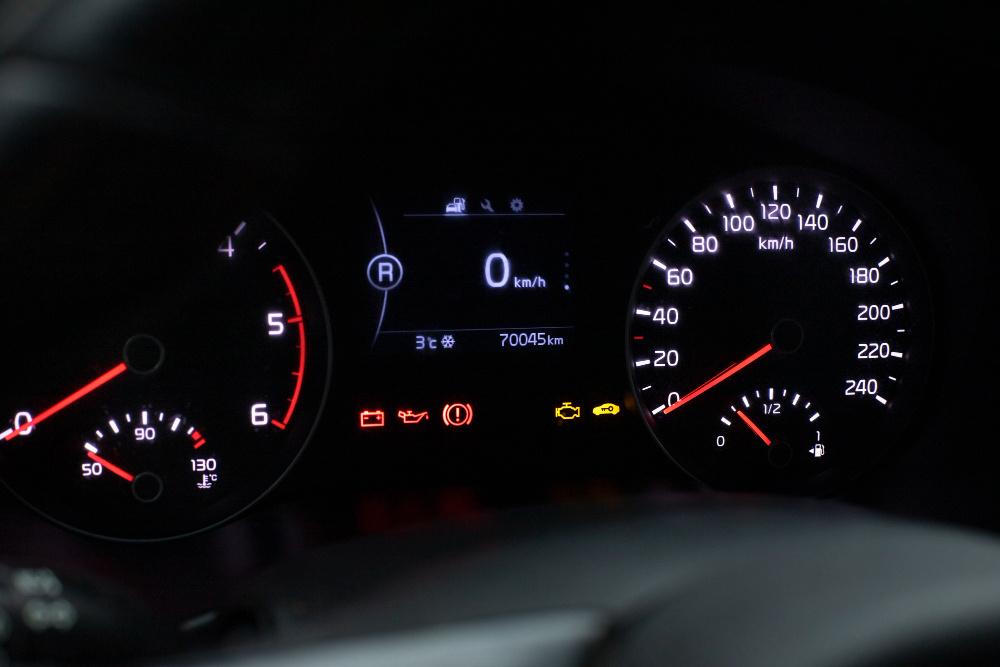
A loose or faulty gas cap can affect the fuel vapour system and trigger the check engine light.

Oxygen sensors monitor the air and fuel mixture. A failing sensor can affect fuel economy and engine performance.
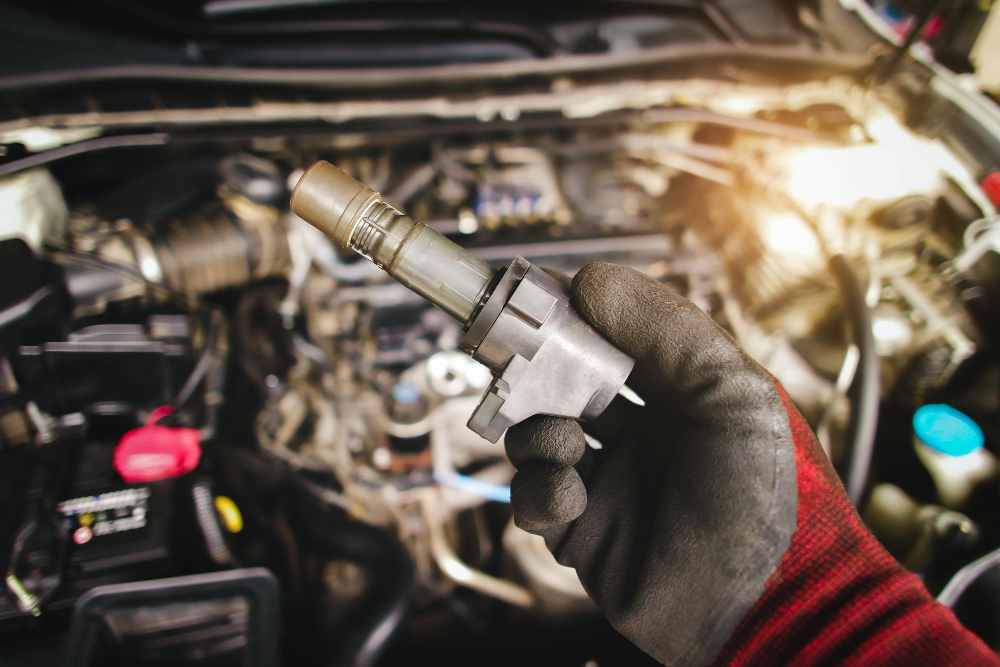
Worn spark plugs, ignition coils, or related components can cause misfires, rough idling, or poor acceleration.

A misfire happens when one or more cylinders are not firing properly. This can cause shaking, power loss, and possible engine damage if ignored.
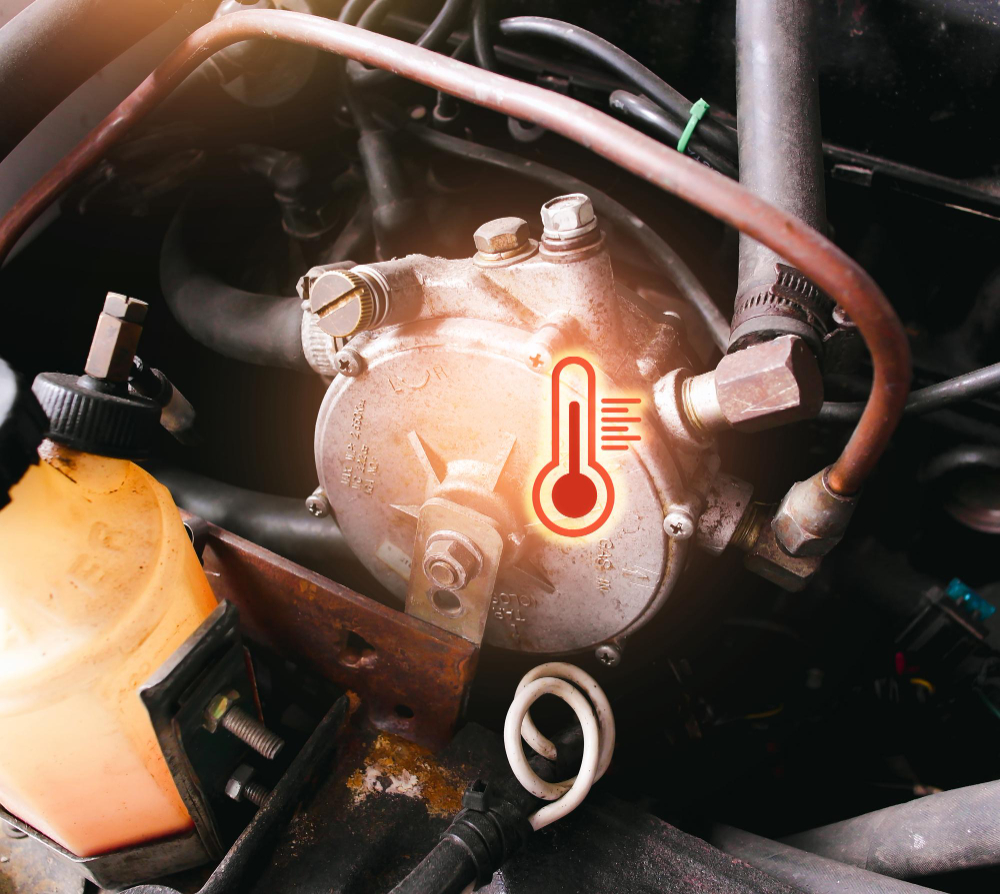
Fuel delivery problems can cause hesitation, stalling, hard starts, or reduced power.

Modern vehicles have emissions systems designed to reduce harmful exhaust output. Problems in these systems can trigger warning lights.

The mass air flow sensor measures air entering the engine. If it is dirty or failing, the engine may run poorly.

A catalytic converter issue can affect emissions, performance, and fuel economy. This should be inspected properly before repairs are considered.
Engine diagnostics may help identify concerns related to:
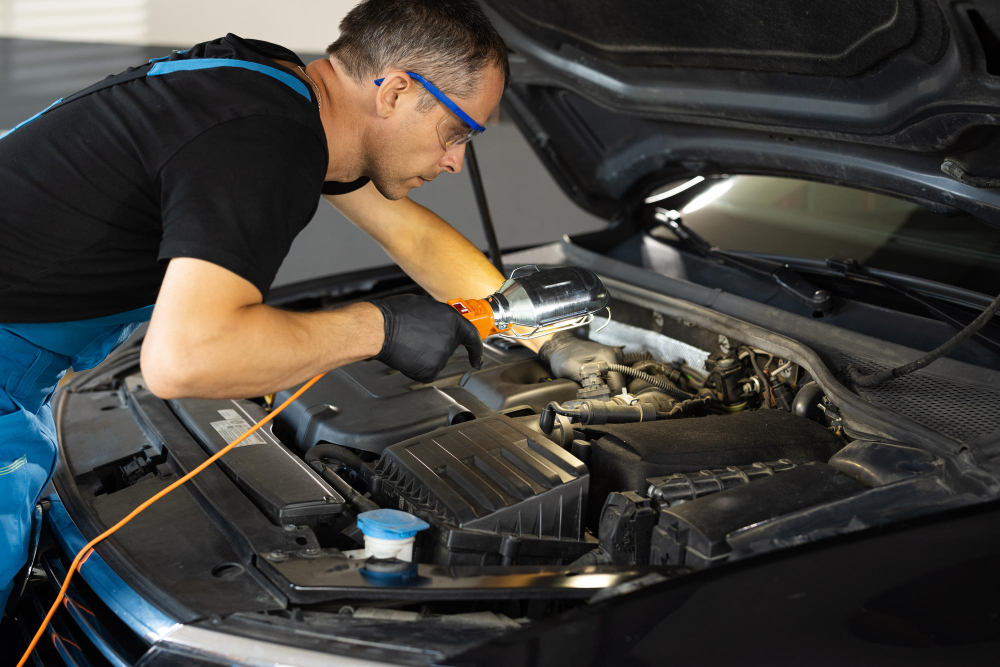
Issues affecting power, acceleration, idle quality, and overall drivability.
Problems with fuel delivery, fuel pressure, fuel injectors, or fuel efficiency.
Spark plugs, ignition coils, misfires, hard starts, and rough running conditions.
Air filter, air flow sensors, vacuum leaks, and air/fuel mixture concerns.
Evaporative emissions issues, oxygen sensors, catalytic converter concerns, and related components.
Overheating concerns, coolant temperature issues, and warning indicators.
Vehicle sensors provide important information to the engine computer. A faulty sensor can affect performance and trigger warning lights.
Exhaust restrictions, emissions issues, and unusual exhaust behaviour may require diagnostic review.
At Valvoline Express Care Scarborough, we follow a clear process to help understand what your vehicle needs.
We begin by listening to what you have noticed. This may include warning lights, sounds, smells, performance changes, or recent driving issues. Your experience helps guide the inspection.
If a warning light is on, we review the light and determine what system may be involved.
We connect diagnostic equipment to your vehicle’s onboard computer system to check for stored trouble codes. These codes help point us toward the affected system or area.
Diagnostic codes are reviewed carefully. A code does not always mean a specific part must be replaced. It helps identify where further inspection may be needed.
Where applicable, we inspect visible engine components, wiring, fluid levels, belts, hoses, air intake areas, and other accessible parts that may relate to the concern.
We compare the scan results with the symptoms you described. This helps create a clearer picture of what may be causing the issue.
Once the issue is better understood, we explain the findings in simple terms and recommend the next step. If additional testing or repair is required, we let you know clearly.
We explain your options before any further service is performed. You stay informed and in control of the decision.
You should schedule diagnostics as soon as possible if your check engine light is on or your vehicle is running differently. However, some symptoms may require immediate attention.
A flashing check engine light is especially important. It can indicate a more serious issue, such as an engine misfire, that may cause damage if the vehicle continues to be driven.
Many customers think a diagnostic scan and a complete diagnosis are the same thing. They are related, but not always the same.
A diagnostic scan reads the codes stored in your vehicle’s computer. This is useful, but it may only identify the system where the problem was detected.
A complete diagnosis may require deeper inspection, testing, and technician review to confirm the actual cause. For example, a code related to an oxygen sensor does not always mean the oxygen sensor itself is the problem. The issue could be wiring, exhaust leaks, fuel mixture problems, or another related component.
That is why professional review is important. It helps avoid unnecessary repairs and supports better decision-making.
Spark plugs wear over time and may cause misfires, rough idle, poor acceleration, and reduced fuel economy.
Ignition coils help provide the spark needed for combustion. A failing coil can cause shaking, misfiring, and check engine lights.
A dirty air filter can restrict airflow and affect performance.
Modern vehicles rely on sensors to manage engine operation. Faulty sensors can affect fuel mixture, emissions, and performance.
A vacuum leak can cause rough idle, poor performance, or unusual engine behaviour.
Problems with fuel injectors, fuel pressure, or fuel system components can affect acceleration and drivability.
Evaporative emissions leaks, oxygen sensor issues, and catalytic converter concerns can trigger warning lights.
Engine temperature issues may point to coolant leaks, thermostat problems, radiator concerns, or related cooling system issues.
It depends on the situation.
If the check engine light is steady and the vehicle feels normal, you may still be able to drive for a short time, but you should schedule diagnostics soon.
If the check engine light is flashing, the vehicle is shaking, overheating, losing power, or making unusual noises, it is safer to stop driving and have the vehicle checked immediately.
The best approach is not to wait. A diagnostic check can help determine whether the issue is minor or serious.
Replacing parts without proper diagnostics can become expensive and frustrating. A warning light may point to a system, but that does not always mean the first part mentioned by the code is the failed component.
The goal is to fix the actual problem, not just clear the warning light temporarily.
Engine diagnostics are not only for major problems. They can also help with preventive maintenance. Sometimes a vehicle may show early symptoms before a full failure happens. Catching those signs early can help extend vehicle life and reduce repair costs.
This helps you make informed decisions about your vehicle before problems become more expensive.

We explain diagnostic findings in a way that is easy to understand.
We focus on what your vehicle actually needs and help you avoid unnecessary confusion.
Our team combines diagnostic tools with practical inspection to better understand your concern.
We want you to feel confident about your vehicle and your service decisions.
We proudly serve drivers in Scarborough with dependable vehicle maintenance and repair support.
If your check engine light is on or your vehicle is running differently, we can help you understand what is happening. Our team inspects, reviews, explains, and recommends the next step in a clear and honest way.