Slow Engine Crank
If your engine turns over slowly before starting, your battery may not have enough power to crank the engine properly. This is often one of the earliest signs of battery weakness.
A weak or failing battery can leave you stranded at the worst time, especially during cold mornings, hot weather, or busy daily schedules. At Valvoline Express Care Scarborough, we help test your battery, confirm whether replacement is needed, and install the right battery for your vehicle so you can get back on the road with confidence.
Battery replacement is the process of removing a weak, failing, damaged, or dead vehicle battery and installing a new battery that meets your vehicle’s requirements. Your battery provides the electrical power needed to start your engine and support key vehicle systems when the engine is off.
Over time, every battery loses strength. A battery may still work one day and fail the next, especially when temperatures change or when the vehicle has not been driven regularly. Replacing the battery before complete failure helps prevent no-start situations, repeated jump-starts, and unexpected breakdowns.
At Valvoline Express Care Scarborough, battery replacement starts with a proper battery check. We help determine whether your battery is truly the issue, explain your options clearly, and install a suitable replacement when needed.
Your battery is one of the most important parts of your vehicle’s electrical system. Without a healthy battery, your vehicle may not start, and many electrical systems may not function properly.
A weak battery can affect your entire driving routine. If your vehicle struggles to start, the battery should be tested before it fails completely.
You should consider battery replacement if you notice any of the following:
If your vehicle has already needed a jump-start, it is a good idea to have the battery tested and replaced if necessary.
If your engine turns over slowly before starting, your battery may not have enough power to crank the engine properly. This is often one of the earliest signs of battery weakness.
A clicking sound may happen when the battery does not have enough power to engage the starter. This can also be caused by starter or connection issues, so testing is important.
A completely dead or failed battery may prevent your vehicle from starting at all. However, a no-start issue can also involve the starter, alternator, cables, fuses, or other electrical components.
Dim or weak headlights may indicate low battery power, charging issues, or poor electrical connections.
If your vehicle needs repeated jump-starts, the battery may no longer be able to hold a charge. This should be checked promptly.
The battery warning light may point to the battery, alternator, belt, cable, or charging system. It should not be ignored.
Vehicle batteries do not last forever. Several factors can cause a battery to weaken or fail.
Batteries naturally lose capacity over time. As the battery gets older, it becomes less able to hold a charge and deliver strong starting power.
Cold weather reduces battery strength and makes your engine harder to start. A weak battery may work in mild weather but fail on a cold morning.
Heat can shorten battery life by increasing internal wear. A battery damaged by summer heat may fail later during winter.
Short trips may not allow the alternator enough time to fully recharge the battery after starting the vehicle.
If a vehicle sits unused for days or weeks, the battery can slowly lose charge.
A light, accessory, module, or electrical fault may draw power while the vehicle is off.
Corrosion can prevent proper electrical flow and create starting problems.
Loose battery connections can cause intermittent starting or electrical issues.
If the alternator is not charging properly, even a good battery can become drained.
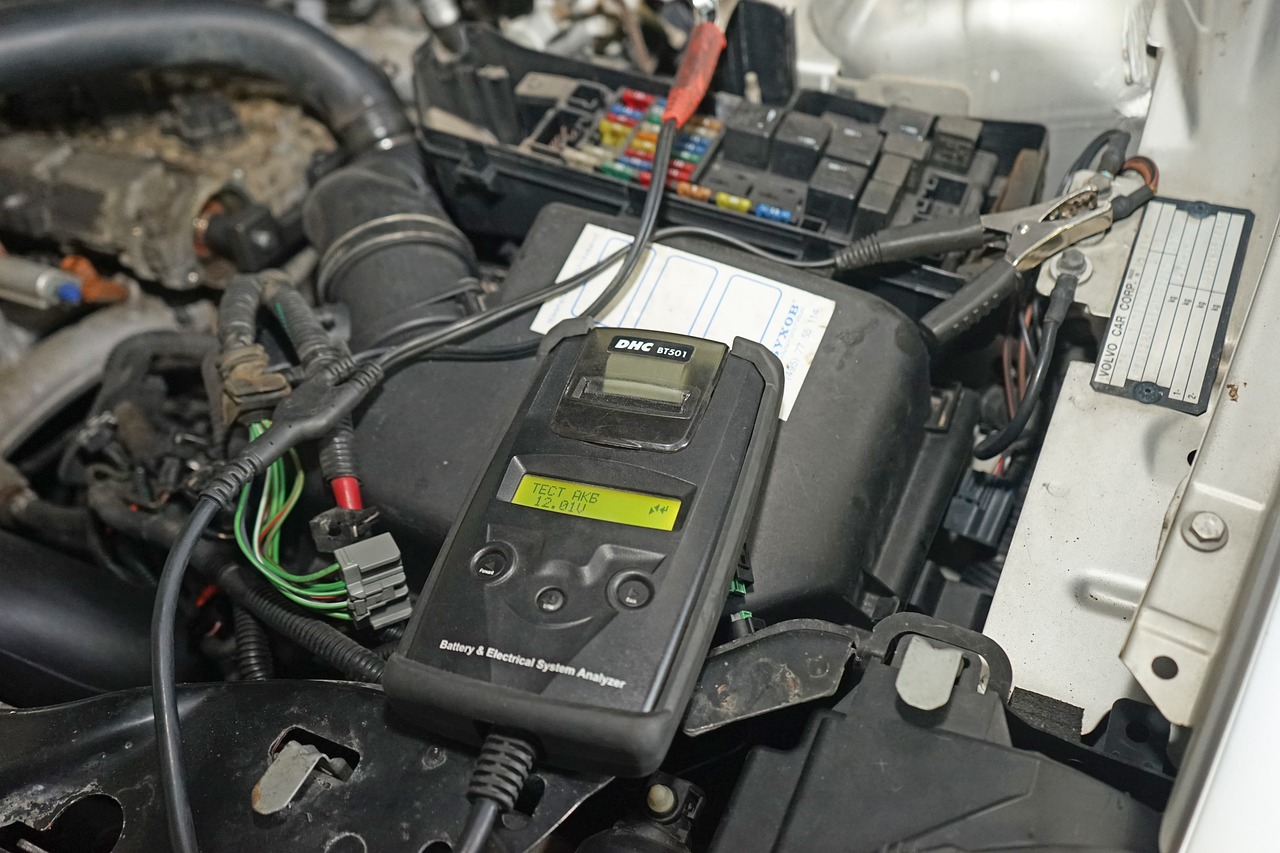
Battery replacement should not be based on guessing. A proper battery test helps confirm whether your battery is healthy, weak, undercharged, or failing.
At Valvoline Express Care Scarborough, we recommend testing the battery before replacement whenever possible. This helps avoid unnecessary replacement and ensures the actual problem is identified.

Battery testing checks the current condition of the battery and helps determine whether replacement is needed.
Battery replacement is the service performed when the battery can no longer provide reliable starting power or hold a proper charge.
Testing tells us the condition. Replacement solves the problem when the battery is failing.
The battery stores power and starts the vehicle.
The alternator recharges the battery while the engine is running and powers electrical systems.
If your battery keeps dying after replacement, the alternator or charging system may need review. Replacing the battery alone may not solve the issue if the battery is not being charged properly.
The vehicle may crank slowly, click, or need a jump-start because there is not enough electrical power.
The battery may be healthy, but the starter may not properly crank the engine.
If a battery test shows the battery is good but the vehicle still will not start, starter inspection or further diagnostics may be needed.
Not all vehicle batteries are the same. Your vehicle requires a battery with the correct size, power rating, terminal layout, and technology type. Choosing the wrong battery can cause fitment issues, poor starting performance, electrical problems, or shortened battery life.
The group size determines the battery’s physical dimensions and terminal placement.
Cold Cranking Amps, often called CCA, measure the battery’s ability to start your vehicle in cold temperatures. This is especially important in Canada.
Reserve capacity measures how long the battery can supply power if the charging system is not operating properly.
Some vehicles require specific battery technology depending on electrical demand and manufacturer design.
Your vehicle manufacturer may specify exact battery requirements. These should always be followed.
If your vehicle requires AGM or another specific battery type, it is important to install the correct replacement. A professional recommendation helps prevent electrical and performance issues.

This is a common battery type used in many vehicles. It provides reliable starting power for standard electrical needs.

AGM stands for Absorbent Glass Mat. AGM batteries are often used in vehicles with higher electrical demand, start-stop technology, advanced electronics, or specific manufacturer requirements.

Enhanced flooded batteries may be used in some vehicles that require improved cycling performance compared to standard batteries.

Vehicles with automatic start-stop systems may require AGM or enhanced battery types. Using the wrong battery can affect performance and system reliability.
Modern vehicles are more electronically advanced than older vehicles. Many vehicles now include sensors, infotainment systems, advanced safety features, cameras, heated seats, power accessories, and computer modules that rely on stable electrical power.
Some vehicles may require additional steps after battery replacement, such as system reset, battery registration, or electronic relearn procedures depending on the make and model.
This is why professional battery replacement is important. The correct battery must be selected and installed properly to support your vehicle’s electrical system.
Cold weather is one of the most common times for batteries to fail. In winter, the battery produces less power, while the engine requires more power to start.
If your battery is already weak, replacing it before winter can help prevent inconvenient no-start problems.
Hot weather can also damage batteries. Many batteries are weakened during summer heat and then fail when cold weather arrives.
Battery testing and replacement are useful before both winter and summer driving seasons.
If you mainly drive short distances, your battery may not fully recharge between trips. Starting the vehicle uses a significant amount of battery power, and the alternator needs time to restore that charge.
A jump-start can get your vehicle running temporarily, but it does not solve the reason the battery died. After a jump-start, you should have the battery tested because the issue may be:
Battery terminal corrosion can affect starting performance. Sometimes a battery may seem weak because electrical flow is blocked by corrosion or poor connections.
During battery replacement, terminals and visible connections should be reviewed.
The battery warning light may appear when the vehicle detects a charging system issue. It does not always mean the battery itself is bad.
If the warning light appears while driving, your vehicle may be running on battery power alone. The battery may eventually drain, and the vehicle may stall or fail to restart. Battery replacement may be needed, but the charging system should also be considered.
A weak battery may affect more than starting. It may also cause electrical features to behave strangely.
Replacing a weak battery can help restore reliable electrical performance if the battery is the cause.
At Valvoline Express Care Scarborough, battery replacement may include:
We ask about starting problems, warning lights, jump-starts, dim lights, electrical issues, and battery age.
We check the battery condition to confirm whether replacement is recommended.
We identify a suitable replacement battery based on your vehicle’s requirements.
We inspect visible battery terminals, cables, corrosion, and battery condition.
The old battery is safely disconnected and removed.
The new battery is installed and secured properly.
We make sure the terminals are connected securely and properly.
We start the vehicle and confirm the new battery is functioning properly.
If additional concerns are noticed, such as alternator issues or corroded cables, we explain the next step.
Before coming in, it helps to know:
You do not need to diagnose the issue yourself. These details simply help the technician understand the concern.
You may be able to drive with a weak battery, but it is risky. A weak battery may fail the next time you try to start the vehicle.
A weak battery often fails at the least convenient time.
Not always. A new battery solves starting problems only if the battery is the actual cause. Starting problems can also be caused by:
This is why battery testing is important before replacement.
If a new battery dies shortly after installation, the problem may not be the battery. Possible causes include:
If your battery keeps dying, further battery and electrical system review is needed.
For Scarborough and GTA drivers, battery replacement before winter can prevent major inconvenience. Cold weather puts extra demand on your battery and starting system.
Before a road trip, cottage drive, business trip, or long commute, battery replacement may be recommended if the battery tests weak.
If your battery is already weak, replacing it before the trip is a smart preventive decision.
Older and high-mileage vehicles may be more likely to experience battery and electrical issues because of aging cables, terminals, starters, alternators, and wiring.
After installing a new battery, you can help extend its life with good maintenance habits.
Good habits can help your new battery last longer and perform better.
A new battery helps restore dependable starting power.
Replacing a weak battery before cold weather helps reduce no-start risk.
Professional service helps ensure the correct battery type and specification is installed.
Vehicle batteries are heavy and electrical connections must be handled properly.
If the issue is not only the battery, further concerns can be identified.
You can drive with confidence knowing your battery has been replaced properly.

We help confirm whether your battery truly needs replacement.
We help select a suitable battery for your vehicle’s needs.
We explain the battery condition and replacement process in simple terms.
If your battery does not need replacement yet, we tell you. If it is failing, we explain why.
We understand how Ontario weather, cold starts, short trips, and GTA traffic affect battery life.
We help test your battery, confirm whether replacement is needed, and install the right battery for your vehicle so you can get back on the road with confidence.