Ride Control
They reduce excessive up-and-down movement after bumps or potholes.
Your shocks and struts help keep your vehicle stable, comfortable, and controlled over bumps, potholes, turns, and sudden stops. If your vehicle feels bouncy, unstable, noisy, or rough on the road, Valvoline Express Care Scarborough can inspect your shocks and struts and provide clear, honest recommendations.
A shock and strut inspection is a professional review of the ride-control components that help manage your vehicle’s movement, stability, and comfort. Shocks and struts are designed to control bouncing, reduce excessive body movement, keep your tires in contact with the road, and help your vehicle feel stable while driving.
When shocks or struts become worn, leaking, loose, damaged, or weak, your vehicle may feel rough, bouncy, unstable, or harder to control. You may also notice clunking noises, uneven tire wear, nose-diving when braking, or extra body roll when turning.
At Valvoline Express Care Scarborough, our shock and strut inspection helps identify visible wear, leaks, damage, and symptoms that may affect ride quality, tire life, braking stability, and vehicle control.
Shocks and struts are often associated with comfort, but they also play an important safety role. They help control how your vehicle responds to the road. When these components wear out, your tires may not stay firmly planted, especially over bumps, potholes, uneven roads, or during sudden braking.
If your vehicle feels loose, bouncy, unstable, or less controlled than before, shocks and struts should be inspected.
Shocks and struts help control suspension movement. When your vehicle hits a bump, the suspension moves up and down. Shocks and struts help control that movement so the vehicle does not continue bouncing. They help with:
They reduce excessive up-and-down movement after bumps or potholes.
They help keep tires connected to the road surface, which supports traction and braking.
They reduce swaying, rocking, dipping, and body roll.
They help reduce nose-diving when you brake suddenly.
They help your vehicle feel more controlled when turning or changing lanes.
Worn shocks or struts can allow tires to bounce unevenly, causing abnormal tread wear.
Many customers use the words shocks and struts interchangeably, but they are not exactly the same.
Shock absorbers are separate ride-control components. Their main job is to control suspension movement and reduce bouncing.
Shocks are usually not structural parts of the suspension. If a shock is removed, the vehicle can still support its weight, but ride control will be affected.
Struts perform a similar ride-control function, but they are also structural suspension components. A strut often supports part of the vehicle’s suspension geometry and may affect alignment.
Because struts are structural, worn or damaged struts can affect handling, tire wear, alignment, and ride safety.
You should schedule a shock and strut inspection if you notice any of the following:
Shocks and struts usually wear gradually, so the change may not be obvious right away. A professional inspection helps confirm whether these components are still performing properly.
If your vehicle continues bouncing after hitting a bump, the shocks or struts may no longer be controlling suspension movement properly.

If the front of the vehicle dips sharply when you apply the brakes, worn shocks or struts may be part of the issue.

If the vehicle leans heavily during turns or feels less stable around corners, the ride-control components may be weak.
If every bump feels harsher than before, shocks or struts may be worn, damaged, or no longer absorbing road impact properly.
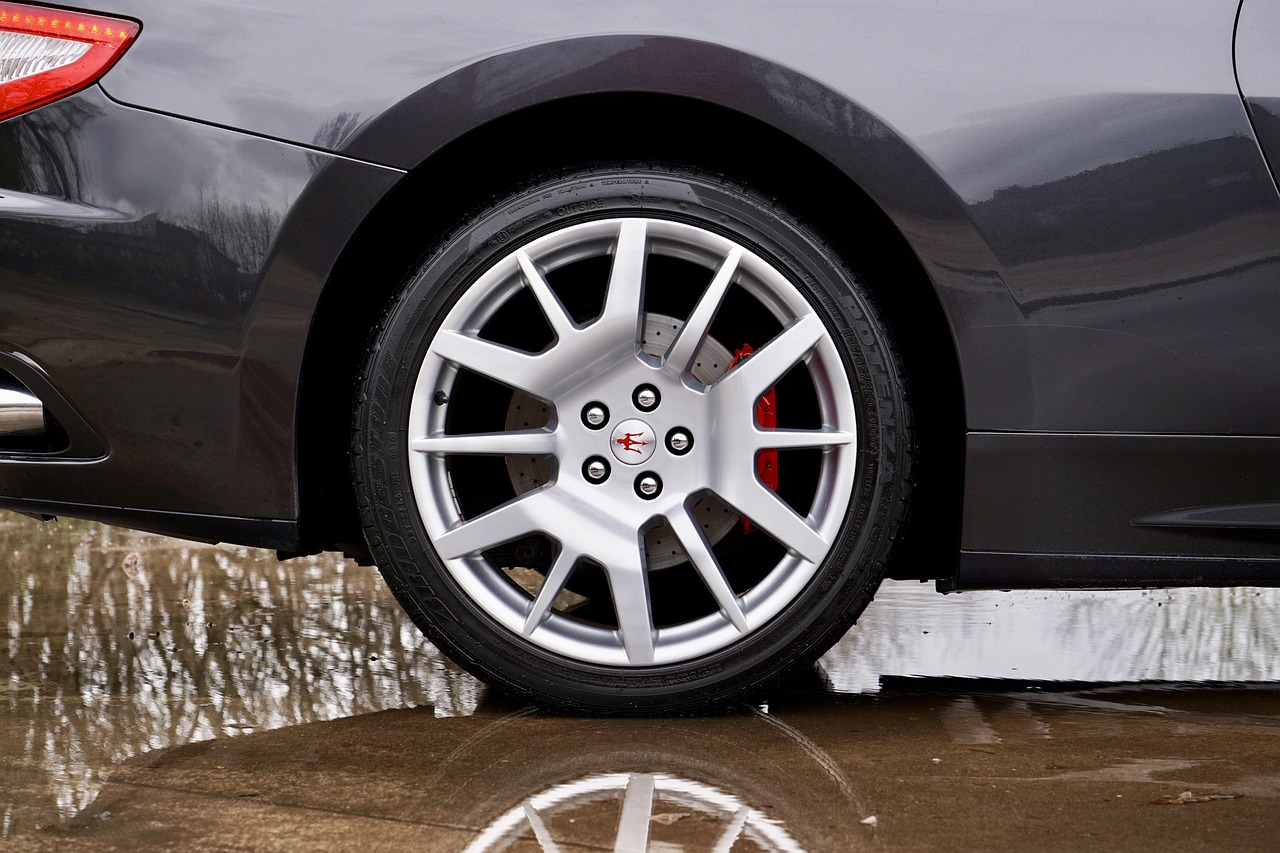
Worn shocks and struts can cause tires to bounce or skip on the road, leading to cupping, scalloping, or irregular wear.

Clunking may come from worn strut mounts, loose components, worn bushings, damaged shocks, or other suspension parts.
If your vehicle feels floaty, unstable, or difficult to keep straight at higher speeds, shocks and struts should be inspected.
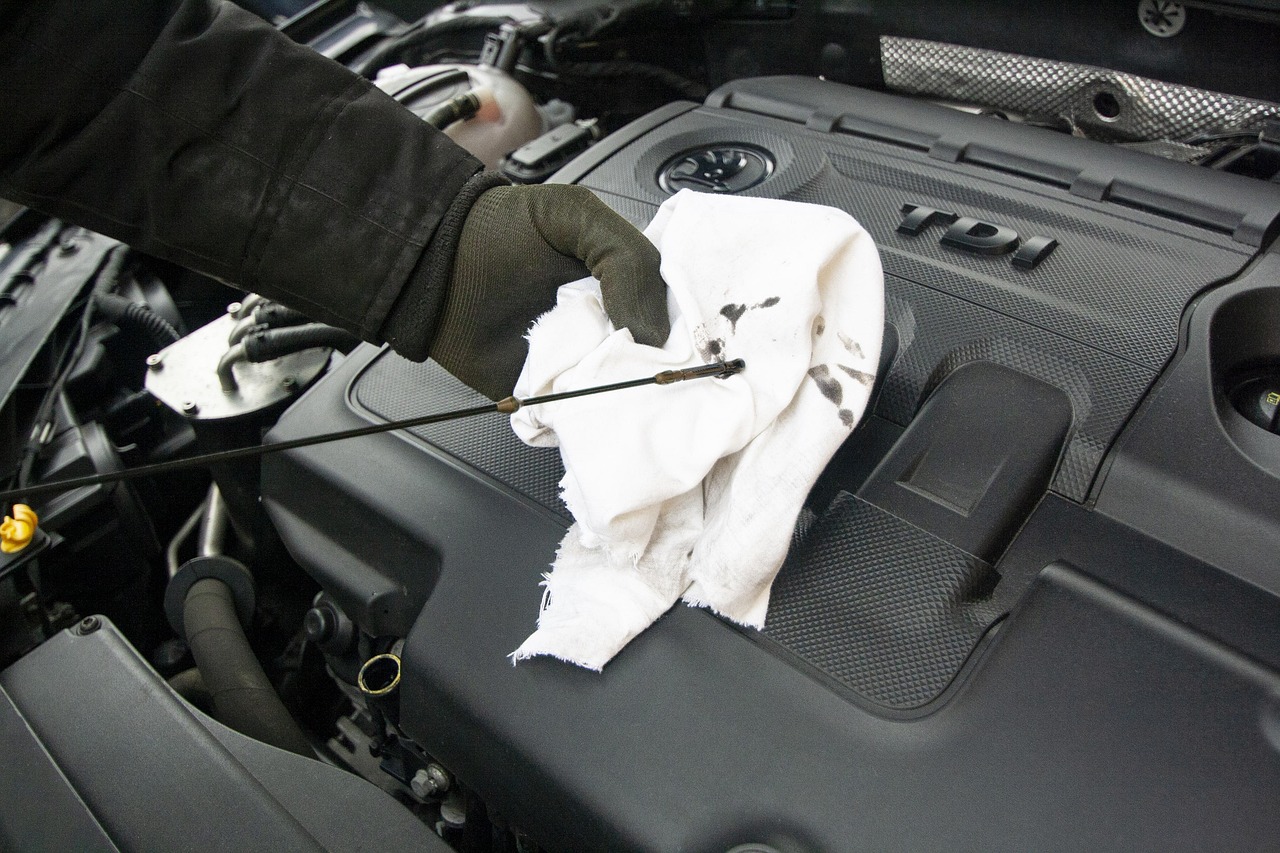
Some shocks and struts contain hydraulic fluid. Visible leaking can indicate wear or failure.
Shocks and struts are constantly working while you drive. They move every time your vehicle goes over bumps, turns, brakes, accelerates, or travels on uneven pavement. Common causes of wear include:
Shocks and struts naturally wear out over time from regular use.
Hard impacts can damage seals, mounts, internal components, and surrounding suspension parts.
Frequent driving on uneven pavement, construction zones, gravel roads, or damaged roads can accelerate wear.
Carrying heavy cargo or towing can place extra stress on suspension components.
Snow, slush, salt, ice, and potholes can contribute to wear, corrosion, and damage.
Hard braking, sharp turning, and fast driving over bumps can increase suspension stress.
Ontario road salt and moisture can contribute to rust on suspension components.
Bad mounts, bushings, springs, tires, or alignment issues can place extra stress on shocks and struts.
During a shock and strut inspection, our team checks visible and accessible components for signs of wear, leakage, damage, looseness, and poor performance.

A leaking shock or strut may indicate internal seal failure. If fluid is escaping, the component may not control movement properly.

We look for dents, bends, cracks, broken mounts, rust, or impact damage.

Strut mounts and shock mounts help secure the component to the vehicle. Worn mounts can cause clunking, popping, vibration, or poor ride quality.

Rust can weaken suspension components and make future service more difficult.
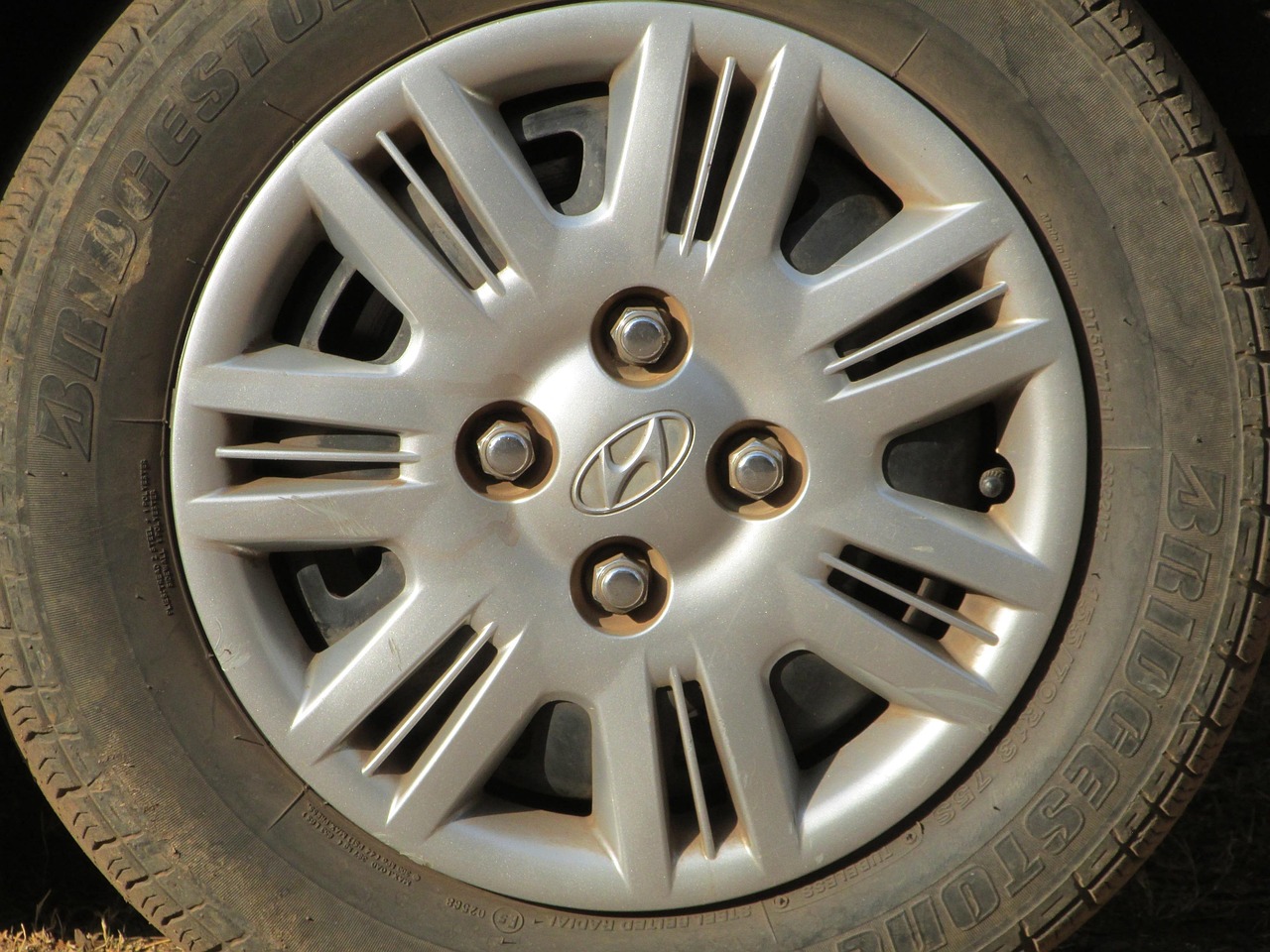
Tire wear patterns can reveal ride-control concerns. Cupping or scalloping may point to worn shocks, struts, or other suspension issues.
If one corner of the vehicle sits lower, it may indicate spring, strut, mount, or suspension damage.
Clunking, knocking, squeaking, or rattling may indicate worn struts, mounts, bushings, or related parts.
We review the symptoms you describe and compare them with visible findings.
Shocks and struts work with springs, control arms, ball joints, bushings, sway bar links, and tires. Related wear may also be noted.
A shock and strut inspection focuses specifically on the components that control ride movement and stability.
A suspension inspection is broader and may include:
If your main concern is bouncing, rough ride, nose-diving, or visible leaking, a shock and strut inspection is a good starting point. If the issue includes pulling, steering looseness, clunking, or uneven tire wear, a broader suspension and steering inspection may also be recommended.
Suspension InspectionThese services are different, but they are connected.
This checks the condition of ride-control components.
This adjusts the angles of the wheels so they meet the road correctly.
Worn struts can affect alignment and tire wear. If struts are replaced, a wheel alignment is often recommended afterward, depending on the vehicle and service performed. If the vehicle pulls, tires wear unevenly, or the steering wheel is off-centre, an alignment review may be needed in addition to shock and strut inspection.
Some symptoms may feel similar, but the causes are different.
If your vehicle vibrates, a tire and wheel review may be needed. If it bounces, floats, or feels unstable, shocks and struts should be checked.
Worn shocks and struts can cause tires to lose consistent contact with the road. This can create abnormal wear patterns. Common tire wear linked to worn shocks or struts:
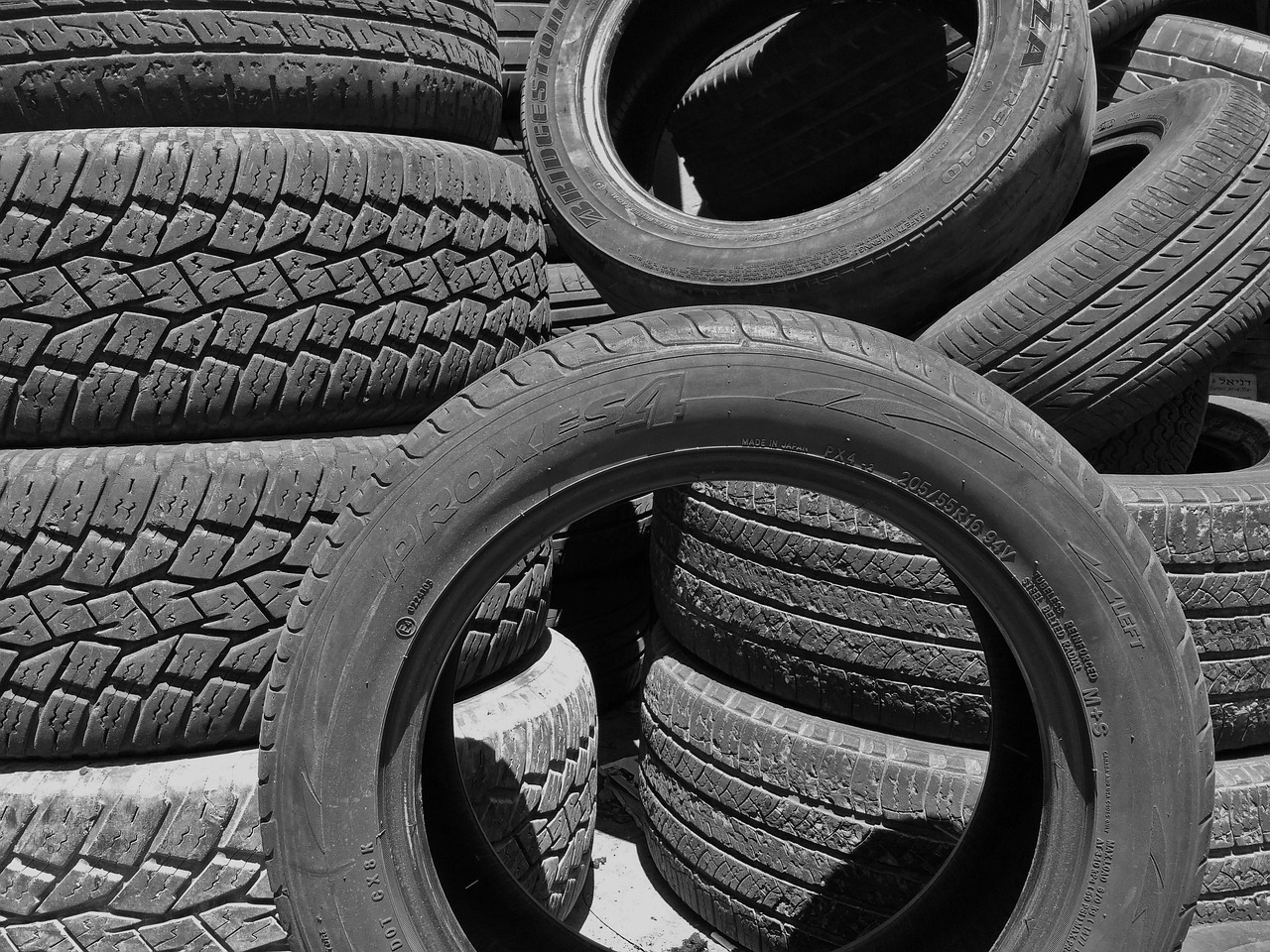


Replacing tires without correcting worn shocks or struts may lead to the same wear problem returning.
Your brakes need stable tire contact to work effectively. Worn shocks and struts can allow excessive weight transfer and tire movement during braking. This may cause:
Even if the brake system is healthy, worn ride-control components can affect how stable the vehicle feels when stopping.
Shocks and struts help keep the vehicle balanced and controlled. When they wear out, steering and handling can feel less precise. You may notice:
If your vehicle does not feel as controlled as it used to, shocks and struts may be part of the issue.
Ride comfort is one of the most noticeable areas affected by shocks and struts. Worn shocks and struts can cause:
A shock and strut inspection helps determine whether the rough ride is caused by worn ride-control parts or another suspension issue.
Potholes can cause immediate or gradual suspension damage. A hard impact may damage shocks, struts, mounts, springs, tires, wheels, or alignment. After hitting a pothole, schedule an inspection if you notice:
Scarborough and GTA roads can be hard on suspension systems, especially after winter.
Local road conditions can wear shocks and struts faster. Drivers in Scarborough and the Greater Toronto Area often deal with:
Because these conditions affect suspension performance, regular shock and strut inspections are especially valuable for vehicles driven year-round in Ontario.
Shocks and struts should be inspected regularly as part of overall vehicle maintenance. Good times to inspect them include:
Even if there is no obvious problem, inspection helps catch wear early.
Replacement may be recommended when a shock or strut is no longer performing properly or shows signs of failure. Replacement may be needed if:
Replacement recommendations should be based on actual condition, symptoms, and safety needs.
In many cases, shocks and struts are replaced in pairs on the same axle. For example, both front struts or both rear shocks may be replaced together.
This helps maintain balanced ride control from side to side.
Replacing only one worn shock or strut may create uneven handling or inconsistent ride quality, depending on the vehicle and condition of the other component.
A technician can recommend the best approach based on your vehicle.
At Valvoline Express Care Scarborough, a shock and strut inspection may include:
We ask what you have noticed, such as bouncing, rough ride, clunking, uneven tire wear, or instability.
We review when the concern happens: over bumps, during braking, while turning, at highway speed, or after hitting a pothole.
We inspect visible shocks, struts, mounts, and nearby suspension areas.
We look for hydraulic fluid leaks, dents, broken mounts, rust, or physical damage.
We check whether tire wear patterns suggest ride-control issues.
We look for related concerns that may be contributing to the symptoms.
We explain the condition of your shocks and struts in simple language.
If service is needed, we recommend the appropriate next step, such as shock replacement, strut replacement, mount service, alignment review, or further suspension diagnosis.
Before your appointment, it helps to notice:
You do not need to diagnose the issue yourself. These details help guide the inspection.
You may be able to drive with mildly worn shocks or struts, but it is not ideal. As wear gets worse, the vehicle may become less stable, less comfortable, and harder to control.
Because shocks and struts affect handling and tire contact, serious symptoms should not be ignored.
Ignoring worn shocks or struts can lead to:
A simple inspection can help catch the issue before it affects more parts of the vehicle.
Winter driving requires stable suspension and good tire contact. Snow, slush, ice, potholes, and road salt can make weak shocks and struts more noticeable. Before winter, a shock and strut inspection can help review:
Good ride control helps improve confidence in winter driving conditions.
Before a road trip, cottage drive, business trip, or long highway commute, it is smart to check shocks and struts if the vehicle feels unstable or rough. A pre-trip inspection can help identify:
This gives you better confidence before spending extended time on the road.
Older and high-mileage vehicles often have worn ride-control components. Shocks and struts can gradually weaken over time, making the vehicle feel less stable without a sudden failure. A shock and strut inspection is especially useful if:
Older vehicles should have shocks, struts, mounts, springs, and related suspension components reviewed regularly.
To help protect your shocks and struts:
Good suspension care helps protect comfort, control, and tire life.
Inspection can help identify why your vehicle feels rough, bouncy, or unstable.
Healthy shocks and struts help your vehicle respond more predictably.
Identifying worn shocks and struts early can help reduce uneven tire wear.
Good ride-control components help reduce nose-diving and improve stability during stops.
Leaks, damage, worn mounts, and related suspension issues can be found before they become larger problems.
You understand whether your vehicle’s ride-control system is in good condition or needs attention.
We understand how shocks and struts affect comfort, stability, braking, and tire contact.
We explain visible wear and ride-control concerns in simple, practical language.
We recommend service based on actual condition, symptoms, and vehicle needs.
We understand how GTA potholes, winter salt, traffic, and seasonal weather affect shocks and struts.
We can also help with tires, brakes, battery service, engine care, oil changes, fluids, lights, and general maintenance.
If your vehicle feels bouncy, unstable, noisy, or rough on the road, we can inspect your shocks and struts and provide clear, honest recommendations.