Suspension Movement
They allow the wheels to move up and down as the vehicle travels over bumps, potholes, speed bumps, and uneven roads.
Control arms help keep your wheels properly positioned while allowing your suspension to move smoothly over bumps, potholes, and uneven roads. When control arms or control arm bushings become worn, loose, bent, or damaged, your vehicle may clunk, pull, vibrate, wear tires unevenly, or feel unstable. At Valvoline Express Care Scarborough, we inspect visible control arm concerns and provide clear, honest recommendations to help keep your vehicle safe and road-ready.
A control arm inspection is a professional review of the control arms and related components in your vehicle’s suspension system. Control arms connect the wheel assembly to the vehicle’s frame or body structure. They allow the wheels to move up and down with the suspension while helping keep the wheels properly aligned and stable.
Control arms work closely with ball joints, bushings, shocks, struts, steering components, wheels, and tires. If a control arm is worn, bent, cracked, rusted, or has damaged bushings, your vehicle may not handle properly. You may notice clunking noises, uneven tire wear, pulling, vibration, poor alignment, or an unstable ride.
At Valvoline Express Care Scarborough, our control arm inspection helps identify visible wear, damage, looseness, bushing deterioration, ball joint concerns, and symptoms that may affect ride comfort, tire life, steering, and safety.
Control arms are important because they help hold the wheel in the correct position while allowing suspension movement. Every time your vehicle goes over a bump, turns, brakes, accelerates, or hits a pothole, the control arms help manage wheel movement and maintain stability.
A worn or damaged control arm can affect more than comfort. It can directly impact how safely your vehicle handles.
Control arms are suspension links that connect the vehicle body or frame to the wheel assembly. They allow controlled movement while helping keep the wheel aligned with the road. Control arms help with:
They allow the wheels to move up and down as the vehicle travels over bumps, potholes, speed bumps, and uneven roads.
They help hold the wheels in the proper position so the vehicle can steer, brake, and handle correctly.
Control arms help maintain suspension geometry. Worn or damaged control arms can make it difficult for the vehicle to hold proper alignment.
Healthy control arms and bushings help absorb road impact and reduce harsh vibration.
Control arms work with ball joints and steering components to keep the vehicle stable and predictable.
When control arms are in good condition, tires are more likely to wear evenly and last longer.
Some vehicles have both upper and lower control arms, while others may only have lower control arms depending on the suspension design.
Upper control arms are often found on certain suspension designs, such as double wishbone or multi-link suspension systems.
They help guide wheel movement and maintain suspension geometry.
Lower control arms are very common and often carry significant suspension load.
Lower control arms may support major suspension movement and connect to important components such as ball joints, bushings, and sometimes the sway bar link.

Control arm bushings are rubber or synthetic parts that cushion movement between the control arm and the vehicle frame.
Why They Matter: Worn bushings can cause clunking, vibration, loose handling, uneven tire wear, and alignment issues.

Ball joints often connect the control arm to the steering knuckle.
Why They Matter: Worn ball joints can cause clunking, loose steering, uneven tire wear, and serious safety concerns.

The steering knuckle connects the wheel hub, suspension, and steering components.
Why It Matters: The control arm helps guide the knuckle’s movement so the wheel stays properly positioned.
On some vehicles, sway bar links may connect near or to the control arm.
Why They Matter: Worn sway bar links can cause clunking noises and affect cornering stability.

Shocks and struts work with control arms to manage ride movement and road impact.
Why They Matter: Worn shocks or struts can place additional stress on suspension components, including control arms and bushings.
You should schedule a control arm inspection if you notice any of the following:
Control arm problems often start with small noises or uneven tire wear. Early inspection can help prevent bigger suspension and tire issues.

A clunking or knocking sound over bumps is one of the most common signs of control arm or control arm bushing wear. The sound may come from the front suspension area and may become louder over time.
If the control arm bushings or ball joint are worn, the wheel may move more than it should. This can make the vehicle feel loose, unstable, or less predictable.
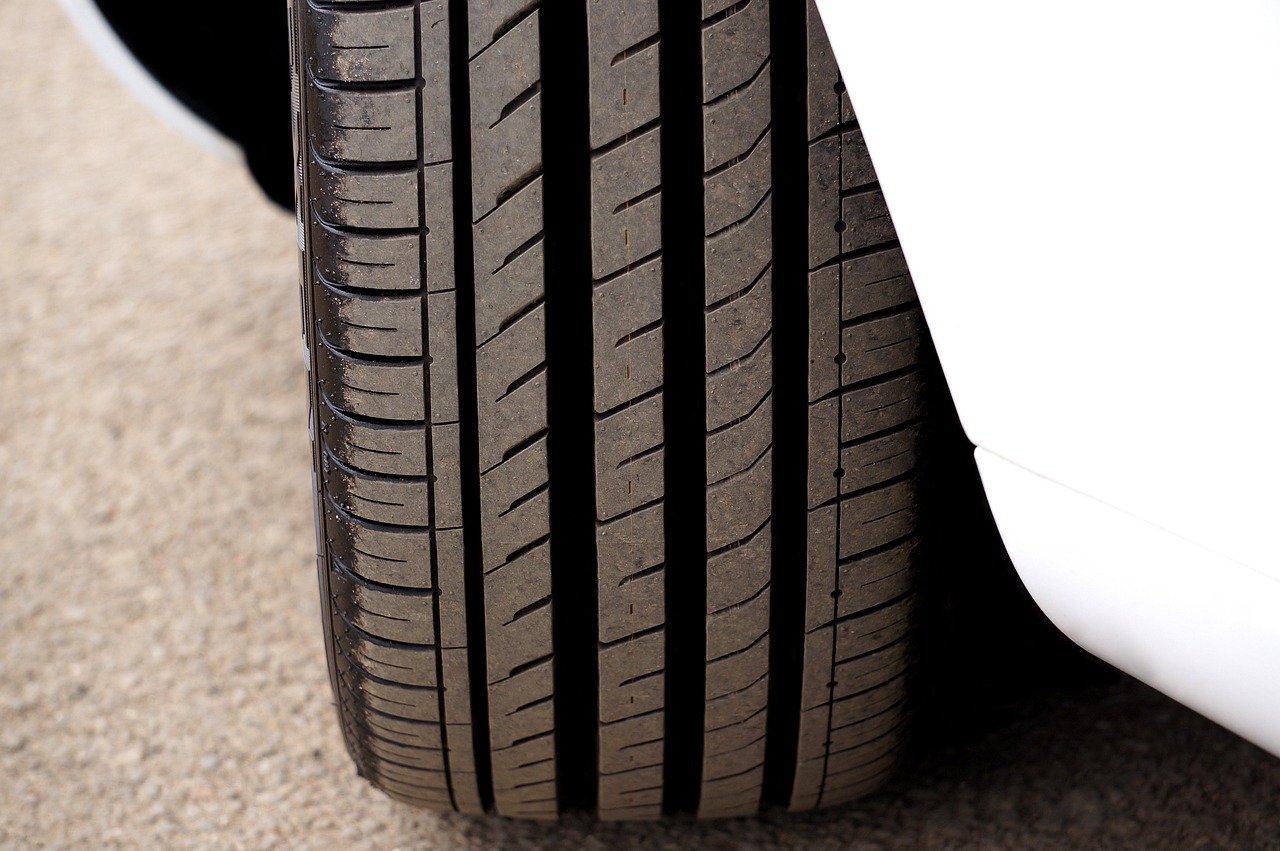
A damaged or worn control arm can affect wheel alignment, causing the vehicle to pull left or right.
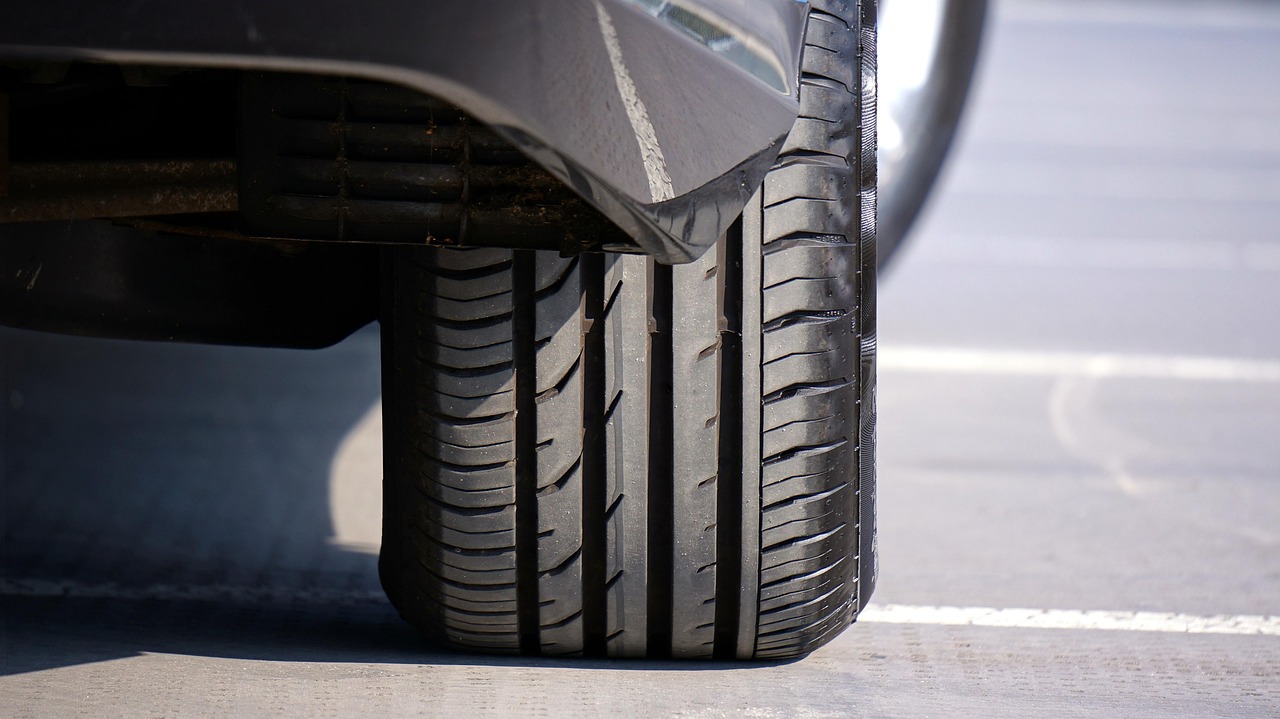
If the control arm cannot hold the wheel in the correct position, tires may wear unevenly, especially on the inner or outer edges.
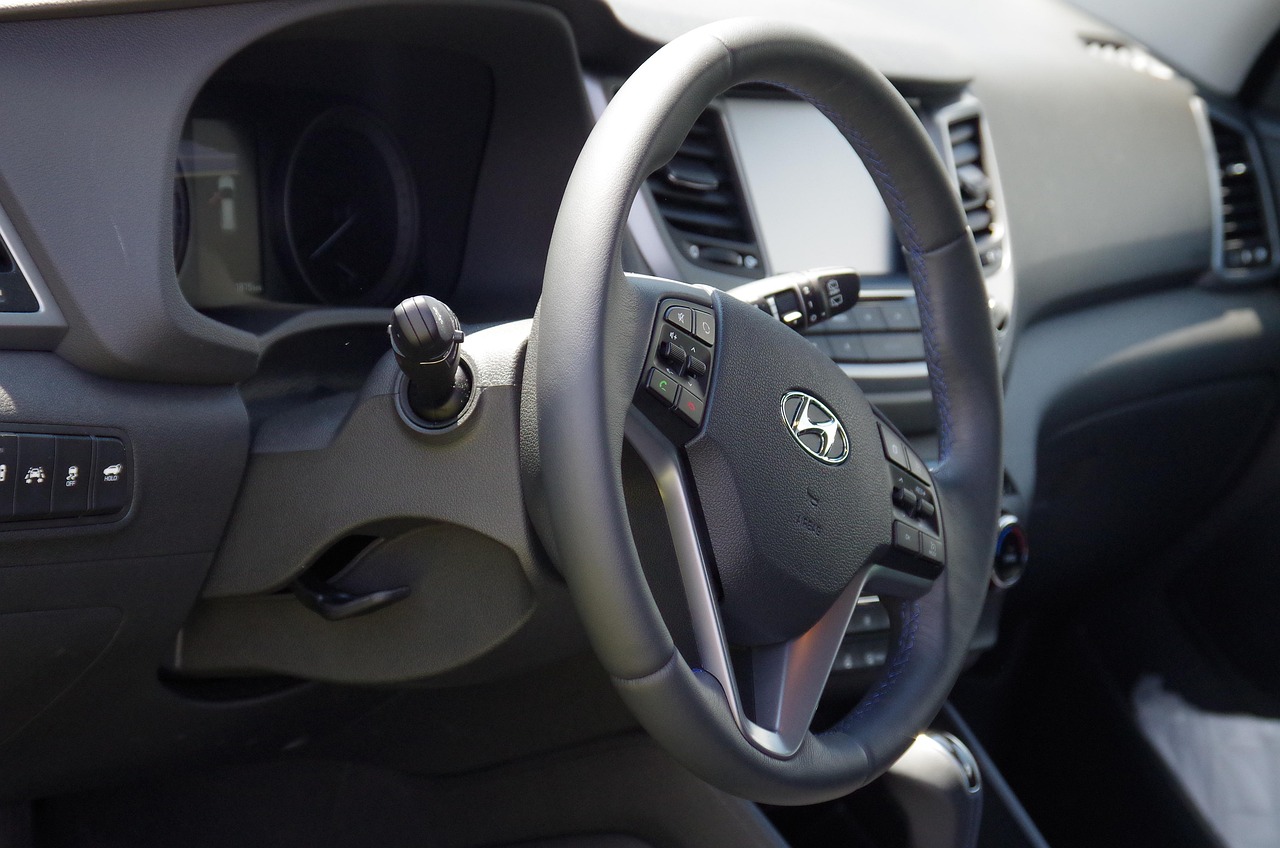
Control arm wear can contribute to vibration through the steering wheel, especially when combined with tire, wheel, alignment, or suspension issues.

Worn bushings can squeak or creak when the suspension moves. This may be more noticeable over speed bumps or during turns.

If the vehicle alignment keeps going out of adjustment, worn control arms, bushings, or ball joints may be part of the problem.
Damaged bushings may allow more road impact and vibration to transfer into the cabin, making the ride feel rougher.
Control arms are built to handle daily road stress, but they can wear or become damaged over time. Common causes include:
Control arms and bushings naturally wear as the vehicle gets older.
The rubber bushings can crack, dry out, split, or separate, creating looseness and noise.
A hard pothole hit can bend a control arm or damage bushings and ball joints.
Hitting a curb can shift suspension geometry and damage the control arm or related parts.
Ontario road salt can contribute to rust, especially on older vehicles.
Construction zones, uneven pavement, gravel roads, and speed bumps can increase suspension wear.
Even a minor impact can bend a control arm or affect alignment.
Carrying heavy cargo or towing can place additional stress on suspension components.
Bad shocks, struts, ball joints, tie rods, or sway bar links can place extra stress on control arms.
During a control arm inspection, our team reviews visible and accessible suspension areas for signs of wear, damage, looseness, or failure.

Control arm bushings are checked for visible cracks, separation, dryness, or deterioration.

A worn control arm or bushing may allow too much movement, affecting alignment and handling.
A control arm can bend from potholes, curbs, collisions, or road impact.

Heavy corrosion can weaken suspension components or make service more difficult.
If the ball joint is attached to the control arm, it should be checked for looseness, torn boots, or visible wear.

Control arm mounting areas are reviewed for damage, looseness, or visible concerns.
We compare clunking, squeaking, knocking, or popping symptoms with visible component condition.
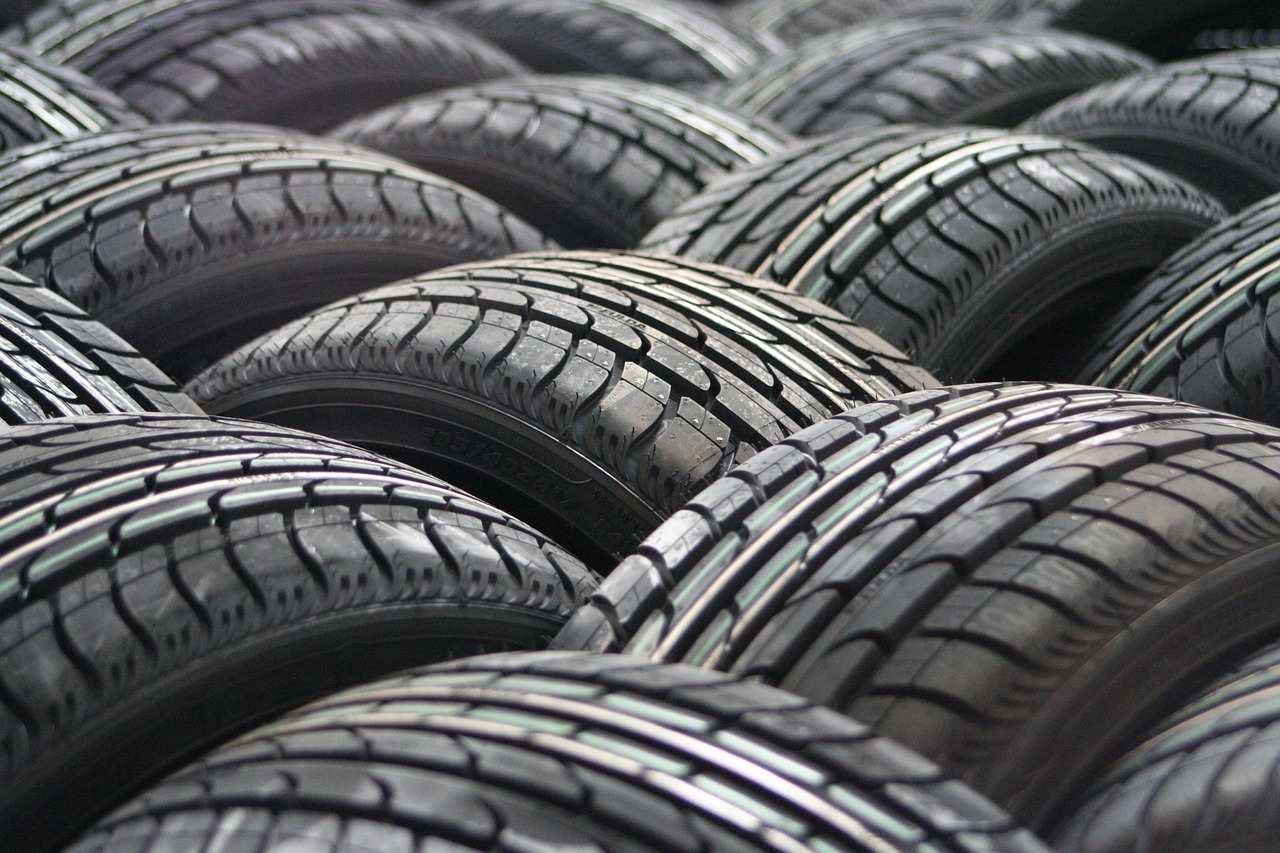
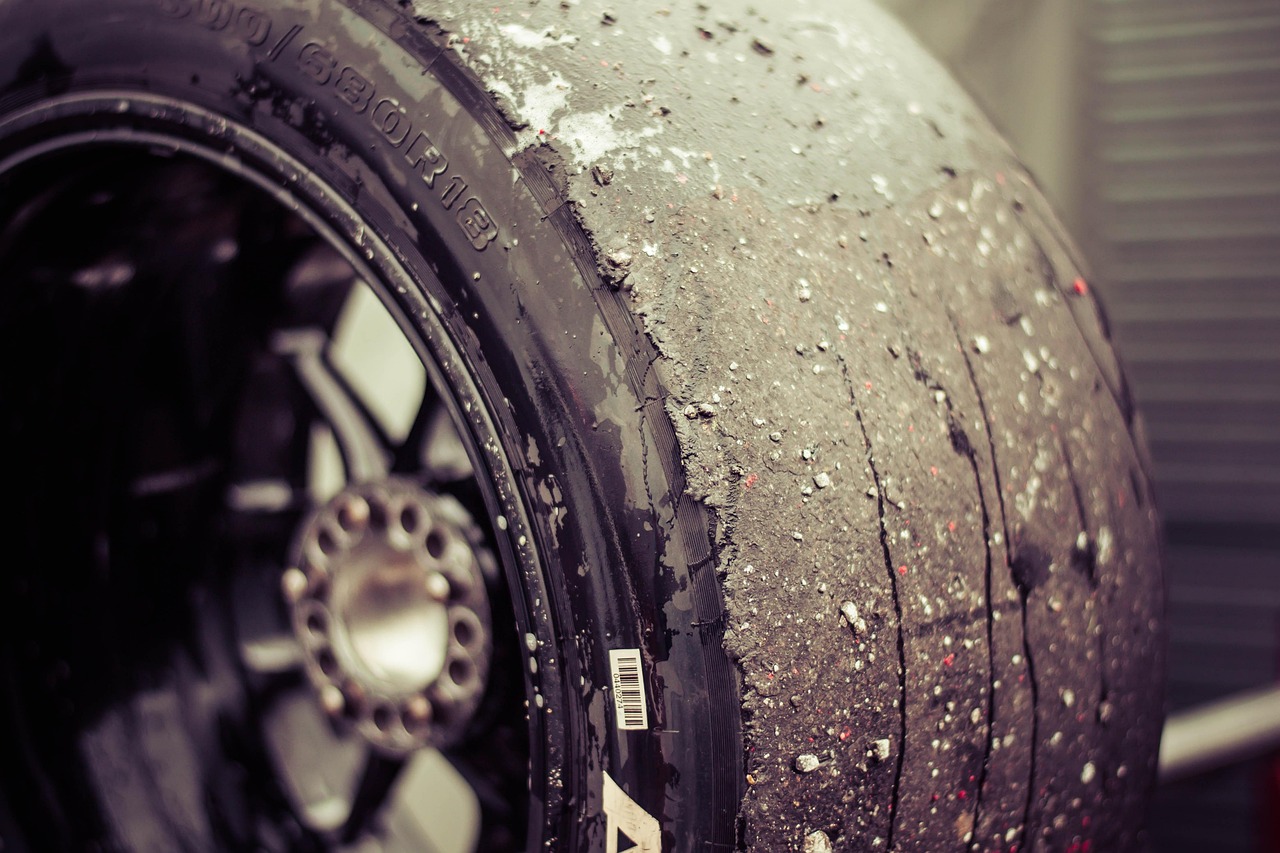
Uneven tire wear may indicate control arm, bushing, alignment, ball joint, or steering concerns.
If symptoms started after a pothole or curb hit, we look for visible signs of impact-related damage.
Control arm bushings are often the first part of the control arm assembly to wear out. These bushings are designed to absorb vibration and allow controlled movement.
When bushings wear out, the control arm may move too much. This can cause noise, poor handling, vibration, and tire wear.
In some vehicles, bushings can be replaced separately. In other vehicles, the full control arm may need replacement.
Control arms and ball joints are closely connected, but they are not the same.
This checks the control arm structure, bushings, mounting points, damage, rust, and related suspension condition.
This checks the pivot joint that connects the control arm to the steering knuckle and allows steering and suspension movement.
On some vehicles, the ball joint is built into the control arm. If the ball joint is worn, the control arm assembly may need to be replaced.
Ball Joint InspectionA control arm inspection focuses specifically on the control arm and related components.
A full suspension inspection is broader and may include:
If your symptoms include clunking, pulling, uneven tire wear, rough ride, or loose steering, a broader suspension and steering inspection may be recommended.
Suspension InspectionControl arm inspection and wheel alignment are connected, but they are different services.
Checks for worn, loose, bent, or damaged control arm components.
Adjusts wheel angles so the tires meet the road correctly.
If a control arm or bushing is worn, an alignment may not hold properly. The wheels may shift because the suspension parts are loose or damaged. Worn control arms should usually be addressed before alignment service.
Control arm problems can change wheel position and alignment angles, causing tires to wear unevenly. Tire wear signs may include:
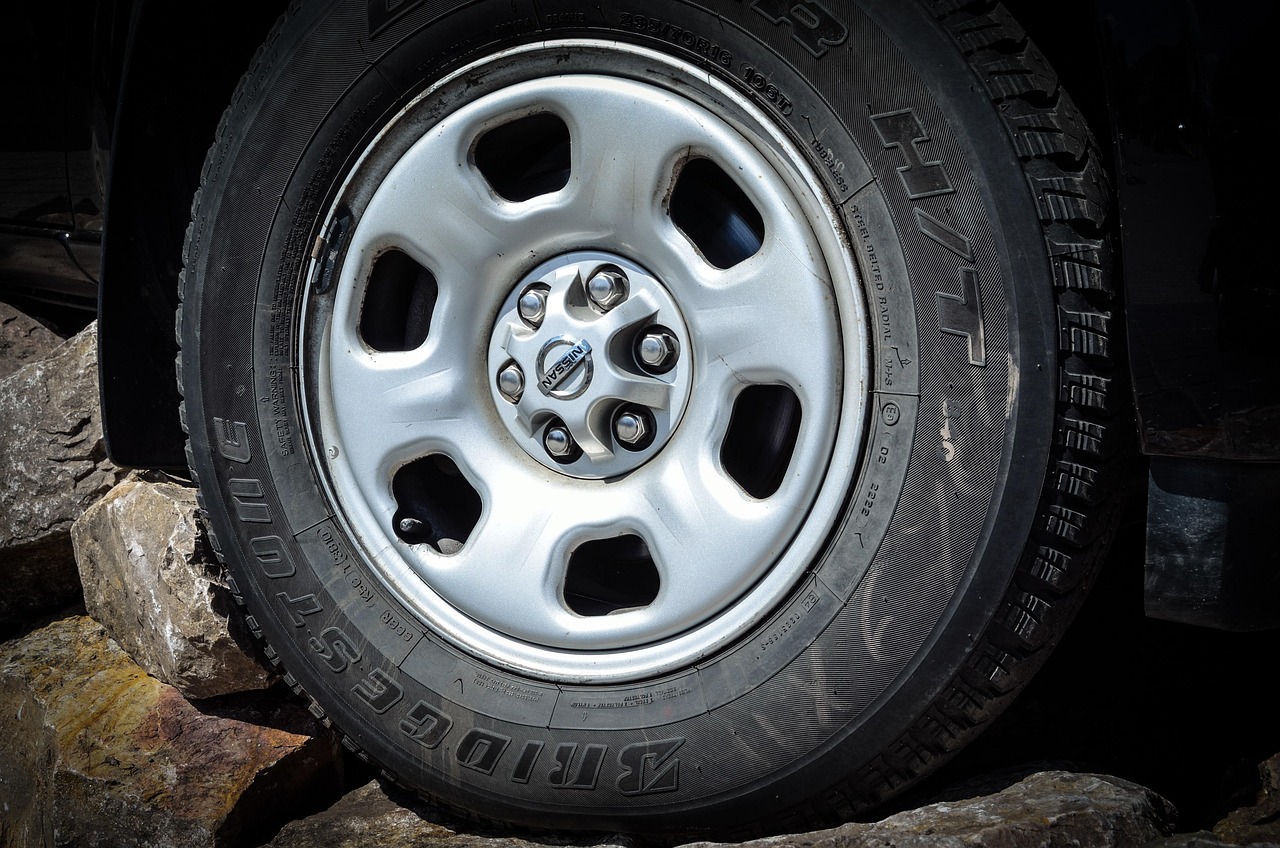
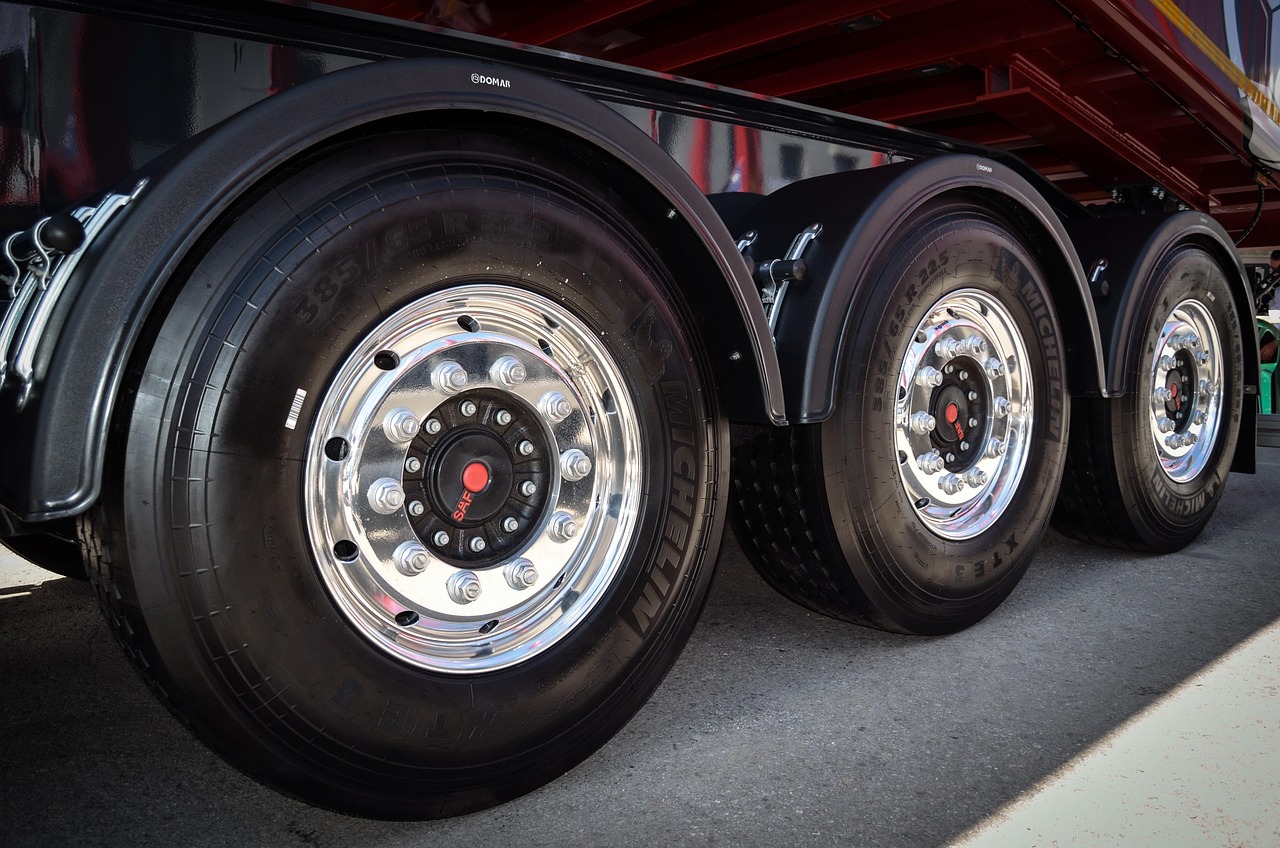
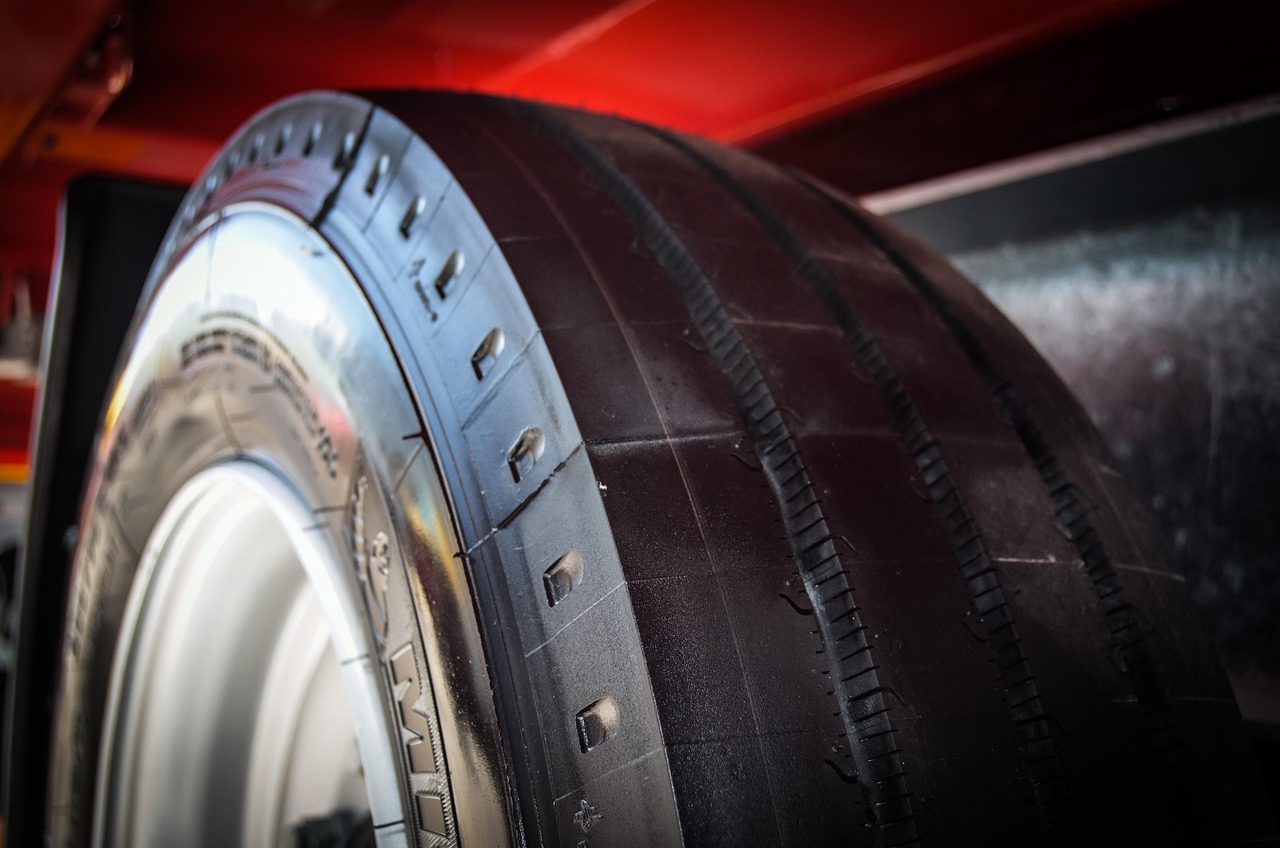

If tire wear continues after alignment or rotation, the suspension should be inspected.
Control arms help keep the wheels properly positioned. If they are worn, loose, or bent, steering may feel less stable. You may notice:
Because control arms affect wheel position, steering symptoms should be taken seriously.
Control arms help stabilize the wheel during braking. If a control arm or bushing is worn, the wheel may shift slightly when brakes are applied. This can cause:
If your vehicle feels unstable when braking, suspension and brake components should both be checked.
Control arm bushings help absorb vibration and impact. When they wear out, more road vibration can enter the cabin. You may notice:
A control arm inspection can help determine whether worn bushings or control arm damage are affecting ride comfort.
Potholes are one of the most common causes of suspension damage in Ontario. A hard impact can bend a control arm, damage bushings, affect ball joints, or change alignment. After hitting a pothole, schedule a control arm or suspension inspection if you notice:
Pothole damage should be checked early to prevent additional tire, wheel, and suspension problems.
Scarborough and Greater Toronto Area roads can be demanding on suspension systems. Control arms and bushings are exposed to constant movement, vibration, salt, and impact. Local conditions that can affect control arms include:
Because of these conditions, regular control arm inspections are important for vehicles driven year-round in Ontario.
Control arms should be inspected when symptoms appear or during routine suspension service. Good times to inspect control arms include:
Early inspection helps prevent unnecessary tire wear and larger suspension repairs.
Control arm replacement may be recommended if the control arm is worn, bent, cracked, rusted, or has failed bushings or ball joints. Replacement may be needed if:
The exact repair depends on your vehicle design. Some vehicles allow bushing or ball joint replacement separately, while others require control arm assembly replacement.
In some cases, control arms may be replaced in pairs, especially if both sides have similar wear, age, or mileage.
The recommendation should always be based on inspection results and vehicle condition.
Driving with a worn or damaged control arm can be risky. Mild bushing wear may allow short-term driving, but serious control arm damage can affect steering, alignment, braking, and safety.
Because control arms help hold the wheels in position, serious wear or damage should be repaired promptly.
Ignoring control arm problems can lead to:
A control arm inspection can help prevent a small issue from becoming a larger safety or repair problem.
At Valvoline Express Care Scarborough, a control arm inspection may include:

We ask what symptoms you have noticed, such as clunking, pulling, vibration, uneven tire wear, or loose steering.
We review when the issue happens: over bumps, while turning, during braking, at highway speed, or after hitting a pothole or curb.
We inspect visible suspension and steering areas, including control arms and related components where accessible.
We look for bent arms, cracked bushings, torn rubber, looseness, rust, or impact damage.
We check tire wear patterns that may point to control arm, alignment, ball joint, or steering concerns.
We review related parts such as ball joints, tie rods, shocks, struts, sway bar links, and wheel areas where applicable.
We explain the condition of the control arms in simple language.
If service is needed, we recommend the correct next step, such as control arm replacement, bushing service, ball joint service, alignment review, suspension repair, or further diagnosis.
Before your appointment, it helps to notice:
You do not need to diagnose the issue yourself. These details help guide the inspection.
Winter driving can make worn control arms and bushings more noticeable. Snow, slush, potholes, ice, salt, and cold temperatures can place extra stress on suspension parts. Before winter, a control arm inspection can help review:
A stable suspension system helps improve confidence during winter driving.
Before a long road trip, cottage drive, business commute, or highway travel, control arm concerns should be checked. A pre-trip control arm inspection can help identify:
This gives you better confidence before spending extended time on the road.
Older and high-mileage vehicles may be more likely to have worn control arm bushings, rust, ball joint wear, or loose suspension components. A control arm inspection is especially useful if:
Regular inspections help protect older vehicles from unexpected suspension problems.
To help protect control arms and related suspension components:
Good suspension maintenance helps protect safety, tire life, and vehicle control.
A control arm inspection can help identify worn or damaged parts that affect handling.
Healthy control arms help keep the wheels properly positioned for better steering response.
Finding control arm problems early can help reduce uneven tire wear.
Control arms and bushings help the vehicle maintain proper alignment.
Inspection can help identify clunking, knocking, squeaking, or popping from worn control arm components.
You know whether your control arms appear safe, worn, or in need of service.
We understand that control arms affect steering, suspension stability, tire wear, and wheel control.
We explain control arm concerns in simple, practical language.
We recommend service based on actual condition, symptoms, and safety needs.
We understand how GTA potholes, road salt, winter conditions, traffic, and rough roads affect suspension components.
We can also help with suspension inspections, steering checks, tires, brakes, battery service, engine care, oil changes, fluids, lights, and general maintenance.
We inspect visible control arm concerns and provide clear, honest recommendations to help keep your vehicle safe and road-ready.