Engine Creates Heat
The engine creates heat while running.
Your radiator plays a major role in keeping your engine at a safe operating temperature. If your temperature gauge is rising, coolant level is dropping, you see a leak, or your vehicle overheats in traffic, Valvoline Express Care Scarborough can inspect your radiator and cooling system and provide clear, honest recommendations.
A radiator check is a professional inspection of the radiator and related cooling system components to help determine whether your vehicle is cooling properly. The radiator helps remove heat from the engine coolant so your engine does not overheat.
As your engine runs, it creates a large amount of heat. Coolant absorbs that heat and carries it to the radiator. The radiator then releases heat into the air before the coolant returns to the engine. If the radiator is leaking, clogged, corroded, damaged, blocked, or not receiving proper airflow, your engine may run too hot.
At Valvoline Express Care Scarborough, our radiator check helps identify visible radiator damage, coolant leaks, overheating symptoms, low coolant concerns, hose issues, fan concerns, and other possible cooling system problems.
Your radiator is one of the most important parts of the engine cooling system. Without a properly working radiator, your engine can overheat, which may lead to serious and expensive damage.
A radiator issue should never be ignored because overheating can damage major engine components quickly.
The radiator is designed to remove heat from coolant. Coolant flows through the engine, absorbs heat, and then travels to the radiator. Inside the radiator, the coolant passes through small tubes and fins. Air flows across the radiator to remove heat from the coolant. The basic cooling process works like this:
The engine creates heat while running.
Coolant absorbs heat from the engine.
The water pump circulates hot coolant to the radiator.
The radiator releases heat into the outside air.
Cooling fans help pull air through the radiator when needed.
The cooled coolant returns to the engine.
The cycle continues while the engine runs.
If any part of this process is interrupted, the engine may overheat.

The radiator core contains small passages where hot coolant flows and heat is released.
Why It Matters: If the radiator core is clogged, blocked, corroded, or damaged, coolant may not cool properly.
Radiator fins help transfer heat from the coolant to the outside air.
Why They Matter: Bent, blocked, dirty, or damaged fins can reduce cooling performance.
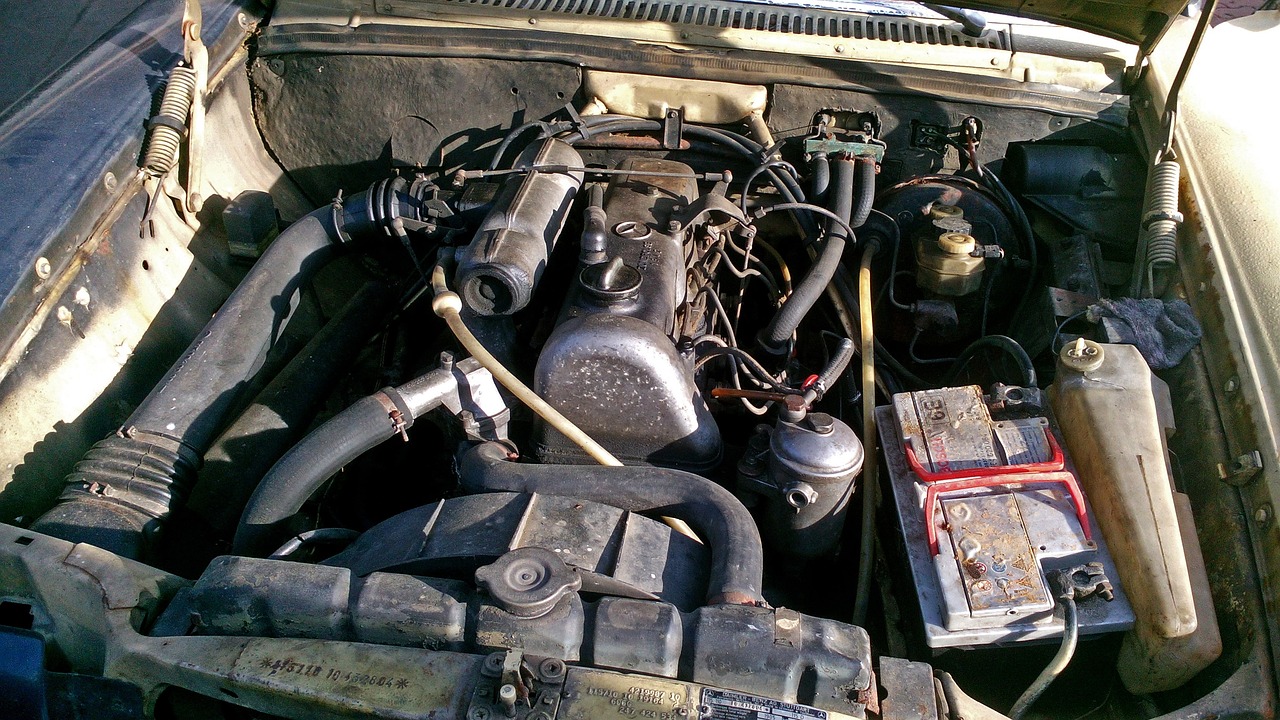
The radiator cap helps maintain proper cooling system pressure.
Why It Matters: A faulty cap can cause coolant loss, overheating, pressure problems, or coolant boiling.
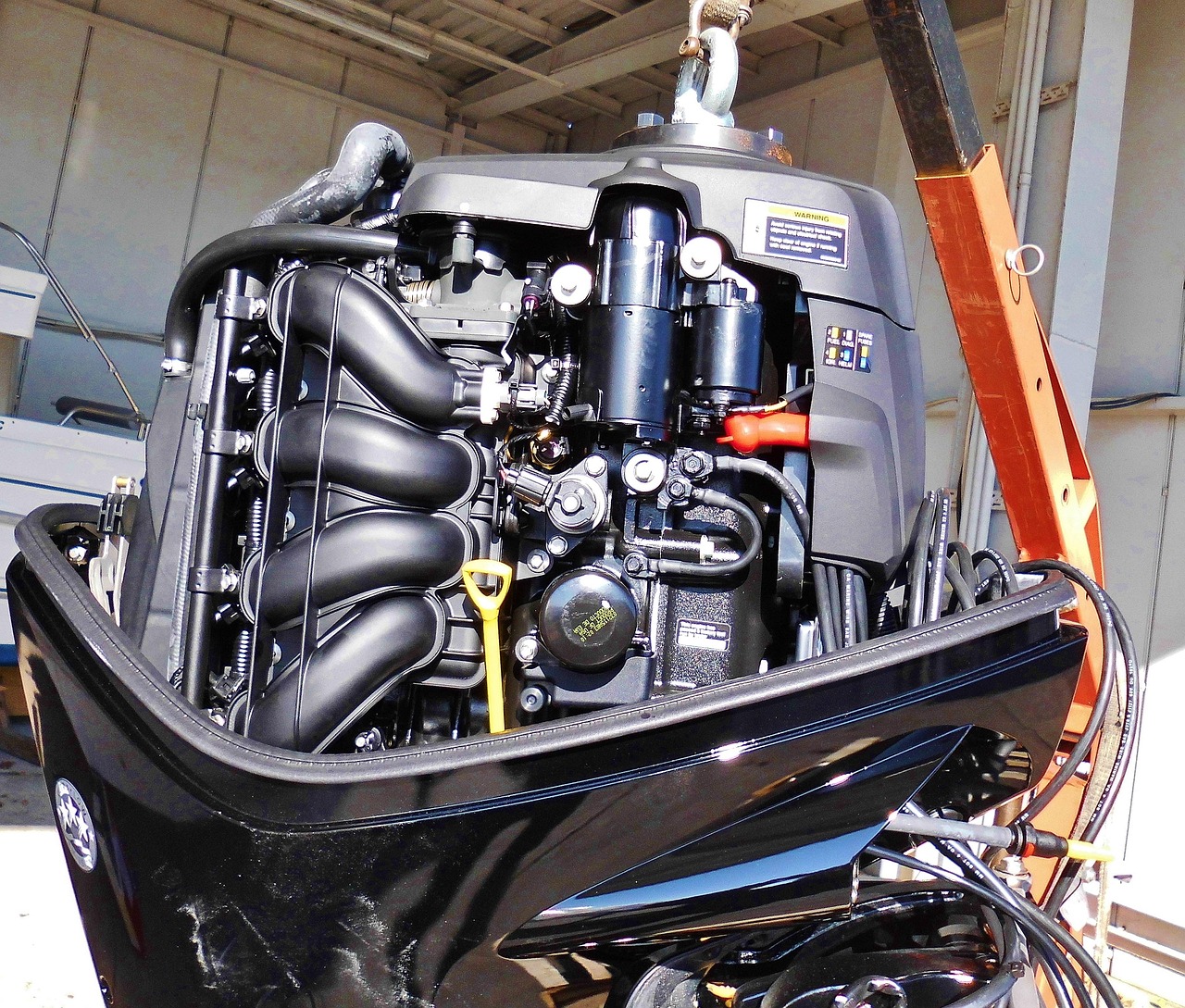
The coolant reservoir holds extra coolant and allows expansion and contraction as the system heats and cools.
Why It Matters: A cracked reservoir, low coolant level, or leaking hose can affect cooling system performance.

Radiator hoses carry coolant between the engine and radiator.
Why They Matter: Cracked, swollen, soft, leaking, or collapsed hoses can cause coolant loss and overheating.
The thermostat controls coolant flow between the engine and radiator.
Why It Matters: A stuck thermostat can cause overheating, slow warm-up, weak heat, or unstable temperature readings.
The water pump circulates coolant through the engine, radiator, and heater core.
Why It Matters: If the water pump is weak or leaking, coolant may not circulate properly.
Cooling fans help move air through the radiator when the vehicle is stopped or moving slowly.
Why They Matter: If the cooling fans do not work, the vehicle may overheat in traffic or while idling.
Coolant helps transfer heat, protect against freezing, prevent corrosion, and maintain proper engine temperature.
Why It Matters: Low, dirty, old, or incorrect coolant can reduce cooling system performance and increase the risk of overheating.
You should schedule a radiator check if you notice:
Cooling system issues can become serious quickly. If your vehicle is overheating, do not continue driving.
A radiator leak can cause coolant loss and overheating. Leaks may happen from cracks, corrosion, damaged seams, loose fittings, or impact damage.
Over time, rust, debris, scale, old coolant, or contamination can restrict coolant flow inside the radiator.
The radiator fins help release heat. If they are bent, blocked, or damaged, airflow may be reduced.

Radiators can corrode over time, especially if coolant is old, contaminated, or incorrect.
The radiator cap helps maintain proper system pressure. If it fails, coolant may boil, overflow, or escape.
The radiator needs airflow to release heat. Leaves, dirt, debris, bent fins, or front-end damage can reduce airflow.
Not every overheating issue is caused by the radiator. The cooling system has many connected parts. Other possible causes include:
A radiator check helps determine whether the radiator is the likely cause or whether another cooling system component needs attention.
Radiator leaks can happen for several reasons. Common causes include:
Even small leaks can become serious because coolant loss can lead to overheating.
A coolant level check is important, but it does not replace a full radiator check.
This confirms whether the coolant level is low or within the proper range.
This reviews the radiator, visible leaks, hose condition, cooling performance symptoms, radiator cap concerns, airflow issues, and related cooling system signs.
If your coolant is low, the next question is why it is low. A radiator check helps identify possible causes.
A radiator check and coolant flush are different services.
A radiator check looks for leaks, damage, corrosion, overheating signs, airflow problems, and visible cooling system concerns.
A coolant flush or coolant service removes old coolant and replaces it with fresh coolant that meets your vehicle’s requirements.
A radiator check may lead to a coolant service recommendation if coolant condition is poor.
The radiator and thermostat work together, but they do different jobs.
The radiator removes heat from coolant.
The thermostat controls when coolant flows between the engine and radiator.
If the radiator looks fine but temperature is still abnormal, thermostat review may be needed.
The radiator needs airflow to cool properly. When driving at speed, natural airflow passes through the radiator. When stopped or moving slowly, cooling fans help pull air through the radiator.
If overheating happens mostly in traffic or at idle, the cooling fan system should be reviewed.
Your heater depends on the cooling system. If coolant is low or not circulating properly, the heater may blow cold air. Radiator or cooling system problems may cause:
A heater problem can sometimes be an early sign of low coolant or cooling system trouble.
Heating System CheckCoolant can come in different colours depending on the vehicle and coolant type. It may appear:
Coolant colour alone does not confirm the correct coolant type. The correct coolant should match the vehicle manufacturer’s requirements.
If you see coloured fluid under the vehicle or smell something sweet near the engine, schedule a cooling system check.
Driving with a radiator leak is risky. A small leak can quickly become a larger leak, and coolant loss can cause overheating.
If the engine overheats, pull over safely, turn it off, and allow it to cool. Continuing to drive can cause serious engine damage.
Ignoring radiator issues can lead to:
Radiator problems should be checked early because overheating can become expensive very quickly.
Scarborough and Greater Toronto Area driving can be demanding on cooling systems. Local conditions include hot summer traffic, cold winters, road salt, potholes, construction zones, and stop-and-go driving. These conditions can affect radiators through:
Regular radiator checks are especially useful for vehicles driven year-round in Ontario.
Before summer, your radiator should be ready to handle hot weather and traffic. Cooling system problems often become noticeable during the first heat wave. A pre-summer radiator check may include:
A healthy radiator helps protect your engine when temperatures rise.
The radiator and coolant system are also important in winter. Coolant helps protect against freezing and corrosion while also supporting cabin heat. A pre-winter radiator check may include:
Proper coolant and radiator condition help support both engine protection and winter comfort.
Before a road trip, cottage drive, family visit, or long commute, radiator concerns should be checked. Long drives and highway speeds can place steady demand on the cooling system. A pre-trip radiator check can help identify:
It is better to find cooling system problems before travelling than deal with overheating on the road.
Older and high-mileage vehicles are more likely to experience radiator and cooling system issues due to age, corrosion, old hoses, worn seals, and coolant history. A radiator check is especially useful if:
Regular checks help keep older vehicles more reliable.
Adding coolant may temporarily raise the level, but it does not fix the reason coolant is low. If the system has a leak, the coolant level may drop again.
You should not rely on adding coolant repeatedly without inspection.
If coolant keeps dropping, schedule a cooling system check.
At Valvoline Express Care Scarborough, a radiator check may include:
We ask what you noticed, such as overheating, coolant leaks, temperature warning lights, sweet smells, weak heat, or coolant level dropping.
We check visible coolant level where applicable and look for signs of coolant loss.
We inspect the radiator for visible leaks, corrosion, stains, damage, and airflow concerns.
We inspect visible hoses and the coolant reservoir for cracks, swelling, leaks, or deterioration.
We review whether the issue may involve the radiator, thermostat, water pump, cooling fans, coolant, or another cooling system part.
We explain the visible findings and what they may mean in simple terms.
If service is needed, we recommend the next step, such as coolant service, hose replacement, leak repair, radiator service, thermostat check, cooling fan review, or further diagnostics.
Radiator service may be recommended if:
The correct service depends on the cause of the cooling problem.
Radiator replacement may be recommended if the radiator can no longer safely or effectively cool the engine. Replacement may be needed if:
A professional inspection helps determine whether repair or replacement is the safer option.
Before your appointment, it helps to notice:
You do not need to diagnose the problem yourself. These details help guide the inspection.
To help protect your radiator and cooling system:
Good radiator maintenance helps protect your engine and reduce breakdown risk.
A radiator check helps identify issues that may lead to overheating.
Small coolant leaks can be found before they become major problems.
A healthy radiator helps protect the engine during hot weather and traffic.
Proper coolant and radiator condition help protect against freezing and support cabin heat.
Early inspection can help prevent overheating-related damage.
You understand whether the radiator appears healthy or needs attention.
We understand that radiator problems can lead to serious engine damage if ignored.
We explain radiator and cooling system concerns in simple, practical language.
We recommend service based on visible condition, symptoms, and safety needs.
We understand how Ontario heat, winter salt, traffic, potholes, and seasonal changes affect radiators and cooling systems.
We can also help with coolant checks, hose inspections, thermostat concerns, heater checks, A/C checks, cabin air filter replacement, oil changes, brakes, tires, batteries, and general maintenance.
We inspect your radiator and cooling system and provide clear, honest recommendations to help prevent overheating and protect your engine.