
Noise & Vibration Diagnosis

Professional Noise & Vibration Diagnosis for a Smoother, Safer, More Comfortable Drive

Unusual noises, shaking, vibration, clunking, humming, grinding, or rattling can be signs that something in your vehicle needs attention. These symptoms may come from tires, wheels, suspension, steering, brakes, wheel bearings, engine components, or drivetrain parts. At Valvoline Express Care Scarborough, we help identify the likely source of vehicle noise and vibration and provide clear, honest recommendations to help keep your vehicle safe and road-ready.

The Service

What Is Noise & Vibration Diagnosis?

Noise and vibration diagnosis is the process of inspecting your vehicle to determine why it is making unusual sounds, shaking, vibrating, pulling, rattling, humming, or feeling rough while driving.

Vehicle noise and vibration can come from many different areas. A clunk over bumps may point to suspension wear. A vibration at highway speeds may be related to tire balance or wheel issues. A grinding sound may come from brakes, wheel bearings, or another moving component. A humming sound may be caused by tires or wheel bearings. Because many symptoms can feel similar, proper inspection is important.

At Valvoline Express Care Scarborough, our noise and vibration diagnosis service helps review your symptoms, inspect visible components, identify possible causes, and recommend the next step clearly.

Noise and vibration diagnosis
Why noise and vibration matter
Why It Matters

Why Noise & Vibration Should Not Be Ignored

Unusual noises and vibration are often early warning signs. Some issues may be minor, but others can affect safety, handling, braking, steering, tire life, and vehicle reliability.

A noise or vibration diagnosis can help:
  • Identify problems before they become serious
  • Improve ride comfort
  • Reduce uneven tire wear
  • Improve steering and handling
  • Detect worn suspension components
  • Find tire or wheel concerns
  • Identify brake-related noise
  • Review wheel bearing symptoms
  • Reduce the risk of unexpected breakdowns
  • Improve confidence before winter or long trips
  • Avoid replacing the wrong parts by guessing

If your vehicle sounds or feels different than usual, it is better to have it checked early.

Listen Closely

Common Vehicle Noises and What They May Mean

Different sounds can point to different possible issues. The exact cause depends on when the noise happens, where it seems to come from, and whether it changes with speed, braking, turning, or road conditions.

Clunking noise

1. Clunking Noise

What It Sounds Like: A heavy knock or clunk, often heard when driving over bumps, potholes, speed bumps, or uneven roads.

Possible Causes
  • Worn sway bar links
  • Worn control arm bushings
  • Worn ball joints
  • Worn strut mounts
  • Loose suspension components
  • Shock or strut concerns
  • Steering linkage wear
  • Loose brake components
  • Damaged exhaust mounts
  • Pothole impact damage

Why It Matters: Clunking often points to looseness or wear. Because suspension and steering components affect vehicle control, clunking should be inspected promptly.

Knocking noise

2. Knocking Noise

What It Sounds Like: A repeated knocking sound from the front, rear, or under the vehicle.

Possible Causes
  • Worn suspension parts
  • Loose steering components
  • Damaged control arms
  • Worn bushings
  • Loose brake hardware
  • Engine mount concerns
  • Exhaust contact
  • Drivetrain movement

Why It Matters: A knocking noise may become worse over time. If it happens while turning, braking, or driving over bumps, inspection is recommended.

Squeaking or creaking noise

3. Squeaking or Creaking Noise

What It Sounds Like: A high-pitched squeak, rubber-like creak, or dry sound while turning, braking, or driving over bumps.

Possible Causes
  • Worn suspension bushings
  • Dry ball joints
  • Worn control arm bushings
  • Strut mount concerns
  • Brake pad noise
  • Sway bar bushing wear
  • Steering component wear
  • Weather-related rubber noise

Why It Matters: Squeaking may begin as a minor annoyance, but it can also indicate worn or dry components that need attention.

Grinding noise

4. Grinding Noise

What It Sounds Like: A harsh metal-on-metal sound while braking, turning, or driving.

Possible Causes
  • Worn brake pads
  • Damaged brake rotors
  • Wheel bearing wear
  • Dust shield contact
  • Debris caught near brakes
  • Drivetrain component wear
  • Severe suspension or wheel-area concern

Why It Matters: Grinding should be checked quickly. If the sound is brake-related, continued driving may damage rotors and reduce braking safety.

Humming or growling noise

5. Humming or Growling Noise

What It Sounds Like: A steady humming, growling, or roaring sound that may increase with speed.

Possible Causes
  • Worn wheel bearing
  • Uneven tire wear
  • Tire tread noise
  • Tire cupping
  • Wheel alignment concerns
  • Drivetrain or differential noise
  • Worn tires

Why It Matters: Humming that changes with speed may indicate tire or wheel bearing concerns. A wheel bearing issue should not be ignored because it can become a safety concern.

Rattling noise

6. Rattling Noise

What It Sounds Like: A light, repeated rattle from under the vehicle, wheel area, dashboard area, or suspension area.

Possible Causes
  • Loose heat shield
  • Loose exhaust component
  • Worn sway bar links
  • Loose brake hardware
  • Worn suspension parts
  • Loose underbody panels
  • Interior trim vibration
  • Engine or transmission mount concern

Why It Matters: A rattle may be simple, but it can also point to loose parts. Diagnosis helps determine whether it is safety-related or comfort-related.

Clicking or popping noise

7. Clicking or Popping Noise

What It Sounds Like: A click, pop, or snapping sound while turning, braking, reversing, or accelerating.

Possible Causes
  • CV axle concerns
  • Worn ball joints
  • Steering component wear
  • Strut mount issues
  • Loose brake hardware
  • Wheel bearing concerns
  • Suspension movement
  • Control arm bushing wear

Why It Matters: Clicking or popping while turning should be checked, especially if it becomes more frequent or louder.

Whining noise

8. Whining Noise

What It Sounds Like: A high-pitched whine that may change with engine speed, steering movement, or vehicle speed.

Possible Causes
  • Power steering fluid concern
  • Power steering pump wear
  • Alternator noise
  • Belt or pulley concern
  • Transmission or drivetrain noise
  • Wheel bearing or tire noise in some cases

Why It Matters: Whining can be connected to steering, belts, bearings, charging components, or drivetrain systems. The timing of the sound helps narrow down the cause.

Feel the Difference

Common Vibration Symptoms and What They May Mean

Vibration can be felt through the steering wheel, seat, floor, brake pedal, or entire vehicle. The location and timing of the vibration are important clues.

Steering wheel vibration

Steering Wheel Vibration

What You May Feel: The steering wheel shakes or vibrates while driving.

Possible Causes
  • Tire imbalance
  • Bent wheel
  • Uneven tire wear
  • Tire damage
  • Worn tie rods
  • Suspension wear
  • Wheel bearing concern
  • Brake rotor issue
  • Alignment concern

Why It Matters: Steering wheel vibration can affect control and comfort. If it gets worse with speed, tire or wheel issues may be involved. If it happens while braking, brake rotors may be involved.

Vibration at highway speeds

Vibration at Highway Speeds

What You May Feel: The vehicle feels smooth at low speeds but shakes at higher speeds.

Possible Causes
  • Tire imbalance
  • Bent rim
  • Tire out-of-round condition
  • Uneven tire wear
  • Missing wheel weight
  • Wheel bearing concern
  • Drivetrain vibration
  • Suspension looseness

Why It Matters: High-speed vibration should be inspected because it can affect comfort, tire wear, and vehicle stability.

Vibration when braking

Vibration When Braking

What You May Feel: The steering wheel, brake pedal, or vehicle shakes when you slow down.

Possible Causes
  • Uneven brake rotors
  • Brake rotor thickness variation
  • Brake pad deposits
  • Worn suspension components
  • Loose steering parts
  • Tire or wheel issues
  • Brake caliper concern

Why It Matters: Brake vibration should be checked because it can affect stopping confidence and may indicate rotor or brake system concerns.

Vibration when accelerating

Vibration When Accelerating

What You May Feel: The vehicle shakes or vibrates when pressing the gas pedal.

Possible Causes
  • CV axle concern
  • Engine mount concern
  • Transmission mount concern
  • Drivetrain issue
  • Tire or wheel concern
  • Misfire or engine performance issue
  • Exhaust contact

Why It Matters: Acceleration vibration may not be suspension-related. It may involve engine, drivetrain, mounts, or axle components.

Vibration while idling

Vibration While Idling

What You May Feel: The vehicle shakes while stopped or while the engine is running at idle.

Possible Causes
  • Engine misfire
  • Worn engine mount
  • Rough idle concern
  • Vacuum leak
  • Spark plug or ignition issue
  • Fuel system issue
  • Exhaust contact

Why It Matters: Idle vibration is usually less related to tires or suspension and more related to engine performance or mounts.

Vibration after hitting a pothole

Vibration After Hitting a Pothole

What You May Feel: The vehicle starts shaking, pulling, or feeling unstable after a hard road impact.

Possible Causes
  • Bent wheel
  • Tire damage
  • Tire bubble or bulge
  • Alignment change
  • Damaged suspension component
  • Damaged control arm
  • Worn ball joint made worse
  • Steering component damage

Why It Matters: Pothole vibration should be checked quickly because tire, wheel, suspension, and steering damage can affect safety.

Timing Is a Clue

When the Noise Happens Matters

To diagnose noise or vibration properly, it helps to understand when the symptom occurs.

Noise Over Bumps

May point to suspension components such as sway bar links, control arms, ball joints, bushings, shocks, struts, or mounts.

Noise While Turning

May involve steering components, ball joints, strut mounts, CV axles, wheel bearings, or power steering concerns.

Noise While Braking

May involve brake pads, rotors, calipers, brake hardware, dust shields, or suspension movement under braking.

Noise While Reversing

May involve brake hardware, pad movement, suspension movement, or drivetrain components.

Noise at Highway Speeds

May involve tires, wheel balance, wheel bearings, alignment, or drivetrain components.

Noise When Starting or Idling

May involve engine mounts, belts, pulleys, exhaust components, or engine performance issues.

Possible Sources

Common Causes of Noise & Vibration

Tire problems

Tire Problems

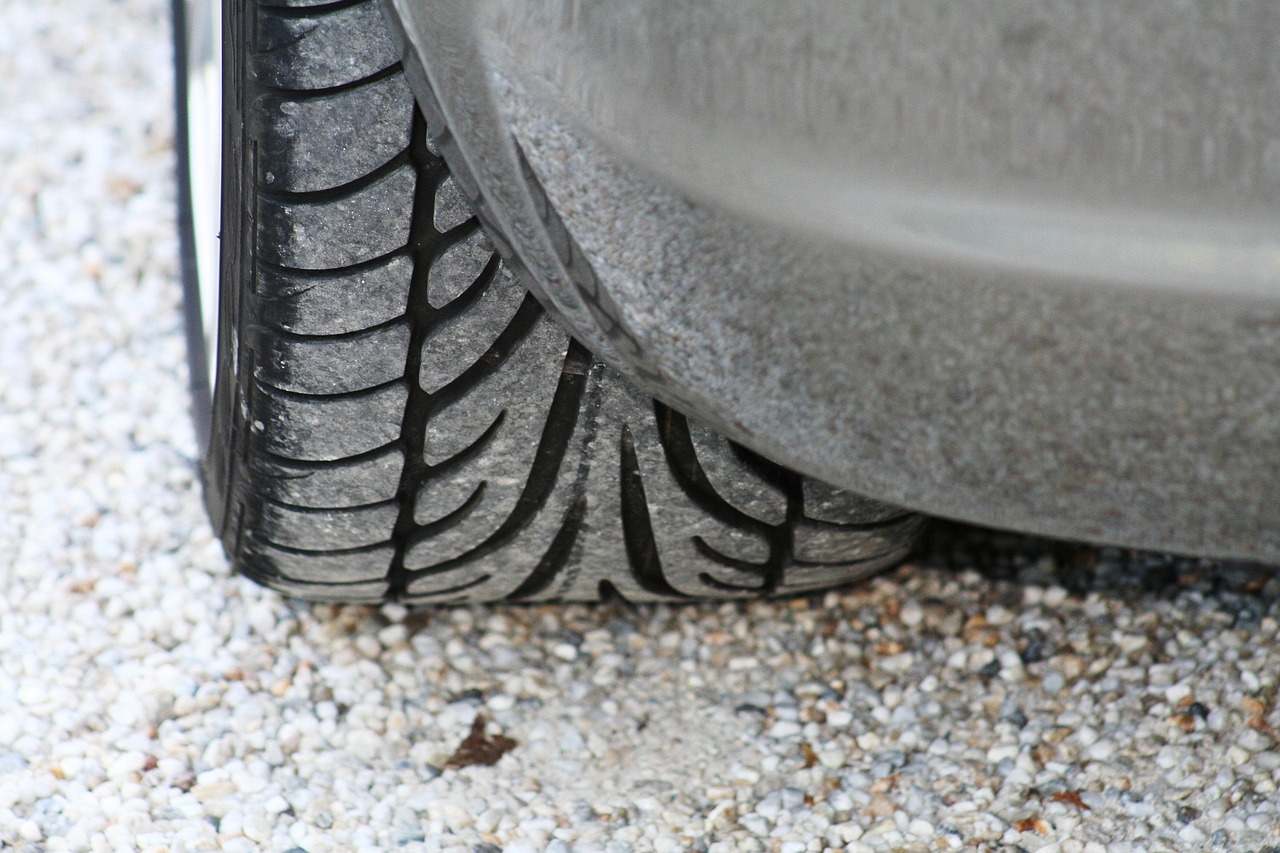
Tires are a common source of vibration and road noise. Possible tire-related causes include:

  • Uneven tire wear
  • Tire cupping
  • Tire imbalance
  • Tire damage
  • Flat spots
  • Low tire pressure
  • Belt separation
  • Tire age
  • Incorrect tire type
  • Seasonal tire noise

Tire inspection is often one of the first steps in vibration diagnosis.

Wheel problems

Wheel Problems

Wheels can cause vibration if they are damaged or not properly balanced. Possible wheel-related causes include:

  • Bent rim
  • Missing wheel weights
  • Wheel imbalance
  • Wheel corrosion
  • Loose lug nuts
  • Damaged wheel hub
  • Impact damage from potholes or curbs

If vibration started after hitting a pothole, wheels should be checked carefully.

Suspension problems

Suspension Problems

Suspension components can create clunking, knocking, squeaking, vibration, and instability. Possible suspension-related causes include:

  • Worn shocks or struts
  • Worn control arm bushings
  • Worn ball joints
  • Worn sway bar links
  • Damaged springs
  • Worn strut mounts
  • Loose suspension hardware
  • Pothole damage

Suspension problems often become noticeable over bumps, turns, and rough roads.

Steering problems

Steering Problems

Steering system wear can cause vibration, looseness, noise, pulling, or unstable handling. Possible steering-related causes include:

  • Worn tie rods
  • Steering rack concerns
  • Power steering fluid issues
  • Steering shaft concerns
  • Worn ball joints
  • Poor alignment
  • Loose steering components

Steering-related symptoms should be taken seriously because they affect vehicle control.

Brake problems

Brake Problems

Brake issues can create grinding, squealing, scraping, vibration, and pulsing. Possible brake-related causes include:

  • Worn brake pads
  • Grooved brake rotors
  • Uneven rotors
  • Loose brake hardware
  • Sticking caliper
  • Rust buildup
  • Dust shield contact
  • Debris near brake components

Brake noise and vibration should be checked promptly.

Wheel bearing problems

Wheel Bearing Problems

Wheel bearings allow wheels to rotate smoothly. When they wear, they can make humming, roaring, grinding, or growling noises. Common wheel bearing signs include:

  • Humming that increases with speed
  • Noise that changes while turning
  • Vibration
  • Grinding near a wheel
  • Loose wheel feel
  • Uneven tire wear

Wheel bearing concerns can become serious if ignored.

Engine or transmission mount problems

Engine or Transmission Mount Problems

Mounts hold the engine and transmission in place while reducing vibration. Worn mounts may cause:

  • Vibration at idle
  • Clunking when shifting
  • Engine movement
  • Vibration during acceleration
  • Thumping noise
  • Rough feel inside the cabin

If the vehicle vibrates while stopped, mounts or engine performance may be involved.

Drivetrain problems

Drivetrain Problems

Drivetrain components transfer power to the wheels. Problems can cause vibration, clicking, clunking, or humming. Possible drivetrain causes include:

  • CV axle wear
  • Driveshaft imbalance
  • Universal joint wear
  • Differential noise
  • Transmission mount wear
  • Axle shaft concerns

If vibration happens during acceleration or turning, drivetrain components may need review.

Exhaust or heat shield problems

Exhaust or Heat Shield Problems

Loose exhaust parts or heat shields can create rattling, buzzing, or metallic vibration. Common signs include:

  • Rattle under vehicle
  • Buzzing at certain engine speeds
  • Noise during acceleration
  • Metallic vibration when idling
  • Sound changes when exhaust warms up

These noises may not affect steering or suspension, but they can be annoying and should be checked.

Because so many systems can produce similar symptoms, a symptom-based diagnosis helps avoid replacing the wrong parts.

Know the Difference

Noise & Vibration Diagnosis vs. Related Services

Diagnosis vs. Suspension Inspection

Components

Suspension Inspection

A suspension inspection focuses mainly on suspension components such as shocks, struts, ball joints, control arms, bushings, and sway bar links.

Symptom-Led

Noise & Vibration Diagnosis

A noise and vibration diagnosis is broader. It looks at the symptom and may consider:

  • Suspension
  • Steering
  • Tires
  • Wheels
  • Brakes
  • Wheel bearings
  • Drivetrain
  • Engine mounts
  • Exhaust components

If the source is unclear, noise and vibration diagnosis is the better starting point.

Diagnosis vs. Tire Balancing

Tire balancing corrects uneven weight distribution in the tire and wheel assembly. It is commonly recommended when vibration occurs at certain speeds. Noise and vibration diagnosis helps determine whether tire balancing is actually the right service.

Balance

Tire Balancing May Be Needed If

  • Steering wheel shakes at highway speeds
  • Vibration starts around a certain speed
  • Tires were recently installed
  • A wheel weight is missing
  • Vibration is speed-related
Diagnosis

Diagnosis May Be Needed If

  • Vibration happens while braking
  • Noise happens over bumps
  • Vehicle clunks or knocks
  • Vibration happens while accelerating
  • Humming changes while turning
  • Tire balancing did not solve the issue

Diagnosis vs. Brake Inspection

Brake inspection focuses on brake pads, rotors, calipers, brake fluid, and brake hardware. Noise and vibration diagnosis may point to brakes if symptoms happen while braking.

Brakes

Brake-Related Symptoms May Include

  • Grinding when braking
  • Squealing when braking
  • Brake pedal pulsing
  • Steering wheel shaking while braking
  • Scraping near wheels
  • Burning smell after braking

If the symptom is clearly brake-related, a brake inspection may be recommended as part of diagnosis.

Brake Inspection
Alignment

Diagnosis vs. Wheel Alignment

Wheel alignment adjusts the angles of the wheels. Alignment problems can cause pulling, uneven tire wear, or off-centre steering. Noise and vibration diagnosis helps determine whether alignment is part of the issue.

Alignment May Be Involved If
  • Vehicle pulls to one side
  • Steering wheel is off-centre
  • Tires wear unevenly
  • Vehicle feels unstable after pothole impact
Alignment May Not Solve
  • Grinding noise
  • Humming from wheel bearing
  • Clunking over bumps
  • Brake vibration
  • Engine vibration
  • Bent wheel vibration

A proper diagnosis helps avoid unnecessary alignment if the real issue is elsewhere.

After an Impact

Noise & Vibration After Hitting a Pothole

Potholes are a major cause of vehicle noise and vibration in Scarborough and the GTA. A hard impact can damage tires, wheels, suspension, steering, and alignment. After hitting a pothole, schedule service if you notice:

  • New vibration
  • Steering wheel shake
  • Vehicle pulling
  • New clunking noise
  • Tire pressure loss
  • Tire bubble or bulge
  • Bent wheel
  • Grinding or humming noise
  • Steering wheel off-centre
  • Rougher ride
  • Vehicle feels unstable
  • Uneven tire wear begins

Even if the vehicle seems drivable, hidden damage may still exist.

Local Roads

Noise & Vibration in Scarborough and GTA Driving Conditions

Scarborough and Greater Toronto Area roads can be tough on vehicles. Daily driving conditions often create or worsen noise and vibration concerns. Local conditions include:

  • Potholes
  • Road salt
  • Snow and slush
  • Speed bumps
  • Construction zones
  • Uneven pavement
  • Heavy traffic
  • Short trips
  • Highway commuting
  • Curb impacts
  • Seasonal tire changes
  • Cold weather and heat cycles

These conditions can affect tires, wheels, suspension, steering, brakes, bearings, and underbody components. Regular inspection helps catch problems early.

What We Do

What Is Included in Our Noise & Vibration Diagnosis Service?

At Valvoline Express Care Scarborough, noise and vibration diagnosis may include:

Customer Concern Review

We ask what you hear or feel, when it happens, and whether it changes with speed, braking, turning, or road conditions.

Tire Condition Review

We check tires for uneven wear, damage, low pressure, cupping, bulges, or visible concerns.

Wheel Area Review

We look for visible wheel damage, missing weights, loose components, or impact concerns.

Suspension Review

We inspect visible suspension components such as shocks, struts, control arms, bushings, sway bar links, and ball joints where accessible.

Steering Review

We review visible steering components and symptoms such as looseness, pulling, vibration, or poor response.

Brake Awareness

If the sound happens while braking, we may review visible brake pads, rotors, hardware, and related brake concerns.

Wheel Bearing Awareness

If humming, growling, or grinding is present, we consider whether wheel bearings may be involved.

Underbody and Exhaust Awareness

If rattling or buzzing is present, we may look for visible loose heat shields, exhaust concerns, or underbody panels.

Clear Recommendation

We explain the likely cause and recommend the next step, such as tire balancing, suspension repair, brake inspection, wheel bearing review, alignment review, or further diagnostics.

How It Works

Our Noise & Vibration Diagnosis Process

Noise and vibration diagnosis in progress

We ask you to describe the sound or vibration. Helpful details include whether it is clunking, grinding, humming, rattling, shaking, squeaking, or vibrating.

We ask when the issue happens:

  • Over bumps
  • While turning
  • While braking
  • While accelerating
  • At highway speeds
  • While idling
  • After a pothole impact
  • When reversing
  • In cold weather
  • After tire service

We inspect visible and accessible components related to your symptoms.

Tires and wheels are checked because they are common causes of vibration and road noise.

We inspect visible suspension and steering parts for wear, looseness, damage, or leaks.

If the sound suggests brake or wheel bearing concerns, we review those areas where applicable.

We explain what we found in simple, practical language.

We recommend the right next step based on the likely cause of the noise or vibration.

Before You Arrive

What Customers Should Notice Before Coming In

Before your appointment, it helps to notice:

  • What does the sound feel or sound like?
  • Is it clunking, squeaking, humming, grinding, rattling, or clicking?
  • Does it happen over bumps?
  • Does it happen while turning?
  • Does it happen while braking?
  • Does it happen at a certain speed?
  • Does it happen during acceleration?
  • Does the steering wheel shake?
  • Does the brake pedal pulse?
  • Does the vehicle pull to one side?
  • Did it start after a pothole or curb impact?
  • Did it start after tire service?
  • Does it happen more when cold or hot?
  • Is the noise getting louder?
  • Does it come from the front, rear, left, or right?

You do not need to diagnose the problem yourself. These details simply help guide the inspection.

Do Not Wait

When Noise or Vibration May Be Urgent

Some noises and vibrations should be checked immediately. Seek service quickly if:

  • Grinding noise is loud
  • Vehicle feels unsafe
  • Steering feels loose
  • Vehicle pulls strongly
  • Brake pedal vibrates heavily
  • Tire has a bulge
  • Wheel feels unstable
  • Humming or grinding gets louder with speed
  • Clunking is severe
  • Vibration started after a major pothole hit
  • Vehicle shakes badly at highway speed
  • Burning smell is present
  • Brake warning light appears
  • Tire pressure keeps dropping

When safety is uncertain, have the vehicle inspected before continuing to drive.

Safety First

Can You Drive With Noise or Vibration?

It depends on the cause and severity. Some noises may be minor, but others can indicate worn suspension, brake problems, tire damage, wheel bearing wear, or steering concerns.

You should avoid driving if:
  • Vehicle feels difficult to control
  • Steering is very loose
  • Brakes are grinding
  • Wheel or tire appears damaged
  • Vibration is severe
  • Vehicle pulls suddenly
  • Noise is getting worse quickly
  • You suspect a broken suspension component
  • You hear grinding near a wheel

If the vehicle feels unsafe, stop driving and arrange service.

The Cost of Waiting

What Happens If You Ignore Noise & Vibration?

Ignoring noise and vibration can lead to:

  • Uneven tire wear
  • Tire damage
  • Wheel damage
  • Brake damage
  • Suspension wear
  • Steering looseness
  • Wheel bearing failure
  • Poor handling
  • Reduced ride comfort
  • Higher repair costs
  • Unexpected breakdown
  • Safety risks

Early diagnosis can help prevent small problems from becoming major repairs.

Good Timing

When a Diagnosis Is Especially Helpful

Before Winter

Winter can make noises and vibration worse. Cold weather, potholes, snow, slush, and road salt can affect tires, wheels, suspension, steering, brakes, and underbody components. Before winter, diagnosis is recommended if you notice:

  • Clunking over bumps
  • Steering vibration
  • Humming while driving
  • Brake grinding
  • Vehicle pulling
  • Tire vibration
  • Rattling under the vehicle
  • Suspension noise
  • Uneven tire wear

A quieter, smoother vehicle is also usually a safer and more reliable vehicle.

Before a Long Trip

Before a road trip, cottage drive, business commute, or highway travel, noises and vibrations should be checked. A pre-trip diagnosis can help identify:

  • Tire balance concerns
  • Tire damage
  • Wheel damage
  • Suspension wear
  • Steering concerns
  • Brake vibration
  • Wheel bearing noise
  • Loose components
  • Pothole damage

It is better to diagnose the issue before travelling than deal with a breakdown or safety concern away from home.

Older and High-Mileage Vehicles

Older and high-mileage vehicles are more likely to develop noises and vibration due to wear, corrosion, tired suspension parts, wheel bearing wear, tire wear, and loose components. Diagnosis is especially useful if:

  • Vehicle has high mileage
  • Suspension has not been inspected recently
  • Tires are wearing unevenly
  • Vehicle has rust or corrosion
  • Steering feels loose
  • Brakes make noise
  • Vehicle was recently purchased used
  • Ride comfort has changed
  • Vibration is getting worse
  • The vehicle is driven year-round in Ontario

Regular inspection helps keep older vehicles safer and more comfortable.

Driver Tips

Noise & Vibration Maintenance Tips for Drivers

To reduce noise and vibration problems:

  • Keep tires properly inflated
  • Rotate tires regularly
  • Balance tires when vibration appears
  • Replace damaged tires promptly
  • Avoid potholes when possible
  • Slow down over speed bumps
  • Inspect suspension after hard impacts
  • Do not ignore clunking or grinding
  • Replace worn brakes on time
  • Have wheel bearings checked if humming appears
  • Check steering concerns early
  • Inspect before winter
  • Inspect before long trips
  • Address uneven tire wear quickly
  • Keep up with regular maintenance

Small maintenance habits can prevent bigger ride and handling problems.

Key Benefits

Benefits of Professional Noise & Vibration Diagnosis

Better Ride Comfort

A proper diagnosis helps identify what is making your vehicle feel rough, shaky, or noisy.

Improved Safety

Noise and vibration can point to tire, brake, suspension, steering, or wheel bearing concerns.

Reduced Guesswork

Diagnosis helps avoid replacing parts without understanding the real cause.

Better Tire Life

Finding the source of vibration or uneven wear can help protect your tires.

Better Handling

Addressing suspension or steering concerns can improve stability and control.

Lower Repair Costs

Early diagnosis may prevent related components from becoming damaged.

Peace of Mind

You understand what your vehicle needs and what can wait.

Local & Trusted

Why Choose Valvoline Express Care Scarborough for Noise & Vibration Diagnosis?

Valvoline Express Care service bay

Practical, Symptom-Based Inspection

We listen to what you are experiencing and inspect the areas most likely connected to the symptom.

Clear Communication

We explain possible causes in simple, understandable language.

Honest Recommendations

We recommend the next step based on symptoms, visible condition, and safety needs.

Local Scarborough Auto Care

We understand how GTA potholes, winter road salt, rough roads, traffic, and seasonal tire changes affect vehicle noise and vibration.

Complete Vehicle Maintenance Support

We can also help with suspension inspections, steering checks, tires, brakes, battery service, engine care, oil changes, fluids, lights, and general maintenance.

Ready When You Are

Book Your Noise & Vibration Diagnosis Today

We help identify the likely source of vehicle noise and vibration and provide clear, honest recommendations to help keep your vehicle safe and road-ready.