Leak Checks

Professional Vehicle Leak Checks to Help Protect Your Engine, Brakes, Cooling System, and Drivetrain

Fluid leaks are one of the most common signs that something underneath your vehicle needs attention. Whether you see oil spots, coolant stains, red fluid, brake fluid, fuel smell, or wet areas under your car, Valvoline Express Care Scarborough can inspect visible leak concerns and provide clear, honest recommendations before a small leak becomes a major repair.

The Service

What Is a Vehicle Leak Check?

A vehicle leak check is a professional inspection designed to identify visible signs of fluid leaking from your vehicle. Your vehicle uses several important fluids to lubricate, cool, protect, steer, brake, clean, and power different systems. When one of these fluids begins leaking, it can affect performance, reliability, safety, and long-term vehicle health.

A leak may appear as a small drip, stain, wet area, puddle, burning smell, low fluid warning, or unexplained fluid loss. Some leaks are minor at first, while others require immediate attention.

At Valvoline Express Care Scarborough, our leak check service focuses on reviewing visible leak areas underneath the vehicle, identifying possible fluid types, and helping customers understand what may be leaking and what next step is recommended.
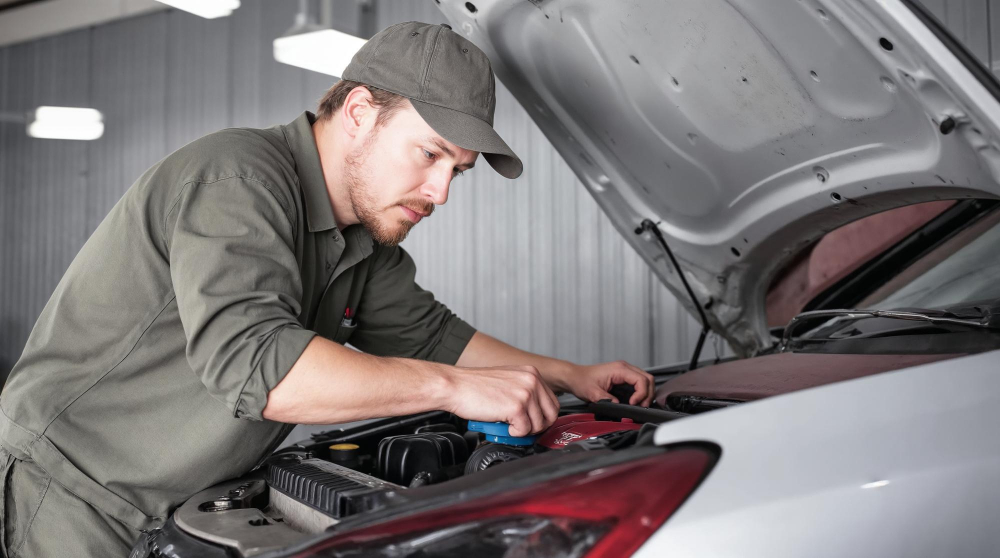
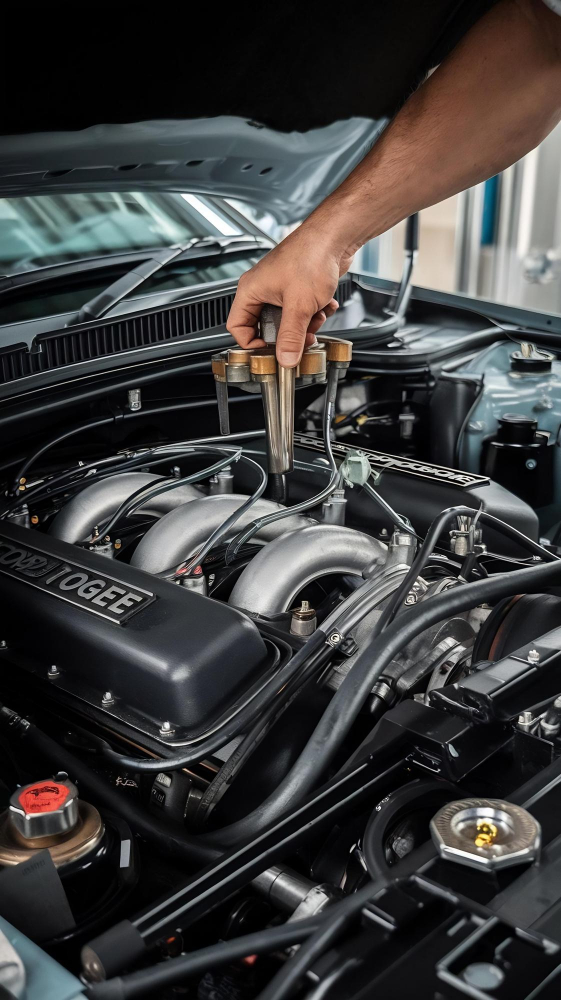
Vehicle leak check
Why leak checks matter
Why It Matters

Why Leak Checks Matter

A fluid leak should never be ignored. Even a small leak can become worse over time. Some leaks may lead to engine damage, overheating, brake failure, steering problems, transmission issues, poor visibility, or roadside breakdowns.

A professional leak check helps:
  • Identify visible fluid leaks early
  • Reduce the risk of major repairs
  • Help prevent engine damage from low oil
  • Help prevent overheating from coolant loss
  • Identify possible brake fluid concerns
  • Review transmission fluid leaks
  • Detect power steering fluid loss
  • Identify fuel smell or fuel leak concerns
  • Reduce the risk of unexpected breakdowns
  • Improve long-term vehicle reliability
  • Provide peace of mind before winter or long trips

A leak check gives you a clearer understanding of what is happening underneath your vehicle.

Reading the Clues

Common Types of Vehicle Leaks

Different fluids have different colours, smells, textures, and locations. The exact source should always be confirmed through inspection, but the appearance of the fluid can provide helpful clues.
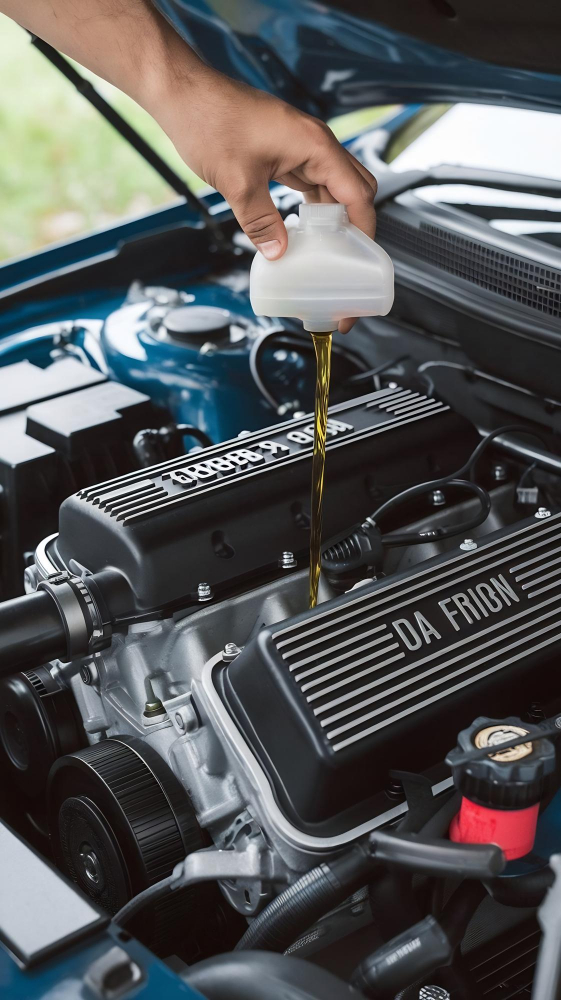
Engine oil leak

Engine Oil Leak

Engine oil lubricates internal engine components and helps reduce friction, heat, and wear. An oil leak is one of the most common vehicle leaks.

What Engine Oil May Look Like
  • Light brown if newer
  • Dark brown or black if older
  • Slippery or oily texture
  • Usually found under the engine area
Common Sources
  • Oil pan gasket
  • Drain plug
  • Oil filter or oil filter housing
  • Valve cover gasket
  • Timing cover
  • Engine seals
  • Oil cooler lines
  • Oil pressure sensor area
Signs of an Engine Oil Leak
  • Oil spots on driveway
  • Burning oil smell
  • Low oil level
  • Oil warning light
  • Smoke from under the hood
  • Oil residue under the engine
  • Frequent need to top up oil

Why It Matters: Low engine oil can cause serious engine wear or engine damage. Even a small oil leak should be monitored and inspected.
Coolant leak

Coolant Leak

Coolant helps regulate engine temperature and protects the engine from overheating and freezing. Coolant leaks can become serious quickly.

What Coolant May Look Like
  • Green
  • Orange
  • Pink
  • Red
  • Yellow
  • Blue
  • Purple

Coolant often has a sweet smell.

Common Sources
  • Radiator
  • Radiator hoses
  • Heater hoses
  • Water pump
  • Thermostat housing
  • Coolant reservoir
  • Heater core
  • Hose clamps
  • Cooling system connections
Signs of a Coolant Leak
  • Sweet smell near the vehicle
  • Coloured fluid under the vehicle
  • Low coolant level
  • Engine temperature rising
  • Steam from under the hood
  • Heater blowing cold air
  • Overheating warning light
  • White residue around cooling parts

Why It Matters: Coolant loss can lead to overheating. Driving with an overheating engine can cause serious damage.

Coolant System Check
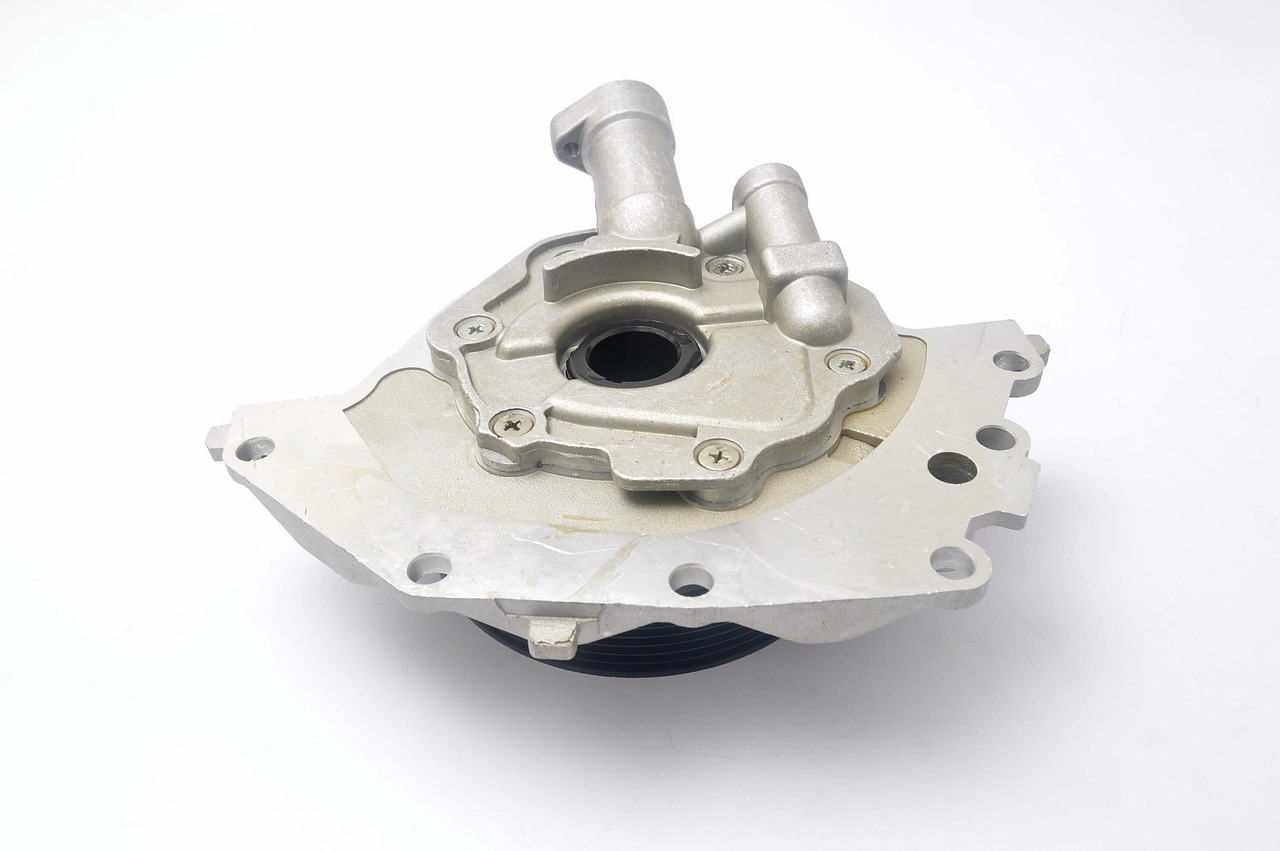
Transmission fluid leak

Transmission Fluid Leak

Transmission fluid lubricates and helps operate the transmission. Transmission leaks should be checked early because low fluid can affect shifting and transmission life.

What Transmission Fluid May Look Like
  • Red or pink when newer
  • Brown or dark when older
  • Slippery texture
  • Often found near the middle or front underside of the vehicle
Common Sources
  • Transmission pan gasket
  • Transmission cooler lines
  • Axle seals
  • Transmission output seal
  • Transmission case
  • Fluid lines or fittings
Signs of a Transmission Fluid Leak
  • Red or brown fluid under vehicle
  • Delayed shifting
  • Rough shifting
  • Slipping transmission
  • Burning smell
  • Low transmission fluid level
  • Transmission warning light in some vehicles

Why It Matters: Low transmission fluid can lead to poor shifting, overheating, and expensive transmission damage.

Brake fluid leak

Brake Fluid Leak

Brake fluid is critical for braking performance. A brake fluid leak is a serious safety concern and should be checked immediately.

What Brake Fluid May Look Like
  • Clear to amber when newer
  • Brown when older
  • Slippery feel
  • May appear near wheels, brake lines, or under the vehicle
Common Sources
  • Brake lines
  • Brake hoses
  • Calipers
  • Wheel cylinders
  • Master cylinder
  • ABS hydraulic unit
  • Brake fittings or connections
Signs of a Brake Fluid Leak
  • Soft brake pedal
  • Brake pedal goes lower than normal
  • Brake warning light
  • Fluid near a wheel
  • Reduced braking confidence
  • Vehicle takes longer to stop
  • Low brake fluid level

Why It Matters: Brake fluid leaks can reduce braking ability. If you suspect a brake fluid leak, avoid driving and have the vehicle inspected promptly.

Brake Fluid Check

Power steering fluid leak

Power Steering Fluid Leak

Power steering fluid helps hydraulic steering systems operate smoothly. Some newer vehicles use electric power steering and may not use power steering fluid.

What Power Steering Fluid May Look Like
  • Red, amber, or clear depending on vehicle
  • Slippery texture
  • Often found near the front of the vehicle
Common Sources
  • Power steering pump
  • Power steering hoses
  • Steering rack
  • Reservoir
  • Hose fittings
  • Seals and connections
Signs of a Power Steering Leak
  • Steering feels hard
  • Whining noise when turning
  • Fluid under front of vehicle
  • Low power steering fluid
  • Steering feels inconsistent
  • Burning smell from leaking fluid

Why It Matters: Low power steering fluid can make steering difficult and may damage steering components.

Steering System Check

Differential fluid leak

Differential Fluid Leak

Differential fluid lubricates gears inside the differential. Vehicles may have front, rear, or all-wheel-drive differentials depending on design.

What Differential Fluid May Look Like
  • Brown, dark brown, or amber
  • Thick texture
  • Strong gear oil smell
  • Usually found near the axle or differential housing
Common Sources
  • Differential cover gasket
  • Axle seals
  • Pinion seal
  • Drain or fill plug
  • Differential housing
Signs of a Differential Fluid Leak
  • Fluid near rear or front axle
  • Strong oil smell
  • Humming or whining noise
  • Fluid stains near differential
  • Drivetrain noise

Why It Matters: Low differential fluid can cause gear wear, noise, overheating, and drivetrain damage.

Transfer case fluid leak

Transfer Case Fluid Leak

Vehicles with four-wheel drive or all-wheel drive may use a transfer case. The transfer case helps distribute power to the wheels.

What Transfer Case Fluid May Look Like
  • Red, amber, brown, or dark depending on fluid type
  • Slippery texture
  • Usually found near the middle underside of the vehicle
Common Sources
  • Output shaft seals
  • Case gasket
  • Drain or fill plug
  • Cracked case
  • Fluid fittings
Signs of a Transfer Case Leak
  • Fluid under centre of vehicle
  • Grinding or whining noise
  • Four-wheel-drive performance concerns
  • Drivetrain vibration
  • Low fluid condition

Why It Matters: Low transfer case fluid can lead to wear and damage in four-wheel-drive or all-wheel-drive systems.

Fuel leak

Fuel Leak

Fuel leaks should be treated as urgent. Fuel is flammable and requires immediate attention.

What Fuel May Look or Smell Like
  • Clear or slightly tinted liquid
  • Strong gasoline or diesel smell
  • Often evaporates quickly
  • May appear near fuel tank, fuel lines, or engine area
Common Sources
  • Fuel lines
  • Fuel tank
  • Fuel pump area
  • Fuel filter connections
  • Fuel injector seals
  • Fuel rail
  • Damaged fuel hoses
Signs of a Fuel Leak
  • Strong fuel smell
  • Fuel puddle under vehicle
  • Poor fuel economy
  • Check engine light in some cases
  • Hard starting
  • Smell near rear or engine area

Why It Matters: Fuel leaks can be dangerous. If you smell fuel strongly or see fuel leaking, avoid driving and have the vehicle inspected immediately.
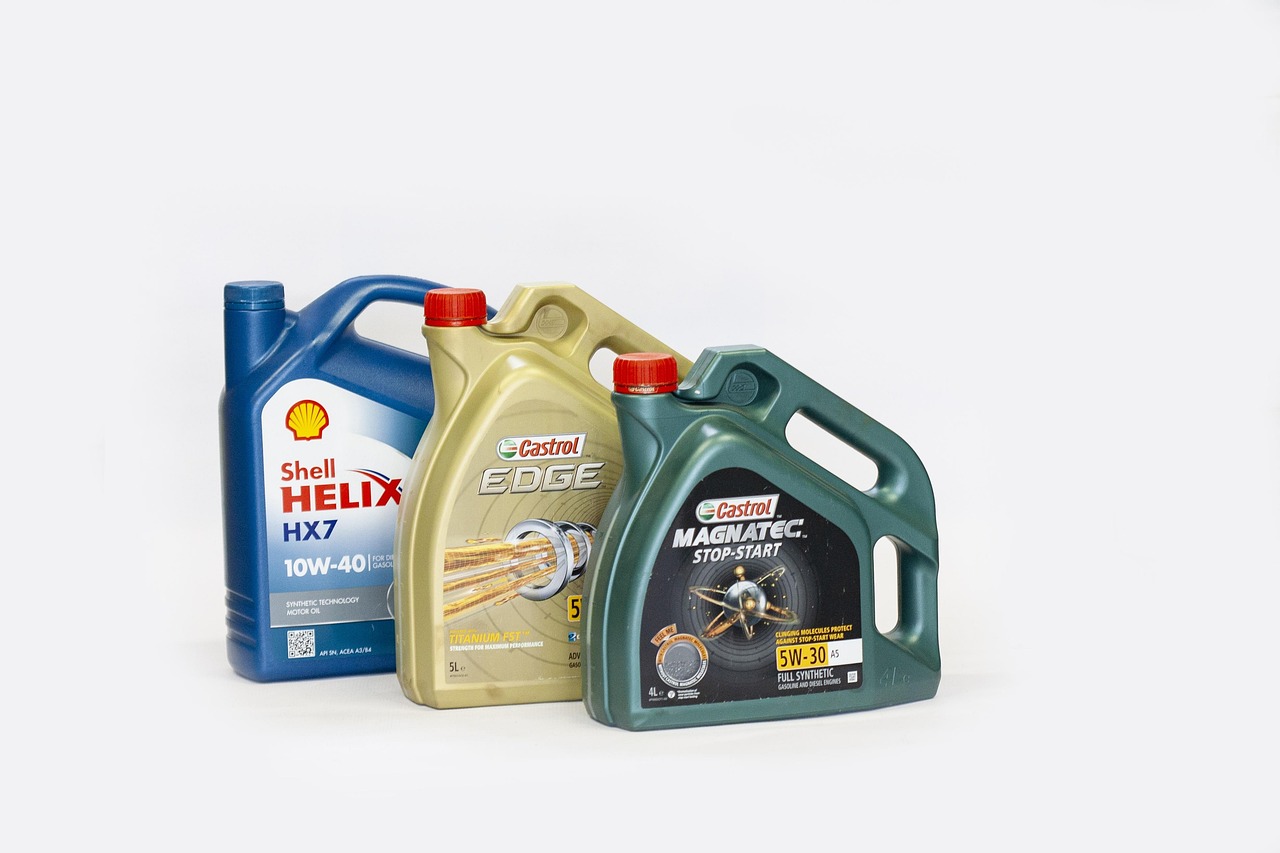
Washer fluid leak

Washer Fluid Leak

Washer fluid helps clean your windshield. While not as mechanically serious as oil or coolant leaks, it can affect visibility.

What Washer Fluid May Look Like
  • Blue, green, orange, purple, or clear
  • Thin watery texture
  • May smell like washer fluid
  • Usually found near the front of the vehicle
Common Sources
  • Washer fluid reservoir
  • Washer pump
  • Washer hoses
  • Nozzle connections
  • Cracked reservoir
  • Damaged line from freezing
Signs of a Washer Fluid Leak
  • Washer fluid runs out quickly
  • Washer fluid puddle under vehicle
  • No spray from nozzles
  • Low washer fluid warning
  • Weak washer spray

Why It Matters: In winter, low washer fluid can quickly become a visibility safety issue due to salt spray and road grime.

Visibility Safety Check

A/C water condensation

A/C Water Condensation

Not every fluid under your vehicle is a problem. Clear water dripping from the vehicle after using the air conditioning is often normal.

What It Looks Like
  • Clear water
  • No oily texture
  • No strong smell
  • Often appears under the passenger side or middle-front area after A/C use

Why It Happens: Your A/C system removes moisture from cabin air. That moisture drains under the vehicle as condensation.

When to Check It: You should still schedule a check if the fluid is coloured, oily, sweet-smelling, fuel-smelling, or appears in unusual amounts.

Air Conditioning Check
Warning Signs

Signs You May Need a Leak Check

You should schedule a leak check if you notice:

  • Fluid spots on your driveway or garage floor
  • Burning smell after driving
  • Sweet smell near the engine
  • Strong fuel smell
  • Oil smell inside or outside the vehicle
  • Low fluid warning light
  • Coolant level keeps dropping
  • Oil level keeps dropping
  • Brake pedal feels soft
  • Steering feels hard or noisy
  • Vehicle overheats
  • Transmission shifts differently
  • Washer fluid runs out quickly
  • Smoke or steam from under the hood
  • Wet area underneath the vehicle
  • Fluid dripping after parking
  • New stain after an oil change or repair
  • Vehicle recently hit a pothole or road debris
  • You are preparing for winter or a long trip

If the fluid is brake fluid, fuel, or coolant with overheating, the issue should be handled urgently.

Root Causes

Common Causes of Vehicle Leaks

Worn gaskets and seals

Worn Gaskets and Seals

Gaskets and seals are designed to keep fluids contained. Over time, they can dry out, crack, shrink, or fail.
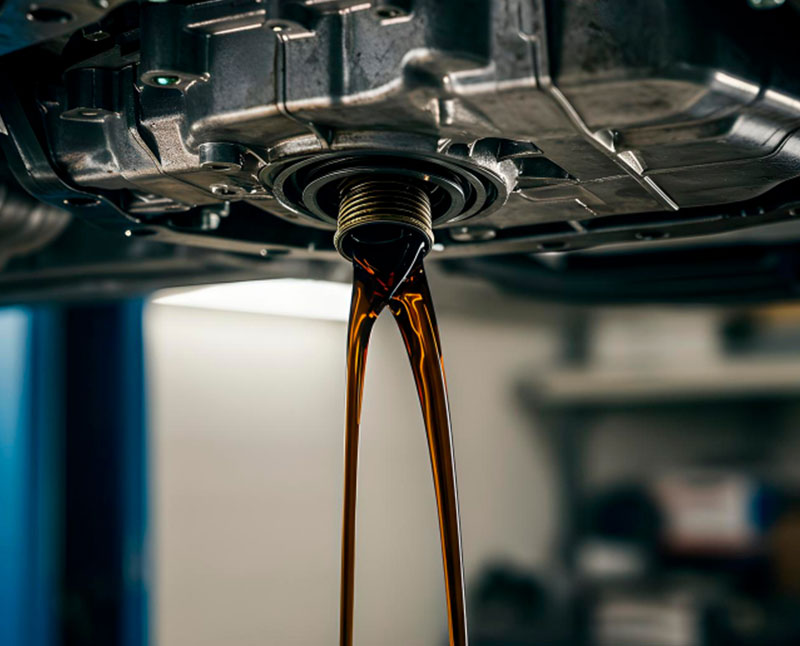
Loose drain plug or filter

Loose Drain Plug or Filter

After service, a drain plug, oil filter, or filter housing may leak if not sealed properly or if a gasket is damaged.

Cracked hoses

Cracked Hoses

Coolant, power steering, washer fluid, and other systems use hoses that can crack, swell, harden, or leak.

Corroded lines

Corroded Lines

Brake lines, fuel lines, transmission cooler lines, and power steering lines can corrode, especially in areas exposed to road salt.
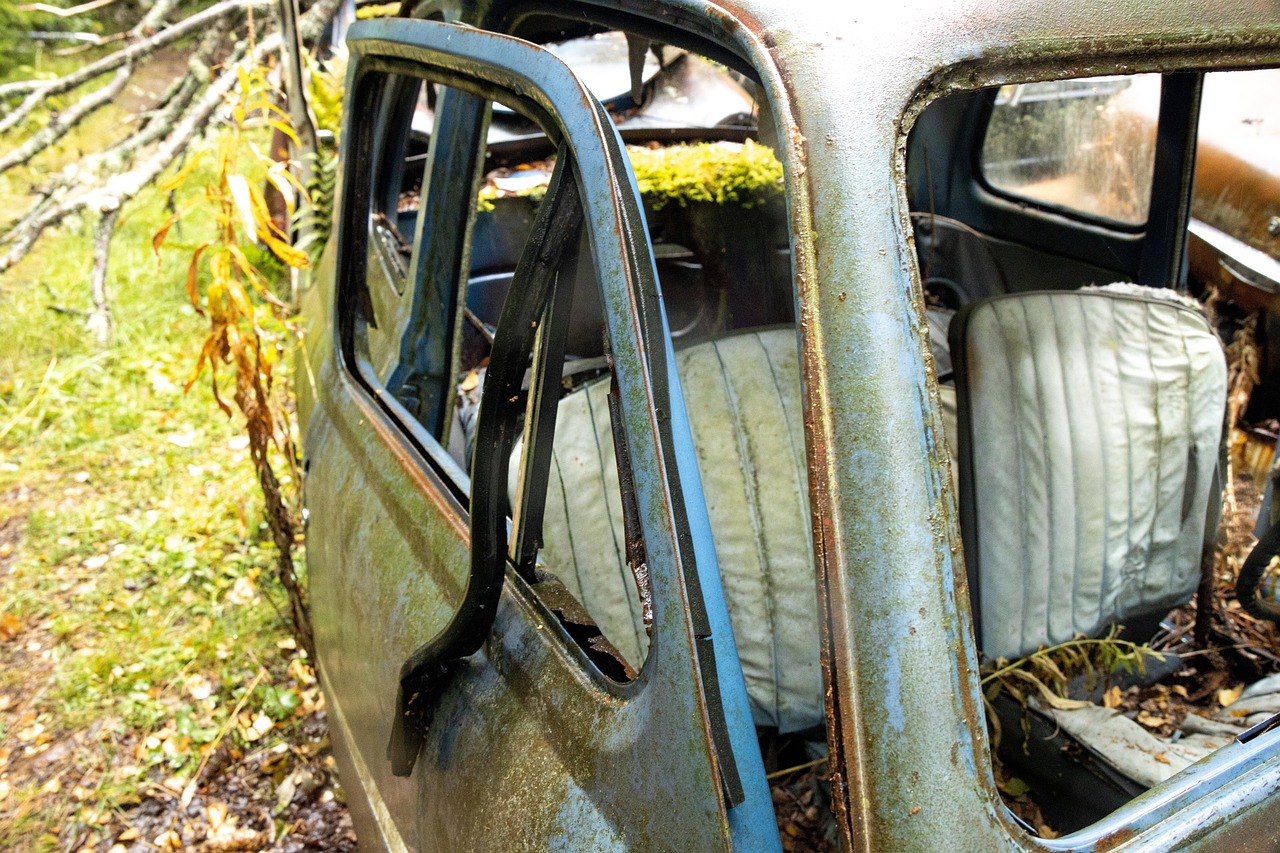
Damaged fluid pan

Damaged Fluid Pan

Oil pans and transmission pans can be damaged by road debris, potholes, or underbody impact.

Failed water pump

Failed Water Pump

A leaking water pump can cause coolant loss and overheating.
Radiator damage

Radiator Damage

Radiators can leak from corrosion, cracks, seams, or road debris impact.

Radiator Check

Worn axle or differential seals

Worn Axle or Differential Seals

Axle seals and pinion seals can leak over time, especially on older or high-mileage vehicles.

Overfilled fluids

Overfilled Fluids

Too much fluid in certain systems can cause overflow, foaming, pressure issues, or leakage.

Pressure buildup

Pressure Buildup

Cooling systems, transmissions, and other systems can leak if pressure becomes too high due to malfunction or blockage.
Road impact damage

Road Impact Damage

Potholes, curbs, ice chunks, road debris, and parking blocks can damage underbody components and cause leaks.

Know the Difference

Leak Check vs. Related Services

Leak Check vs. Undercarriage Inspection

A leak check focuses specifically on finding visible signs of fluid loss.

Focused

Leak Check

If your main concern is a fluid spot or smell, a leak check is the right starting point.

Broader

An Undercarriage Inspection May Include

  • Fluid leaks
  • Rust and corrosion
  • Exhaust system concerns
  • Loose splash shields
  • Brake and fuel line condition
  • Underbody impact damage
  • Frame and subframe awareness
  • Drivetrain boot concerns

If you want the full underside reviewed, an undercarriage inspection may also be recommended.

Undercarriage Inspection

Leak Check vs. Fluid Top-Up

A fluid top-up and leak check are not the same.

Top-Up

Fluid Top-Up

A fluid top-up adds fluid to bring the level back to the proper range.

Diagnose

Leak Check

A leak check helps determine why the fluid level is low.

Important Point

If a fluid keeps going low, topping it up without checking for leaks may only delay the problem. The source of the fluid loss should be identified.

Leak Check vs. Diagnostic Service

A basic leak check focuses on visible leak signs. Some leaks may require deeper diagnostics if the source is hidden, intermittent, or only appears under pressure.

Visible

Leak Check

A leak check helps determine whether the issue is obvious or needs further testing.

Deeper

Further Diagnosis May Be Needed If

  • Leak only appears while driving
  • Fluid is leaking from a hidden area
  • Cooling system needs pressure testing
  • A/C refrigerant leak is suspected
  • Transmission leak source is unclear
  • Engine oil leak comes from multiple areas
  • Brake fluid leak requires system inspection
  • Fuel leak requires safety inspection
  • Dye testing is needed to confirm source
Specific Situations

Leak Checks After Service or Road Impact

Leak Check After an Oil Change

If you notice oil spots after an oil change, it should be reviewed. Sometimes leftover oil from service may drip briefly, but a true leak should be corrected. Possible causes include:

  • Loose oil filter
  • Damaged oil filter gasket
  • Loose drain plug
  • Damaged drain plug washer
  • Oil spilled during service
  • Pre-existing engine oil leak
  • Oil pan gasket concern
  • Oil filter housing leak

If the oil continues dripping after the vehicle has been driven and parked, schedule a leak check.

Leak Check After Hitting a Pothole or Road Debris

Underbody impact can damage fluid pans, hoses, lines, and shields. Even if the vehicle still drives normally, a leak may appear later. After impact, schedule a leak check if you notice:

  • Fluid dripping
  • Burning smell
  • Scraping noise
  • Shield hanging down
  • Vehicle overheating
  • Transmission shifting differently
  • Steering feels different
  • New underbody noise
  • Oil pressure warning
  • Coolant warning
  • Strong fuel smell

A quick inspection can help identify damage before it becomes worse.

Good Timing

Leak Checks in Local Conditions and Across the Seasons

Local Roads

Scarborough and GTA driving conditions can contribute to leaks over time. Vehicles are exposed to road salt, potholes, snow, slush, moisture, construction zones, heavy traffic, and temperature changes. Local conditions that can increase leak risk include:

  • Road salt corrosion
  • Pothole impact
  • Freeze-thaw cycles
  • Short trips
  • Stop-and-go traffic
  • Summer heat
  • Winter cold
  • Construction debris
  • Rusted lines and fittings
  • Aging hoses and seals
  • Underbody damage from snowbanks or ice

Because of these conditions, leak checks are especially important for vehicles driven year-round in Ontario.

Before Winter

Before winter, it is smart to check for leaks because cold weather, road salt, and snow can make existing problems worse. A pre-winter leak check may include:

  • Engine oil leak review
  • Coolant leak review
  • Brake fluid leak awareness
  • Power steering leak review
  • Transmission fluid leak review
  • Washer fluid leak review
  • Hose condition review
  • Underbody corrosion awareness
  • Fluid level concerns

Winter is not the time to discover your coolant, oil, brake fluid, or washer fluid is leaking.

After Winter

After winter, road salt and moisture can reveal or worsen leaks. Rusted lines, corroded fittings, cracked hoses, and underbody damage may become more noticeable. A post-winter leak check may help identify:

  • Rusted brake line concerns
  • Coolant leaks
  • Oil seepage
  • Power steering leaks
  • Transmission cooler line corrosion
  • Washer reservoir damage
  • Underbody corrosion
  • Fluid stains from winter damage

Post-winter checks are especially valuable for older vehicles and daily drivers.

Before a Long Trip

Before a road trip, cottage drive, family visit, or long commute, leak concerns should be checked. Long drives can turn small leaks into bigger problems because the vehicle runs for longer periods. A pre-trip leak check can help identify:

  • Oil leaks
  • Coolant leaks
  • Transmission leaks
  • Brake fluid concerns
  • Power steering leaks
  • Fuel smell concerns
  • Washer fluid leaks
  • Underbody wet spots
  • Hoses or lines that may fail

It is better to find a leak before travelling than deal with a breakdown away from home.

Older Vehicles

Leak Checks for Older and High-Mileage Vehicles

Older and high-mileage vehicles are more likely to develop leaks because seals age, gaskets harden, hoses crack, lines corrode, and components wear over time. A leak check is especially useful if:

  • Vehicle has high mileage
  • Fluid levels drop between services
  • Vehicle leaves stains on the driveway
  • Engine has oil residue
  • Coolant level keeps going low
  • Vehicle was recently purchased used
  • Service history is unknown
  • Vehicle is driven year-round in Ontario
  • Rust is visible underneath
  • Burning smells are present

Regular leak checks help protect older vehicles from avoidable damage.

Act Quickly

When a Leak May Be Urgent

Some leaks should be treated as immediate safety or engine-protection concerns. Seek service quickly if:

  • You smell fuel
  • Brake fluid is leaking
  • Brake pedal feels soft
  • Engine is overheating
  • Coolant is leaking heavily
  • Oil warning light comes on
  • Transmission fluid is leaking significantly
  • Steering suddenly becomes hard
  • Smoke or steam appears
  • Fluid is dripping rapidly
  • Vehicle feels unsafe
  • Leak appears after hitting road debris
  • Warning lights appear with the leak

If a leak affects braking, fuel, engine temperature, or oil pressure, avoid driving and have the vehicle inspected.

Safety First

Can You Drive With a Fluid Leak?

It depends on the type and severity of the leak. Some minor seepage may allow short-term driving, but active leaks can become serious quickly.

Do Not Drive If:
  • Fuel is leaking
  • Brake fluid is leaking
  • Engine is overheating
  • Oil pressure warning light is on
  • Coolant is pouring out
  • Brake pedal feels soft
  • Steering is difficult
  • Transmission is slipping
  • Large puddle forms under the vehicle
  • You smell burning or see smoke
Schedule Service Soon If:
  • Small oil spots appear
  • Coolant level drops slowly
  • Washer fluid leaks
  • Power steering fluid is low
  • Transmission fluid stain appears
  • Fluid smell is noticeable
  • Leak keeps returning

When in doubt, have the leak checked before continuing to drive.

The Cost of Waiting

What Happens If You Ignore a Leak?

Ignoring a fluid leak can lead to:

  • Engine damage
  • Overheating
  • Brake safety concerns
  • Transmission damage
  • Steering problems
  • Drivetrain wear
  • Fuel safety hazards
  • Poor visibility from washer fluid loss
  • Burning smells
  • Smoke or steam
  • Increased repair costs
  • Roadside breakdown
  • Damage to belts, hoses, and nearby components
  • Environmental contamination

Small leaks are usually easier and less expensive to address than major failures caused by fluid loss.

What We Do

What Is Included in Our Leak Check Service?

At Valvoline Express Care Scarborough, a leak check may include:
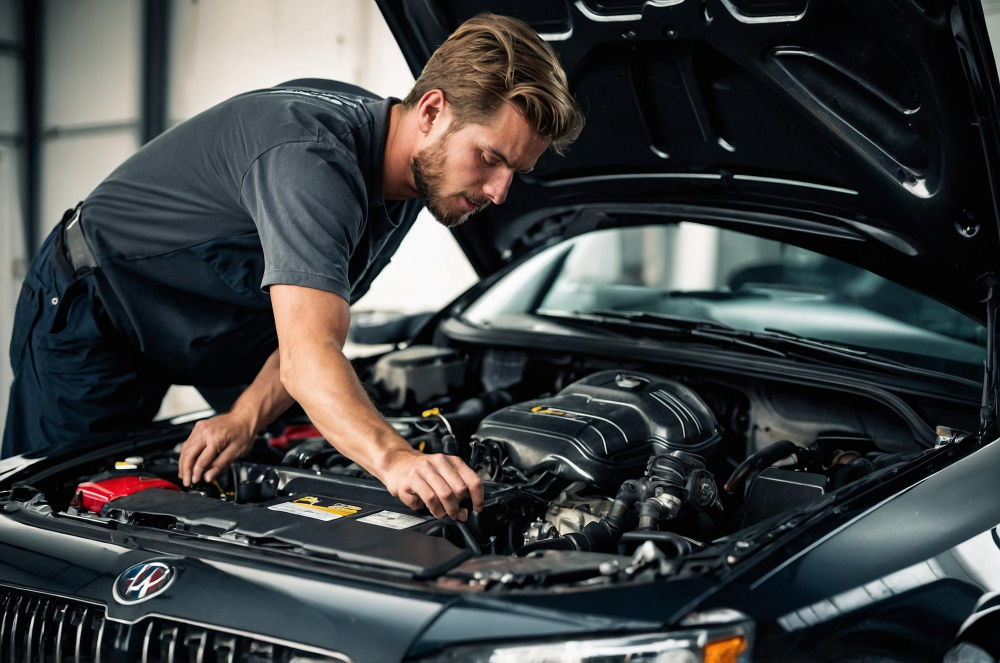
Visible Underbody Leak Review

We inspect visible areas underneath the vehicle for wet spots, stains, drips, or residue.

Fluid Type Awareness

We review the colour, texture, smell, and location of the fluid to help identify the likely type.

Engine Oil Leak Review

We look for visible oil leaks or seepage around accessible engine and underbody areas.

Coolant Leak Review

We check visible coolant areas such as hoses, radiator, reservoir, and water pump area where accessible.

Transmission Fluid Leak Awareness

We inspect visible transmission areas and lines for fluid stains or leaks.

Brake Fluid Leak Awareness

We review visible brake-related areas where applicable and treat brake fluid concerns as safety-critical.

Power Steering Leak Awareness

Where applicable, we check visible steering fluid areas for leaks or wetness.

Fuel Leak Awareness

If fuel smell or leak is reported, we treat it as urgent and recommend immediate attention.

Washer Fluid Leak Review

We check visible washer fluid reservoir and lines where applicable.

Hose and Line Review

We inspect visible hoses, lines, clamps, and fittings for cracks, corrosion, wetness, or damage.

Clear Recommendation

We explain what appears to be leaking and recommend the next step, such as repair, further diagnosis, fluid service, hose replacement, gasket review, or urgent inspection.

How It Works

Our Leak Check Process

Leak check in progress

We ask what you noticed, such as fluid colour, smell, location, warning lights, burning odour, overheating, or recent impact.

We consider the fluid’s appearance, texture, smell, and where it appears under the vehicle.

We inspect visible areas underneath the vehicle for stains, drips, wet spots, and residue.

We look at likely leak areas, such as engine, radiator, hoses, transmission, steering, brakes, washer system, and underbody lines.

If the leak may involve fuel, brake fluid, major coolant loss, or engine oil pressure, we treat the concern as urgent.

We explain the likely leak type and visible findings in simple, practical language.

If service is needed, we recommend the proper next step before any additional work is performed.

Before You Arrive

What Customers Should Notice Before Coming In

Before your appointment, it helps to notice:

  • What colour is the fluid?
  • Where is the fluid located under the vehicle?
  • Does it smell sweet, oily, burnt, or like fuel?
  • Is the fluid thin, thick, slippery, or watery?
  • Does it appear after driving or overnight?
  • Is the leak getting larger?
  • Are any warning lights on?
  • Is the engine overheating?
  • Does the brake pedal feel normal?
  • Is steering harder than usual?
  • Does the vehicle shift differently?
  • Did the leak start after service?
  • Did the vehicle hit a pothole or road debris?
  • Have you needed to top up any fluids?

You do not need to diagnose the leak yourself. These details simply help guide the inspection.

Driver Tips

Leak Prevention and Maintenance Tips

To help reduce the risk of fluid leaks:

  • Check fluid levels regularly
  • Do not ignore driveway spots
  • Replace worn hoses early
  • Service coolant as recommended
  • Keep up with oil changes
  • Inspect the undercarriage after winter
  • Address rusted lines promptly
  • Check after hitting potholes or road debris
  • Do not ignore burning smells
  • Replace damaged splash shields
  • Use the correct fluids for your vehicle
  • Do not overfill fluids
  • Inspect before long trips
  • Watch for warning lights
  • Have older vehicles checked more often

Regular maintenance helps identify leaks before they cause damage.

Key Benefits

Benefits of a Professional Leak Check

Early Problem Detection

A leak check helps identify small leaks before they become major repairs.

Better Engine Protection

Oil and coolant leaks can damage the engine if ignored.

Better Safety Awareness

Brake fluid and fuel leaks require immediate attention.

Reduced Breakdown Risk

Finding leaks early helps prevent roadside emergencies.

Better Long-Term Vehicle Health

Maintaining proper fluid levels helps protect major systems.

Clear Answers

You understand what may be leaking and what service may be needed.

Peace of Mind

You can drive with greater confidence knowing the leak has been reviewed.

Local & Trusted

Why Choose Valvoline Express Care Scarborough for Leak Checks?

Valvoline Express Care service bay

Practical Underbody Review

We inspect visible leak areas and help identify the likely fluid type and source.

Clear Communication

We explain leak concerns in simple, understandable language.

Honest Recommendations

We recommend service based on visible condition, symptoms, and safety needs.

Local Scarborough Auto Care

We understand how Ontario road salt, potholes, snow, slush, heat, cold, and daily driving affect hoses, seals, lines, and underbody components.

Complete Undercarriage Support

We can also help with undercarriage inspections, exhaust checks, rust and corrosion review, splash shield concerns, oil changes, coolant checks, brakes, tires, suspension, lights, wipers, and general maintenance.

Undercarriage
Ready When You Are

Book Your Leak Check Today

We inspect visible leak concerns and provide clear, honest recommendations before a small leak becomes a major repair.