Belt Inspection

Professional Belt Inspection to Help Prevent Breakdowns

Your vehicle’s belts help power essential systems such as the alternator, air conditioning, power steering, water pump, and other engine-related components. Over time, belts can crack, loosen, glaze, or wear out. At Valvoline Express Care Scarborough, we inspect visible engine belts and help identify wear before it leads to unexpected problems.

The Service

What Is a Vehicle Belt Inspection?

A belt inspection is a visual and physical check of the belts that help operate important engine accessories. These belts are usually made from reinforced rubber and are designed to move with pulleys while the engine is running.

Most vehicles use one or more belts to transfer power from the engine to different components. When a belt becomes worn, loose, cracked, or damaged, it may affect the systems it supports. In some cases, a broken belt can leave you stranded or cause serious engine-related issues.

At Valvoline Express Care Scarborough, we check accessible belts for signs of wear and help you understand whether replacement or further service may be needed.

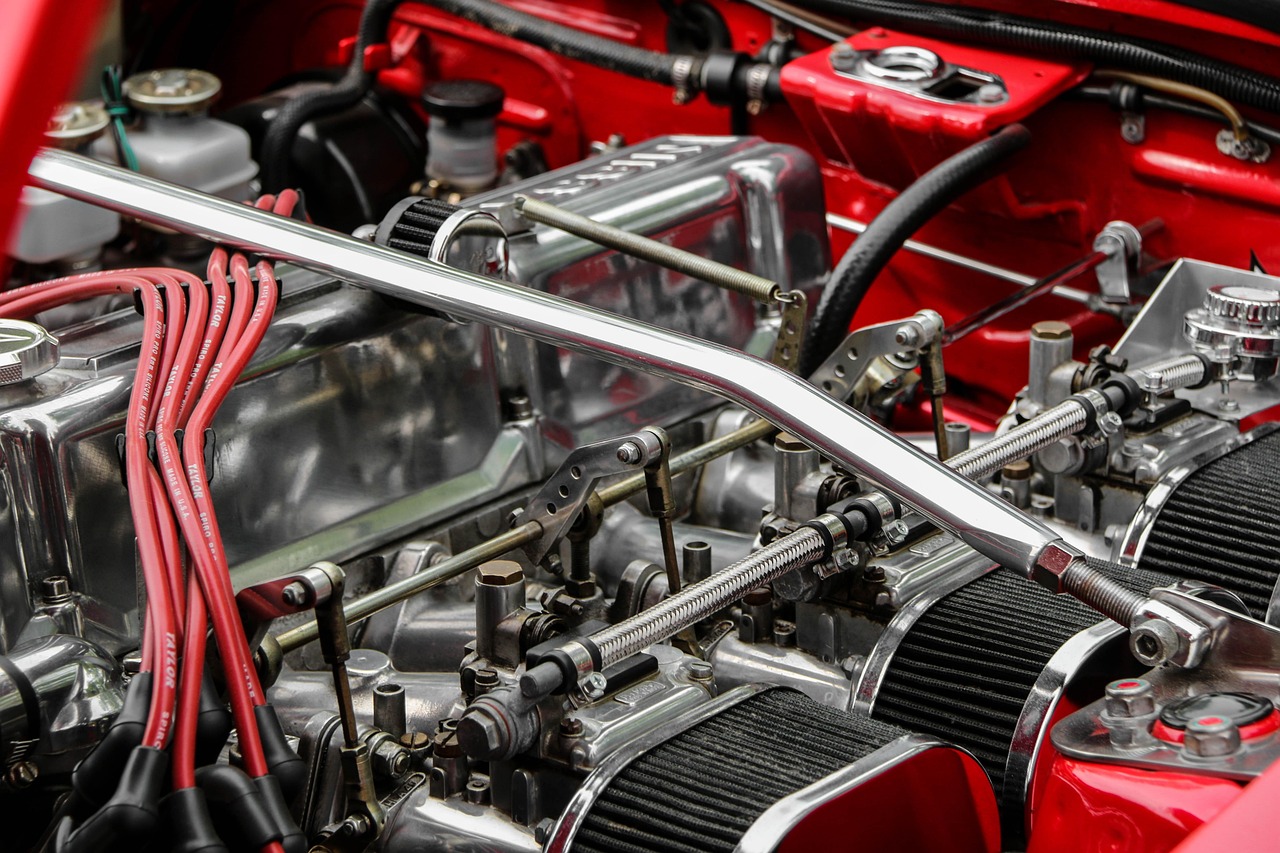
Engine belt inspection
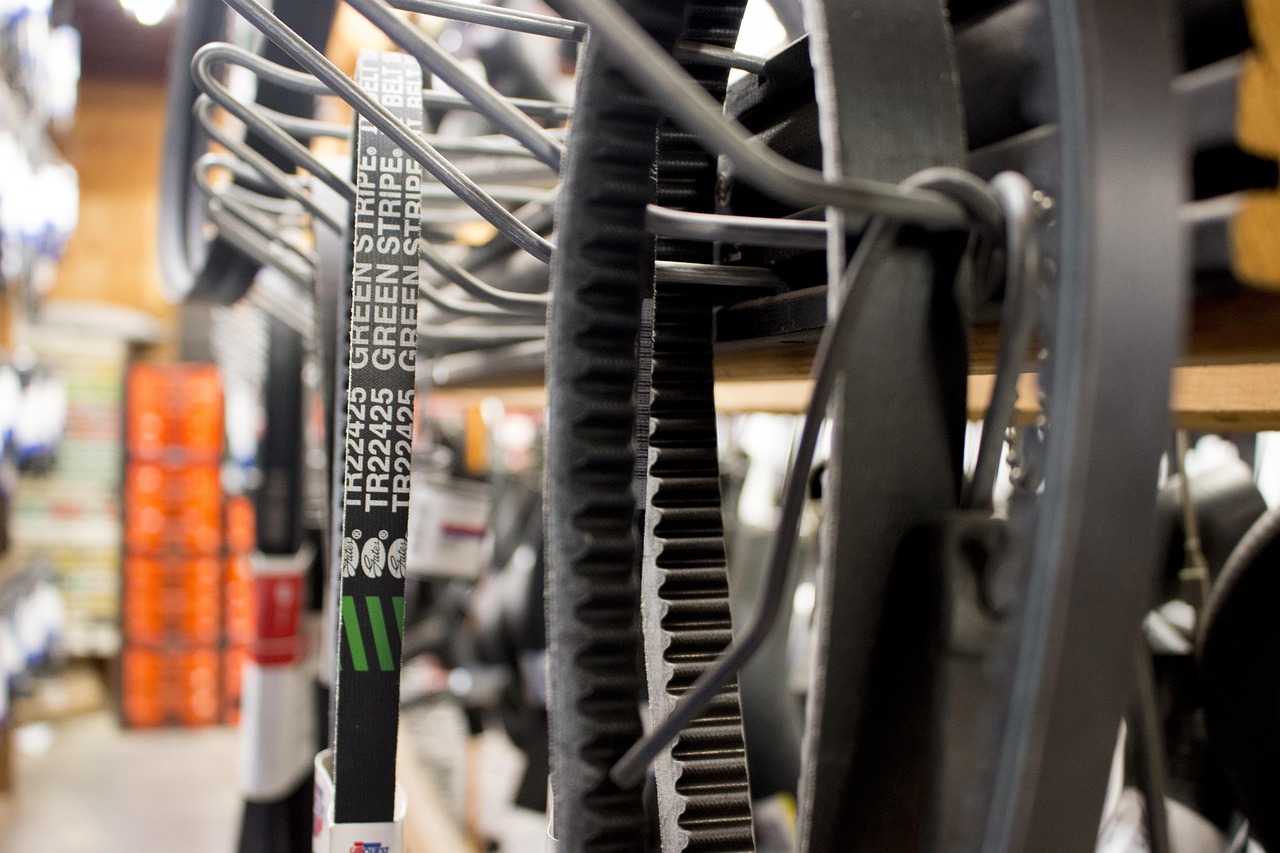
Worn engine belt
Why It Matters

Why Belt Inspection Matters

Belts may seem like small parts, but they play a major role in your vehicle’s reliability. A worn or damaged belt can affect several important systems at once.

A belt problem may lead to:

  • Battery charging problems
  • Loss of power steering
  • Engine overheating
  • Air conditioning failure
  • Squealing or chirping noises
  • Warning lights on the dashboard
  • Vehicle breakdown
  • Damage to related pulleys or components

Regular belt inspections help detect early signs of wear before the belt fails.

Belt Types

Common Types of Vehicle Belts

Different vehicles use different belt systems. Some vehicles have a single serpentine belt, while others may have multiple belts.

Serpentine belt

1. Serpentine Belt

The serpentine belt is one of the most common belts in modern vehicles. It is a long belt that travels around several pulleys and powers multiple engine accessories.

It may help operate
  • Alternator
  • Power steering pump
  • Air conditioning compressor
  • Water pump on some vehicles
  • Other engine accessories

Why it matters: If the serpentine belt fails, several systems may stop working at the same time. Your battery may stop charging, steering may become difficult, and the engine may overheat if the belt drives the water pump.
Drive belts

2. Drive Belts

Some vehicles use multiple drive belts instead of one serpentine belt. Each belt may power a specific accessory.

Drive belts may support
  • Alternator
  • Air conditioning
  • Power steering
  • Cooling system components

Why it matters: If one drive belt wears out or breaks, the system connected to that belt may stop working properly.

Timing belt

3. Timing Belt

Some vehicles use a timing belt to keep the engine’s internal components moving in proper sequence. The timing belt is different from a serpentine belt or accessory belt.

Why it matters: A timing belt is extremely important. If it fails, it can cause serious engine damage on many vehicles. Timing belt inspection and replacement requirements depend heavily on the vehicle manufacturer’s maintenance schedule.

Important note: Timing belts are often covered behind engine components and may not be visible during a basic belt inspection. If your vehicle uses a timing belt, it is important to follow the manufacturer’s recommended replacement interval.

The Checks

What We Look for During a Belt Inspection

During a belt inspection, our team checks accessible belts for visible signs of wear, damage, and improper operation.

1. Cracks

Small cracks across the belt surface can indicate aging and wear. As rubber dries out over time, it becomes less flexible and more likely to fail.

2. Fraying

Frayed belt edges may mean the belt is wearing unevenly or not tracking properly on the pulleys.

3. Glazing

A shiny or polished surface may indicate the belt is slipping. Belt slipping can create noise and reduce accessory performance.

4. Looseness

A loose belt may squeal, slip, or fail to properly power the components connected to it.

5. Missing Ribs

Many serpentine belts have grooves or ribs. Missing sections can reduce grip and increase the risk of belt failure.

6. Wear Patterns

Uneven wear may indicate a pulley, tensioner, or alignment issue.

7. Belt Tension

Proper tension is important. A belt that is too loose may slip, while a belt that is too tight can place strain on related components.

8. Noise During Operation

Squealing, chirping, or grinding sounds can sometimes point to belt wear, slipping, or pulley concerns.

9. Contamination

Oil, coolant, or other fluids on a belt can damage the rubber and cause slipping or early failure.

10. Related Component Condition

Where visible, we may also look at pulleys, tensioners, and surrounding areas for obvious signs of concern.

Warning Signs

Signs You May Need a Belt Inspection

You should consider a belt inspection if you notice any of the following. Even if the vehicle is still running, belt problems can worsen quickly.

  • Squealing noise when starting the vehicle
  • Chirping sound from under the hood
  • Battery warning light
  • Engine overheating
  • Air conditioning not working properly
  • Steering feels heavy or difficult
  • Visible cracks on a belt
  • Burning rubber smell
  • Belt looks loose or damaged
  • Vehicle has high mileage
  • Maintenance schedule recommends belt inspection
  • You are planning a long trip
  • Your vehicle has not been inspected recently
Causes of Wear

What Causes Belts to Wear Out?

Vehicle belts operate in a harsh environment. They are exposed to heat, movement, friction, tension, and changing weather conditions. Common causes of belt wear include:

Age

Rubber naturally breaks down over time. Even if a vehicle is not driven often, belts can dry out and crack.

Heat

Engine heat can make belts brittle and reduce flexibility.

Friction

Belts constantly move across pulleys, which creates normal wear over time.

Improper Tension

A belt that is too loose may slip. A belt that is too tight may place stress on bearings and pulleys.

Fluid Leaks

Oil, coolant, or other fluids can damage belt material and cause slipping.

Pulley Misalignment

If pulleys are not aligned properly, the belt may wear unevenly or fray at the edges.

Worn Tensioner

A weak or failing tensioner may not keep the belt properly tightened.

Harsh Driving Conditions

Stop-and-go traffic, extreme temperatures, and heavy use can increase wear.

If It Fails

What Happens If a Belt Breaks?

A broken belt can affect different systems depending on which belt fails.

Multiple systems

If the Serpentine Belt Breaks

You may experience:

  • Battery warning light
  • Loss of power steering
  • Engine overheating
  • Air conditioning failure
  • Vehicle may eventually stall
  • Difficulty continuing to drive safely
One system

If an Accessory Drive Belt Breaks

The component powered by that belt may stop working. For example, you may lose air conditioning, power steering, or charging capability depending on the belt.

Most serious

If a Timing Belt Breaks

On many vehicles, a broken timing belt can cause serious engine damage. This is why following the manufacturer’s timing belt replacement schedule is very important.

Listen for It

Belt Noise: What It Could Mean

Belt noise is one of the most common warning signs.

Squealing Noise

Squealing Noise

A loud squeal when starting the vehicle or accelerating may indicate belt slipping, improper tension, or worn belt material.

Common Question

Can You Drive With a Worn or Squealing Belt?

You may be able to drive for a short time with a worn belt, but it is not recommended to ignore it. A squealing or damaged belt is a warning sign that something may be wrong.

If the belt breaks while driving, you may lose power steering, battery charging, cooling system function, or other important systems. This can quickly become unsafe or expensive.

If you hear belt noise or see visible damage, schedule a belt inspection as soon as possible.

Good to Know

Why the Right Belt Matters

Not every belt fits every vehicle. Your vehicle requires a belt with the correct length, width, rib pattern, and design. Using the wrong belt can cause slipping, improper fitment, noise, or accessory failure.

Professional service helps ensure the correct belt is selected and installed properly when replacement is needed.

Knock-On Effects

How Belts Affect Other Vehicle Systems

A worn or failed belt can affect many parts of your vehicle.

Alternator

If the belt driving the alternator slips or fails, your battery may not charge properly.

Power Steering

If the belt supports the power steering system, steering may become difficult if the belt fails.

Air Conditioning

A worn belt may cause poor A/C performance or noise when the system is running.

Cooling System

On some vehicles, the belt helps operate the water pump. If the belt fails, the engine may overheat.

Battery

If the alternator is not being driven properly, the battery may drain, causing starting problems.

Prevention

Belt Inspection and Preventive Maintenance

A belt inspection is a simple preventive maintenance step that can help reduce the chance of unexpected breakdowns. Belts should be checked during routine maintenance, oil changes, seasonal service, and before long-distance driving.

Preventive belt inspection helps:

  • Identify wear early
  • Reduce breakdown risk
  • Protect engine accessories
  • Improve driving confidence
  • Avoid emergency repairs
  • Support long-term vehicle reliability
Preventive belt maintenance
Service Intervals

How Often Should Vehicle Belts Be Inspected?

Inspection intervals vary based on your vehicle, belt type, mileage, age, and driving conditions. The best guide is your vehicle owner’s manual.

As a practical rule, belts should be checked:

  • During routine oil changes
  • During seasonal maintenance
  • Before long road trips
  • If you hear unusual noise
  • If the vehicle has high mileage
  • If the belt has not been replaced in several years
  • If dashboard warning lights appear
  • If fluid leaks are present near the belt area

Timing belts should be replaced according to the manufacturer’s recommended mileage or time interval, even if they appear to be working normally.

Belt checked during routine maintenance
What We Do

What Is Included in Our Belt Inspection Service?

At Valvoline Express Care Scarborough, our belt inspection focuses on visible and accessible belt components. Our belt inspection may include:

Visual Belt Check

We look for cracks, fraying, missing ribs, glazing, and visible damage.

Belt Tension Review

Where applicable, we check whether the belt appears properly tensioned.

Belt Alignment Review

We look for signs that the belt may be tracking improperly on the pulleys.

Noise Review

If you are hearing a squeal, chirp, or unusual sound, we review the concern and look for possible causes.

Fluid Contamination Check

We check for visible oil, coolant, or other fluids that may be affecting belt condition.

Related Component Review

Where visible, we may check pulleys, tensioners, and surrounding components for obvious concerns.

Clear Recommendation

If the belt appears worn or replacement is recommended, we explain the issue clearly and provide the next step.

How It Works

Our Belt Inspection Process

01

Vehicle Check-In

We confirm your vehicle details and ask whether you have noticed any sounds, warning lights, or performance concerns.

02

Under-Hood Review

We inspect the accessible belt area under the hood.

03

Belt Condition Check

We look for cracking, fraying, glazing, looseness, wear, contamination, and other visible concerns.

04

Related Component Review

Where possible, we check the condition of visible pulleys, tensioners, and nearby components.

05

Explanation

We explain what we found in simple terms so you understand the condition of your belt.

06

Recommendation

If replacement or further service is needed, we provide an honest recommendation before any additional work is performed.

Know the Difference

Belt Replacement vs. Belt Inspection

A belt inspection helps determine the condition of the belt. If the belt is still in good shape, replacement may not be needed right away. A belt replacement is recommended when the belt shows signs of wear, damage, slipping, or age-related deterioration.

Step one

Belt Inspection

  • Checks the belt condition
  • Identifies wear or damage
  • Helps determine if replacement is needed
  • Useful for preventive maintenance
If needed

Belt Replacement

  • Removes the worn belt
  • Installs a suitable replacement belt
  • Helps restore proper operation
  • Reduces risk of belt failure
Before You Travel

Before a Long Drive: Why Belt Inspection Is Important

Before a road trip, cottage drive, business commute, or long-distance travel, a belt inspection is a smart idea. A worn belt may not give much warning before failing.

A quick inspection can help identify:

  • Cracking
  • Belt noise
  • Loose belt condition
  • Signs of wear
  • Potential breakdown risks

This gives you better peace of mind before spending hours on the road.

Vehicle prepared for a long drive
Local & Trusted

Why Choose Valvoline Express Care Scarborough for Belt Inspection?

Valvoline Express Care service bay

Professional Under-Hood Review

We check accessible belts and visible related components for signs of wear or concern.

Clear, Honest Recommendations

We explain what we see and recommend service only when it makes sense.

Convenient Maintenance Support

Belt inspections can often be handled during routine maintenance or oil change service.

Preventive Vehicle Care

We help identify small problems before they become major breakdowns.

Local Scarborough Auto Service

We proudly serve Scarborough drivers with dependable maintenance and repair support.

Ready When You Are

Book Your Belt Inspection Today

Belts power the systems your vehicle depends on. We inspect visible engine belts and help identify wear before it leads to unexpected problems — and we recommend service only when it makes sense.