Starts the Engine
The battery sends power to the starter motor, which turns the engine over when you start the vehicle.
A weak battery can leave you stranded without much warning, especially during cold weather, hot weather, or after short daily trips. At Valvoline Express Care Scarborough, we provide professional battery testing to check your battery’s condition, starting strength, and overall reliability so you can drive with greater confidence.
Battery testing is the process of checking your vehicle’s battery to determine whether it has enough power and strength to start your vehicle reliably. Your battery may still turn on lights, radio, or dashboard electronics but may not have enough power to properly start the engine under real driving conditions.
A professional battery test helps identify whether your battery is healthy, weak, undercharged, near the end of its life, or affected by connection or charging system concerns.
At Valvoline Express Care Scarborough, battery testing helps remove the guesswork. We check the battery condition, review common warning signs, and provide clear recommendations before the battery fails unexpectedly.
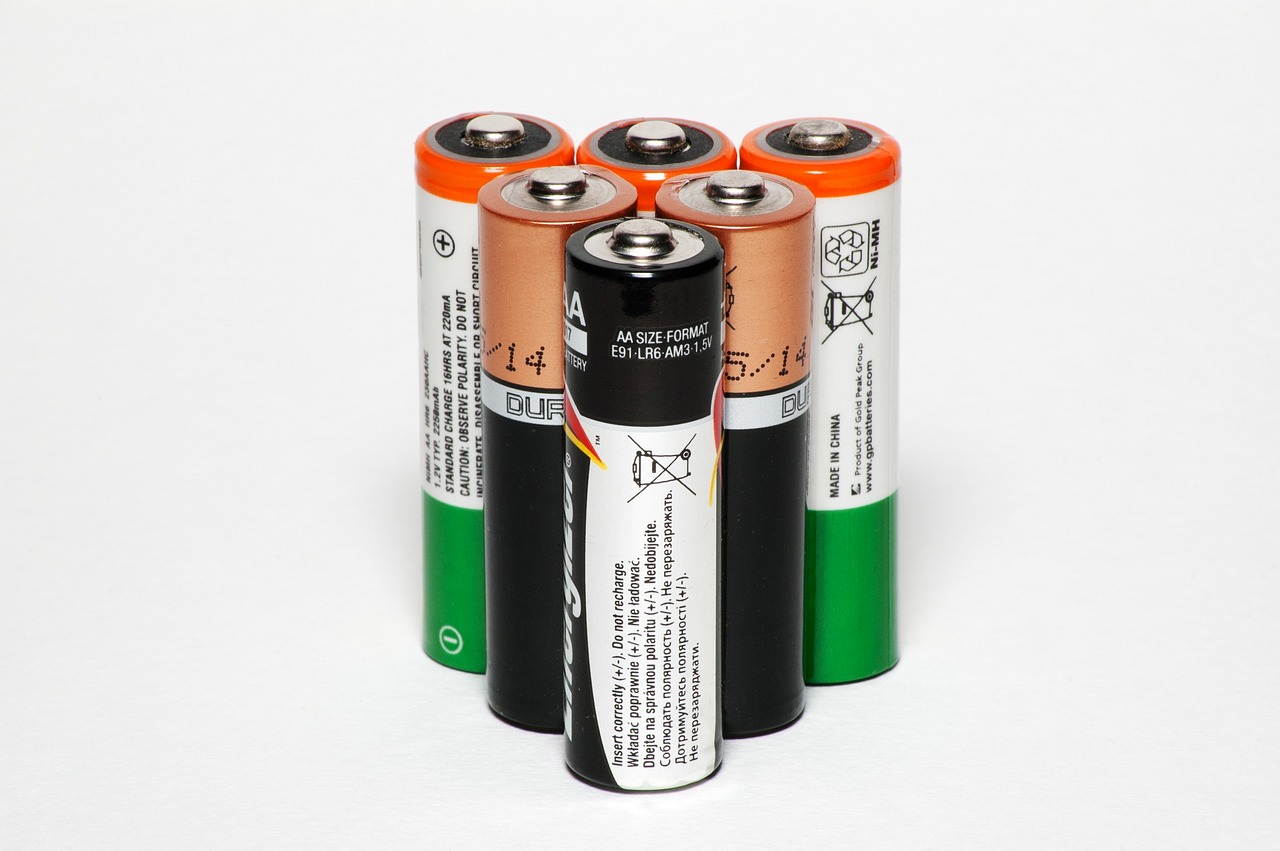
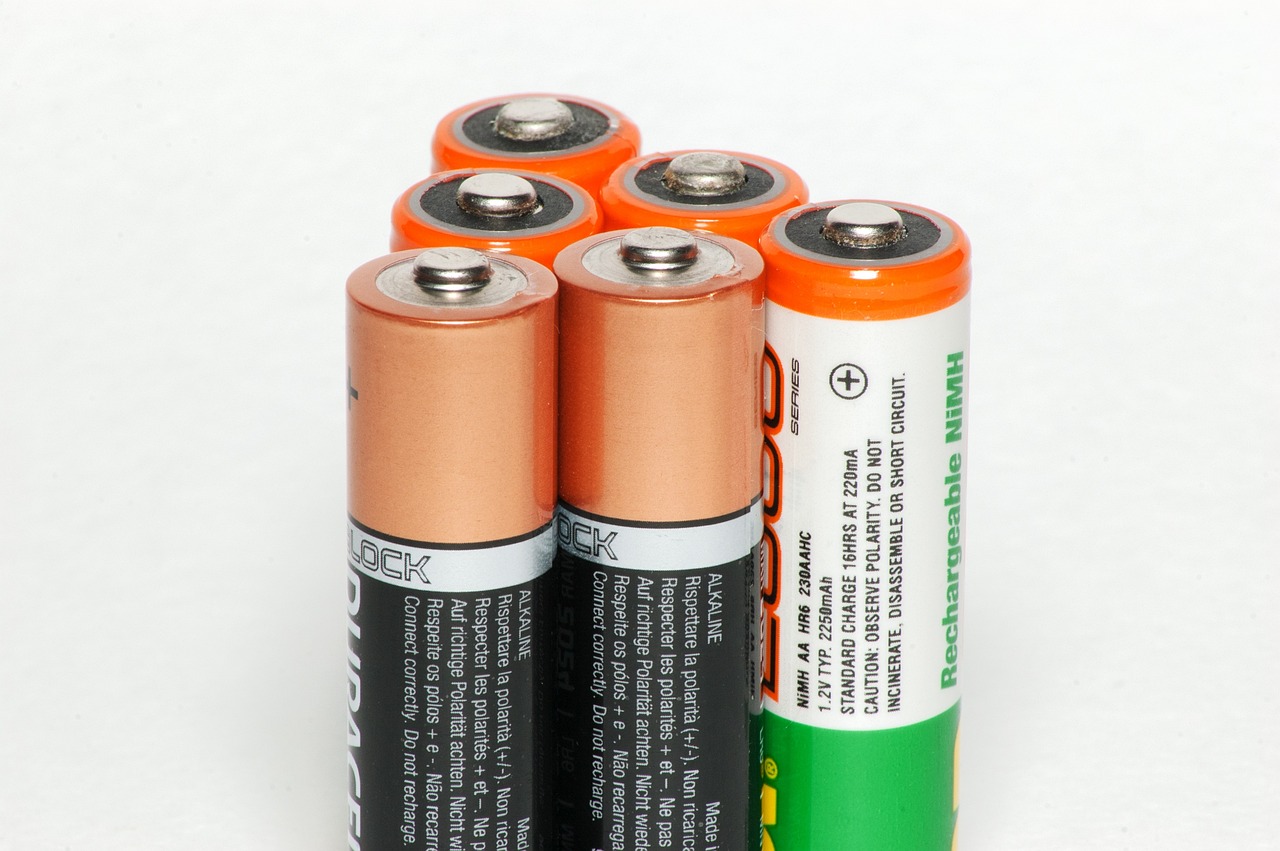
Your battery is one of the most important parts of your vehicle’s electrical system. Every time you start your vehicle, the battery provides the power needed to crank the engine. It also supports electronics when the engine is off and helps stabilize electrical power while the vehicle is operating.
A weak battery can create frustrating and inconvenient problems, including slow starts, clicking sounds, warning lights, or complete failure to start.
A quick battery test can save you from a major inconvenience later.
Your vehicle battery provides electrical energy for several important functions.
The battery sends power to the starter motor, which turns the engine over when you start the vehicle.
The battery can power lights, radio, door locks, alarm systems, and other electronics when the engine is not running.
Once the engine is running, the alternator charges the battery and powers the vehicle’s electrical systems. The battery helps stabilize voltage and support electrical demand.
Modern vehicles use many electrical features, including heated seats, defrosters, infotainment systems, cameras, sensors, lighting, and charging ports. A healthy battery helps support those systems properly.
You should schedule battery testing if you notice any of the following:
Even if your vehicle still starts, a slow crank or weak start can be an early warning sign.
If your engine turns over slowly before starting, the battery may be weak or undercharged. This is one of the most common signs that battery testing is needed.
A clicking sound can happen when the battery does not have enough power to fully engage the starter. It may also point to a starter, cable, or connection issue.
Dim headlights may indicate a weak battery, alternator issue, or poor electrical connection.
Flickering dashboard lights can be related to low voltage, loose battery connections, charging system issues, or electrical concerns.
The battery warning light does not always mean the battery itself is bad. It can also mean the alternator or charging system is not working properly.
If your vehicle needs repeated jump-starts, the battery should be tested. Repeated jump-starting usually means there is an underlying issue.
Corrosion can prevent proper electrical flow between the battery and the vehicle. A battery may test poorly because of poor connections, not only because of battery failure.
A battery may show voltage but still fail under load. Professional testing is more useful than simply checking whether the lights turn on.
Battery testing can help identify several possible conditions.
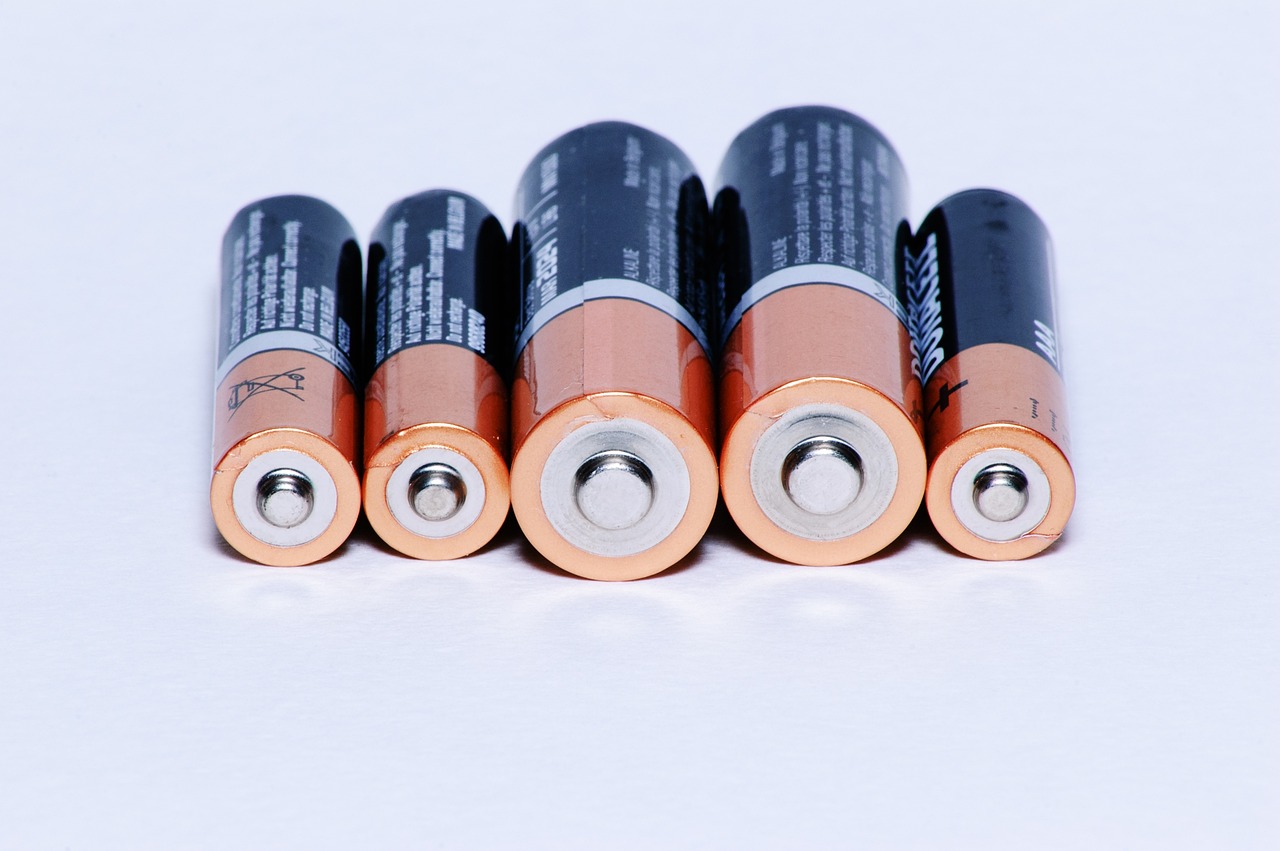
The battery has enough charge and strength to start the vehicle reliably.
The battery may still work, but it may not have enough reserve strength for cold weather, high electrical demand, or repeated starts.

The battery can no longer hold a charge or deliver the power needed to start the vehicle.
The battery may not be fully charged. This can happen from short trips, leaving lights on, long storage, or charging system concerns.
If the alternator is not charging properly, the battery may keep losing power even if the battery itself is not the only issue.
Loose or corroded terminals can cause starting problems even if the battery is still good.
If the battery drains while the vehicle is parked, something may be using power when it should not. This may require further electrical diagnosis.
Battery testing should usually come before battery replacement.
Battery testing checks whether the battery is still healthy or needs replacement. It helps confirm the condition before a decision is made.
Battery replacement is recommended when the battery can no longer perform properly, hold a charge, or provide reliable starting power.
Not every no-start issue is caused by a bad battery. A vehicle may fail to start because of a starter problem, alternator issue, corroded terminal, loose cable, blown fuse, or electrical drain. Battery testing helps avoid replacing the wrong part.
Battery testing checks the battery’s ability to hold charge and provide starting power.
Alternator testing checks whether the alternator is charging the battery properly while the engine is running.
The battery starts the vehicle. The alternator keeps the battery charged while the engine runs. If your battery keeps dying, the charging system may also need to be reviewed.
Battery testing helps determine whether the battery is the likely cause or whether the starter should be checked.
Vehicle batteries weaken over time, but several factors can speed up battery wear.
Batteries naturally lose strength as they age. Older batteries are more likely to fail during extreme weather.
Cold weather reduces battery power and makes the engine harder to start. A battery that works in summer may fail during winter.
Heat can also shorten battery life by damaging internal battery components.
Short trips may not give the alternator enough time to fully recharge the battery.
Interior lights, headlights, phone chargers, or accessories can drain the battery if left on.
Corroded battery terminals can block power flow and create starting problems.
Loose cables can cause intermittent starting or electrical issues.
If the alternator is not charging properly, the battery may drain repeatedly.
Vehicles that sit unused for long periods can lose battery charge. Modern vehicles also have many electrical features that place more demand on the battery and charging system.
Cold weather is one of the biggest challenges for vehicle batteries. In winter, your battery has less available power, while your engine requires more power to start. That means a weak battery may seem fine in mild weather but fail during the first cold morning.
Many drivers think batteries only fail in winter, but heat can also damage batteries. High temperatures can accelerate internal wear and shorten battery life. A battery weakened by summer heat may fail later when cold weather arrives.
If you mostly drive short distances, your battery may not fully recharge between trips. This is common for city drivers, delivery drivers, school drop-offs, and local errands.
At Valvoline Express Care Scarborough, our battery testing service may include:
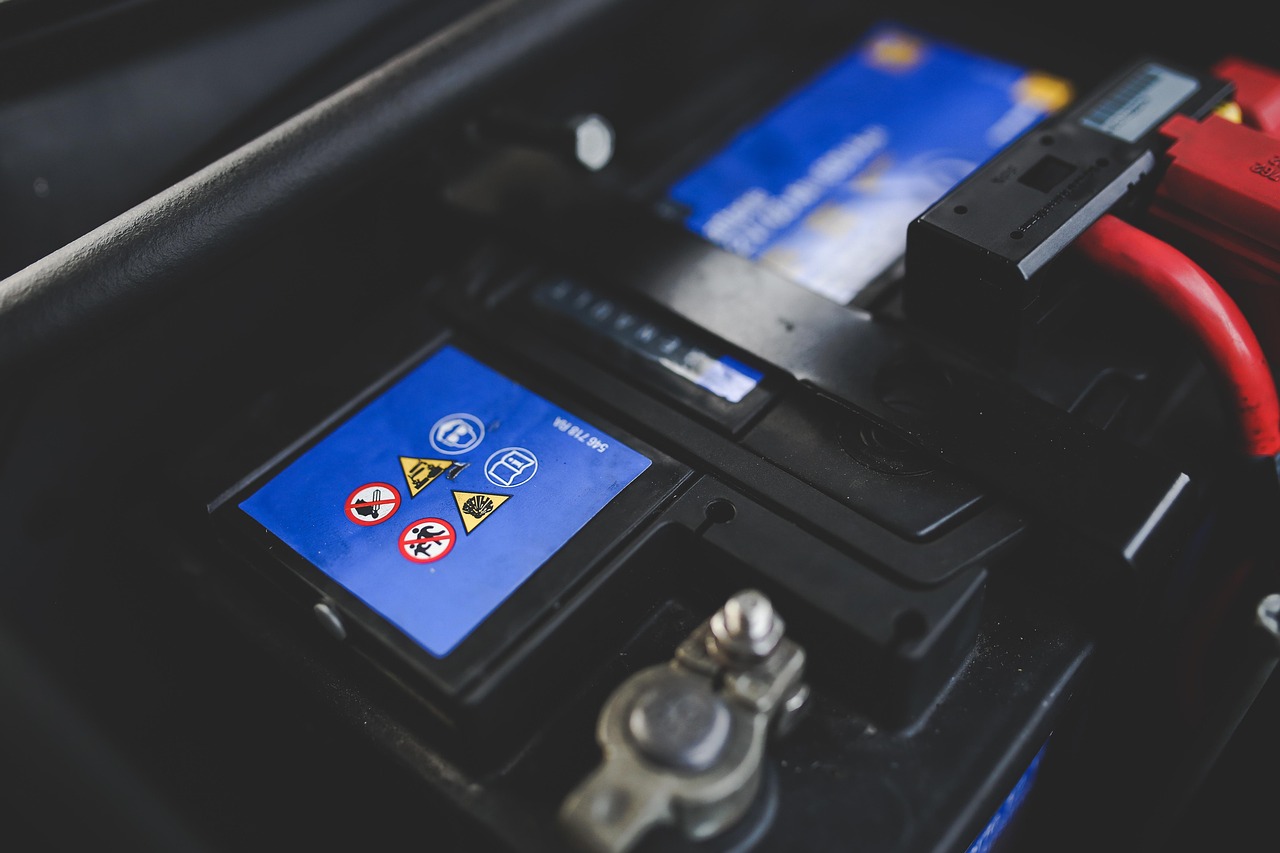
We ask whether you have noticed slow starting, clicking sounds, warning lights, dim lights, frequent jump-starts, or recent battery issues.
We inspect the visible battery area for corrosion, loose terminals, damaged cables, swelling, leaks, or other visible concerns.
We perform a battery test to check the battery’s condition, charge level, and starting strength.
We review whether the battery appears healthy, weak, undercharged, or failing.
If the battery result suggests a charging issue, starter issue, or electrical drain, we explain that further review may be needed.
If the battery is still healthy, we let you know. If it is weak or failing, we recommend replacement or further testing.
A battery test may produce different types of results.

A battery may show voltage but still fail under load. This means it can power small electronics but may not have enough strength to start the engine.
Cold Cranking Amps, often called CCA, measure a battery’s ability to start an engine in cold temperatures. This is especially important in Canadian weather. A battery with low CCA may struggle during winter starts, even if it works during warmer months.
A battery test helps determine whether the battery still has enough starting strength.
Reserve capacity refers to how long a battery can supply power if the charging system is not operating properly. This is useful if the alternator fails or if electrical demand is high. A battery with poor reserve capacity may drain quickly.
If the battery tests good but the vehicle still has starting problems, another system may be involved.
In this case, further diagnostics may be recommended.
If your battery keeps dying, replacing the battery may not always solve the problem. Possible causes include:
If the battery keeps dying, the full charging and electrical system should be reviewed.
You may be able to drive with a weak battery for a short time, but it is risky. A weak battery may fail without warning, especially after the vehicle is turned off.
A weak battery can quickly become a no-start situation.
Before a long drive, road trip, cottage trip, or highway commute, battery testing is a smart precaution.
For Ontario drivers, battery testing before winter is strongly recommended. Cold weather is one of the most common times for weak batteries to fail.
A jump-start may temporarily get the vehicle running, but it does not tell you why the battery died.
Older vehicles and high-mileage vehicles may have more battery and electrical concerns due to age, corrosion, cable wear, alternator wear, starter wear, and electrical demand.
Testing gives you a better understanding of the vehicle’s starting reliability.
If you recently replaced the battery and still have starting problems, the issue may not be the battery.
In this case, further electrical or charging system review may be needed.
To help extend battery life and reduce starting problems:
Good battery maintenance helps prevent inconvenient breakdowns.
You know whether your battery is strong enough to start your vehicle reliably.
Testing can identify a weak battery before it fails completely.
Battery testing helps prepare your vehicle for cold-weather starting demands.
A weak battery can be replaced before it leaves you stranded.
Testing helps determine whether the battery is the issue or whether another system needs attention.
You can drive with greater confidence knowing your battery condition has been checked.

We test your battery and review visible battery condition so you understand its reliability.
We explain the battery test results in simple terms.
If your battery is healthy, we tell you. If it is weak, we explain why replacement may be recommended.
We help Scarborough drivers prepare for cold-weather starting challenges.
We can also help with battery replacement, alternator checks, starter concerns, warning light review, exterior light checks, oil changes, tires, brakes, and general maintenance.
We check your battery’s condition, starting strength, and overall reliability so you can drive with greater confidence.