Tire Inspection

Professional Tire Inspection for Safer, Smoother Driving

Your tires affect your vehicle’s safety, handling, braking, fuel efficiency, and overall driving comfort. A professional tire inspection helps identify wear, damage, low tread, pressure concerns, and potential safety issues before they become bigger problems. At Valvoline Express Care Scarborough, we help you understand the condition of your tires and recommend the right next step with honesty and care.

The Service

What Is a Tire Inspection?

A tire inspection is a detailed check of your tires to evaluate their condition, safety, tread depth, air pressure, wear pattern, and visible damage. Since tires are the only part of your vehicle that touches the road, they play a major role in how safely your vehicle stops, turns, accelerates, and handles different road conditions.

During a tire inspection, a technician looks for signs of wear, cracks, punctures, bulges, uneven tread, low pressure, sidewall damage, and other concerns that may affect performance or safety.

At Valvoline Express Care Scarborough, our tire inspection service helps drivers make informed decisions about tire maintenance, repair, rotation, replacement, and seasonal tire readiness.

Tire inspection
Tire tread condition
Why It Matters

Why Tire Inspection Matters

Tires often wear down slowly, so many drivers do not notice a problem until the vehicle starts pulling, vibrating, sliding, or losing air. Regular tire inspections help detect issues early and reduce the risk of unexpected tire failure.

A tire inspection can help:
  • Improve road safety
  • Identify low tread before it becomes dangerous
  • Detect uneven tire wear
  • Find visible punctures or embedded objects
  • Check for cracks, bulges, and sidewall damage
  • Support better fuel efficiency
  • Improve braking and handling
  • Reduce the risk of blowouts
  • Extend the life of your tires
  • Help prepare your vehicle for winter, rain, or long drives

A simple tire inspection can give you peace of mind and help prevent costly or unsafe driving situations.

The Inspection

What We Check During a Tire Inspection

Tread depth

1. Tread Depth

Tread depth is one of the most important parts of tire safety. The tread is the patterned rubber on the tire that grips the road. As tires wear down, they lose traction, especially on wet, snowy, or icy roads.

Why tread depth matters:
  • Helps maintain traction
  • Helps move water away from the tire
  • Reduces the risk of hydroplaning
  • Supports safer braking
  • Improves control in poor weather
  • Helps determine when tires need replacement

Why it matters: If your tread is too low, your vehicle may take longer to stop and may be harder to control in rain or snow.

Uneven tire wear

2. Uneven Tire Wear

Uneven wear means one part of the tire is wearing faster than another. This may indicate tire pressure problems, alignment issues, suspension concerns, lack of rotation, or wheel balancing problems.

Common uneven wear patterns include:
  • Wear on the inner edge
  • Wear on the outer edge
  • Centre tread wear
  • Both-edge wear
  • Cupping or scalloping
  • Patchy or irregular wear

Why it matters: Uneven wear should not be ignored because it can shorten tire life and affect how your vehicle handles.

Tire pressure

3. Tire Pressure

Proper tire pressure is essential for safety, fuel efficiency, tire life, and ride comfort. Tires can naturally lose air over time, and pressure can change with temperature.

Low tire pressure can cause:
  • Poor fuel economy
  • Uneven wear
  • Reduced handling
  • Longer stopping distance
  • Tire overheating
  • Higher risk of tire damage
Overinflated tires can cause:
  • Rough ride
  • Reduced traction
  • Faster centre tread wear
  • Increased impact damage risk
  • Less stable handling

What we do: During a tire inspection, tire pressure can be checked and adjusted according to the manufacturer’s recommended specification.

Sidewall condition

4. Sidewall Condition

The sidewall is the outer side of the tire. It helps support the tire structure and absorbs road impact. Sidewall damage can be serious because it may weaken the tire.

Sidewall issues may include:
  • Cracks
  • Cuts
  • Bulges
  • Bubbles
  • Scrapes
  • Dry rot
  • Impact damage
  • Exposed cords

Why it matters: A bulge or bubble on the sidewall can be a sign of internal tire damage and should be inspected immediately.

Punctures and embedded objects

5. Punctures and Embedded Objects

Nails, screws, glass, metal, and sharp road debris can become lodged in the tire. Sometimes the tire may lose air quickly. Other times, the leak may be slow and difficult to notice.

We look for:
  • Nails
  • Screws
  • Sharp objects
  • Slow leak signs
  • Visible puncture areas
  • Air loss concerns

Good to know: Not every puncture can be repaired. The repairability depends on the location, size, tire condition, and whether the tire was driven while flat.

Cracks and dry rot

6. Cracks and Dry Rot

Tires age over time, even if the tread still looks usable. Rubber can dry out, crack, and lose flexibility due to age, sunlight, heat, cold, road salt, and weather exposure.

Signs of aging tires include:
  • Small cracks between tread blocks
  • Cracks on the sidewall
  • Brittle-looking rubber
  • Faded or dry tire surface
  • Reduced grip
  • Air loss

Why it matters: Cracked or dry-rotted tires may not be safe for long-term use, even if tread depth appears acceptable.

Bulges and bubbles

7. Bulges and Bubbles

A bulge or bubble usually means the tire has internal damage. This can happen after hitting a pothole, curb, road debris, or driving on low pressure.

Why this matters: A tire with a bulge may fail suddenly. It should be inspected as soon as possible and may need replacement for safety.

Tire age

8. Tire Age

Tires have a manufacturing date printed on the sidewall. Even if a tire has good tread, it may still become unsafe as the rubber ages.

Tire age matters because:
  • Rubber hardens over time
  • Cracks may develop
  • Traction may decrease
  • Structural strength may weaken
  • Weather exposure can accelerate aging

Why it matters: Older tires should be inspected regularly, especially before long-distance driving or seasonal changes.

Valve stem condition

9. Valve Stem Condition

The valve stem is where air is added to the tire. A damaged or worn valve stem can cause slow air leaks.

Valve stem issues may include:
  • Cracking
  • Looseness
  • Air leakage
  • Missing valve cap
  • Damage from age or impact

Good to know: A slow tire leak is not always caused by a puncture. Sometimes the valve stem or wheel seal may be the issue.

Wheel and rim area

10. Wheel and Rim Area

The wheel supports the tire and helps maintain the air seal. Damage or corrosion around the rim can lead to vibration or slow air loss.

Wheel-related concerns may include:
  • Bent rim
  • Cracked wheel
  • Corrosion
  • Bead leak
  • Impact damage
  • Missing wheel weights
  • Air loss at the rim

Why it matters: If the tire keeps losing air but no puncture is found, the wheel area may need closer review.

Warning Signs

Signs You Need a Tire Inspection

You should schedule a tire inspection if you notice any of the following.

Even if your vehicle feels normal, regular inspections are still important because some tire issues are not obvious while driving.

  • Tire pressure warning light is on
  • One tire keeps losing air
  • Vehicle pulls to one side
  • Steering wheel vibrates
  • Car feels unstable
  • Tires look worn
  • Tread looks low
  • You see cracks or bulges
  • There is a nail or screw in the tire
  • You hear thumping or humming noises
  • Vehicle slips in rain or snow
  • Braking feels less confident
  • You hit a pothole or curb
  • Tires are wearing unevenly
  • You are preparing for a long trip
  • You are switching seasons
  • You recently purchased a used vehicle
Read the Tread

Common Tire Wear Patterns and What They Mean

Centre Wear

If the centre of the tire is more worn than the edges, the tire may have been overinflated. Overinflation causes the centre section to carry more of the load.

Edge Wear

If both outer edges are worn, the tire may have been underinflated. Underinflation causes the outside edges to carry more weight.

Inner or Outer Edge Wear

If only one side of the tire is worn, it may indicate alignment issues, suspension wear, or steering-related concerns.

Cupping or Scalloping

Cupping looks like uneven dips around the tire tread. It may be related to worn suspension parts, imbalance, or tire movement while driving.

Patchy Wear

Patchy or random wear may be caused by imbalance, tire damage, poor rotation history, suspension problems, or wheel issues.

Feathering

Feathering happens when tread ribs feel smooth on one side and sharp on the other. This may indicate alignment or toe-angle concerns.

A tire inspection helps identify these patterns and determine whether tire rotation, balancing, alignment review, suspension inspection, or replacement may be needed.

Safety First

How Tire Condition Affects Safety

Your tires influence how well your vehicle performs in emergency situations. Worn or damaged tires can reduce your ability to stop, turn, and maintain control.

Braking

Low tread can increase stopping distance, especially on wet or slippery roads.

Uneven or damaged tires can make the vehicle feel unstable, especially at higher speeds or during turns.

Tires with poor tread may lose grip in rain, snow, slush, or ice.

Worn tires cannot move water away as effectively, increasing the chance of hydroplaning.

Damaged, underinflated, or weakened tires are more likely to fail suddenly.

Local Climate

Tire Inspection for Canadian Weather

In Scarborough and the Greater Toronto Area, tires experience changing weather throughout the year. Cold winters, hot summers, rain, snow, slush, potholes, and road salt can all affect tire condition.

Winter conditions

Winter Conditions

Winter driving requires good tread depth and proper tire pressure. Cold weather can reduce tire pressure and harden certain tire compounds.

Rainy conditions

Rainy Conditions

Good tread helps move water away from the tire and improves grip on wet roads.

Summer heat

Summer Heat

Hot pavement can increase tire pressure and stress tire rubber, especially if tires are already worn or underinflated.

Pothole season

Pothole Season

Potholes can damage tires, wheels, alignment, and suspension components. A tire inspection is recommended after a hard impact.

Seasonal tire inspections are especially useful in Canadian driving conditions.

Before You Travel

Tire Inspection Before a Long Drive

Before a long trip, cottage drive, business commute, or highway travel, it is smart to have your tires checked. Tire problems can become more serious at highway speeds or during extended driving.

This gives you greater confidence before spending hours on the road.

A pre-trip tire inspection can help check:
  • Tire pressure
  • Tread depth
  • Sidewall condition
  • Punctures
  • Cracks or bulges
  • Uneven wear
  • Spare tire condition, where applicable
  • Tire age
  • Wheel concerns
High Mileage

Tire Inspection for Older or High-Mileage Vehicles

Older vehicles and high-mileage vehicles often need closer tire attention because suspension wear, alignment issues, and long-term driving habits can affect tire condition.

A tire inspection is especially important if:
  • The vehicle has high mileage
  • Tires have not been rotated regularly
  • Suspension components are older
  • Steering feels loose
  • Tires wear unevenly
  • The vehicle pulls to one side
  • You recently bought the vehicle used
  • Tires are older than expected

The tire condition can also reveal clues about other vehicle systems.

Older vehicle tires
Know the Difference

Tire Inspection vs. Other Tire Services

A tire inspection is often confused with the services that follow it. They are different, and an inspection is what tells you which one you actually need.

Tire Inspection vs. Tire Rotation

Inspection

Tire Inspection

A tire inspection checks the tire’s condition, pressure, tread depth, damage, wear pattern, and safety.

Service

Tire Rotation

Tire rotation moves tires from one position to another to promote more even tread wear.

How they work together

A tire inspection helps determine whether rotation is recommended or whether there are other issues that should be addressed first.

Tire Inspection vs. Tire Balancing

Inspection

Tire Inspection

A tire inspection looks for visible tire condition concerns and safety issues.

Service

Tire Balancing

Tire balancing corrects uneven weight distribution in the tire and wheel assembly.

How they work together

If you feel vibration while driving, the tires may need balancing, but inspection should come first to check for damage, uneven wear, or wheel issues.

Tire Inspection vs. Wheel Alignment

Inspection

Tire Inspection

A tire inspection checks tire condition and wear patterns.

Service

Wheel Alignment

Wheel alignment adjusts the angles of the wheels so they meet the road properly.

How they work together

If a tire inspection shows one-sided or uneven wear, alignment may need to be reviewed.

Repair or Replace

Can a Tire Be Repaired?

A tire may be repairable if the puncture is small and located in the safe repair area of the tread. However, not every tire can be repaired.

A tire inspection helps determine whether repair or replacement is the safer option.

A tire may not be repairable if:
  • The puncture is in the sidewall
  • The puncture is too large
  • The tire was driven while flat
  • There is internal damage
  • The tread is too low
  • There are multiple punctures close together
  • There is a bulge or bubble
  • The tire is cracked or dry-rotted
  • The tire has exposed cords
The Cost of Waiting

What Happens If You Ignore Tire Problems?

Ignoring tire concerns can lead to:

  • Reduced traction
  • Longer stopping distance
  • Poor handling
  • Uneven tire wear
  • Lower fuel economy
  • Tire blowout
  • Wheel damage
  • Suspension strain
  • Higher replacement costs
  • Increased accident risk
Important

Tires are too important to leave unchecked. Routine inspection is a simple way to protect your vehicle and your safety.

Worn tire
What We Do

What Is Included in Our Tire Inspection Service?

At Valvoline Express Care Scarborough, our tire inspection may include:

Tread Depth Review

We check whether your tires have enough tread for safe driving.

Tire Pressure Check

We check tire pressure and compare it to the vehicle’s recommended level.

Wear Pattern Review

We look for signs of uneven wear that may indicate alignment, balancing, rotation, or suspension concerns.

Sidewall Inspection

We inspect visible sidewall condition for cracks, bulges, cuts, and damage.

Puncture Review

We look for nails, screws, sharp objects, or visible punctures.

Valve Stem and Cap Check

We check visible valve stem condition and note missing or damaged caps.

Wheel Area Review

We check for visible wheel or rim concerns that may affect tire performance or air loss.

Tire Age Awareness

Where applicable, we review tire age and visible signs of aging.

Honest Recommendation

We explain what we find and recommend whether your tires need pressure adjustment, rotation, balancing, repair, replacement, or further inspection.

How It Works

Our Tire Inspection Process

Tire inspection in progress

We confirm your vehicle details and ask if you have noticed tire pressure warnings, vibration, pulling, air loss, noise, or poor traction.

We inspect the tires for visible wear, cracks, bulges, punctures, sidewall damage, and overall condition.

We check tread condition and look for uneven wear patterns.

We check tire pressure and adjust it where appropriate based on manufacturer recommendations.

We look for visible wheel damage, valve stem concerns, or signs of air leaks.

We explain the tire condition in clear, simple language.

If service is needed, we recommend the next step, such as rotation, balancing, flat repair, seasonal change, alignment review, or tire replacement.

Driver Tips

Tire Maintenance Tips for Drivers

To keep your tires in better condition:

  • Check tire pressure regularly
  • Inspect tires for visible damage
  • Rotate tires at recommended intervals
  • Do not ignore vibration
  • Watch for uneven wear
  • Replace tires before tread becomes unsafe
  • Use winter tires for cold and snowy conditions
  • Avoid driving on flat or underinflated tires
  • Have tires checked after hitting a pothole
  • Check tires before long trips
  • Store seasonal tires properly
  • Replace damaged valve caps
  • Keep up with suspension and alignment maintenance

Good tire maintenance helps improve safety, comfort, and tire life.

Local & Trusted

Why Choose Valvoline Express Care Scarborough for Tire Inspection?

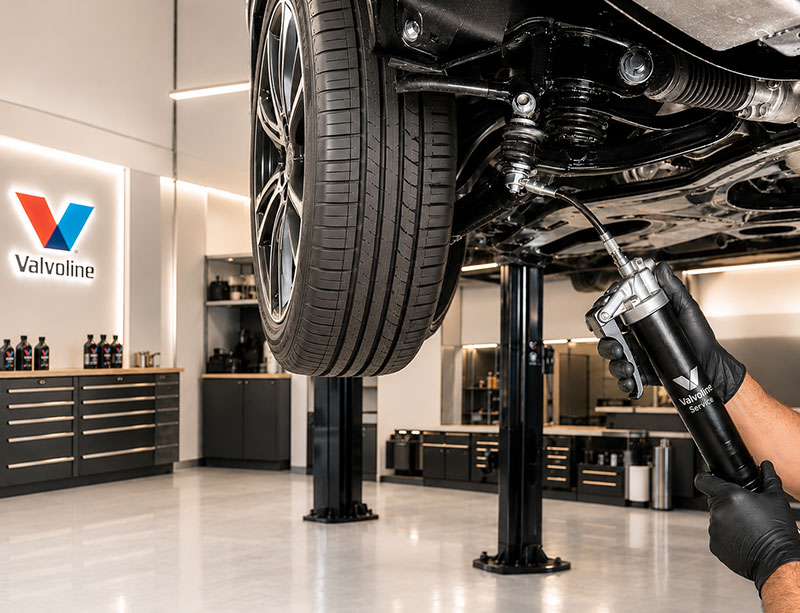
Valvoline Express Care service bay

Safety-Focused Service

We check for tire concerns that may affect braking, handling, traction, and stability.

Clear Communication

We explain your tire condition in practical terms so you understand your options.

Honest Recommendations

We recommend only what makes sense based on the condition of your tires.

Convenient Maintenance Support

Tire inspections can often be completed during routine service, oil changes, or seasonal maintenance.

Local Scarborough Auto Care

We understand the driving conditions that affect tires in Scarborough and the Greater Toronto Area.

Ready When You Are

Book Your Tire Inspection Today

Your tires are the only part of your vehicle that touches the road. We help you understand their condition and recommend the right next step with honesty and care.