Engine Warms Up
The engine warms up.
Your vehicle’s heating system keeps the cabin warm, helps clear fog and frost from your windows, and supports safer winter driving. If your heater is blowing cold air, the cabin takes too long to warm up, your defroster is weak, or you notice a coolant smell inside the vehicle, Valvoline Express Care Scarborough can inspect the heating system and provide clear, honest recommendations.
A heating system check is a professional inspection of the components that help produce warm air inside your vehicle and support proper windshield defrosting. Your vehicle’s heater depends on the engine cooling system, coolant flow, heater core, blower motor, cabin air filter, vents, climate controls, and related components.
When the heating system is not working properly, you may experience cold air from the vents, weak airflow, foggy windows, poor defrosting, coolant smells, or an engine temperature concern. In some cases, a heating issue may also point to a larger cooling system problem, such as low coolant, a coolant leak, thermostat failure, or heater core restriction.
At Valvoline Express Care Scarborough, our heating system check helps identify why your vehicle is not warming properly and what service may be needed to restore comfort, visibility, and reliability.

A working heating system is especially important in Ontario winters. It keeps you and your passengers comfortable, but it also plays a major role in safety by helping clear frost, fog, and condensation from your windshield.
If your vehicle has poor heat or weak defrosting, it should be checked before the weather gets colder.
Your vehicle’s heater uses heat from the engine to warm the cabin. As the engine runs, coolant circulates through the engine and absorbs heat. That hot coolant then flows through a small radiator-like component called the heater core. The blower motor pushes air across the heater core and sends warm air through the vents into the cabin. The process usually works like this:
The engine warms up.
Coolant absorbs heat from the engine.
Hot coolant flows through the heater core.
The blower motor pushes air across the heater core.
Warm air moves through the vents.
Climate controls direct the warm air to the cabin, floor, or windshield defroster.
If coolant is low, the thermostat is stuck, the heater core is restricted, or the blower motor is not working properly, the heating system may not perform as expected.
The heater core is a small heat exchanger located inside the vehicle’s HVAC system. Hot coolant flows through it, and air passes over it to create warm cabin air.
Why It Matters: If the heater core is clogged, leaking, or restricted, the cabin may not warm properly. A leaking heater core may also cause a sweet smell, foggy windows, or damp carpet.

Coolant helps regulate engine temperature and also provides the heat used by the heater core.
Why It Matters: Low or contaminated coolant can cause weak heat, overheating, poor circulation, and possible engine damage.

The thermostat controls coolant flow between the engine and radiator. It helps the engine reach and maintain proper operating temperature.
Why It Matters: If the thermostat is stuck open, the engine may take too long to warm up and the heater may blow cool air. If it is stuck closed, the engine may overheat.
The blower motor pushes air through the vents into the cabin.
Why It Matters: If the blower motor is weak or failing, the heater may produce warm air, but very little air may come out of the vents.
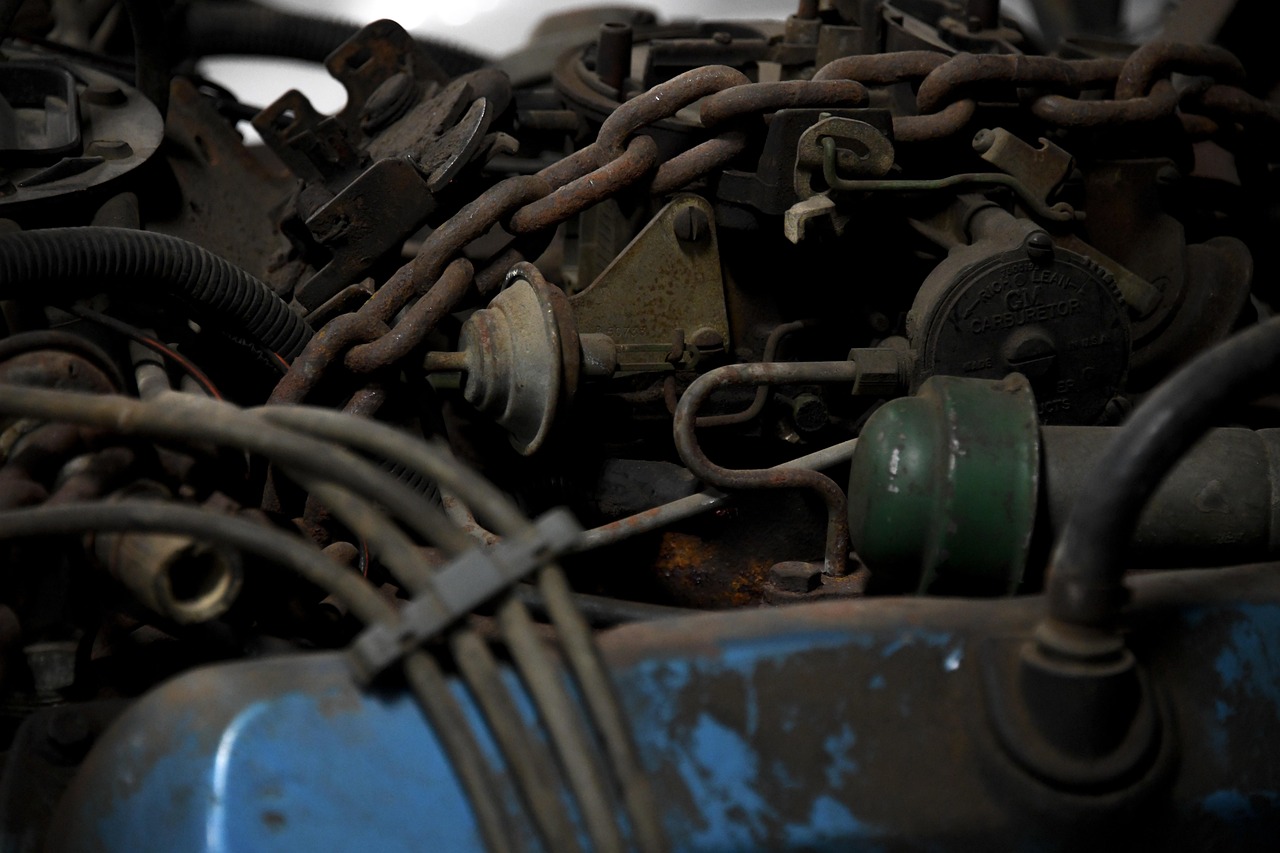
The cabin air filter helps filter dust, pollen, debris, and other particles from the air entering the cabin.
Why It Matters: A dirty cabin air filter can reduce airflow, make the heater feel weak, contribute to odours, and affect defrosting performance.
Heater hoses carry hot coolant from the engine to the heater core and back.
Why They Matter: Cracked, leaking, blocked, or collapsed heater hoses can reduce heat output and cause coolant loss.
The blend door controls how much air passes through the heater core and how much bypasses it. This helps adjust cabin temperature.
Why It Matters: If the blend door is stuck or not responding, the heater may blow cold air even when the engine is warm.
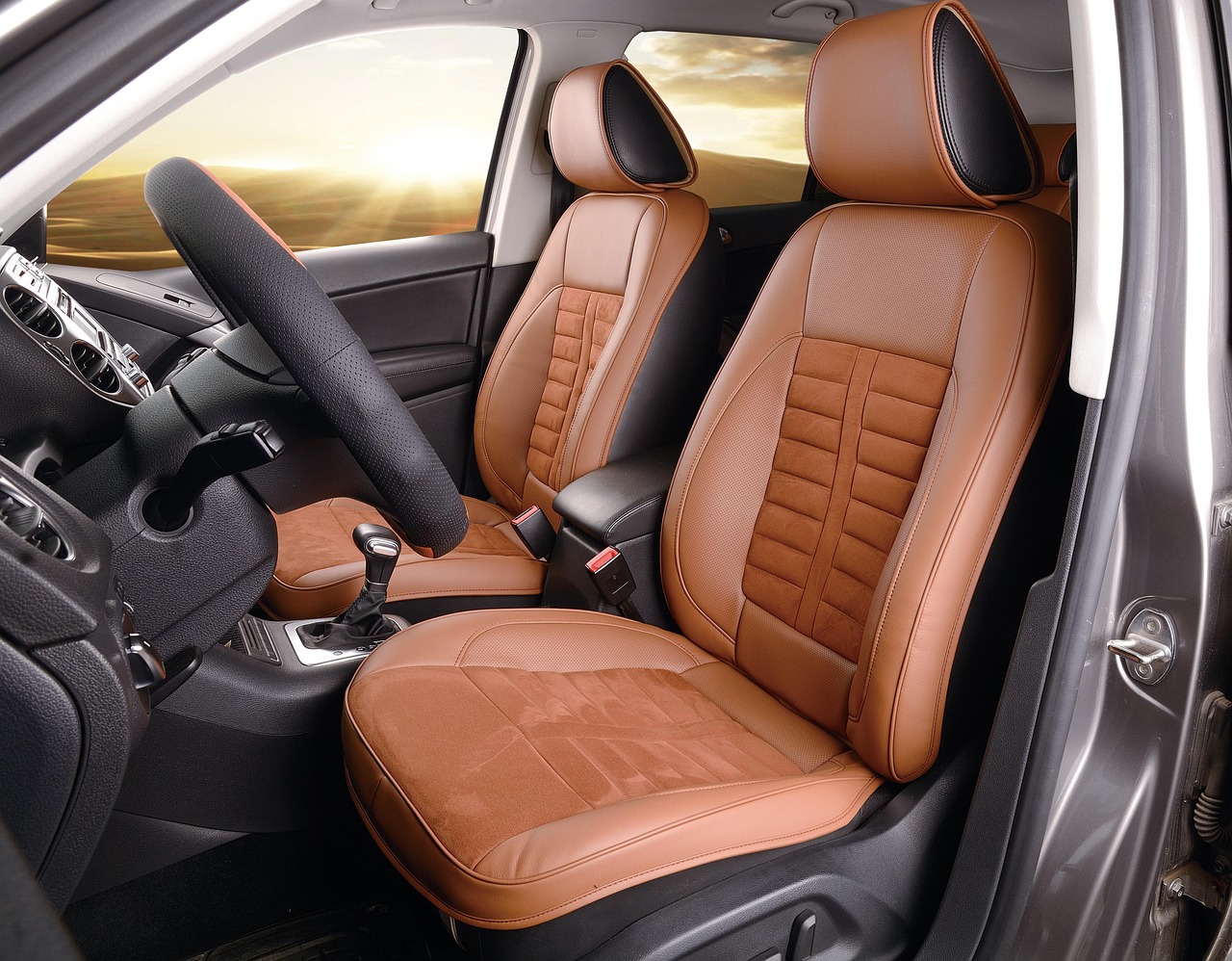
The climate controls include buttons, knobs, sensors, actuators, and electronic controls that manage temperature, fan speed, and airflow direction.
Why It Matters: If the control system is not working properly, air may not blow from the correct vents or the temperature may not change as expected.
The water pump circulates coolant through the engine, radiator, and heater core.
Why It Matters: If coolant is not circulating properly, the engine may overheat and the heater may not produce consistent warm air.

The radiator helps remove heat from the engine coolant.
Why It Matters: The heating system is connected to the cooling system. A radiator, coolant, thermostat, or circulation problem can affect heater performance.
You should schedule a heating system check if you notice:
Heating problems can be connected to comfort, visibility, and engine cooling. Early inspection helps prevent bigger issues.

If the heater blows cold air, the issue may be caused by low coolant, thermostat problems, heater core restriction, air trapped in the cooling system, blend door failure, or coolant circulation problems.
Weak heat may mean the system is producing some warmth but not enough. This may be caused by low coolant, a partially clogged heater core, thermostat issues, poor airflow, or a dirty cabin air filter.
If no air comes out of the vents, the issue may involve the blower motor, blower motor resistor, fuse, relay, wiring, HVAC controls, or blocked airflow.

If air comes out weakly even when the fan is set high, the issue may be a dirty cabin air filter, blower motor problem, blocked vents, or HVAC door concern.
Cabin Air Filter Replacement
Foggy windows can be caused by poor defrosting, weak heat, moisture inside the cabin, dirty cabin air filter, A/C dehumidification issues, or a possible heater core leak.

A sweet smell may indicate coolant vapour. This can happen if coolant is leaking near the heater core or inside the HVAC system.
This may point to low coolant, poor coolant circulation, air in the cooling system, thermostat concerns, or water pump issues.
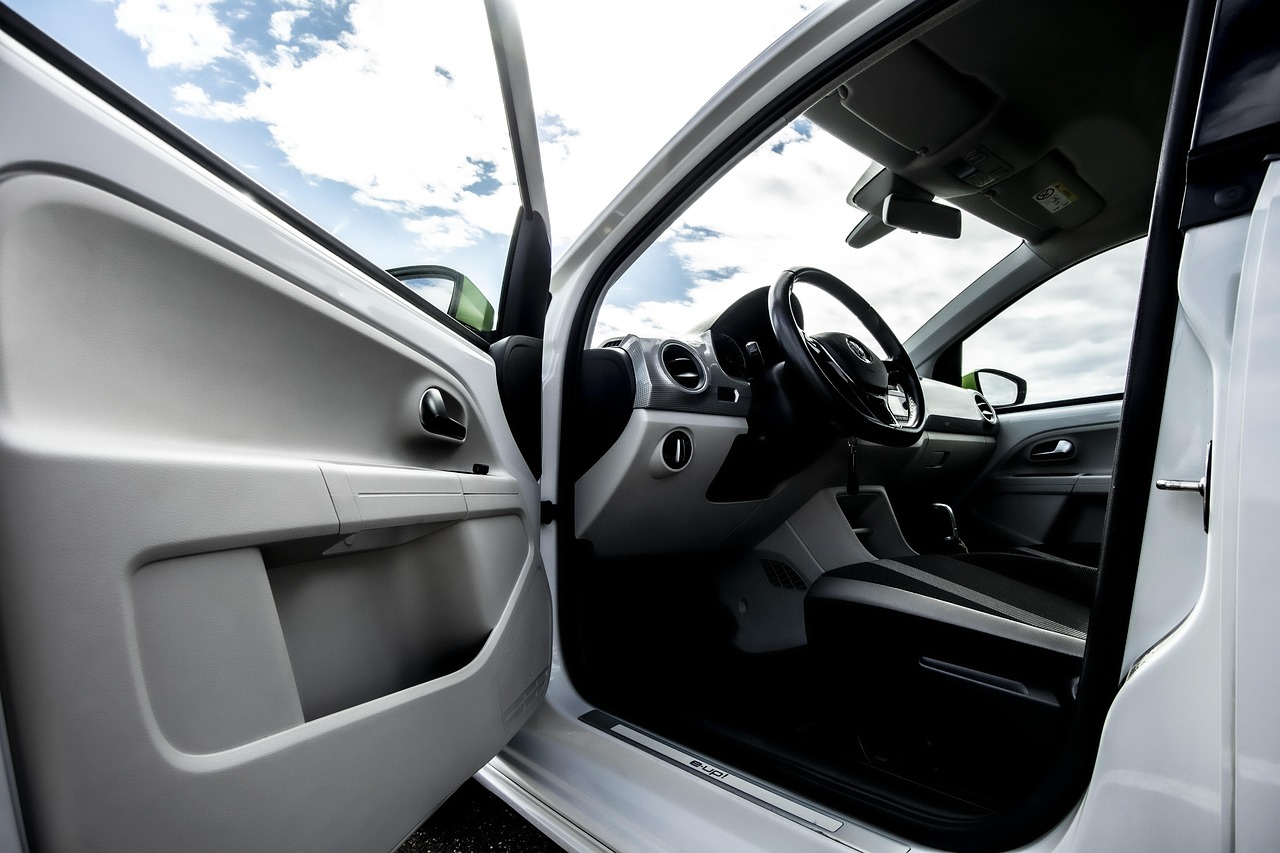
Vehicles with dual-zone climate control may experience uneven heat if a blend door actuator, sensor, or climate control component is not working properly.
Cold air from the heater is one of the most common heating system complaints. Possible causes include:
Because the heater depends on the engine cooling system, poor heat should not be ignored. It may be a sign of a coolant or engine temperature issue.
A coolant level check is one part of a heating system check, but it is not the whole service.
This checks whether the coolant level is low and whether visible coolant concerns are present.
This reviews heater performance, airflow, coolant level, heater core symptoms, thermostat concerns, blower operation, cabin filter condition, and defroster performance.
If the heater is blowing cold air, checking coolant is important, but the full heating system may need review.
The thermostat helps the engine warm up and maintain operating temperature.
A heating system check may lead to a thermostat recommendation if the engine is not reaching the correct temperature.
The heater core is a major part of the heating system, but it is not the only possible cause of poor heat.
A heater core issue may require deeper inspection if symptoms point in that direction.
A dirty cabin air filter can reduce airflow and make the heater feel weak, but it does not usually stop the heater from producing heat.
Both can affect heating comfort, so both may be reviewed.
The heating system creates warm air, but the blower motor moves that air into the cabin.
If the air is warm but not moving well, the blower system may be involved.
Your heater plays a critical role in defrosting and defogging your windshield. In winter, weak defrosting can become a serious visibility problem. A weak defroster may be caused by:
A proper heating system check helps identify why the windshield is not clearing properly.
Heating problems and engine overheating can be connected because both involve coolant flow. If the engine overheats and the heater blows cold air, there may be a serious coolant circulation or low coolant issue. Possible causes include:
If the temperature warning light comes on or the engine overheats, stop driving safely and have the vehicle inspected. Continuing to drive with overheating can cause serious engine damage.
A coolant leak can reduce heating performance and lead to overheating. Coolant leaks may happen under the hood, under the vehicle, or inside the cabin. Common leak areas include:
Coolant leaks should be checked promptly.
Scarborough and the Greater Toronto Area experience cold mornings, snow, slush, freezing rain, road salt, traffic, and sudden temperature changes. These conditions make a reliable heating system especially important. Local winter conditions can expose:
A pre-winter heating system check can help prevent uncomfortable and unsafe driving conditions.
Before winter arrives, your vehicle’s heating system should be ready for cold starts, frosty windows, and snowy commutes. A pre-winter heating system check may include:
It is better to identify heating problems before freezing temperatures arrive.
Before a road trip, family visit, cottage drive, or long winter commute, heating and defrosting should be checked if performance feels weak. A pre-trip heating system check can help identify:
Comfort and visibility are both important during long drives.

Older and high-mileage vehicles may be more likely to experience heating system concerns due to age, coolant contamination, heater core restriction, hose wear, thermostat failure, and blower motor wear. A heating system check is especially helpful if:
Regular inspection helps keep older vehicles more dependable in cold weather.
At Valvoline Express Care Scarborough, a heating system check may include:
We ask what you are experiencing, such as cold air from the vents, weak heat, foggy windows, coolant smell, overheating, or weak airflow.
We review when the problem happens: at startup, while idling, while driving, in extreme cold, or after the vehicle warms up.
We review cabin heat and defrosting performance where applicable.
We check visible coolant level and look for signs of leaks or coolant loss.
We check blower operation and airflow strength from the vents.
We consider whether the issue may involve the thermostat, heater core, hoses, cabin filter, blower motor, blend door, or cooling system.
We explain the likely concern in simple, practical language.
If service is needed, we recommend the next step, such as coolant service, leak repair, thermostat review, cabin air filter replacement, blower motor check, heater core inspection, or further diagnosis.
Heating system service may be recommended if:
The correct service depends on the cause of the heating problem.
In some cases, you can drive with a weak heater, but it may not be safe or wise if visibility or engine temperature is affected.
Heating problems connected to coolant loss or overheating should be addressed promptly.
Ignoring heating system problems can lead to:
A heater issue may be more than a comfort problem. It may be an early warning sign of cooling system trouble.
To help keep your heating system working properly:
Good maintenance helps protect comfort, visibility, and engine health.
A heating system check helps keep your cabin warm during cold weather.
Strong heat and airflow help clear fog, frost, and condensation from windows.
Poor heat may reveal low coolant, leaks, thermostat issues, or heater core concerns.
Because the heater is connected to the cooling system, inspection can help identify overheating risks.
Heating problems can have many causes. A professional check helps identify the right next step.
You know whether your vehicle is ready for winter driving and daily commutes.
We understand that heating affects both passenger comfort and windshield visibility.
We explain heater, coolant, airflow, and defrosting concerns in simple language.
We recommend service based on actual symptoms, visible condition, and safety needs.
We understand how Ontario winter, road salt, traffic, and seasonal changes affect heating and cooling systems.
We can also help with coolant checks, hose inspections, radiator inspection, A/C checks, cabin air filter replacement, engine care, oil changes, brakes, tires, batteries, and general maintenance.
We inspect the heating system and provide clear, honest recommendations to restore comfort, visibility, and reliability.