Hose Inspection

Professional Hose Inspection to Help Prevent Leaks, Overheating, and Breakdowns

Your vehicle’s hoses carry essential fluids and air through important engine systems. Over time, hoses can crack, leak, soften, harden, or weaken from heat, pressure, and age. At Valvoline Express Care Scarborough, we inspect visible engine hoses to help identify wear before it turns into a larger repair.

The Service

What Is a Vehicle Hose Inspection?

A hose inspection is a careful review of the visible hoses under the hood and around key engine systems. Your vehicle relies on hoses to move coolant, air, fuel vapour, vacuum pressure, and other fluids or gases through different parts of the engine and related systems.

Although hoses may look simple, they play an important role in keeping your vehicle running safely and reliably. A damaged hose can lead to coolant leaks, overheating, poor engine performance, fluid loss, warning lights, or even a roadside breakdown.

At Valvoline Express Care Scarborough, our hose inspection service helps identify visible signs of wear, leaks, soft spots, cracking, swelling, loose connections, and other concerns that may require attention.

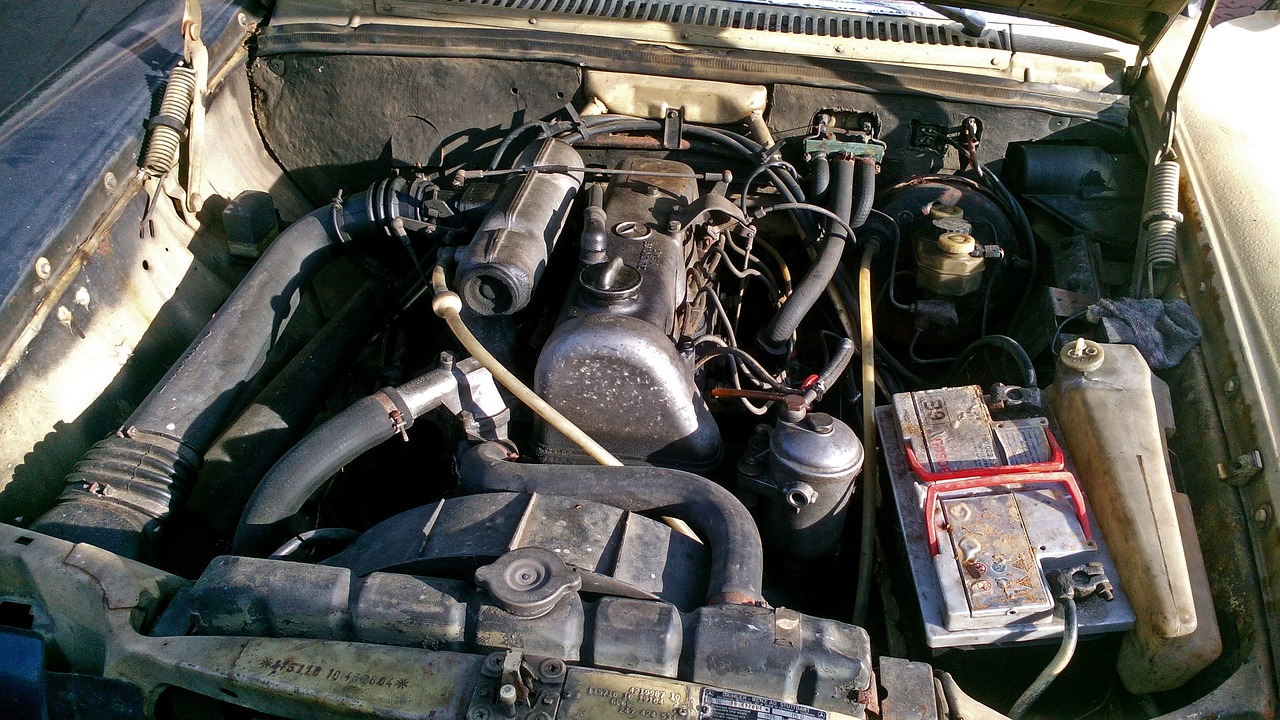
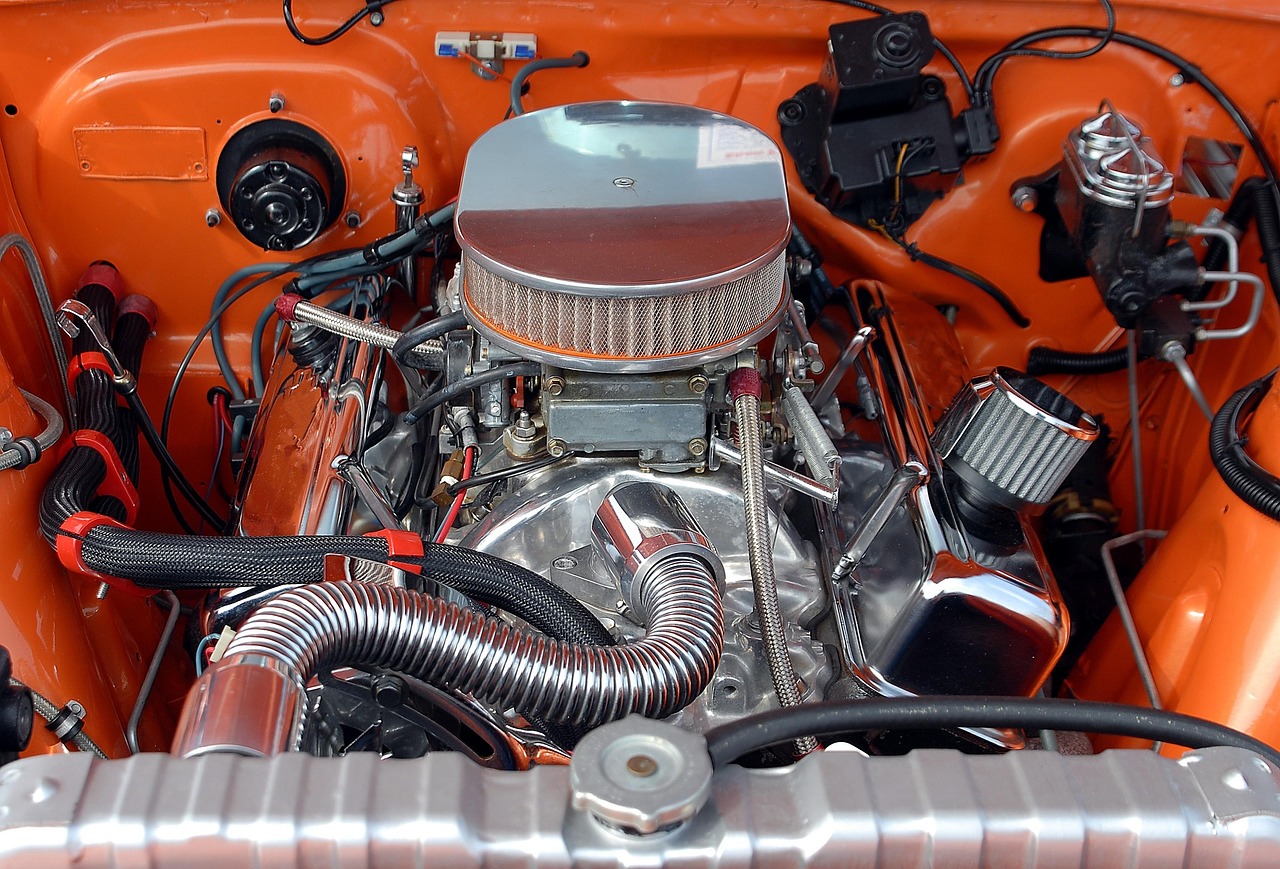
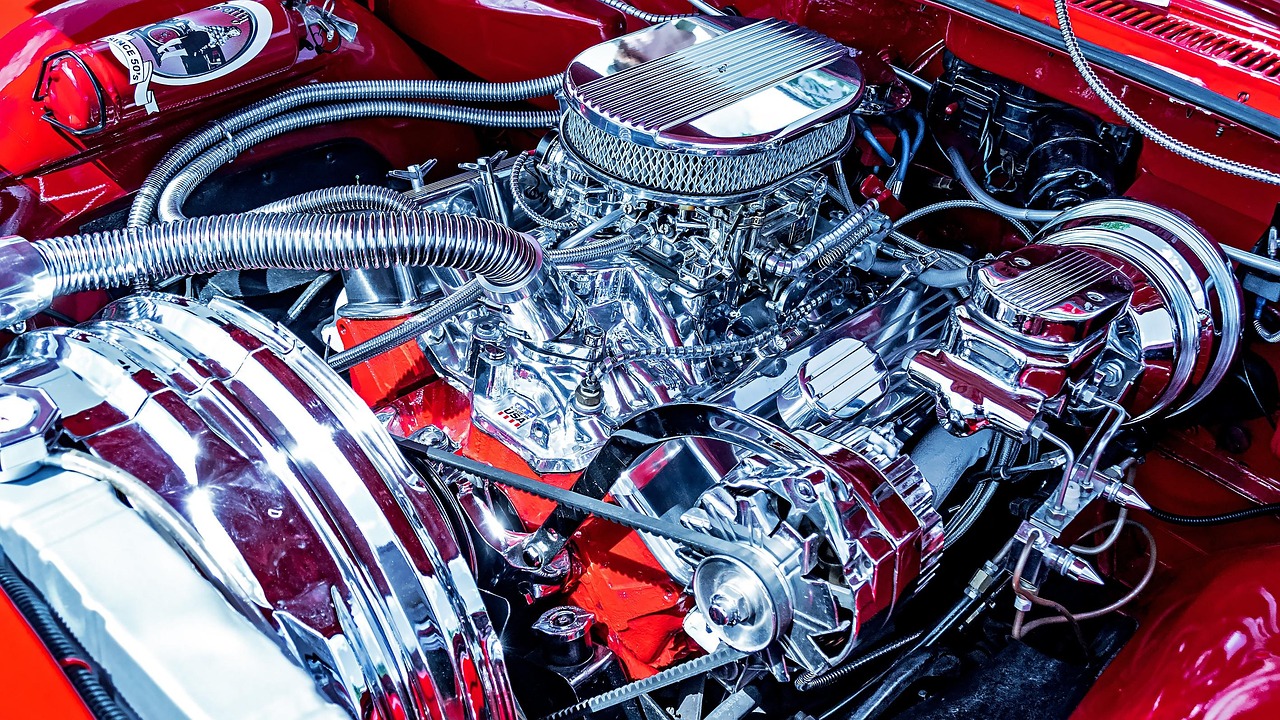
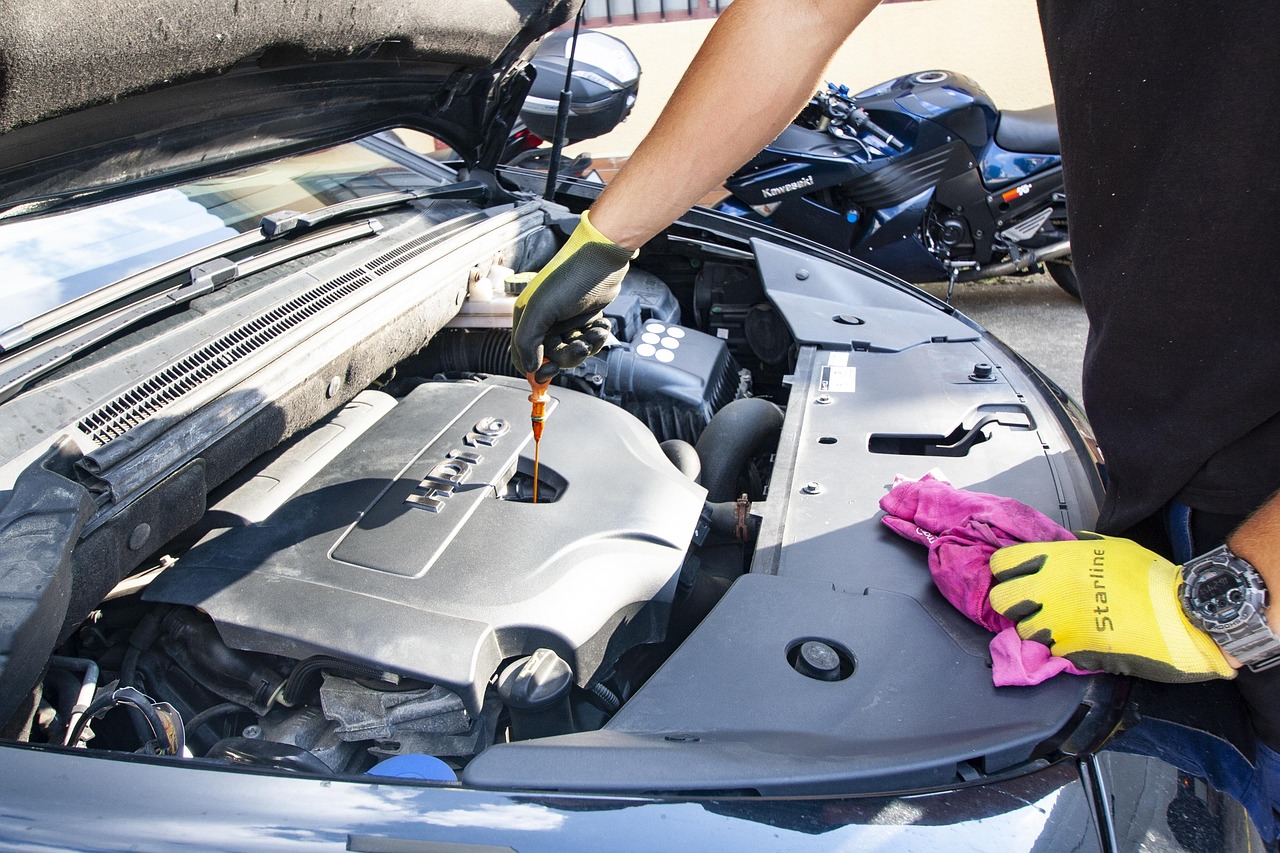
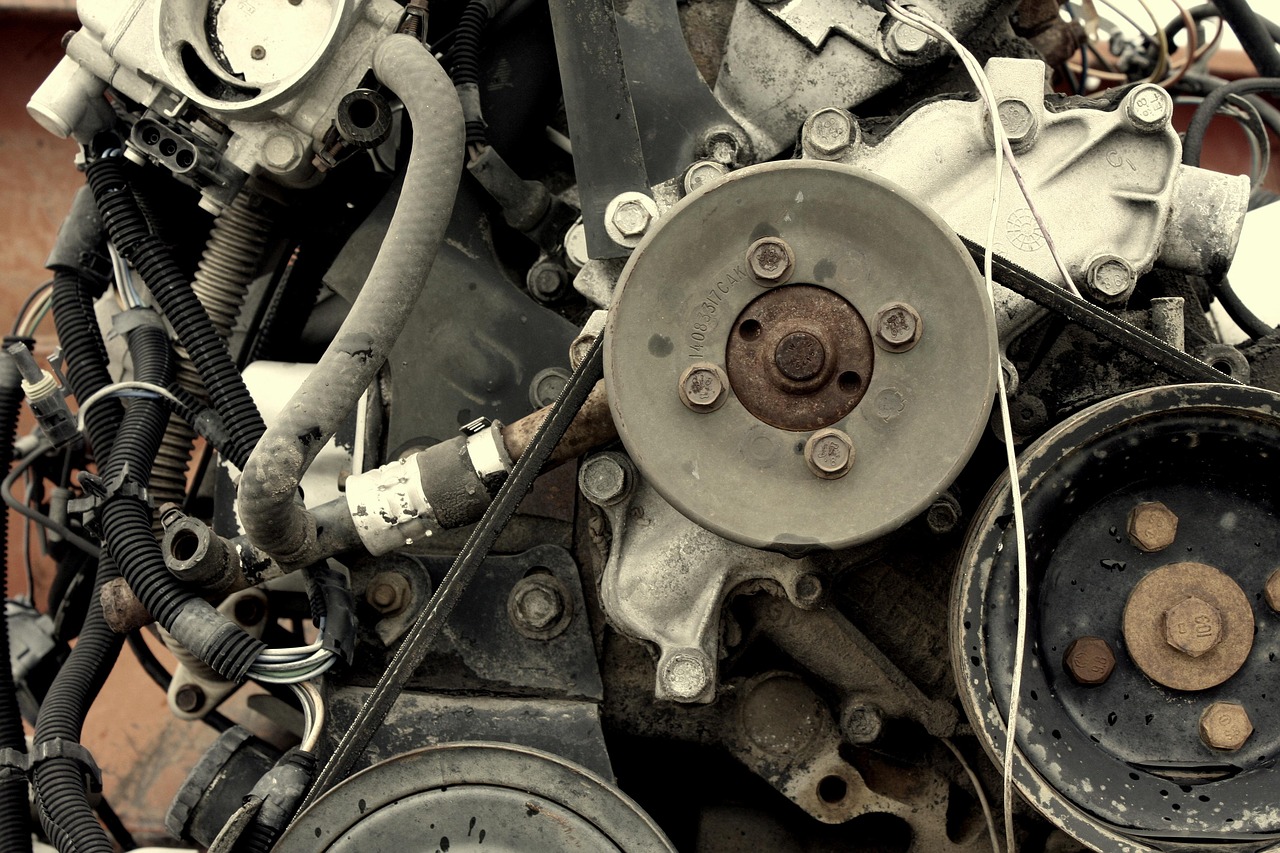
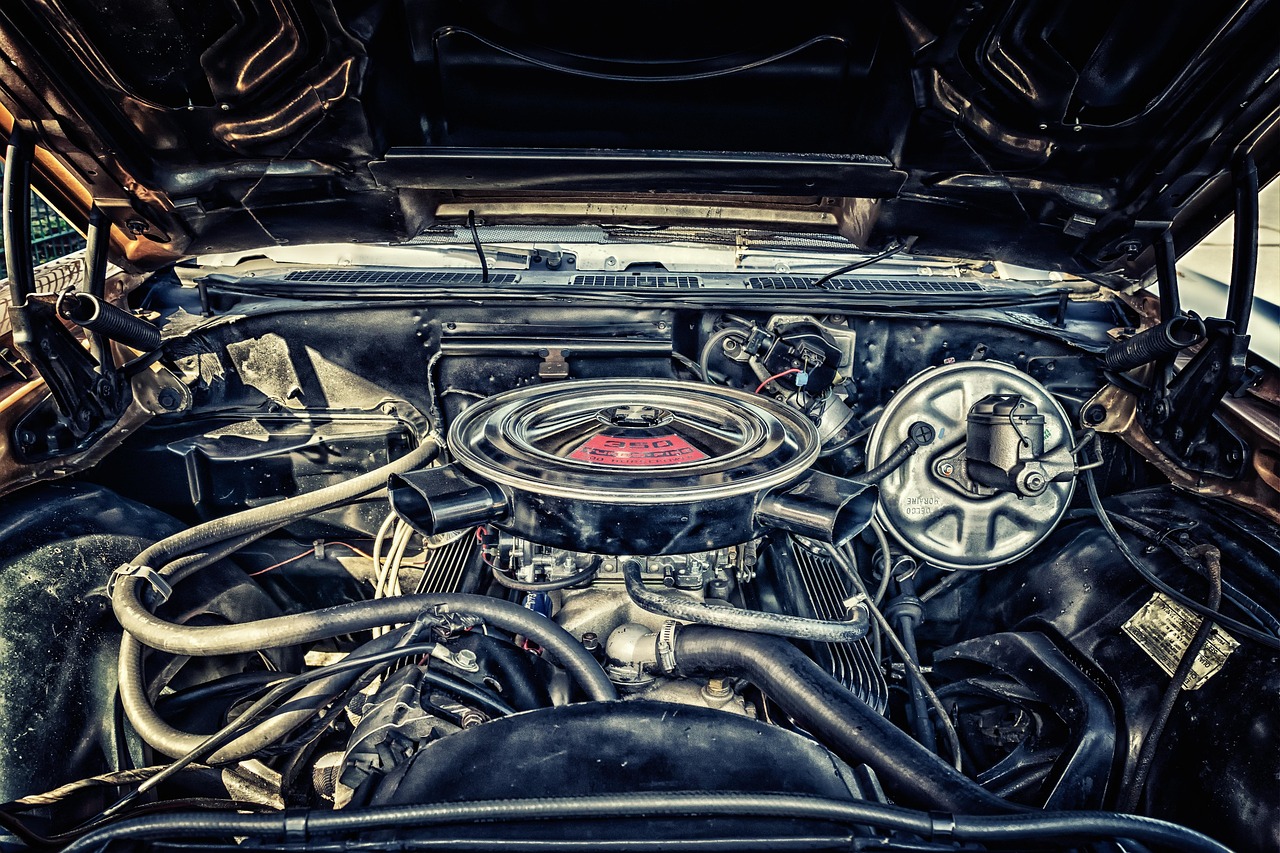
Engine hose inspection
Cracked engine hose
Why It Matters

Why Hose Inspection Matters

Vehicle hoses operate in a tough environment. They are exposed to engine heat, pressure, vibration, fluid contact, weather changes, and normal aging. Over time, rubber and plastic hose materials can break down.

A hose that looks fine from a distance may be weak, brittle, swollen, or leaking. If a hose fails while driving, it can quickly cause serious problems, especially if it is part of the cooling system.

Regular hose inspections help:
  • Reduce the risk of coolant leaks
  • Help prevent engine overheating
  • Identify cracked or aging hoses early
  • Detect loose clamps or connections
  • Support better engine reliability
  • Reduce the chance of roadside breakdowns
  • Protect related engine components
  • Give you peace of mind before long drives
Hose Types

Common Vehicle Hoses We May Inspect

Different vehicles have different hose layouts. Some hoses are easy to see, while others may be hidden behind engine covers or located deeper in the engine bay. During a basic hose inspection, we focus on visible and accessible hoses.

Radiator hoses

1. Radiator Hoses

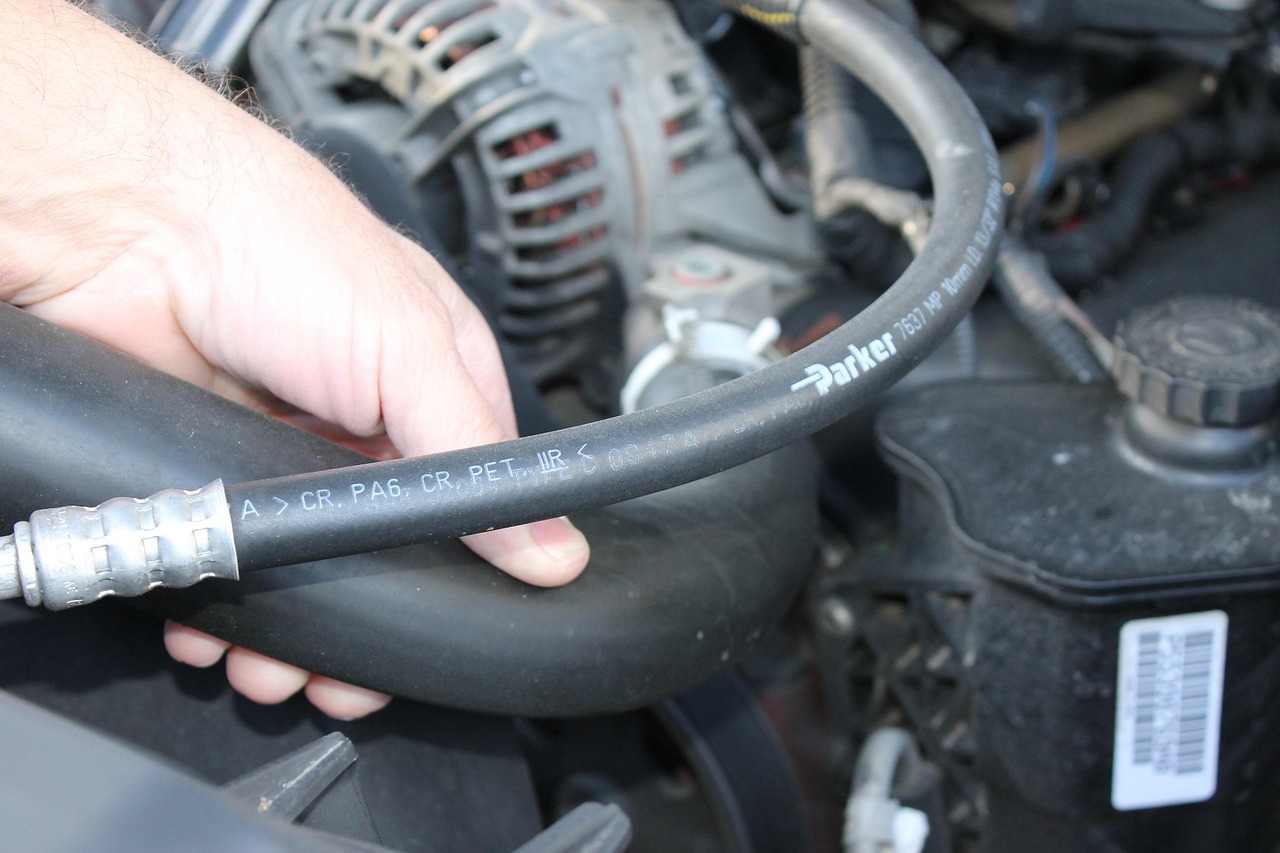
Radiator hoses carry coolant between the engine and radiator. These hoses help control engine temperature by allowing coolant to circulate through the cooling system.

Common warning signs
  • Coolant leak under the vehicle
  • Engine temperature rising
  • Sweet coolant smell
  • Steam from under the hood
  • Low coolant level
  • Visible cracks or swelling

Why they matter: If a radiator hose leaks, cracks, collapses, or bursts, the engine may lose coolant and overheat quickly.
Heater hoses

2. Heater Hoses

Heater hoses move hot coolant from the engine to the heater core, helping provide warm air inside the cabin during cold weather.

Common warning signs
  • Weak or no cabin heat
  • Coolant smell inside or outside the vehicle
  • Wet spots under the vehicle
  • Low coolant level
  • Foggy windows with a sweet smell

Why they matter: A leaking heater hose can cause coolant loss, poor heating performance, and possible engine overheating.

Coolant bypass hoses

3. Coolant Bypass Hoses

Some vehicles use smaller coolant bypass hoses that help coolant circulate through the engine during different operating conditions.

Common warning signs
  • Small coolant leaks near the engine
  • Overheating
  • Low coolant warning
  • Coolant smell
  • Cracked or brittle hose material

Why they matter: Even a small bypass hose can cause major coolant loss if it fails.

Vacuum hoses

4. Vacuum Hoses

Vacuum hoses help control airflow and pressure for different engine and emissions-related functions. They can affect idle quality, engine performance, and fuel efficiency.

Common warning signs
  • Rough idle
  • Engine hesitation
  • Check engine light
  • Hissing sound under the hood
  • Poor fuel economy
  • Stalling

Why they matter: A cracked or disconnected vacuum hose can cause rough idle, poor acceleration, engine hesitation, or a check engine light.

Air intake hoses

5. Air Intake Hoses

Air intake hoses help direct clean air into the engine. If they crack or loosen, unfiltered or unmeasured air may enter the engine.

Common warning signs
  • Poor acceleration
  • Rough idle
  • Check engine light
  • Engine hesitation
  • Unusual air noise
  • Reduced fuel efficiency

Why they matter: Air intake leaks can affect engine performance, fuel mixture, and drivability.

Fuel and emissions hoses

6. Fuel and Emissions-Related Hoses

Some hoses are connected to fuel vapour or emissions systems. These hoses help manage vapours and support proper emissions system operation.

Common warning signs
  • Check engine light
  • Fuel smell
  • Failed emissions-related test
  • Rough running
  • Visible cracked hose
  • Loose connection

Why they matter: A damaged emissions hose may trigger warning lights, fuel vapour concerns, or emissions-related issues.

The Checks

What We Look for During a Hose Inspection

During a hose inspection, our team checks visible hoses for condition, fitment, and signs of failure.

1. Cracks

Cracks are one of the most common signs of hose aging. Small surface cracks can become deeper over time and eventually lead to leaks or hose failure.

2. Leaks

Fluid around a hose, clamp, or connection may indicate a leak. Coolant leaks are especially important because they can cause overheating.

3. Soft Spots

A hose that feels unusually soft or spongy may be breaking down internally. This can increase the risk of collapse or rupture.

4. Hard or Brittle Areas

Hoses can become hard and brittle from age and heat. Brittle hoses are more likely to crack or break.

5. Swelling or Bulging

A swollen or bulging hose may indicate internal weakness or pressure-related damage. This type of hose should be reviewed carefully.

6. Collapsed Hoses

A collapsed hose can restrict flow and affect cooling system performance. This may cause overheating or poor circulation.

7. Loose Clamps

Hose clamps help secure hoses to fittings. Loose or damaged clamps can allow leaks to form.

8. Fluid Contamination

Oil, coolant, or other fluids on the outside of a hose can weaken rubber over time.

9. Abrasion or Rubbing

If a hose is rubbing against another component, it can wear through and eventually leak.

10. Improper Fitment

A hose that is not properly seated or connected may leak or fail under pressure.

Warning Signs

Signs You May Need a Hose Inspection

Even if your vehicle seems to be driving normally, a weak hose can fail suddenly, especially under heat and pressure.

  • Coolant leak under your vehicle
  • Engine overheating
  • Low coolant level
  • Sweet smell from the engine area
  • Steam coming from under the hood
  • Temperature gauge rising
  • Check engine light
  • Rough idle
  • Hissing sound under the hood
  • Poor acceleration
  • Visible cracks on hoses
  • Fluid stains around hose connections
  • Cabin heat not working properly
  • Vehicle has high mileage
  • You are planning a long road trip
Causes of Wear

What Causes Vehicle Hoses to Wear Out?

Vehicle hoses naturally wear over time, but certain conditions can speed up the process.

Vehicle hose inspection

Engine compartments get very hot. Constant heat exposure can dry out rubber and make hoses brittle.

Cooling system hoses operate under pressure. Over time, pressure can weaken the hose material.

Rubber and plastic components age even if the vehicle is not driven often. Older hoses may crack or harden.

Engine movement and road vibration can loosen hose connections or cause rubbing.

Oil, coolant, fuel vapour, and other fluids can damage hose materials if they leak onto the hose surface.

Low coolant, contaminated coolant, or ignored leaks can increase stress on cooling system hoses.

Very hot summers and cold winters can cause hose materials to expand, contract, and weaken over time.

Dust, salt, moisture, and debris can affect under-hood components, especially in areas with harsh seasonal driving.

If It Fails

What Happens If a Hose Fails?

A failed hose can cause different problems depending on which hose is affected.

Radiator hose failure

If a Radiator Hose Fails

The engine can lose coolant quickly and overheat. Continuing to drive with an overheated engine can cause serious damage.

Heater hose failure

If a Heater Hose Fails

You may lose coolant, cabin heat may stop working, and the engine may overheat.

Vacuum hose failure

If a Vacuum Hose Fails

The engine may idle roughly, stall, hesitate, or trigger a check engine light.

Air intake hose failure

If an Air Intake Hose Fails

The engine may receive incorrect airflow, leading to poor performance, rough idle, or warning lights.

Emissions hose failure

If an Emissions Hose Fails

The vehicle may trigger a check engine light or develop fuel vapour and emissions system concerns.

Take It Seriously

Why Coolant Hose Problems Are Serious

Coolant hoses are especially important because they help control engine temperature. If a coolant hose leaks or bursts, the engine may overheat very quickly.

This is why coolant leaks, steam, and overheating warnings should never be ignored.

Overheating can lead to:
  • Damaged gaskets
  • Warped engine components
  • Radiator damage
  • Water pump stress
  • Loss of engine performance
  • Complete engine failure in severe cases
Prevention

Hose Inspection and Preventive Maintenance

Hose inspection is an important part of preventive vehicle maintenance. Hoses may not always give obvious warning signs before failure. Regular inspection helps identify aging or damage before a breakdown happens.

Hose inspections are especially helpful:
  • During oil changes
  • During seasonal maintenance
  • Before long trips
  • When coolant is low
  • When the vehicle has high mileage
  • When the engine runs hot
  • After noticing fluid leaks
  • After buying a used vehicle
  • When your vehicle is older

Preventive inspection is usually much easier and less expensive than dealing with an overheated engine or roadside breakdown.

Preventive hose maintenance
Service Intervals

How Often Should Hoses Be Inspected?

Inspection timing depends on your vehicle, age, mileage, and driving conditions. The best guide is your vehicle owner’s manual and your technician’s recommendation.

As a practical rule, hoses should be checked:
  • During regular oil changes
  • At seasonal service appointments
  • Before long-distance driving
  • If the vehicle is more than a few years old
  • If the vehicle has high mileage
  • If coolant level is dropping
  • If you notice leaks, smells, or overheating

Older vehicles should have hoses inspected more frequently because rubber components weaken with age.

Hoses checked during routine service
What We Do

What Is Included in Our Hose Inspection Service?

At Valvoline Express Care Scarborough, our hose inspection focuses on visible and accessible hoses under the hood and around key engine systems.

Visual Hose Check

Visual Hose Check

We look for cracks, leaks, bulges, swelling, rubbing, and visible damage.

How It Works

Our Hose Inspection Process

Hose inspection under the hood

We confirm your vehicle details and ask whether you have noticed leaks, smells, overheating, warning lights, or performance changes.

We inspect visible hose areas under the hood and around the engine compartment.

We look for cracks, swelling, leaks, softness, brittleness, rubbing, or loose connections.

If coolant-related symptoms are present, we pay close attention to visible radiator hoses, heater hoses, coolant reservoir, and signs of coolant loss.

We explain what we see in simple terms so you understand the condition of your hoses.

If replacement or further diagnostics are needed, we provide an honest recommendation and help you understand the next step.

Know the Difference

Hose Inspection vs. Hose Replacement

A hose inspection helps determine whether a hose appears healthy, worn, leaking, or at risk of failure. A hose replacement is recommended when a hose shows significant wear, visible leakage, cracking, swelling, or age-related deterioration.

Step one

Hose Inspection

  • Reviews visible hose condition
  • Looks for leaks and wear
  • Helps identify risk early
  • Supports preventive maintenance
If needed

Hose Replacement

  • Removes the damaged or worn hose
  • Installs the correct replacement hose
  • Helps restore proper system operation
  • Reduces risk of leaks and overheating
Knock-On Effects

How Hose Problems Affect Other Vehicle Systems

A hose issue can create problems beyond the hose itself.

Engine Cooling

Coolant hoses help regulate engine temperature. A leak can cause overheating.

Cabin Heating

Heater hoses help provide warm air inside the vehicle. A failed heater hose can reduce cabin heat.

Engine Performance

Vacuum or air intake hose leaks can cause rough idle, hesitation, poor acceleration, or warning lights.

Emissions System

Certain hoses help control fuel vapours and emissions. Cracks or leaks may trigger warning lights.

Safety and Reliability

A failed hose can lead to sudden breakdowns, especially during long drives or extreme temperatures.

Before You Travel

Before a Long Drive: Why Hose Inspection Is Important

Before a road trip or long commute, a hose inspection can help reduce the risk of unexpected problems. Long drives put extra heat and pressure on the cooling system and engine components.

A hose inspection before travel can help identify:
  • Coolant leaks
  • Weak hoses
  • Cracking
  • Loose clamps
  • Bulging hoses
  • Signs of overheating risk

This gives you greater peace of mind before spending extended time on the road.

Vehicle prepared for a long drive
Good to Know

Answers to Common Questions

We recommend service based on visible condition, symptoms, and vehicle needs.

Still have a question?

Our team is here to help you keep your vehicle running smoothly.

Contact Now

It depends on the severity of the leak and which hose is affected. However, it is generally not a good idea to continue driving with a known hose leak. If you see coolant leaking, steam coming from under the hood, or your temperature gauge is rising, you should stop driving as soon as it is safe. Driving with coolant loss can quickly lead to overheating and engine damage. If you notice a small leak or smell coolant, schedule a hose inspection as soon as possible.

Not every hose is the same. Vehicle hoses are designed for specific systems, temperatures, pressures, shapes, and fitment requirements. Using the wrong hose can lead to poor fitment, leaks, collapsing under pressure, premature failure, improper fluid flow, or overheating and performance issues. Professional service helps ensure the correct hose is selected and installed properly when replacement is needed.

Older and high-mileage vehicles should pay special attention to hoses. As vehicles age, rubber components naturally become weaker. A hose that has lasted for years can fail suddenly if it becomes brittle or swollen. Inspection is especially important if the vehicle has over 100,000 km, hoses have never been replaced, coolant level drops between services, the engine runs hot, the vehicle is used for commuting or work, it is driven in extreme weather, or it has visible under-hood wear.

Local & Trusted

Why Choose Valvoline Express Care Scarborough for Hose Inspection?

Valvoline Express Care service bay

Professional Under-Hood Review

We inspect visible hoses and related areas for signs of wear, leaks, and potential failure.

Clear Explanations

We explain our findings in everyday language so you understand what your vehicle needs.

Honest Recommendations

We recommend service based on visible condition, symptoms, and vehicle needs.

Preventive Maintenance Focus

Our goal is to help prevent small problems from becoming expensive repairs.

Convenient Local Service

We proudly serve Scarborough drivers with reliable maintenance and repair support.

Ready When You Are

Book Your Hose Inspection Today

Hoses carry the fluids and air your engine depends on, and they rarely give much warning before they fail. We inspect visible engine hoses to help identify wear before it turns into a larger repair.