Brake Noise Diagnosis

Professional Brake Noise Diagnosis for Safer, Quieter Braking

Brake noise is your vehicle’s way of telling you something may need attention. Squeaking, grinding, scraping, clicking, or clunking sounds can point to worn brake pads, rotor problems, loose hardware, brake dust, corrosion, or other braking system concerns. At Valvoline Express Care Scarborough, we inspect the source of brake noise and provide clear, honest recommendations to help keep your vehicle safe and road-ready.

The Service

What Is Brake Noise Diagnosis?

Brake noise diagnosis is the process of inspecting your braking system to determine why your brakes are making unusual sounds. Brake noise can come from many different parts of the braking system, including brake pads, rotors, calipers, brake hardware, dust shields, brake fluid-related issues, or even nearby suspension and wheel components.

Some brake noises may be minor, while others can indicate a serious safety concern. For example, a light squeak may come from moisture or brake dust, but grinding can mean the brake pads are severely worn and metal is contacting the rotor.

At Valvoline Express Care Scarborough, our goal is to identify the likely source of the noise, explain what it means, and recommend the right next step before the problem becomes more expensive or unsafe.

Brake noise diagnosis
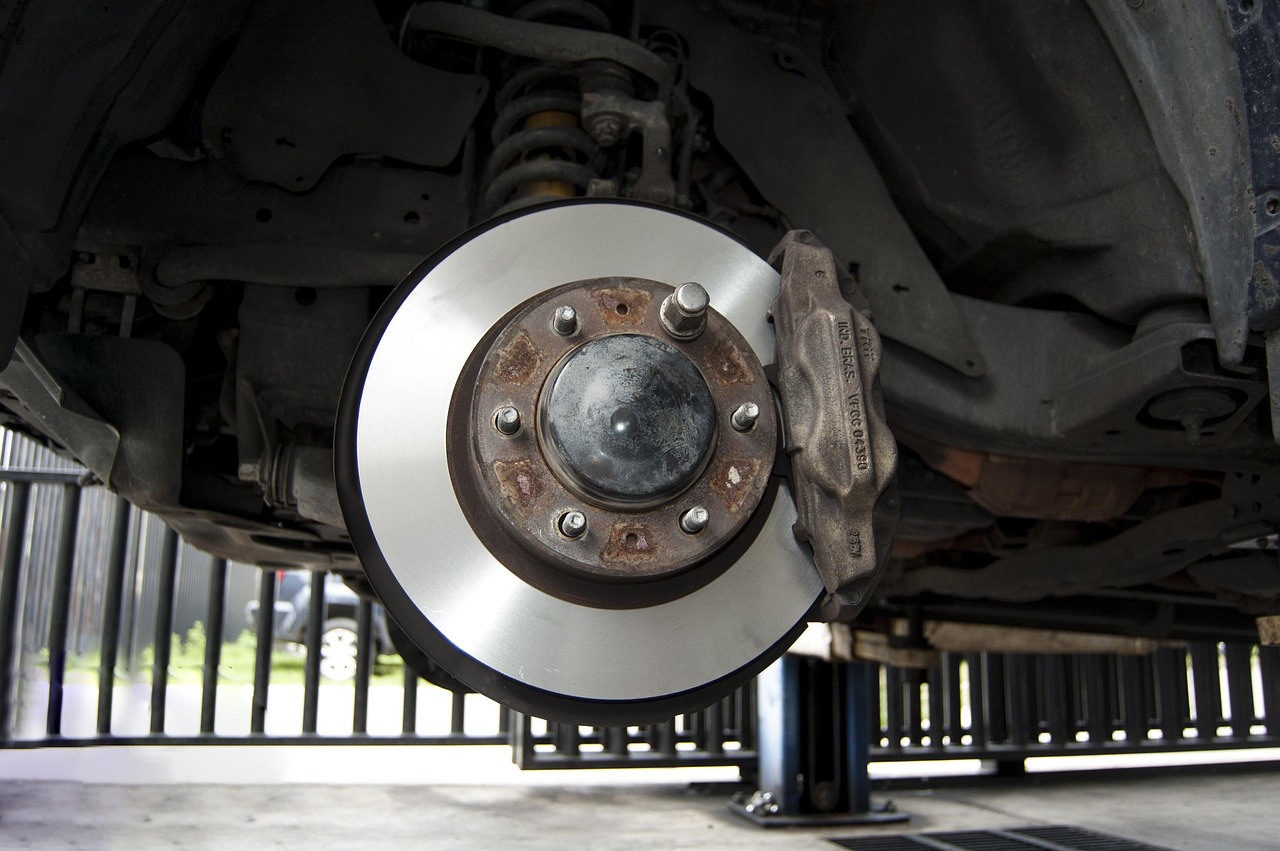
Brake system inspection
Why It Matters

Why Brake Noise Should Not Be Ignored

Your brakes are one of the most important safety systems in your vehicle. When they make noise, it may be a sign of wear, damage, corrosion, or improper contact between components.

Ignoring brake noise can lead to:
  • Reduced stopping power
  • Longer stopping distance
  • Rotor damage
  • Brake pad damage
  • Caliper stress
  • Uneven brake wear
  • More expensive repairs
  • Brake overheating
  • Unsafe driving conditions
  • Increased risk during emergency stops

Brake noise usually does not go away permanently unless the cause is identified and corrected. If the sound is persistent, loud, getting worse, or accompanied by vibration or weak braking, the vehicle should be inspected as soon as possible.

Listen Closely

Common Types of Brake Noise

Different brake sounds can point to different types of problems. A proper diagnosis helps determine what is actually causing the noise.

Squeaking brakes

1. Squeaking or Squealing Brakes

What It Sounds Like

A high-pitched squeak or squeal when you press the brake pedal. It may happen occasionally or every time you brake.

Common Causes
  • Worn brake pads
  • Brake pad wear indicators
  • Brake dust buildup
  • Moisture on brake components
  • Glazed brake pads
  • Rotor surface concerns
  • Poor pad contact
  • Missing or worn brake shims
  • Brake hardware concerns

Why It Matters: Some squeaking may happen from moisture or light surface rust, especially after rain, snow, or when the vehicle sits overnight. However, persistent squealing may indicate that the brake pads are wearing down or that brake hardware needs attention. If the squealing happens repeatedly or gets louder, schedule a brake noise diagnosis.
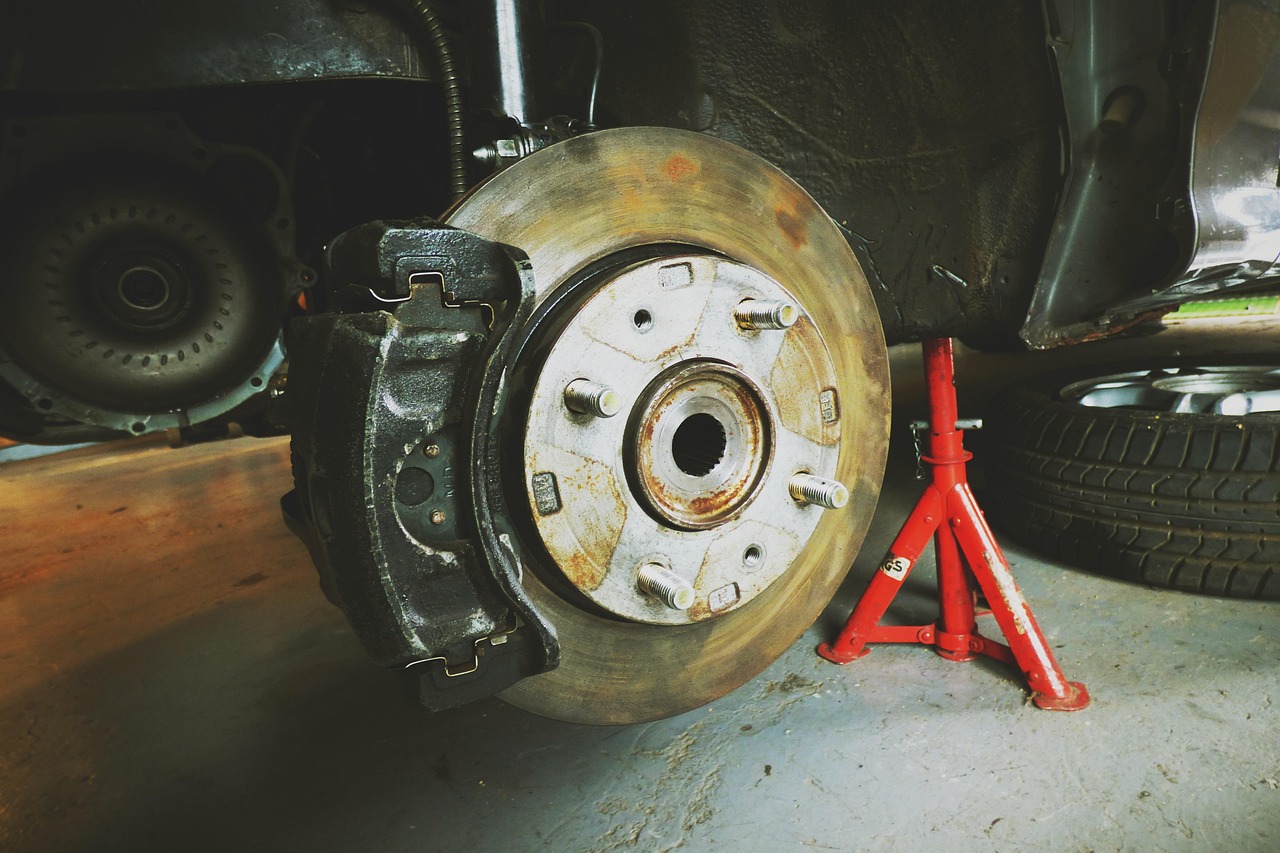
Grinding brakes

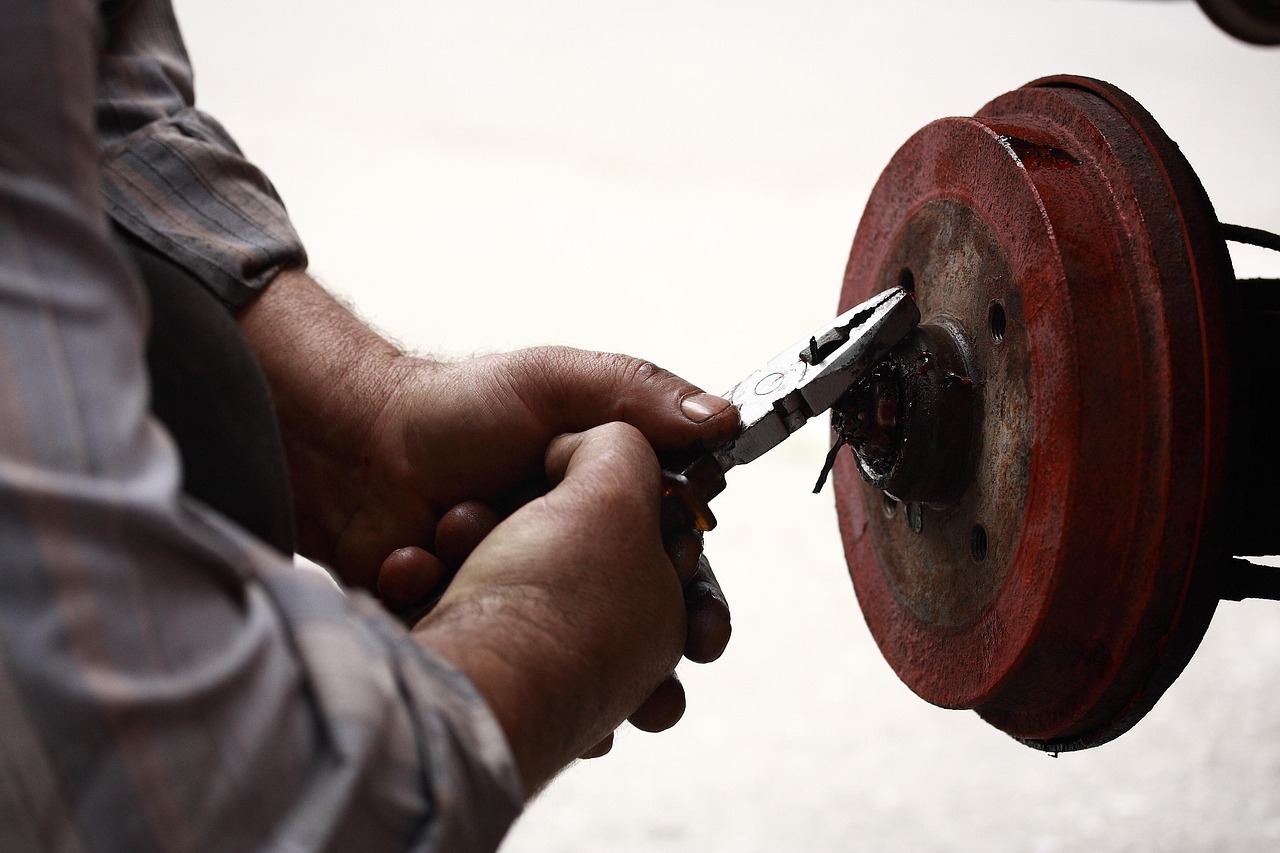
2. Grinding Brakes

What It Sounds Like

A harsh metal-on-metal grinding sound when braking. It may feel rough through the pedal or steering wheel.

Common Causes
  • Severely worn brake pads
  • Metal backing plate contacting the rotor
  • Damaged brake rotor
  • Debris caught between pad and rotor
  • Brake caliper or hardware issue
  • Rotor surface damage

Why It Matters: Grinding is one of the most serious brake noises. It often means the brake pads are worn down too far and may be damaging the rotors. Grinding brakes should be inspected immediately. Avoid unnecessary driving until the brakes are checked.

Scraping brakes

3. Scraping Brakes

What It Sounds Like

A scraping, rubbing, or dragging sound while driving or braking.

Common Causes
  • Worn brake pads
  • Rust on rotors
  • Debris between brake components
  • Bent dust shield touching the rotor
  • Damaged brake hardware
  • Rotor surface corrosion
  • Caliper not releasing properly

Why It Matters: Scraping may be minor if caused by temporary rust, but it can also indicate worn parts or improper contact. Have the brakes checked if scraping continues, gets louder, or happens while driving without braking.

Clicking brakes

4. Clicking or Rattling Brakes

What It Sounds Like

A clicking, ticking, or rattling sound near the wheels, sometimes when braking, reversing, or driving over bumps.

Common Causes
  • Loose brake hardware
  • Worn brake clips
  • Brake pads moving in the caliper bracket
  • Caliper mounting concerns
  • Loose wheel components
  • Suspension-related noise
  • Anti-rattle clip issues

Why It Matters: Brake pads and hardware need to sit securely. Loose or worn hardware can cause noise, uneven pad wear, and poor brake operation. Clicking or rattling near the brakes should be inspected to confirm whether it is brake-related or coming from another wheel-area component.

Clunking brakes

5. Clunking Brakes

What It Sounds Like

A heavy clunk or knock when braking, shifting from drive to reverse, or stopping suddenly.

Common Causes
  • Loose caliper or bracket
  • Worn brake hardware
  • Brake pad movement
  • Suspension component wear
  • Control arm or ball joint concerns
  • Loose wheel or hub-related issue

Why It Matters: A clunking sound can sometimes be brake-related, but it may also come from suspension or steering components. Because it may affect safety, it should be inspected promptly, especially if the clunk happens during braking or steering.

Thumping brakes

6. Thumping or Pulsing Noise While Braking

What It Sounds Like

A rhythmic thump, pulse, or vibration when applying the brakes.

Common Causes
  • Uneven brake rotors
  • Rotor thickness variation
  • Heat spots on rotors
  • Uneven brake pad deposits
  • Tire or wheel issue
  • Suspension concern

Why It Matters: Thumping or pulsing often means the brake pads are not contacting the rotors smoothly. It may reduce braking comfort and confidence. A brake inspection and rotor review are recommended.

Brake noise when reversing

7. Brake Noise When Reversing

What It Sounds Like

Squeaking, clicking, or scraping when backing up.

Common Causes
  • Brake pad movement
  • Brake hardware wear
  • Moisture or rust
  • Dust buildup
  • Rotor surface rust
  • Caliper bracket concerns

Why It Matters: Some reverse brake noise may be harmless, especially in wet or cold weather. However, repeated or loud noise may indicate hardware, pad, or rotor concerns. If the noise is persistent, schedule a brake noise diagnosis.
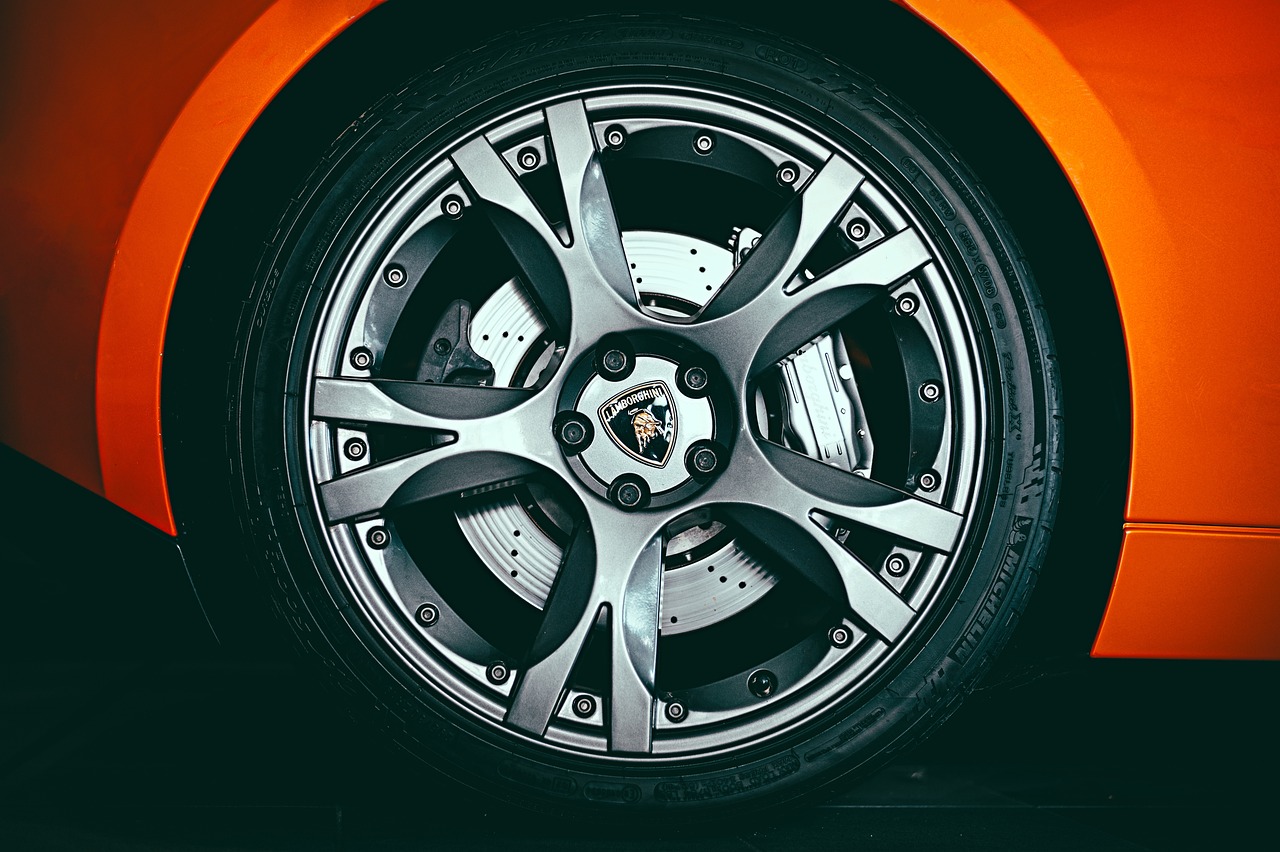
When It Happens

Brake Noise and What It May Mean

Morning brake noise

Noise Only in the Morning

If your brakes make noise first thing in the morning, it may be caused by moisture or light surface rust on the rotors. This can happen after rain, snow, car washing, or overnight parking. If the noise disappears after a few stops, it may not be serious. If it continues, inspection is recommended.

Brake noise after rain

Noise After Rain or Snow

Moisture can temporarily affect brake surfaces. In Ontario, road salt and slush can also contribute to brake noise and rust buildup. If the sound is short-lived, it may be normal. If it continues or becomes grinding, the brakes should be checked.

Noise after new brake pads

Noise After New Brake Pads

New brake pads can sometimes create temporary noise during the initial break-in period. However, ongoing noise after new brake pads may indicate rotor condition, pad material, hardware issues, improper fitment, or missing shims. If new brakes continue to squeak, scrape, or vibrate, have them inspected.

Noise while driving

Noise While Driving Without Braking

Brake noise while driving without pressing the brake pedal may indicate brake drag, dust shield contact, a stuck caliper, debris, wheel bearing concerns, or another wheel-area issue. This should be inspected because it may cause heat buildup or uneven wear.

Noise during hard braking

Noise During Hard Braking

Noise during hard braking may be caused by heat, worn pads, rotor surface condition, ABS activation, tire traction, or brake system stress. If the noise is harsh, grinding, or accompanied by vibration, schedule service.

Root Causes

Common Brake Problems That Cause Noise

Worn Brake Pads

Brake pads are designed to wear down over time. When they become thin, they may squeal or grind. If they wear too far, the metal backing plate can contact the rotor.

Damaged Brake Rotors

Rotors can become grooved, rusted, scored, uneven, or heat-damaged. Poor rotor condition can create squeaking, scraping, grinding, or vibration.

Glazed Brake Pads or Rotors

Glazing happens when brake pads or rotors become overly smooth or hardened from heat. This can reduce friction and cause squealing.

Loose Brake Hardware

Clips, shims, pins, and anti-rattle components help keep brake pads secure. Worn or missing hardware can create rattling, clicking, or uneven pad movement.

Brake Dust Buildup

Brake dust can collect around pads and rotors. In some cases, this can contribute to squeaking or noise.

Rust and Corrosion

Moisture and road salt can cause rust on rotors and brake hardware. Light rust may clear quickly, but heavy rust can cause noise and affect braking.

Sticking Caliper

A caliper that does not release properly can cause brake drag, overheating, uneven wear, and noise.

Bent Dust Shield

A dust shield sits near the rotor. If it becomes bent, it may scrape against the rotor and create a metal rubbing sound.

Debris in the Brake Area

Small stones, rust flakes, or road debris can become trapped near the brake components and create scraping or grinding sounds.

Know the Difference

Brake Noise Diagnosis vs. Related Brake Services

Brake Noise Diagnosis vs. Brake Inspection

Brake noise diagnosis and brake inspection are closely related, but they are not exactly the same.

Full System

Brake Inspection

A brake inspection reviews the overall condition of the brake system, including pads, rotors, calipers, fluid, lines, hoses, and visible hardware.

The Sound

Brake Noise Diagnosis

A brake noise diagnosis focuses specifically on identifying the source of an unusual brake sound.

How they work together

In many cases, both are performed together because brake noise is often connected to brake wear, rotor condition, or hardware concerns.

Brake Noise Diagnosis vs. Brake Pad Replacement

Brake noise does not always mean brake pads need replacement, but worn pads are a common cause.

Service

Brake Pad Replacement

This is needed when the brake pads are too thin, damaged, cracked, glazed, or worn unevenly.

Diagnosis First

Diagnosis First

A diagnosis helps confirm whether the noise is actually from the brake pads or from rotors, hardware, calipers, dust shields, debris, or suspension components.

Why it matters

Replacing pads without diagnosing the noise may not solve the problem if the sound comes from another source.

Brake Noise Diagnosis vs. Brake Rotor Service

Rotors are another common source of brake noise.

The Sound

Brake Noise Diagnosis

A brake noise diagnosis helps determine whether rotor service is needed along with brake pads or other brake components.

Rotors

Brake Rotor Service

Rotor service may be needed if:

Rotor service may be needed if
  • Rotors are grooved
  • Rotors are rusted
  • Rotors are uneven
  • Rotors are heat damaged
  • Rotors are too thin
  • Rotors are causing vibration
  • Rotors have scoring or surface damage
Do Not Wait

When Brake Noise Is Urgent

Some brake noise should be inspected immediately.

These signs may indicate serious brake wear, caliper problems, rotor damage, or brake fluid concerns.

Seek service quickly if:
  • You hear grinding
  • Brakes feel weak
  • Brake pedal goes low
  • Vehicle takes longer to stop
  • Brake warning light is on
  • The vehicle pulls while braking
  • You smell burning near the wheels
  • You hear loud metal scraping
  • The steering wheel shakes when braking
  • Noise is getting worse quickly
  • You see smoke near a wheel
  • One wheel feels much hotter than the others
Safety First

Is It Safe to Drive With Brake Noise?

It depends on the sound and how the vehicle feels. A brief squeak after rain may not be serious. However, persistent squealing, grinding, scraping, clunking, or vibration should not be ignored.

You should avoid driving if the brakes are grinding loudly, the pedal feels soft, the vehicle does not stop properly, or a brake warning light appears.

When it comes to brakes, it is always better to be cautious. A brake noise diagnosis can help determine whether the issue is minor or serious.

Brake safety
The Cost of Waiting

What Happens If Brake Noise Is Ignored?

Ignoring brake noise can cause the problem to get worse. Possible consequences include:

  • Brake pads wearing completely down
  • Rotor damage
  • Caliper damage
  • Increased repair cost
  • Longer stopping distance
  • Uneven braking
  • Brake overheating
  • Brake fluid stress
  • Vehicle pulling while braking
  • Unsafe emergency stopping
  • Breakdown risk
Important

Early diagnosis can help prevent small brake concerns from becoming major repairs.

Worn brake components
Local Roads

Brake Noise in Scarborough and GTA Driving Conditions

Scarborough and the Greater Toronto Area can be hard on brakes. Daily driving conditions often include traffic, moisture, winter road salt, potholes, and frequent stops.

Road salt and moisture can contribute to rust, while city traffic can increase brake wear. Regular brake inspections help keep your brakes performing properly.

Local conditions that contribute to brake noise include:
  • Stop-and-go traffic
  • Heavy braking in traffic
  • Winter road salt
  • Snow and slush
  • Rain and moisture
  • Short trips
  • Potholes and rough roads
  • Construction debris
  • Seasonal temperature changes
  • Vehicles sitting for long periods
What We Do

What Is Included in Our Brake Noise Diagnosis?

At Valvoline Express Care Scarborough, our brake noise diagnosis may include:

Customer Concern Review

We ask when the noise happens, what it sounds like, and whether it occurs while braking, reversing, turning, or driving.

Brake Pad Review

We inspect visible brake pad condition and check for wear, glazing, cracking, or uneven pad thickness.

Brake Rotor Review

We look for grooves, rust, scoring, heat marks, uneven surfaces, and visible rotor damage.

Brake Hardware Review

We check visible clips, shims, pins, and related hardware for looseness, wear, or missing components.

Caliper Review

We look for signs of sticking, uneven pressure, leaks, or brake drag.

Dust Shield and Debris Review

We check for visible debris or dust shield contact that may cause scraping sounds.

Brake Fluid Awareness

If pedal feel or brake warning lights are involved, we may review brake fluid level and visible condition.

Wheel-Area Review

If the noise may not be brake-related, we may recommend checking tire, wheel, suspension, or steering components.

Clear Recommendation

We explain what we find and recommend the proper next step.

How It Works

Our Brake Noise Diagnosis Process

Brake noise diagnosis in progress

We ask about the sound. Helpful details include whether it is squeaking, grinding, scraping, clicking, clunking, or vibrating.

We ask when the noise happens:

  • When braking
  • When reversing
  • When turning
  • At low speed
  • At highway speed
  • After rain
  • After sitting overnight
  • Only when brakes are warm
  • All the time

We inspect visible brake pads, rotors, calipers, hardware, and related brake components.

We look for signs that match the sound, such as worn pads, rusted rotors, loose hardware, debris, or caliper concerns.

If the noise may be coming from tires, wheels, suspension, or steering, we explain that further inspection may be needed.

We explain the likely cause in simple terms.

If service is needed, we recommend the proper repair, such as brake pad replacement, rotor service, hardware replacement, caliper review, fluid check, or further diagnostics.

Come Prepared

What Customers Should Notice Before Coming In

Before your appointment, it helps to pay attention to the sound. Try to notice:

  • Is it squeaking, grinding, scraping, clicking, or clunking?
  • Does it happen only when braking?
  • Does it happen when reversing?
  • Does it happen after rain or snow?
  • Does it happen at low speed or high speed?
  • Does the vehicle vibrate?
  • Does the brake pedal pulse?
  • Does the vehicle pull to one side?
  • Is the brake warning light on?
  • Is there a burning smell?
  • Is the noise getting worse?
  • Did it start after recent brake or tire service?

You do not need to diagnose the issue yourself. These details simply help us understand the concern faster.

Seasonal

Brake Noise After Winter

After winter, brake noise can become more noticeable because of road salt, moisture, rust, and debris. Vehicles that sit for long periods or take short trips may also experience more rotor surface rust.

A post-winter brake inspection can help identify:
  • Rusted rotors
  • Sticking hardware
  • Brake pad wear
  • Caliper concerns
  • Brake dust buildup
  • Noise from corrosion
  • Uneven wear

This is especially useful for vehicles driven year-round in Ontario.

After Service

Brake Noise After Tire Service

Sometimes brake noise appears after tire rotation, seasonal tire change, or wheel service. This does not always mean the tire service caused the issue. Removing wheels may simply make an existing brake concern more noticeable.

Possible causes include:
  • Dust shield slightly bent
  • Existing brake wear noticed after service
  • Loose or worn brake hardware
  • Wheel-related vibration
  • Brake rust or debris
  • Brake pad movement
  • Caliper or rotor concerns

If noise appears after tire service, have the brake and wheel area checked.

Before You Travel

Brake Noise Before a Long Trip

Brake noise should always be checked before a long drive. Highway speeds, long distances, passengers, and luggage place more demand on your vehicle.

A pre-trip brake noise diagnosis can help identify:
  • Worn brake pads
  • Rotor concerns
  • Brake vibration
  • Scraping or grinding
  • Caliper concerns
  • Brake fluid issues
  • Safety concerns before travel

It is better to diagnose the sound before the trip than deal with brake problems on the road.

Pre-trip brake check
Key Benefits

Benefits of Professional Brake Noise Diagnosis

Clear Answers

You know why your brakes are making noise and what should be done next.

Better Safety

Brake noise may point to a safety issue. Diagnosis helps identify concerns early.

Lower Repair Costs

Early service may prevent rotor, caliper, or hardware damage.

Quieter Braking

Fixing the source of the noise can help restore a smoother, quieter drive.

Better Braking Confidence

You can drive with more confidence knowing your brakes have been reviewed.

Honest Recommendations

A proper diagnosis helps avoid unnecessary parts replacement.

Local & Trusted

Why Choose Valvoline Express Care Scarborough for Brake Noise Diagnosis?

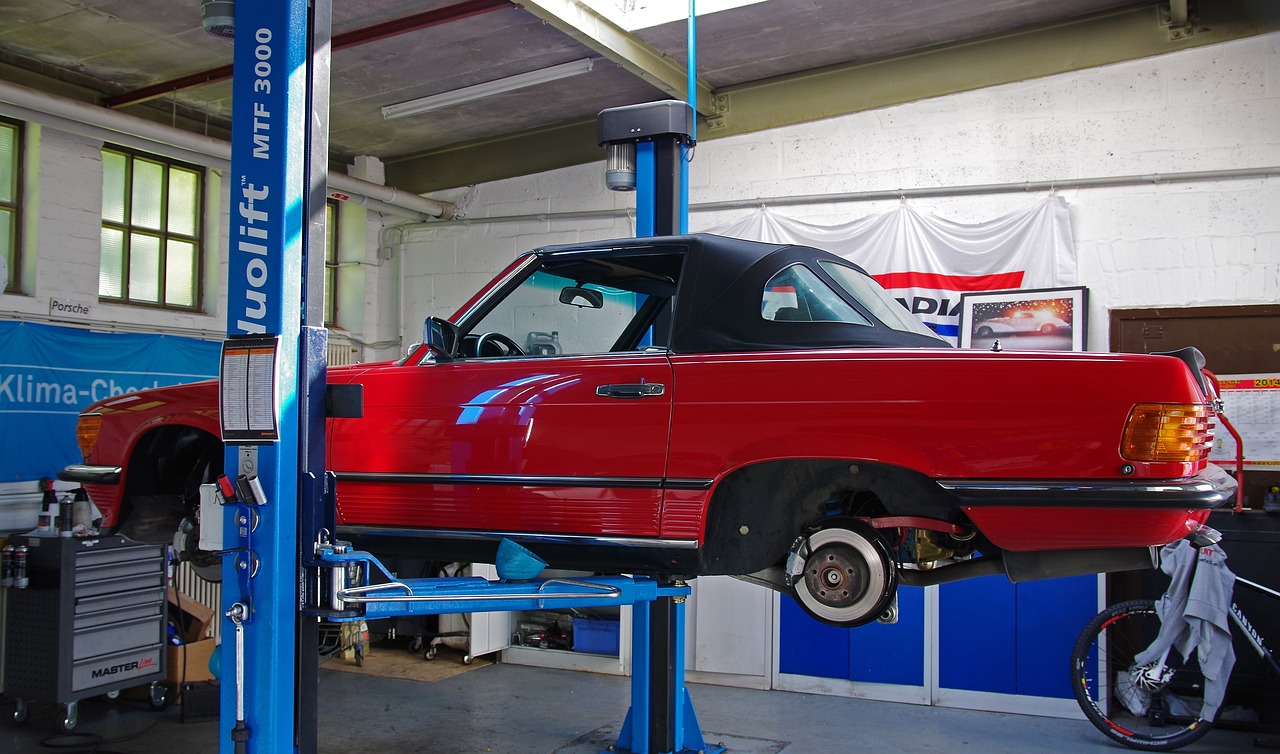
Valvoline Express Care service bay

Safety-Focused Inspection

We understand that brake noise can point to serious safety concerns.

Clear Communication

We explain what we find in simple, practical language.

Honest Recommendations

We recommend service based on the actual condition of your braking system.

Complete Brake Awareness

We can review pads, rotors, calipers, hardware, fluid, and related brake concerns.

Local Scarborough Auto Care

We understand how GTA traffic, winter salt, rain, potholes, and seasonal changes affect brakes.

Ready When You Are

Book Your Brake Noise Diagnosis Today

We inspect the source of brake noise and provide clear, honest recommendations to help keep your vehicle safe and road-ready.