You Start the Vehicle
You turn the key or press the start button.
If your vehicle clicks, cranks slowly, starts only sometimes, or does not start at all, the starter system may need attention. At Valvoline Express Care Scarborough, we review starter-related concerns, check common starting system issues, and provide clear recommendations to help get your vehicle starting reliably again.
A starter check is a review of the system responsible for turning your engine over when you start your vehicle. When you turn the key or press the start button, the battery sends electrical power to the starter. The starter motor then engages with the engine and helps crank it so the engine can begin running.
If the starter system is weak, damaged, or not receiving proper electrical power, your vehicle may not start properly. Sometimes the problem is the starter itself. Other times, the issue may be caused by the battery, battery cables, corrosion, starter relay, ignition switch, wiring, alternator, or another electrical concern.
At Valvoline Express Care Scarborough, our starter check helps identify whether your starting issue may be related to the starter or another part of the battery and electrical system.

The starter is an electric motor that helps start your engine. Your engine cannot begin running on its own from a complete stop. It needs to be turned over first. The starter provides that initial turning force.
You turn the key or press the start button.
The battery sends power to the starter system.
The starter solenoid activates.
The starter motor engages with the engine’s flywheel or flexplate.
The starter turns the engine over.
The engine begins running.
The starter disengages once the engine starts.
When everything is working properly, this process happens quickly and smoothly. When something in the system is weak or failing, you may hear clicking, grinding, slow cranking, or no sound at all.

A properly working starter is essential for reliable vehicle operation. Even if your battery is fully charged and your alternator is working, your vehicle may not start if the starter system cannot crank the engine.
Starting problems can be frustrating because several components can cause similar symptoms. A starter check helps narrow down the cause.
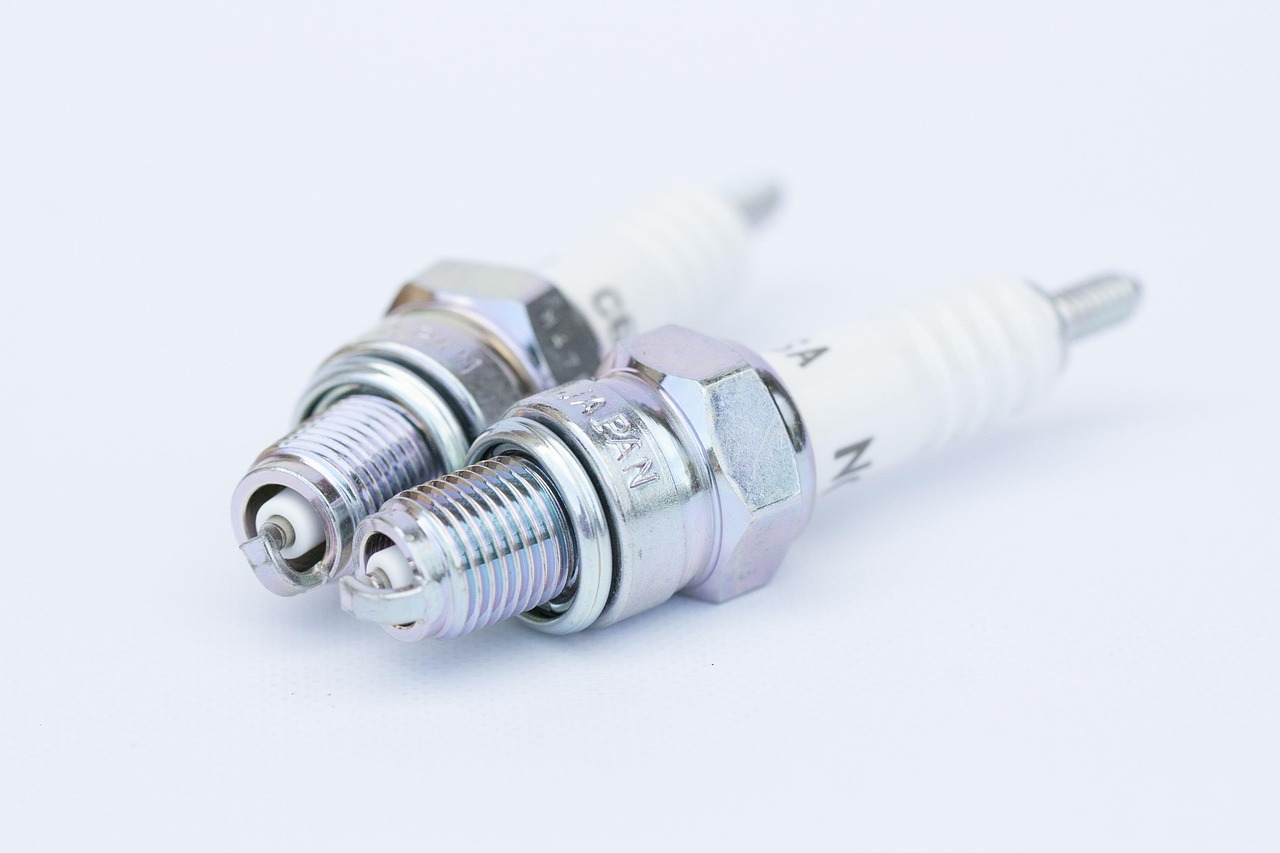
The starter motor is the main component that physically turns the engine over.
Why It Matters: If the starter motor fails, the engine may not crank, even if the battery is good.

The starter solenoid acts like an electrical switch. It helps send power to the starter motor and may help engage the starter gear.
Why It Matters: A faulty solenoid can cause clicking, intermittent starting, or no crank.
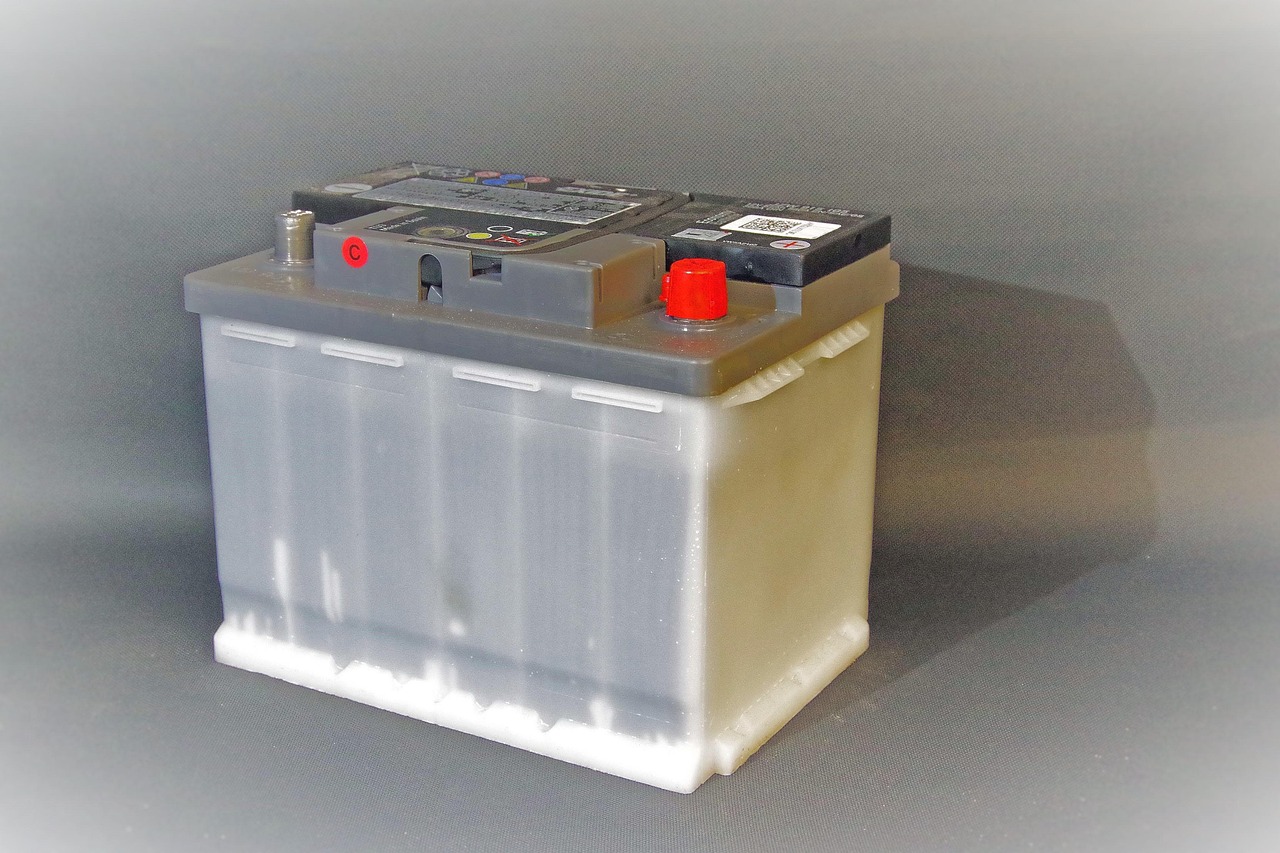
The battery supplies the power needed to operate the starter.
Why It Matters: A weak battery can make it seem like the starter is bad, even when the starter is still working.
Cables and terminals carry power from the battery to the starter and vehicle electrical system.
Why They Matter: Loose, corroded, or damaged connections can prevent enough power from reaching the starter.

The starter relay helps control power flow to the starter.
Why It Matters: A faulty relay can prevent the starter from receiving the signal to operate.
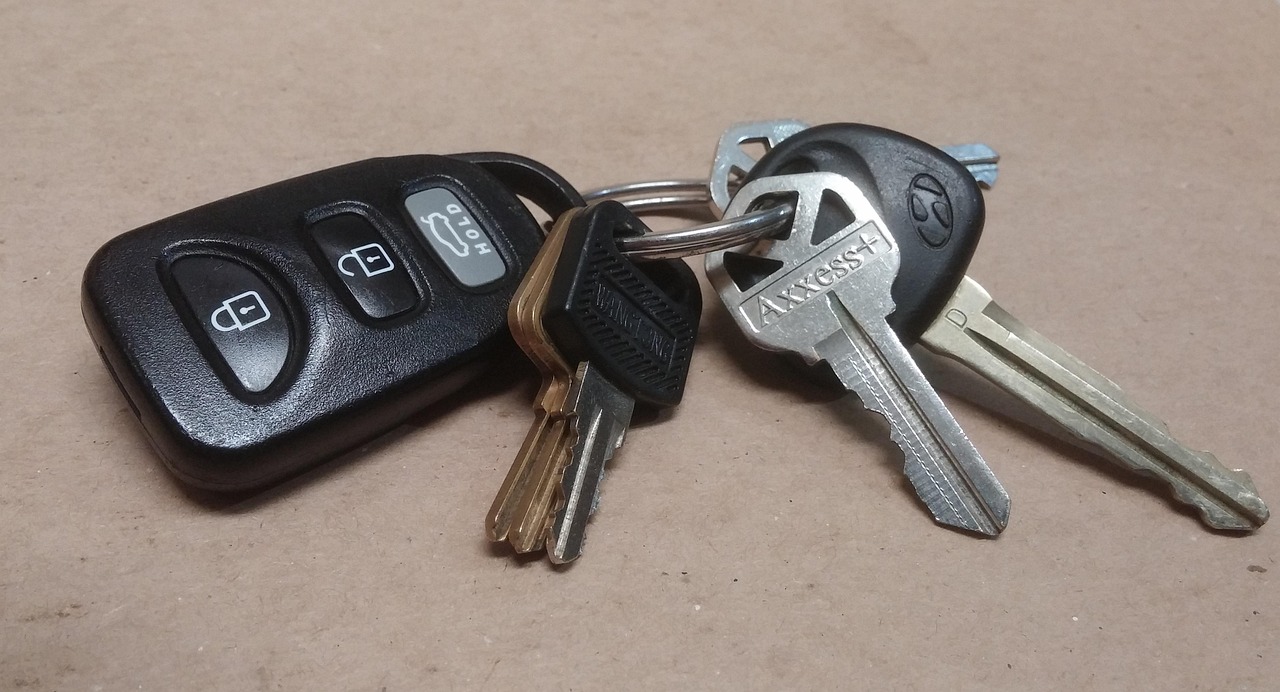
This sends the signal to start the vehicle.
Why It Matters: If the switch or start system has a fault, the starter may not receive the command to crank the engine.
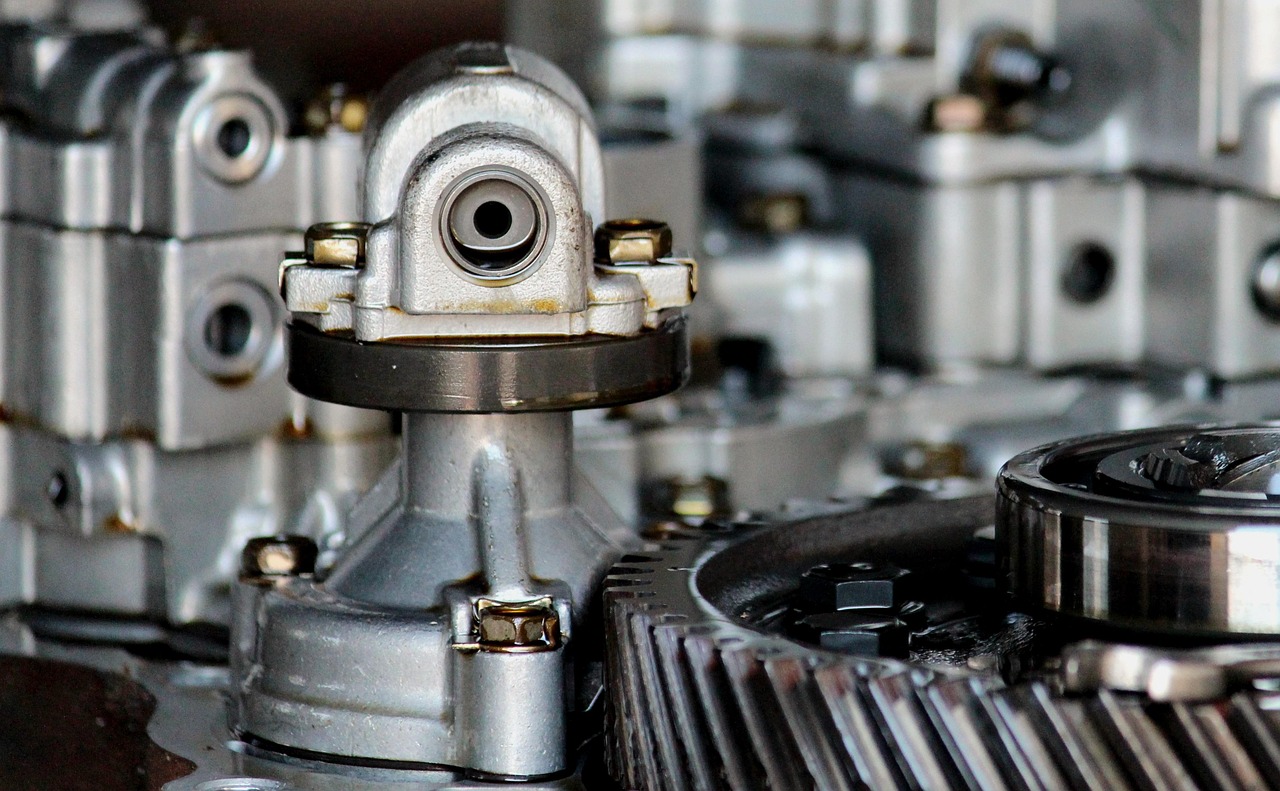
Automatic vehicles usually require the vehicle to be in Park or Neutral before starting. Manual vehicles may require the clutch pedal to be pressed.
Why It Matters: If this safety switch fails, the vehicle may not crank.
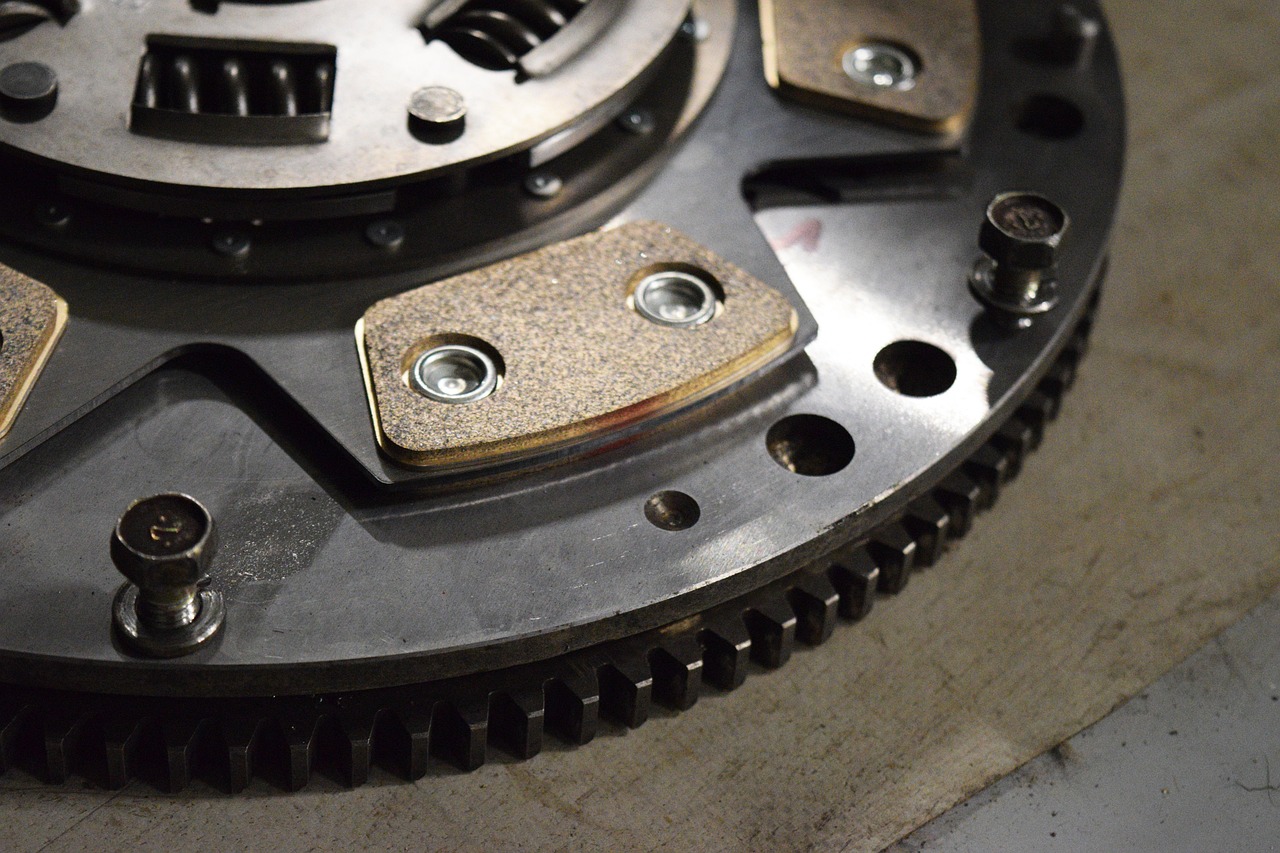
The starter gear engages with the flywheel or flexplate to turn the engine.
Why It Matters: Damaged teeth or engagement problems can cause grinding or failed cranking.
You should schedule a starter check if you notice any of the following:
A starter concern can become worse over time, so intermittent symptoms should not be ignored.

A single click may mean the starter solenoid is trying to engage, but the starter motor is not turning properly. It can also be caused by a weak battery, poor connection, or starter relay issue.
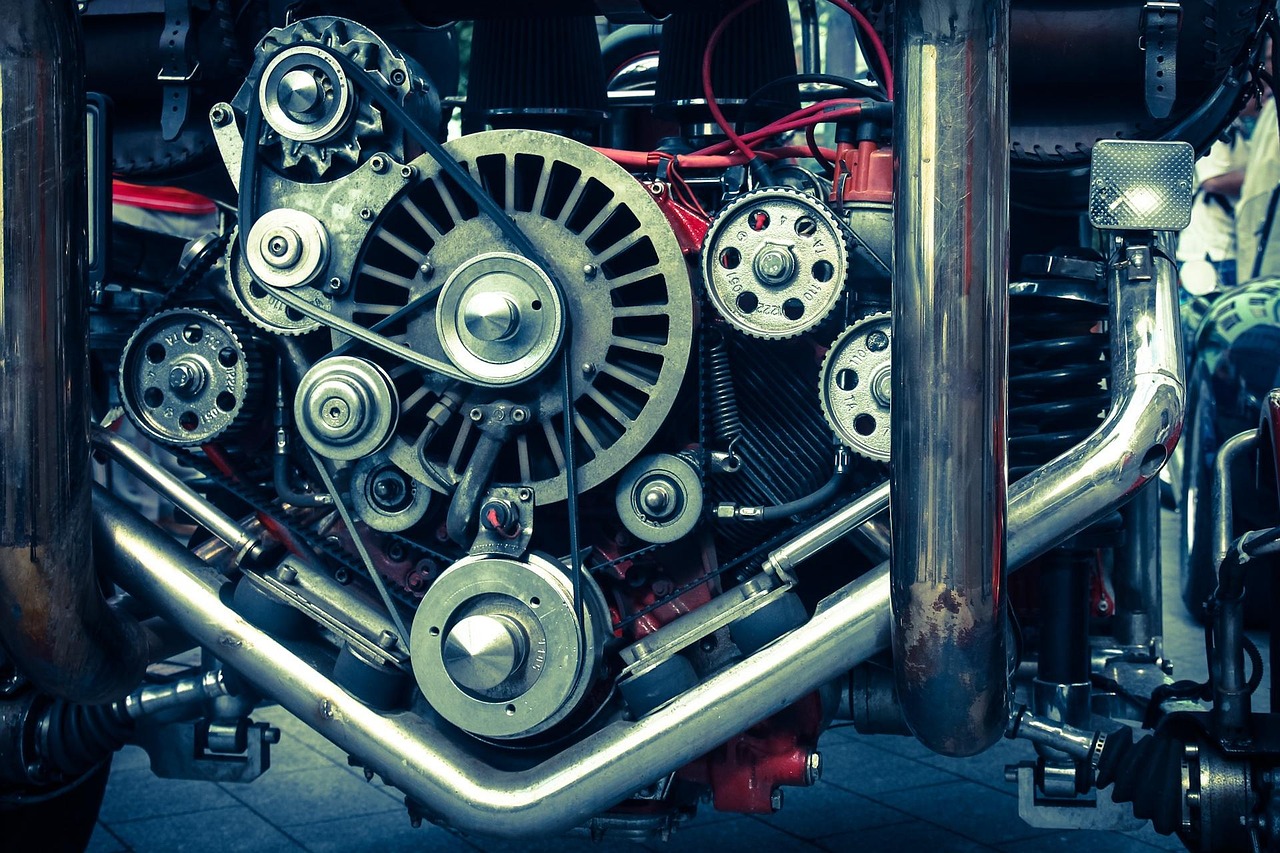
Rapid clicking is often related to low battery power or poor electrical connection. However, it can also happen when the starter system is not receiving enough current.
If there is no sound when you try to start the vehicle, the issue may be related to the battery, ignition switch, starter relay, neutral safety switch, wiring, or starter circuit.
Slow cranking often points to a weak battery, but it can also be caused by a failing starter, poor cables, corrosion, or engine-related resistance.
Grinding during startup may indicate that the starter gear is not engaging properly with the flywheel or flexplate. This should be checked quickly because continued grinding can cause damage.
A whirring sound may mean the starter motor is spinning but not properly engaging the engine. If the vehicle starts sometimes but not always, the issue may be related to the starter, relay, solenoid, wiring, battery connection, or safety switch.
Starter problems and battery problems can feel very similar. That is why testing and inspection are important.
The battery supplies power. The starter uses that power to crank the engine. If the battery is weak, the starter may not have enough power. If the starter is failing, even a good battery may not start the vehicle.
The starter cranks the engine when you start the vehicle. With a starter issue, the vehicle may fail to crank when you try to start it.
The alternator charges the battery while the engine is running. With an alternator issue, the vehicle may start but the battery may drain while driving or fail to restart later.
If your vehicle starts with a jump but later dies or the battery keeps draining, the alternator may need to be checked. If the battery is charged but the engine does not crank, the starter system may be involved.
If the engine does not crank, the starter system may be involved. If the engine cranks but does not start, the issue may be related to fuel, ignition, sensors, compression, or engine management.
Starter problems can happen for several reasons.
The starter motor has moving and electrical parts that wear over time.
A weak battery can place extra strain on the starter and create starting problems.
Corrosion can restrict electrical flow and prevent enough power from reaching the starter.
A loose cable or poor ground connection can cause intermittent starting.
A solenoid problem can prevent the starter motor from engaging properly.
The motor itself can wear out and lose the ability to crank the engine.
A relay problem can prevent the starter from receiving the proper start signal.
If the start command is not sent properly, the starter may not operate.
If the starter gear cannot engage properly, grinding or failed starting may occur.
In some vehicles, starter problems may become worse when the engine is hot because heat affects electrical resistance and starter performance.
Fluid leaks near the starter can damage electrical components over time.
Starter concerns should be reviewed before they become complete failure. Unlike some other vehicle issues, a starter failure can leave you stranded immediately.
If the starter fails completely, the vehicle may not start. Unlike some other vehicle issues, a starter failure can leave you stranded immediately.
Once your vehicle is running, a bad starter usually does not affect driving. The problem happens when you turn the vehicle off and try to restart it. This means you may drive somewhere, turn the vehicle off, and then become unable to start it again.
A starter issue can quickly become a no-start situation.
A jump-start can help if the problem is a weak or dead battery. However, if the starter itself is failing, a jump-start may not solve the issue.
The battery may be weak, undercharged, or drained.
The issue may involve the starter, starter relay, cables, ignition switch, safety switch, or another electrical concern. A starter check helps determine what may be happening.
If the engine cranks normally but does not start, the starter is likely doing its job. The problem may be elsewhere.
In this case, engine diagnostics may be recommended rather than starter service.
Dashboard lights turning on does not always mean the battery is strong enough to start the vehicle. Small electronics require far less power than the starter motor.
A battery and starter system review can help identify the likely cause.
Cold weather can make starting problems worse. In winter, the engine is harder to turn, battery power is reduced, and electrical resistance may increase. A weak starter or battery may show symptoms more often in cold weather.
For Scarborough and GTA drivers, starting system checks before winter can help prevent cold-weather no-start problems.
Some starter problems appear more often after the engine is hot. This is sometimes related to heat affecting the starter motor, solenoid, wiring, or internal electrical resistance.
If your vehicle has hot-start issues, a starter check is recommended.
Older and high-mileage vehicles may be more likely to experience starter wear, cable corrosion, weak grounds, ignition switch wear, or relay problems.
At Valvoline Express Care Scarborough, a starter check may include:
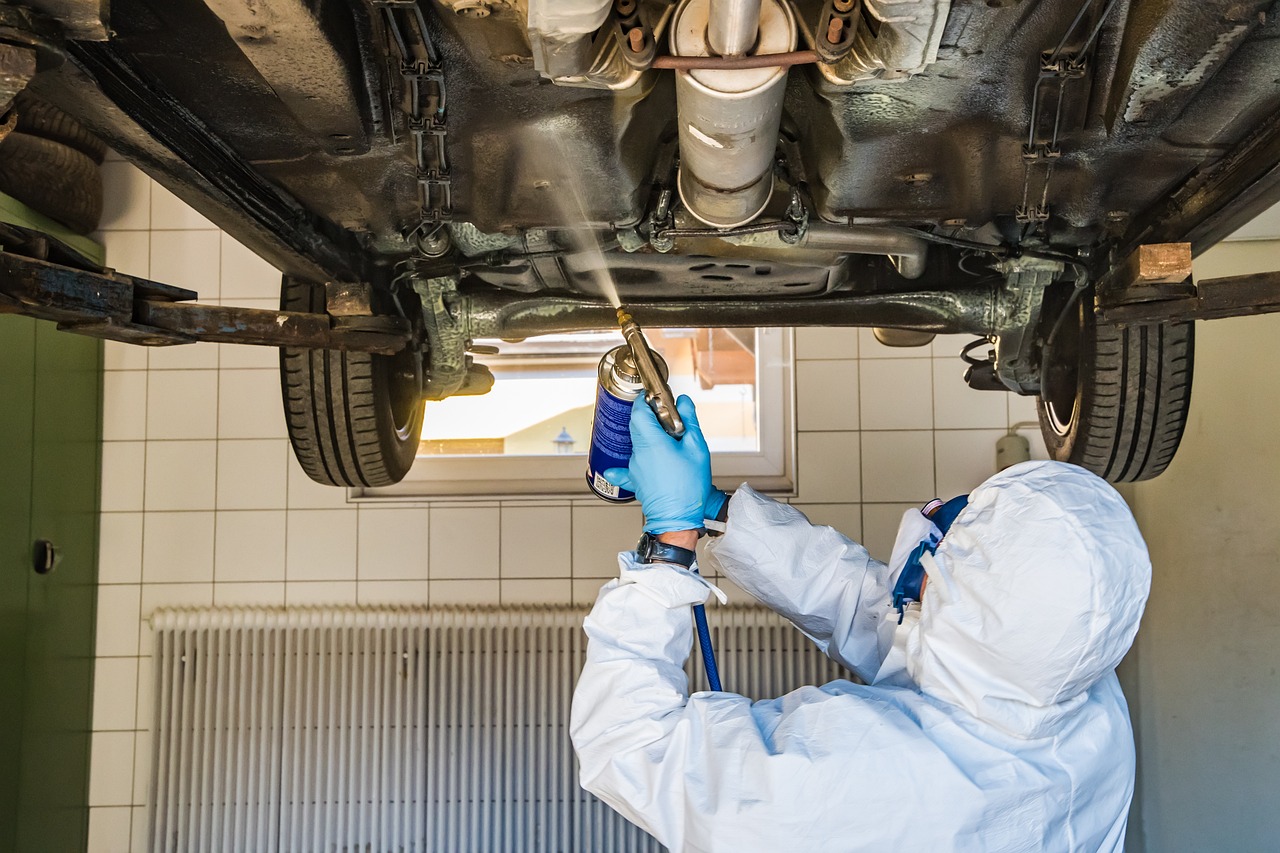
We ask what happens when you try to start the vehicle. Does it click, crank slowly, grind, or do nothing?
We check the battery condition because many starter symptoms are actually caused by weak battery power.
We inspect visible terminals, cables, and connections for corrosion, looseness, or damage.
We review the starting behaviour and compare it with common starter, battery, relay, and connection issues.
Where applicable, we review whether the starter system appears to be engaging properly.
We explain whether the issue appears related to the battery, starter, cables, alternator, or another electrical component.
If starter service, further diagnostics, battery replacement, alternator check, or electrical inspection is needed, we provide a clear recommendation.
A starter check focuses on common starting system concerns. A full electrical diagnosis may be needed for more complex or intermittent electrical issues.
The starter check is often the first step toward understanding the problem.
Before your appointment, it helps to pay attention to:
You do not need to diagnose the problem yourself. These details simply help the technician understand the issue faster.
Ignoring starter symptoms can lead to:
A starter issue may work intermittently for a while, but it often gets worse.
To help reduce starting system problems:
Good maintenance helps protect the full starting system.
Winter can expose weak starting system components. If your vehicle already starts slowly, clicks, or struggles in mild weather, it may fail during cold temperatures.
For Scarborough drivers, this is especially helpful before the first major cold snap.
Before a road trip, cottage drive, business travel, or long commute, starting problems should be checked. A vehicle that starts at home may not restart after stopping for gas, food, or rest.
This gives you more confidence before travelling.
A starter check helps identify whether the problem is likely the starter, battery, alternator, cables, or another electrical concern.
Finding the cause early helps restore dependable starting.
Starter issues can leave you stranded. Early review helps prevent unexpected no-start situations.
Not every starting problem is caused by the battery. A starter check helps avoid guessing.
Cold weather makes starting problems worse. A check helps prepare your vehicle.
You know what is happening and what the next step should be.
We review common causes of starting problems, including battery, cables, terminals, and starter-related symptoms.
We explain what we find in simple language so you understand your options.
We recommend the next step based on the actual symptoms and system condition.
We understand how Ontario weather, traffic, short trips, and winter conditions affect vehicle starting systems.
We can also help with battery testing, battery replacement, alternator checks, warning light review, exterior lights, oil changes, brakes, tires, and general maintenance.
We review starter-related concerns, check common starting system issues, and provide clear recommendations to help get your vehicle starting reliably again.