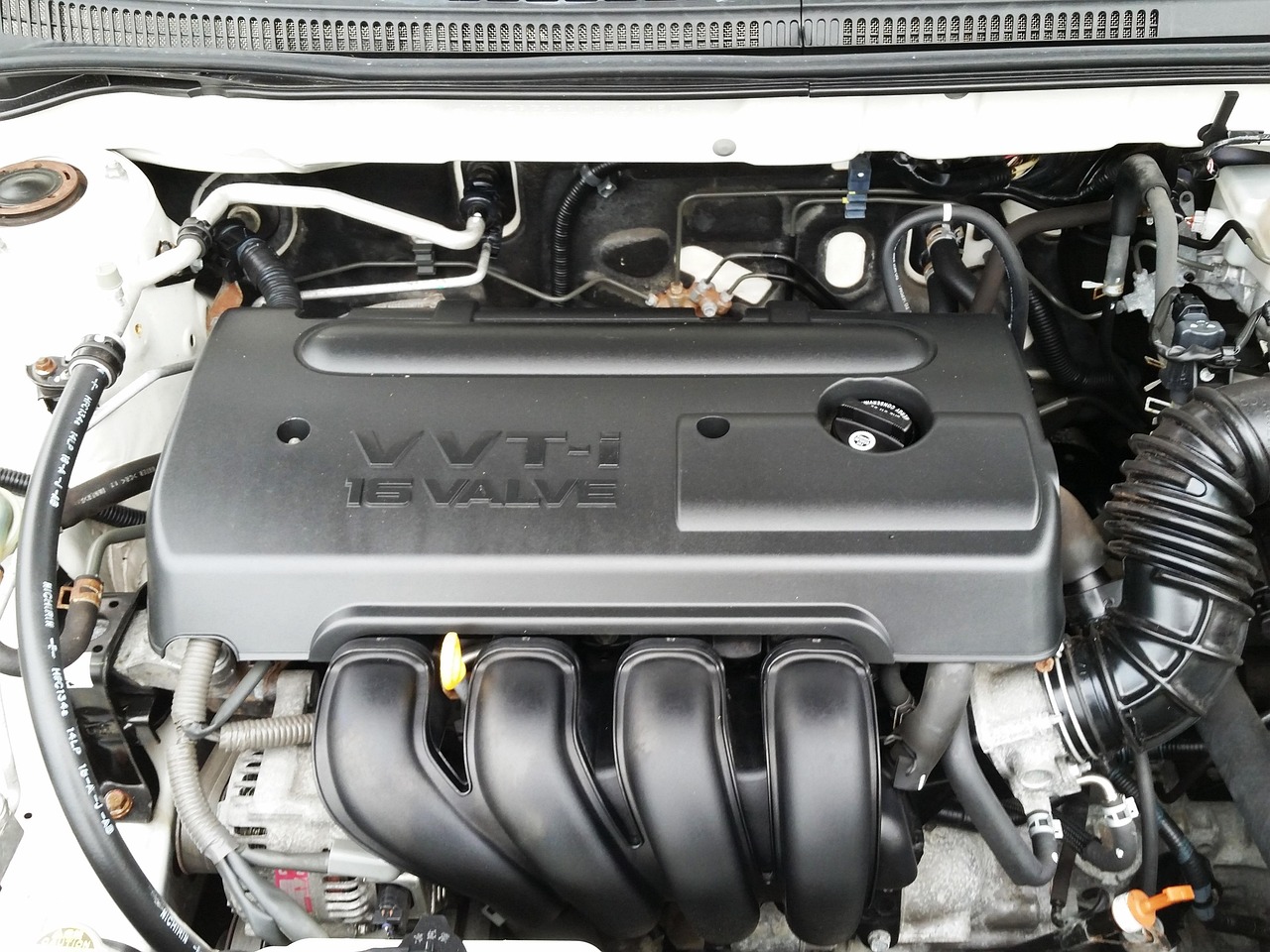
Battery Warning Light
The battery warning light often points to a charging system concern. Many drivers assume it means the battery is bad, but it can also mean the alternator is not charging properly.
Your alternator helps keep your battery charged and powers important electrical systems while your vehicle is running. If your battery keeps dying, headlights are dim, warning lights appear, or your vehicle has trouble staying powered, your alternator may need attention. At Valvoline Express Care Scarborough, we check alternator-related concerns and provide clear recommendations to help keep your vehicle reliable.
An alternator check is a service that reviews whether your vehicle’s alternator is properly charging the battery and supporting the electrical system while the engine is running. The alternator is a key part of your vehicle’s charging system. Once your vehicle starts, the alternator helps generate electrical power and keeps the battery charged.
If the alternator is weak, failing, or not charging correctly, your battery may lose power even if the battery itself is new. This can lead to dim lights, dashboard warning lights, repeated jump-starts, electrical problems, stalling, or a vehicle that will not restart.
At Valvoline Express Care Scarborough, our alternator check helps identify whether your charging system may be the cause of battery or electrical problems.
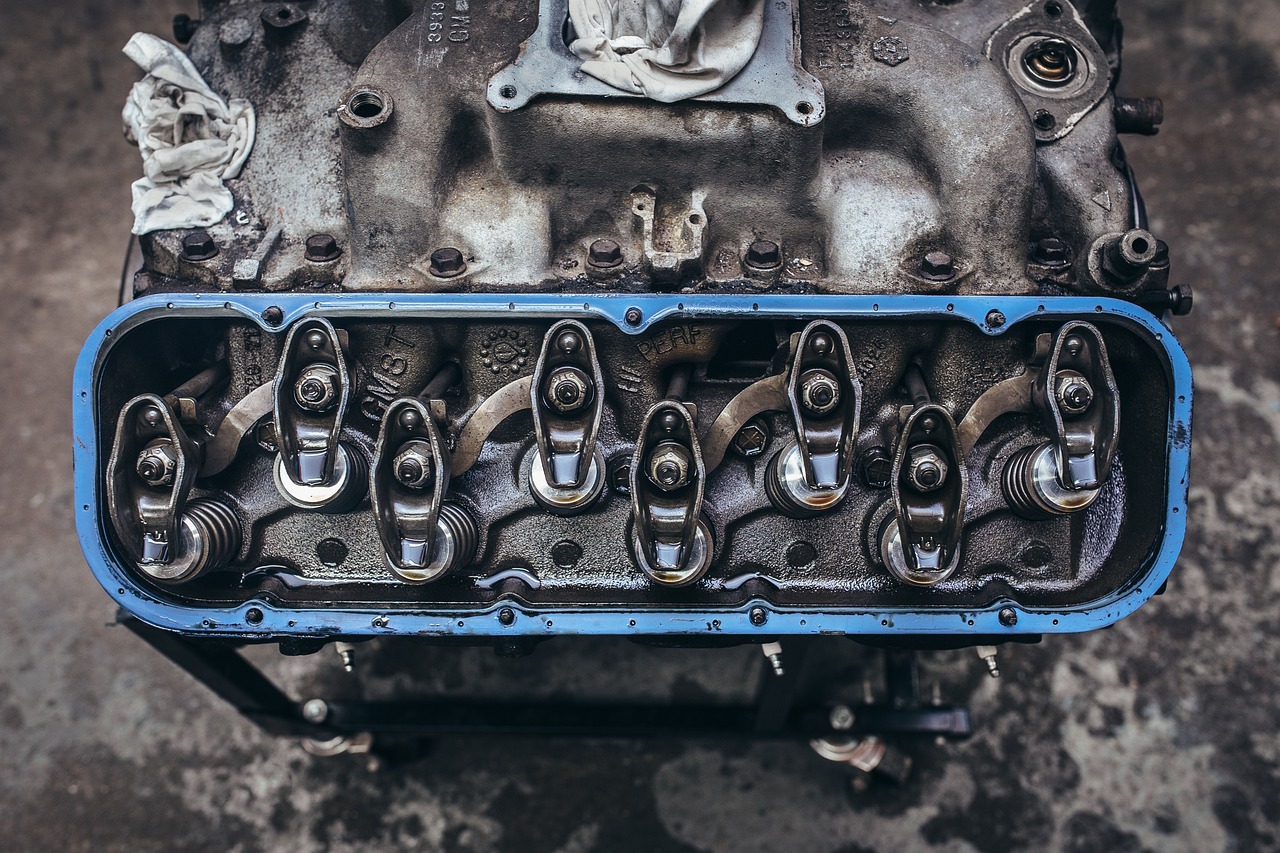
Your battery starts the vehicle, but your alternator helps keep it running. Once the engine is on, the alternator generates electricity and sends power to the battery and electrical systems.
Without a properly working alternator, your vehicle may run only on battery power for a limited time. Once the battery drains, the vehicle may shut down or fail to restart.

Your alternator is essential for everyday vehicle reliability. A weak alternator can create problems that look like battery failure, but replacing the battery alone may not solve the issue.
If your vehicle has repeated battery issues, the alternator should be checked before assuming the battery is the only problem.
You should schedule an alternator check if you notice any of the following:
These symptoms may be caused by the alternator, battery, belt, wiring, terminals, or another electrical issue. An alternator check helps narrow down the cause.
The battery warning light often points to a charging system concern. Many drivers assume it means the battery is bad, but it can also mean the alternator is not charging properly.

If the alternator is not providing stable power, headlights may appear dim, flicker, or change brightness while driving.
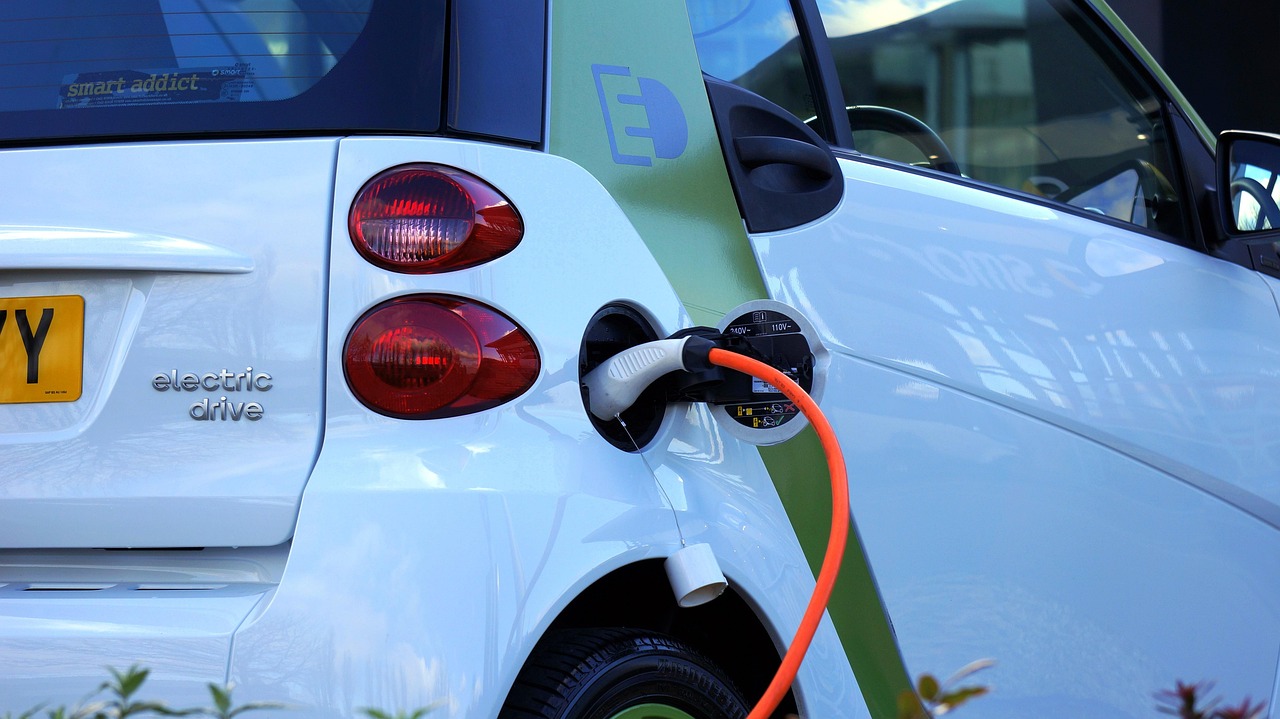
If your battery keeps dying, the alternator may not be recharging it while the vehicle is running.

Power windows, radio, dashboard lights, heater fan, infotainment system, and other electrical features may behave inconsistently if voltage is unstable.

If the alternator stops charging while driving, the vehicle may run on battery power until the battery is drained. This can lead to stalling.

A burning rubber or electrical smell may indicate a belt issue, overheating alternator, wiring concern, or electrical overload.

A failing alternator bearing or pulley can create whining, grinding, or growling sounds from the engine area.
Battery problems and alternator problems often feel similar, but they are not the same.
A battery test checks whether the battery can hold a charge and provide enough power to start the vehicle.
An alternator check reviews whether the alternator is charging the battery properly while the engine is running.
The battery starts the vehicle. The alternator keeps the battery charged after the vehicle is running. If your vehicle starts after a jump but later dies again, or if a new battery keeps draining, the alternator or charging system may need attention.
The starter uses battery power to crank the engine.
The alternator generates power after the engine is running.
An alternator check helps determine whether your issue is related to charging rather than starting.
Alternators can fail for several reasons. Some failures happen gradually, while others appear suddenly.
Alternators contain moving parts and electrical components that wear over time. Bearings, brushes, pulleys, and internal electronics can weaken with age.
Many alternators are driven by a serpentine belt. If the belt is loose, cracked, slipping, or broken, the alternator may not spin properly.
A weak belt tensioner can allow the belt to slip, reducing alternator output.
Modern vehicles use many electrical systems. Heavy electrical demand can place more strain on the alternator.
Engine heat can affect alternator components over time.
Ontario winter conditions can contribute to corrosion around electrical connections and under-hood components.
Fluid leaks near the alternator can damage internal components or reduce alternator life.
A failing battery can place extra stress on the alternator because the alternator may work harder to recharge it.
Poor connections can prevent the alternator from properly charging the battery.
If the alternator fails, your vehicle may continue running for a short time using battery power. However, once the battery loses charge, the vehicle may shut off or fail to restart.
A failing alternator should be addressed quickly because it can leave you stranded.
The battery warning light is one of the most common signs of a charging system issue. It does not always mean the battery is bad.
If the battery warning light appears while driving, schedule service promptly.
Alternator problems can involve either undercharging or overcharging. A failing alternator can cause battery problems in different ways.
Undercharging means the alternator is not producing enough power to recharge the battery and operate the electrical system.
Overcharging means the alternator or voltage regulator is sending too much voltage.
Both undercharging and overcharging should be addressed because they can affect vehicle reliability and electrical safety. This is why it is important to check the alternator when battery problems keep returning.
The alternator usually depends on a belt to spin. If the belt is not working properly, the alternator may not charge correctly.
If the belt breaks or slips badly, the alternator may stop charging. In some vehicles, the same belt may also power other systems, such as the water pump or power steering.
The alternator has moving parts, including a pulley and internal bearings. These can wear out over time.
If these signs are present, the alternator or related belt components may need further inspection.
A weak alternator may show up through electrical accessories before the vehicle completely fails.
Modern vehicles depend heavily on stable electrical power. Alternator issues can affect comfort, convenience, safety, and drivability.
Cold weather can make charging system issues more noticeable. In winter, the battery is weaker, the engine is harder to start, and drivers use more electrical features.
If the alternator is weak, it may struggle to support these demands while keeping the battery charged.
Heat can also affect alternators. Under-hood temperatures can be high during summer, especially in traffic. Heat can wear down electrical components and shorten alternator life.
Short trips can be hard on the battery and charging system. Starting the vehicle uses battery power, and short drives may not give the alternator enough time to recharge the battery fully.
Older and high-mileage vehicles may be more likely to experience alternator wear, belt wear, corroded connections, weak grounds, and electrical issues.
At Valvoline Express Care Scarborough, an alternator check may include:
We ask about symptoms such as dead battery, warning lights, dim headlights, stalling, jump-starts, or electrical issues.
We check the battery condition because a weak battery and alternator concern can appear similar.
We review whether the alternator is producing the proper charging output while the engine is running.
We inspect visible belts, terminals, cables, and connections that may affect charging performance.
We compare test results with the symptoms you have noticed.
We explain whether the issue appears related to the alternator, battery, belt, connections, or another electrical concern.
If further repair or replacement is needed, we recommend the appropriate next step.
An alternator check focuses mainly on the charging system. A full electrical diagnosis may be needed if the issue involves wiring, modules, fuses, relays, parasitic drain, sensors, or intermittent electrical faults.
An alternator check is often the first step when the concern appears related to charging.
You may be able to drive briefly with a failing alternator, but it is risky. If the alternator stops charging, your vehicle will depend only on battery power. Once the battery drains, the vehicle may stall or fail to restart.
If you suspect alternator failure, schedule service as soon as possible.
Ignoring alternator problems can lead to:
Alternator problems often get worse over time and can leave you stranded unexpectedly.
If you recently replaced your battery and the vehicle still has power or starting problems, the alternator should be checked.
Battery replacement and alternator checks often go together when electrical problems continue.
If your vehicle needed a jump-start, the alternator may need to be reviewed. A jump-start only gives the battery temporary power. It does not confirm whether the alternator is charging properly.
To help protect your charging system:
Good maintenance helps reduce unexpected charging system failures.
Before winter, it is smart to check both the battery and alternator. Cold weather increases electrical demand and makes starting harder.
This helps reduce the risk of no-start problems during cold Scarborough mornings.
Before a road trip, cottage drive, business trip, or long commute, alternator concerns should be checked if you have noticed electrical symptoms.
If your battery or charging system has been unreliable, do not wait until the trip begins.
A healthy alternator helps keep your battery charged and your vehicle running properly.
Alternator checks can identify why batteries keep dying or failing early.
Stable charging helps lights, electronics, sensors, and accessories operate correctly.
Charging issues can be found before they become a complete breakdown.
A proper charging system is especially important during cold weather.
You can understand whether the problem is the battery, alternator, belt, connection, or another issue.

We look at alternator-related symptoms along with the battery, belt, terminals, and visible connections.
We explain charging concerns in simple, practical language.
We help determine whether the alternator appears to be the issue before recommending next steps.
We understand how Ontario weather, road salt, traffic, and short trips affect batteries and charging systems.
We can also help with battery testing, battery replacement, starter concerns, warning light review, exterior lights, oil changes, tires, brakes, and general maintenance.
We check alternator-related concerns and provide clear recommendations to help keep your vehicle reliable.