Undercarriage

Professional Undercarriage Inspection for Safety, Protection, and Long-Term Vehicle Health

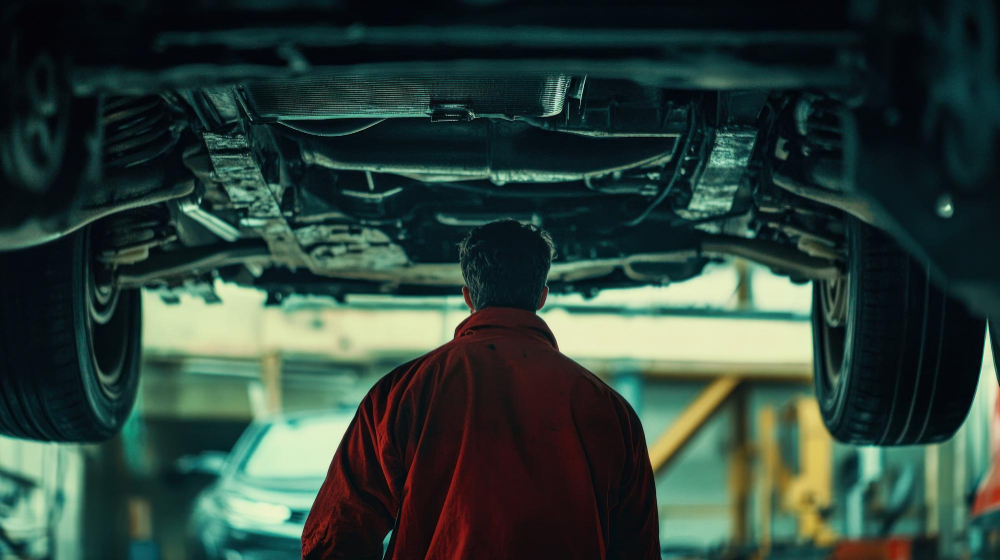
Your vehicle’s undercarriage is exposed to road salt, water, potholes, debris, oil leaks, rust, and everyday road damage. If you notice fluid spots, rattling underneath, scraping noises, rust concerns, loose shields, exhaust noise, or unexplained vibration, Valvoline Express Care Scarborough can inspect visible underbody components and provide clear, honest recommendations.

The Service

What Is an Undercarriage Service?

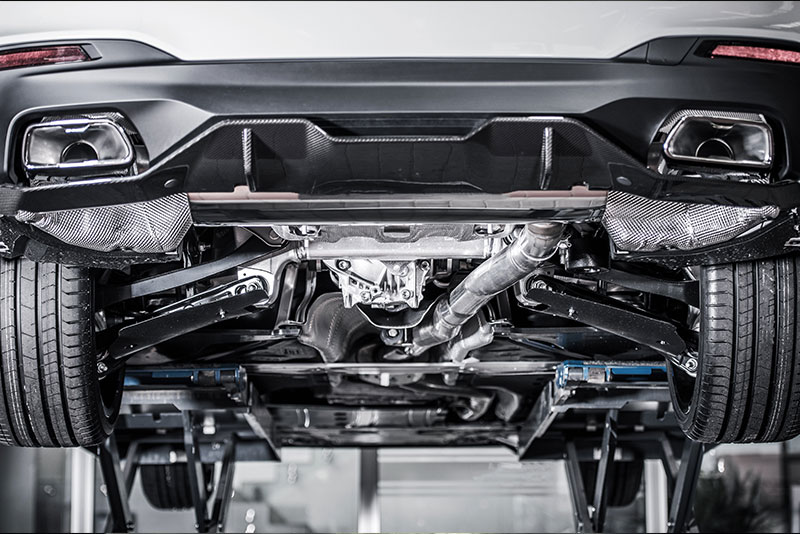
Undercarriage service focuses on inspecting the visible parts underneath your vehicle. The undercarriage includes many important components that support safety, structure, protection, handling, exhaust flow, braking, fuel delivery, and overall reliability.

Because the underside of your vehicle is constantly exposed to harsh road conditions, it can develop rust, leaks, loose parts, damaged shields, worn mounts, exhaust concerns, broken brackets, and impact damage. In Ontario, winter road salt, snow, slush, moisture, potholes, and seasonal temperature changes can accelerate underbody wear.

At Valvoline Express Care Scarborough, our undercarriage inspection helps identify visible concerns early so customers can understand what needs attention before small issues become larger repairs.

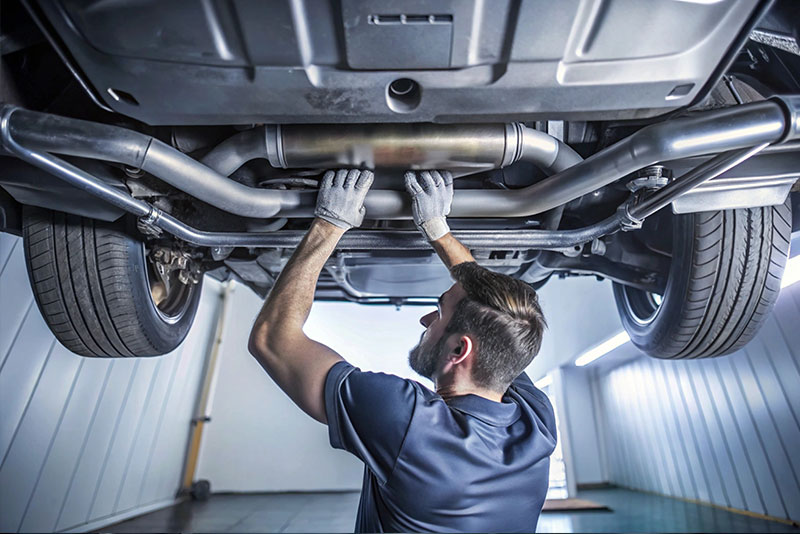
Undercarriage inspection
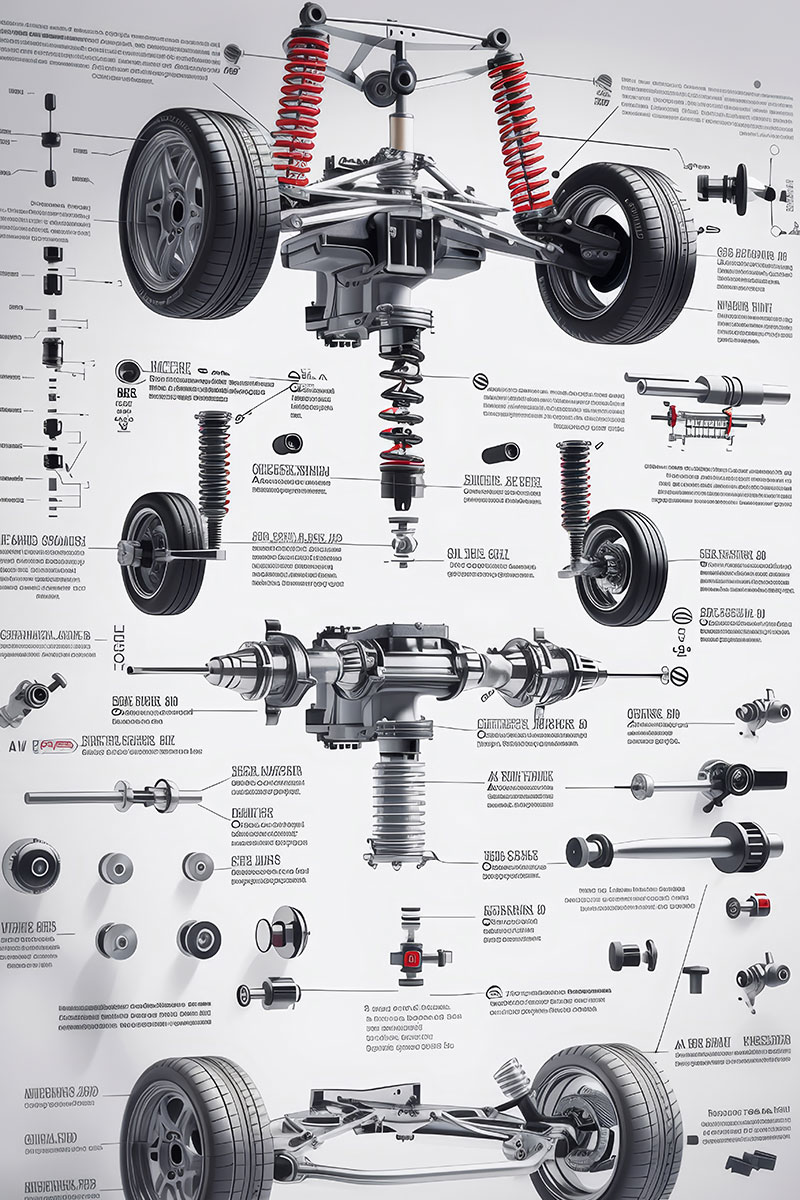
Why the undercarriage matters
Why It Matters

Why the Undercarriage Matters

Many drivers pay attention to what they can see from the outside of the vehicle, but some of the most important parts are underneath. The undercarriage protects and supports major systems, including the exhaust, suspension, brakes, fuel lines, fluid lines, splash shields, frame areas, drivetrain components, and engine protection panels.

A professional undercarriage check helps:
  • Identify visible fluid leaks
  • Detect rust and corrosion concerns
  • Find loose or damaged splash shields
  • Review exhaust system condition
  • Check visible brake and fuel line concerns
  • Identify underbody impact damage
  • Review underbody rattles or scraping noises
  • Help prevent small issues from becoming larger repairs
  • Support safer driving in all seasons
  • Improve long-term vehicle reliability
  • Prepare the vehicle for winter, summer, and long trips

The undercarriage often gives early warning signs of problems that may not be obvious from inside the vehicle.

What’s Covered

Main Areas Included Under Undercarriage

Undercarriage Inspection

An undercarriage inspection reviews the visible underside of the vehicle for leaks, rust, loose parts, damage, hanging shields, broken brackets, and other concerns.

Why It Matters: Road debris, potholes, curbs, rust, and winter salt can damage underbody components. A visual inspection helps identify problems before they worsen.

Fluid Leak Inspection

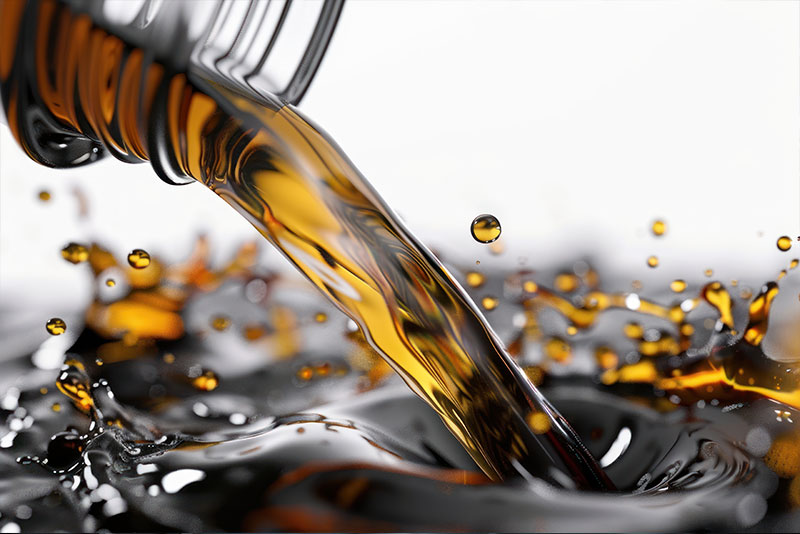
A fluid leak inspection checks for visible signs of oil, coolant, transmission fluid, brake fluid, power steering fluid, washer fluid, differential fluid, or other leaks under the vehicle.

Why It Matters: Fluid leaks can lead to engine damage, overheating, poor braking, steering problems, transmission issues, or other serious concerns if ignored.

Learn More

Exhaust System Visual Check

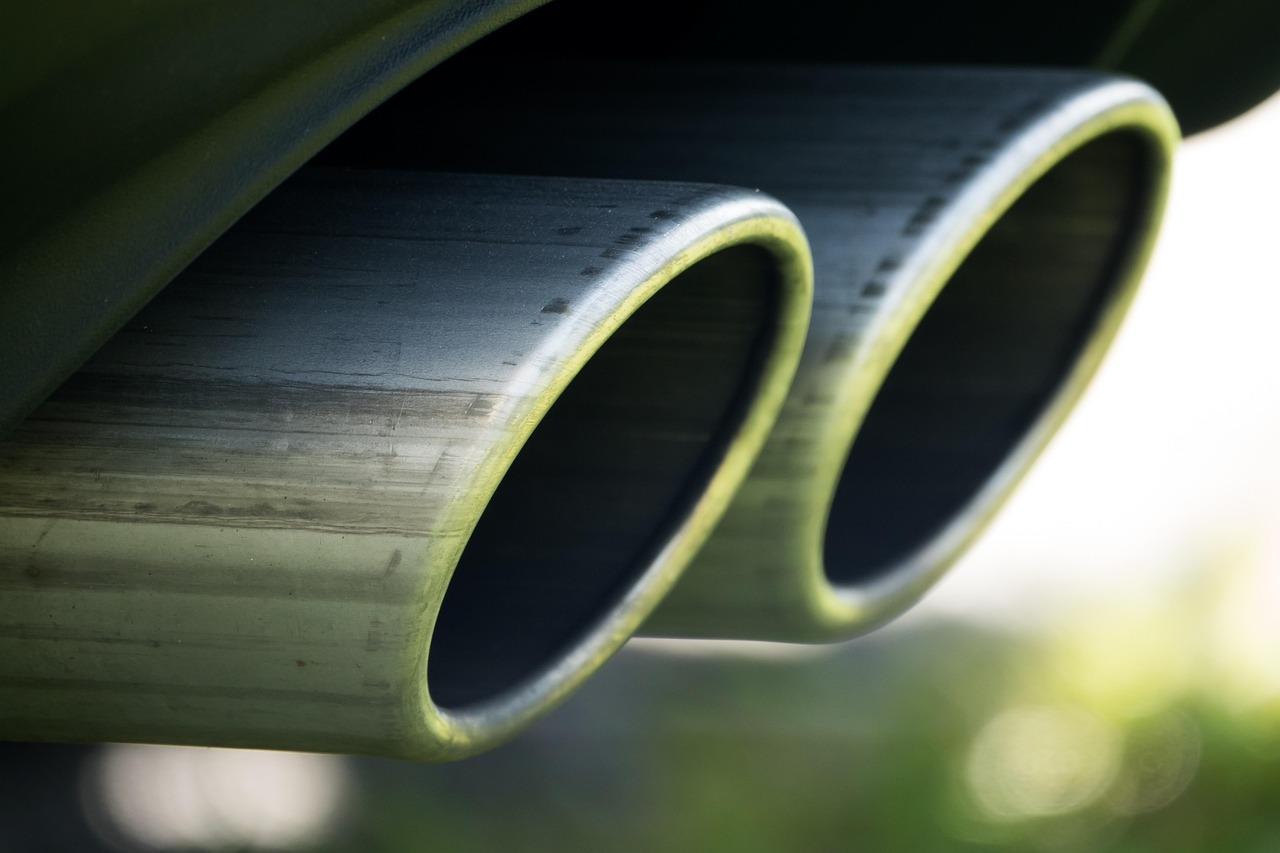
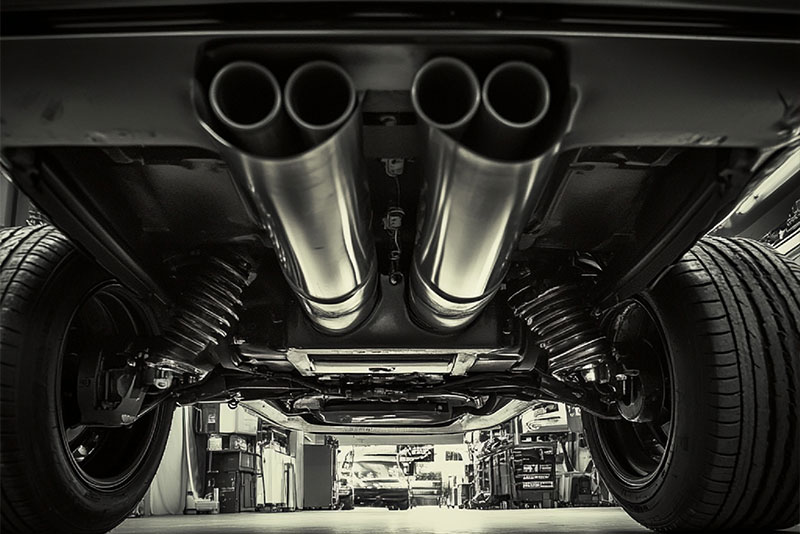
The exhaust system runs under the vehicle and includes pipes, hangers, mufflers, catalytic converters, clamps, and heat shields.

Why It Matters: A damaged exhaust system can cause loud noise, rattling, poor performance, fumes, or safety concerns.

Learn More

Rust and Corrosion Review

Rust and corrosion can develop on underbody components, especially in areas exposed to winter road salt.

Why It Matters: Surface rust may be normal on some components, but severe rust can weaken brackets, lines, shields, exhaust parts, suspension mounting areas, and structural components.

Learn More

Splash Shield and Underbody Cover Check

Many vehicles have plastic or metal shields underneath to protect the engine, transmission, wiring, and lower components.

Why It Matters: Loose or broken shields can drag, rattle, scrape, or expose important parts to road debris and water.

Brake Line and Fuel Line Visual Review

Brake lines and fuel lines often run along the underside of the vehicle.

Why It Matters: Visible corrosion, damage, or leakage in these areas should be reviewed promptly because brake and fuel systems are safety-critical.

Frame and Subframe Visual Review

The frame, subframe, and underbody structure help support the vehicle and connect major components.

Why It Matters: Rust, impact damage, or loose mounting areas can affect safety, alignment, suspension support, and long-term reliability.

Drivetrain and Axle Boot Awareness

Some drivetrain components, such as CV axles, axle boots, driveshafts, and related joints, may be visible underneath.

Why It Matters: A torn CV boot, grease leak, or damaged drivetrain component can lead to clicking, vibration, or further wear.

Underbody Noise and Rattle Review

Noises from underneath may come from heat shields, exhaust hangers, loose panels, suspension parts, brake hardware, or damaged shields.

Why It Matters: A small rattle may be simple, but it can also indicate a loose or damaged component that needs attention.

Warning Signs

Signs You May Need an Undercarriage Inspection

You should schedule an undercarriage inspection if you notice:

  • Fluid spots under your vehicle
  • Burning smell after driving
  • Rattling noise underneath
  • Scraping sound from under the vehicle
  • Loud exhaust noise
  • Vehicle sounds different than before
  • Visible rust underneath
  • Plastic shield hanging down
  • Metal shield dragging or vibrating
  • Vehicle recently hit a pothole, curb, or road debris
  • Underbody damage after winter driving
  • Oil smell or coolant smell
  • Exhaust smell inside or near the vehicle
  • Vibration while driving
  • Clunking or knocking from underneath
  • Brake warning signs or suspected brake fluid leak
  • Vehicle was recently purchased used
  • You are preparing for winter or a long trip

If something sounds, smells, or leaks from underneath the vehicle, it should be checked early.

What Goes Wrong

Common Undercarriage Problems

Fluid leaks under a vehicle

Fluid Leaks

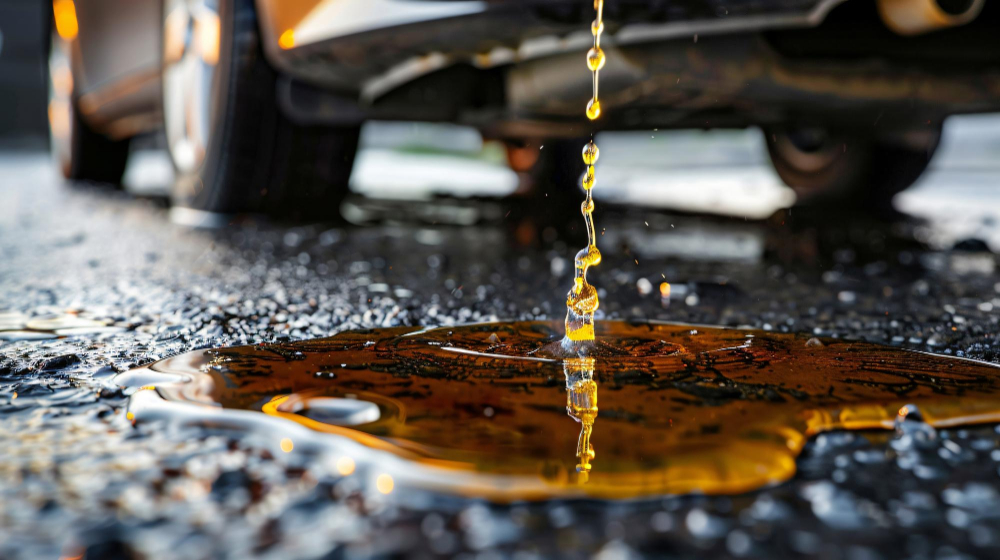
Fluid leaks are one of the most common undercarriage concerns. They may appear as drops, stains, wet areas, or puddles under the vehicle.

Common leaking fluids may include
  • Engine oil
  • Coolant
  • Transmission fluid
  • Brake fluid
  • Power steering fluid
  • Washer fluid
  • Differential fluid
  • Fuel
  • A/C condensation, which may be normal

Why It Matters: Some leaks are minor, while others require urgent attention. Brake fluid, fuel, coolant, and major oil leaks should be reviewed quickly.

Underbody rust and corrosion

Rust and Corrosion

Rust is common on vehicles driven in Ontario, especially underneath where road salt and moisture collect.

Common rust-prone areas include
  • Exhaust system
  • Brake lines
  • Fuel lines
  • Subframe
  • Suspension mounts
  • Rocker panels
  • Floor pan areas
  • Brackets and clamps
  • Heat shields
  • Fasteners
  • Underbody seams

Why It Matters: Light surface rust may not be urgent, but heavy corrosion can weaken components and create safety concerns.

Loose splash shield

Loose Splash Shields

Splash shields and underbody covers protect important components from water, dirt, rocks, and road debris.

Signs of loose shields include
  • Scraping noise
  • Rattling under the vehicle
  • Plastic dragging on the road
  • Noise at highway speeds
  • Missing clips or fasteners
  • Shield hanging lower than normal

Why It Matters: A loose shield can become worse over time and may eventually fall off or expose lower components to damage.

Exhaust rattles and leaks

Exhaust Rattles and Leaks

The exhaust system is mounted underneath the vehicle and is exposed to heat, vibration, salt, and impact damage.

Signs of exhaust concerns include
  • Louder-than-normal exhaust
  • Rattling underneath
  • Exhaust smell
  • Metallic vibration
  • Hissing noise
  • Rusted exhaust pipe
  • Broken hanger
  • Loose heat shield

Why It Matters: Exhaust concerns can affect comfort, noise, emissions, and in some cases safety.

Heat shield problems

Heat Shield Problems

Heat shields protect nearby components from exhaust heat. Over time, heat shields can rust, loosen, rattle, or detach.

Signs of heat shield issues include
  • Metallic rattling
  • Buzzing sound at certain RPMs
  • Noise from underneath
  • Noise during acceleration
  • Noise when the vehicle is idling

Why It Matters: A loose heat shield may sound minor, but it should be secured or reviewed before it falls or causes additional noise.

Brake line corrosion

Brake Line Corrosion

Brake lines carry brake fluid to the braking system. Because they run underneath the vehicle, they can be exposed to salt and corrosion.

Warning signs may include
  • Brake fluid leak
  • Soft brake pedal
  • Brake warning light
  • Visible rust on lines
  • Reduced braking confidence
  • Fluid spots near wheels or underbody

Why It Matters: Brake line concerns are safety-critical and should be reviewed promptly.

Brake Fluid Check
Fuel line concerns

Fuel Line Concerns

Fuel lines carry fuel from the tank to the engine. Damage or corrosion should not be ignored.

Warning signs may include
  • Fuel smell
  • Visible wet area near fuel line
  • Fuel leak
  • Poor fuel economy
  • Strong smell near vehicle
  • Check engine light in some cases

Why It Matters: Fuel leaks can be dangerous and should be inspected immediately.

Underbody impact damage

Underbody Impact Damage

Potholes, curbs, road debris, snowbanks, and parking blocks can damage the underside of the vehicle.

Signs of impact damage include
  • Scraping noise
  • Fluid leak after impact
  • Rattle underneath
  • Steering or vibration changes
  • Exhaust noise
  • Hanging shield
  • Vehicle pulling
  • New clunking sound

Why It Matters: Even if the vehicle still drives normally, hidden underbody damage can lead to leaks, loose parts, or future failures.

Reading the Clues

What Different Fluid Leaks May Mean

Fluid under a vehicle can come from many systems. Colour, smell, location, and texture can provide clues, but professional inspection is the safest way to confirm.

Engine oil leak

Engine Oil Leak

Usually brown, dark brown, or black. It may feel slippery and appear under the engine area. Possible sources include the oil pan gasket, drain plug, valve cover gasket, oil filter housing, and engine seals.

Coolant leak

Coolant Leak

Coolant may be green, orange, pink, yellow, blue, red, or purple depending on the vehicle, and may have a sweet smell. Possible sources include the radiator, hoses, water pump, thermostat housing, coolant reservoir, and heater core connections.

Transmission fluid leak

Transmission Fluid Leak

Transmission fluid may be red, pink, brown, or dark depending on age and type. Possible sources include the transmission pan, cooler lines, axle seals, and transmission seals.

Brake fluid leak

Brake Fluid Leak

Brake fluid is usually clear to amber, or darker if old. It may appear near wheels or brake lines. Brake fluid leaks are safety-critical and should be checked immediately.

Power steering fluid leak

Power Steering Fluid Leak

Power steering fluid may be red, amber, or clear depending on the vehicle. Possible sources include the power steering pump, hoses, steering rack, and reservoir connections.

Fuel leak

Fuel Leak

Fuel has a strong smell and should be treated as urgent. Do not ignore fuel smell or visible fuel leaks — fuel leaks require immediate inspection.

A/C condensation

A/C Condensation

Clear water dripping under the vehicle after using A/C is often normal condensation from the air conditioning system. If the fluid has colour, smell, oiliness, or appears in large amounts unexpectedly, it should be checked.

If you see fluid under your vehicle, a leak check should be part of the undercarriage review.

Ontario Conditions

Rust, Road Salt and Pothole Damage

Rust and Corrosion in Ontario Vehicles

Ontario vehicles face heavy exposure to road salt, moisture, snow, slush, and freeze-thaw cycles. This makes undercarriage corrosion a common concern. Rust may appear on:

  • Exhaust pipes
  • Mufflers
  • Brake lines
  • Fuel lines
  • Subframes
  • Suspension mounts
  • Brackets
  • Shields
  • Fasteners
  • Rocker panels
  • Floor areas

Surface Rust vs. Severe Rust

Surface Rust: Surface rust may appear on exposed metal parts and may not be immediately serious.

Severe Rust: Severe rust may cause flaking, holes, weakened metal, leaking lines, broken brackets, or structural concerns.

A visual inspection helps determine whether rust appears minor or needs further attention.

Undercarriage and Road Salt Damage

Road salt helps melt ice, but it can accelerate corrosion underneath the vehicle. Salt mixed with moisture can remain trapped in seams, brackets, shields, and hard-to-reach areas. Salt damage can affect:

  • Brake lines
  • Fuel lines
  • Exhaust parts
  • Suspension mounting points
  • Fasteners
  • Underbody panels
  • Frame and subframe areas
  • Heat shields
  • Electrical connectors

Regular undercarriage checks are especially helpful after winter.

Undercarriage and Pothole Damage

Potholes can damage more than tires and wheels. A hard impact can affect the underside of the vehicle. Pothole-related undercarriage damage may include:

  • Bent shields
  • Cracked plastic covers
  • Exhaust damage
  • Leaking oil pan or transmission pan
  • Damaged suspension components
  • Loose brackets
  • Fluid leaks
  • Underbody scraping
  • Wheel and tire damage

If a noise or leak appears after hitting a pothole, schedule an inspection.

Know the Difference

Undercarriage Inspection vs. Related Services

Undercarriage Inspection vs. Fluid Leak Inspection

An undercarriage inspection is broader than a fluid leak inspection.

Broad

Undercarriage Inspection

This reviews visible underbody condition, including rust, shields, exhaust, lines, brackets, and visible damage.

Focused

Fluid Leak Inspection

This focuses specifically on identifying where fluid may be leaking from and what type of fluid may be involved.

Simple Difference

An undercarriage inspection looks at the overall underside. A fluid leak inspection focuses on leaks.

Leak Checks

Undercarriage Inspection vs. Exhaust Inspection

The exhaust system is one important part of the undercarriage, but it is not the entire undercarriage.

Exhaust Only

Exhaust Inspection

Focuses on exhaust pipes, muffler, catalytic converter, hangers, clamps, leaks, and heat shields.

If the main issue is loud exhaust or exhaust smell, a focused exhaust system check may be recommended.

Exhaust Inspection
Whole Underside

Undercarriage Inspection

May include exhaust, but also reviews leaks, rust, brake lines, fuel lines, shields, underbody covers, frame areas, and visible drivetrain concerns.

Undercarriage Inspection vs. Suspension Inspection

Suspension components are attached underneath the vehicle, but suspension inspection has a more specific focus.

Ride & Control

Suspension Inspection

Focuses on shocks, struts, control arms, ball joints, bushings, sway bar links, springs, and steering-related components.

General Underside

Undercarriage Inspection

Focuses on the general underside, including leaks, shields, rust, exhaust, lines, covers, and visible damage.

Many symptoms overlap. For example, clunking underneath may involve suspension, exhaust, shields, brakes, or underbody components.

Undercarriage Inspection vs. Rustproofing

An undercarriage inspection checks the current visible condition of the underside. Rustproofing is a separate preventive service designed to help reduce future corrosion.

Identify

Undercarriage Inspection Helps Identify

  • Existing rust
  • Corrosion-prone areas
  • Damaged shields
  • Leaks
  • Exposed underbody parts
  • Loose components
Protect

Rustproofing Helps

  • Reduce future corrosion risk
  • Protect metal surfaces
  • Support long-term underbody protection
  • Help vehicles exposed to winter road salt

If rust is already severe, it should be evaluated before applying any protective treatment.

Exhaust Safety

Undercarriage and Exhaust Safety

The exhaust system carries gases away from the engine and out the rear of the vehicle. If an exhaust pipe leaks or breaks underneath, fumes may enter areas where they should not.

Possible exhaust warning signs include:
  • Loud exhaust noise
  • Hissing sound
  • Exhaust smell
  • Rattling underneath
  • Reduced performance
  • Check engine light in some cases
  • Rusted or broken pipe
  • Loose muffler
  • Hanging exhaust component

Exhaust concerns should be inspected because they may affect comfort, emissions, and safety.

Muffler Concerns
Vehicle Safety

Undercarriage and Vehicle Safety

The undercarriage includes important safety-related systems. Some underbody concerns may affect braking, fuel delivery, steering, suspension, exhaust safety, or vehicle structure.

Safety-related undercarriage concerns may include:
  • Brake fluid leaks
  • Corroded brake lines
  • Fuel leaks
  • Severe rust on mounting points
  • Loose suspension components
  • Exhaust leaks
  • Damaged shields dragging on the road
  • Loose underbody parts
  • Severe frame or subframe corrosion

If a vehicle feels unsafe, smells unusual, leaks fluid, or makes new underbody noises, it should be inspected promptly.

Good Timing

When an Undercarriage Inspection Helps Most

Before Winter

Before winter, it is smart to check the undercarriage because snow, slush, ice, and road salt can make existing problems worse. A pre-winter undercarriage inspection may include:

  • Fluid leak review
  • Brake line visual review
  • Fuel line visual review
  • Rust and corrosion review
  • Exhaust system visual review
  • Shield and cover check
  • Hose and bracket awareness
  • Underbody damage review
  • Loose component check

Winter driving can turn small underbody problems into larger concerns.

After Winter

After winter, the undercarriage should be checked for salt-related wear and damage. A post-winter inspection may help identify:

  • Rust starting to form
  • Brake line corrosion
  • Exhaust rust
  • Loose heat shields
  • Damaged splash shields
  • Underbody clips missing
  • Fluid leaks
  • Road debris damage
  • Moisture-related deterioration

Post-winter checks are especially valuable for vehicles driven daily in Scarborough and the GTA.

Before a Long Trip

Before a long drive, cottage trip, family visit, or highway commute, it is smart to check the undercarriage if you have noticed leaks, rattles, or scraping noises. A pre-trip inspection can help identify:

  • Fluid leaks
  • Hanging shields
  • Exhaust concerns
  • Loose underbody parts
  • Rust concerns
  • Drivetrain boot concerns
  • Brake or fuel line concerns
  • Damage from potholes or curbs

This helps reduce the risk of unexpected problems while travelling.

Used Vehicles

If you recently purchased a used vehicle, an undercarriage inspection is a smart step. The underside can reveal issues that are not obvious from the exterior or interior. A used vehicle check may reveal:

  • Rust concerns
  • Previous impact damage
  • Fluid leaks
  • Exhaust wear
  • Missing shields
  • Brake line corrosion
  • Fuel line concerns
  • Poor previous repairs
  • Loose brackets
  • Hidden underbody damage

This gives the vehicle owner a clearer understanding of future maintenance needs.

Older Vehicles

Undercarriage Inspection for Older and High-Mileage Vehicles

Older and high-mileage vehicles are more likely to have undercarriage concerns due to age, corrosion, fluid seepage, worn mounts, rusted exhaust parts, and long-term exposure to road conditions. An undercarriage inspection is especially useful if:

  • Vehicle has high mileage
  • Vehicle is driven year-round in Ontario
  • Rust history is unknown
  • Fluid leaks are present
  • Exhaust sounds louder than before
  • Vehicle was recently purchased used
  • Underbody noise is present
  • Splash shield is damaged
  • Brake or fuel lines look rusty
  • Winter driving has been harsh

Regular inspection helps older vehicles stay safer and more reliable.

Act Quickly

When Undercarriage Concerns May Be Urgent

Some undercarriage issues should be checked immediately. Seek service quickly if you notice:

  • Fuel smell
  • Brake fluid leak
  • Sudden major fluid leak
  • Engine overheating with coolant leak
  • Loud scraping under vehicle
  • Exhaust smell inside cabin
  • Brake pedal feels soft
  • Vehicle is leaking after hitting something
  • Shield is dragging on the road
  • Loud exhaust noise suddenly appears
  • Smoke, burning smell, or steam
  • Vehicle feels unstable after impact

If there is a safety concern, avoid driving until the vehicle has been checked.

Safety First

Can You Drive With Undercarriage Damage?

It depends on the type and severity of the damage. Some minor shield damage may be less urgent, while fluid leaks, brake line corrosion, fuel leaks, exhaust leaks, or structural rust can be serious.

Avoid driving if:
  • Fuel is leaking
  • Brake fluid is leaking
  • Vehicle is overheating
  • A shield is dragging badly
  • Exhaust fumes are entering the cabin
  • A major fluid leak appears
  • Vehicle feels unstable
  • Loud scraping or grinding continues
  • You hit road debris and the vehicle changed immediately

When in doubt, have the vehicle inspected before continuing to drive.

The Cost of Waiting

What Happens If You Ignore Undercarriage Problems?

Ignoring undercarriage problems can lead to:

  • Larger fluid leaks
  • Engine damage from low oil or coolant
  • Transmission damage from fluid loss
  • Brake safety concerns
  • Fuel leak hazards
  • Exhaust leaks
  • Louder vehicle noise
  • Loose parts falling off
  • Increased rust damage
  • More expensive repairs
  • Poor winter reliability
  • Safety risks
  • Unexpected breakdowns

The underside of the vehicle is easy to forget, but it is important for long-term vehicle health.

What We Do

What Is Included in Our Undercarriage Service?

At Valvoline Express Care Scarborough, undercarriage service may include:

Visual Undercarriage Review

We inspect visible underbody areas for damage, rust, leaks, loose parts, or missing covers.

Fluid Leak Review

We look for signs of oil, coolant, transmission fluid, brake fluid, power steering fluid, fuel, or other leaks.

Exhaust System Awareness

We inspect visible exhaust components for rust, loose hangers, leaks, broken brackets, or heat shield concerns.

Rust and Corrosion Review

We look for visible corrosion on underbody components, lines, brackets, and shields.

Splash Shield and Cover Review

We check for loose, cracked, missing, or dragging underbody shields.

Brake Line and Fuel Line Visual Review

Where visible, we review lines for corrosion, damage, leakage, or other concerns.

Frame and Subframe Awareness

We inspect visible structural areas for rust, impact damage, or obvious concerns.

Drivetrain Boot Awareness

Where visible, we check for torn boots, grease leakage, or obvious drivetrain-related concerns.

Underbody Noise Review

If the customer reports rattling, scraping, knocking, or buzzing, we inspect visible areas that may be causing the sound.

Clear Recommendation

If a concern is found, we explain the issue and recommend the appropriate next step.

How It Works

Our Undercarriage Inspection Process

Undercarriage inspection in progress

We ask what you noticed, such as leaks, rattling, scraping, rust, exhaust noise, fluid smell, or impact damage.

We review when the concern happens: while driving, after parking, over bumps, during acceleration, after winter, or after hitting road debris.

We inspect visible undercarriage areas for leaks, damage, rust, loose shields, and obvious concerns.

If fluid is present, we consider the location, colour, smell, and likely source.

We check visible exhaust components, heat shields, splash shields, and underbody covers.

Where visible, we check brake lines, fuel lines, and related underbody areas for corrosion or leakage.

We explain what we see in simple, practical language.

If service is needed, we recommend the next step, such as leak repair, exhaust service, shield repair, rust concern review, brake line inspection, or further diagnostics.

Before You Arrive

What Customers Should Notice Before Coming In

Before your appointment, it helps to notice:

  • What colour is the fluid under the vehicle?
  • Where is the fluid located?
  • Does the fluid smell sweet, oily, or like fuel?
  • Does the noise happen over bumps?
  • Does the vehicle rattle while idling?
  • Did you hit a pothole, curb, snowbank, or road debris?
  • Is something hanging under the vehicle?
  • Is the exhaust louder than normal?
  • Do you smell exhaust inside the vehicle?
  • Is there visible rust underneath?
  • Did the problem appear after winter?
  • Does the noise change with speed?
  • Is the vehicle overheating?
  • Does the brake pedal feel different?

You do not need to diagnose the issue yourself. These details help guide the inspection.

Driver Tips

Undercarriage Maintenance Tips for Drivers

To help protect your undercarriage:

  • Wash the underside after winter when possible
  • Do not ignore fluid spots under the vehicle
  • Check after hitting potholes or road debris
  • Address loose splash shields early
  • Watch for exhaust noise changes
  • Inspect for rust before and after winter
  • Use proper winter maintenance habits
  • Avoid driving over large debris
  • Slow down over potholes and speed bumps
  • Have leaks checked early
  • Replace damaged shields or covers
  • Do not ignore fuel or brake fluid smells
  • Check used vehicles underneath before purchase
  • Inspect before long trips
  • Keep up with routine oil changes and fluid checks

A little underbody care can help prevent expensive repairs later.

Key Benefits

Benefits of a Professional Undercarriage Inspection

Early Leak Detection

Fluid leaks can be found before they cause major damage.

Better Rust Awareness

Visible rust and corrosion can be reviewed before they become severe.

Improved Safety

Brake line, fuel line, exhaust, and structural concerns can affect safety.

Reduced Road Noise

Loose shields, heat shields, and exhaust components may be identified.

Better Winter Readiness

Ontario winter conditions can damage underbody components. Inspection helps prepare your vehicle.

Better Long-Term Vehicle Health

The undercarriage supports many major systems. Keeping it in good condition helps protect the vehicle.

Peace of Mind

You understand what is happening underneath your vehicle.

Local & Trusted

Why Choose Valvoline Express Care Scarborough for Undercarriage Service?

Valvoline Express Care service bay

Practical Underbody Review

We inspect visible undercarriage concerns and help identify what may need attention.

Clear Communication

We explain leaks, rust, loose shields, and underbody issues in simple language.

Honest Recommendations

We recommend service based on visible condition, symptoms, and safety needs.

Local Scarborough Auto Care

We understand how Ontario road salt, potholes, snow, slush, traffic, and seasonal changes affect the underside of vehicles.

Complete Vehicle Maintenance Support

We can also help with oil changes, fluid checks, engine care, brakes, tires, suspension, lights, wipers, battery service, heating and cooling, and general maintenance.

Ready When You Are

Book Your Undercarriage Inspection Today

We inspect visible underbody components and provide clear, honest recommendations before small issues become larger repairs.