Provide a Braking Surface
Rotors give brake pads a strong surface to press against.
Brake rotors play a major role in helping your vehicle stop safely. When rotors become worn, grooved, rusted, uneven, or damaged, you may notice vibration, grinding, squeaking, longer stopping distance, or a pulsing brake pedal. At Valvoline Express Care Scarborough, we inspect your brake rotors and provide clear recommendations to help restore smooth, confident braking.
Brake rotor service is the inspection, maintenance, resurfacing, or replacement of the brake rotors in your vehicle’s braking system. Brake rotors are the metal discs that your brake pads press against when you apply the brakes. This contact creates friction, which slows your wheels and brings your vehicle to a stop.
Over time, brake rotors can wear down, develop grooves, become uneven, rust, overheat, or lose their smooth surface. When this happens, your brakes may become noisy, rough, less responsive, or less effective.
At Valvoline Express Care Scarborough, brake rotor service begins with a proper inspection. We check the rotor condition, look for visible wear or damage, and recommend whether the rotors can continue to be used, should be serviced, or need replacement.

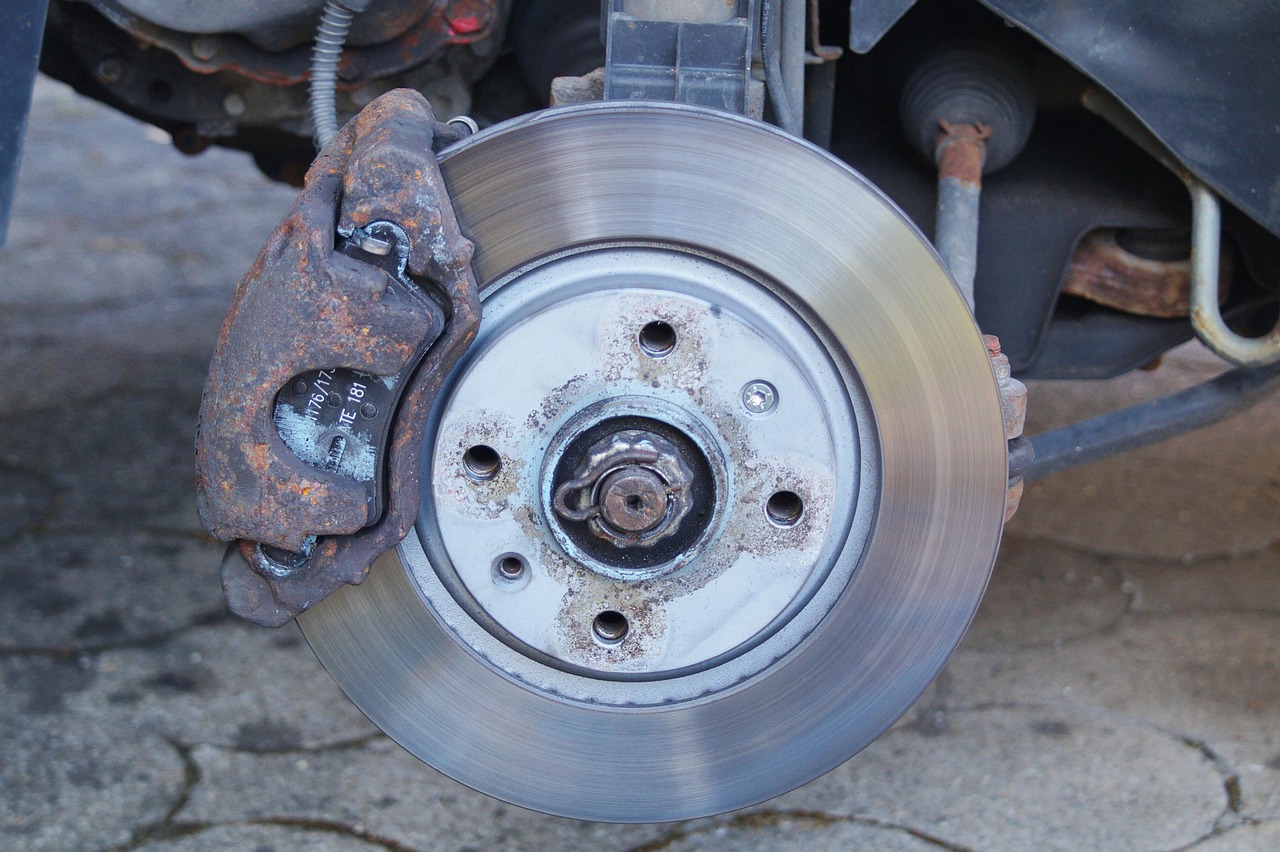
Brake rotors work directly with your brake pads. If the rotors are in poor condition, even new brake pads may not perform properly. Good rotors help create smooth, even braking and support reliable stopping power.
When rotors are damaged or worn, the entire braking experience can be affected.
When you press the brake pedal, hydraulic pressure moves through the brake system. The brake calipers squeeze the brake pads against the brake rotors. The friction between the pads and rotors slows the wheels and helps stop the vehicle. This process creates heat. Brake rotors are designed to handle heat, pressure, and repeated friction. However, with normal driving, traffic, winter conditions, hard braking, and age, rotors can wear down or develop surface problems.
Rotors give brake pads a strong surface to press against.
The friction between the pads and rotors helps reduce wheel speed.
Rotors help absorb and release heat created during braking.
A good rotor surface helps reduce vibration, noise, and rough braking.
You should consider brake rotor service if you notice any of the following:
If you feel vibration or hear grinding, it is best to have the brakes checked as soon as possible.
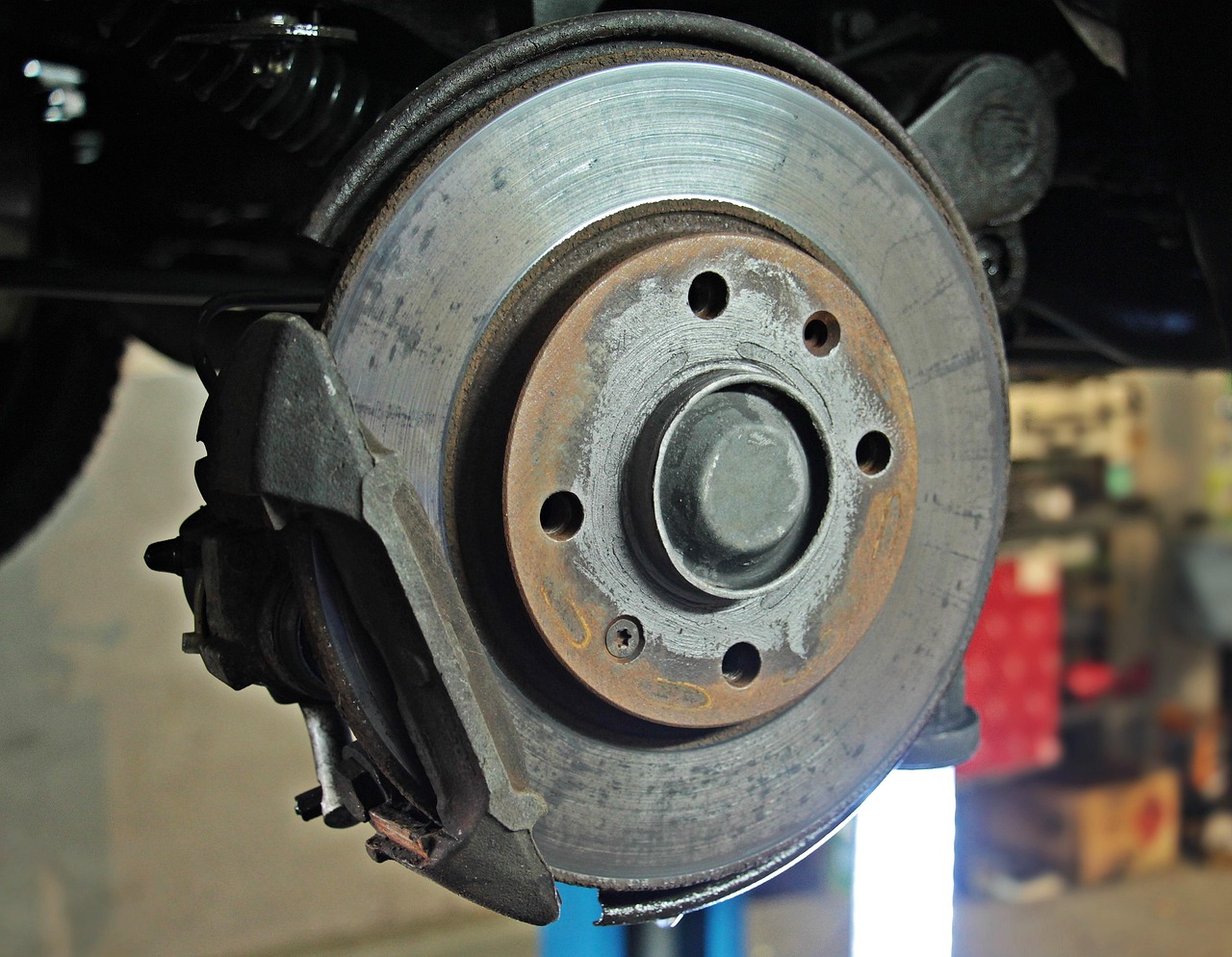
Grooves can form on the rotor surface when brake pads wear down or when debris gets trapped between the pad and rotor.
Why It Matters: Grooved rotors may prevent brake pads from making smooth contact, reducing braking performance and increasing noise.
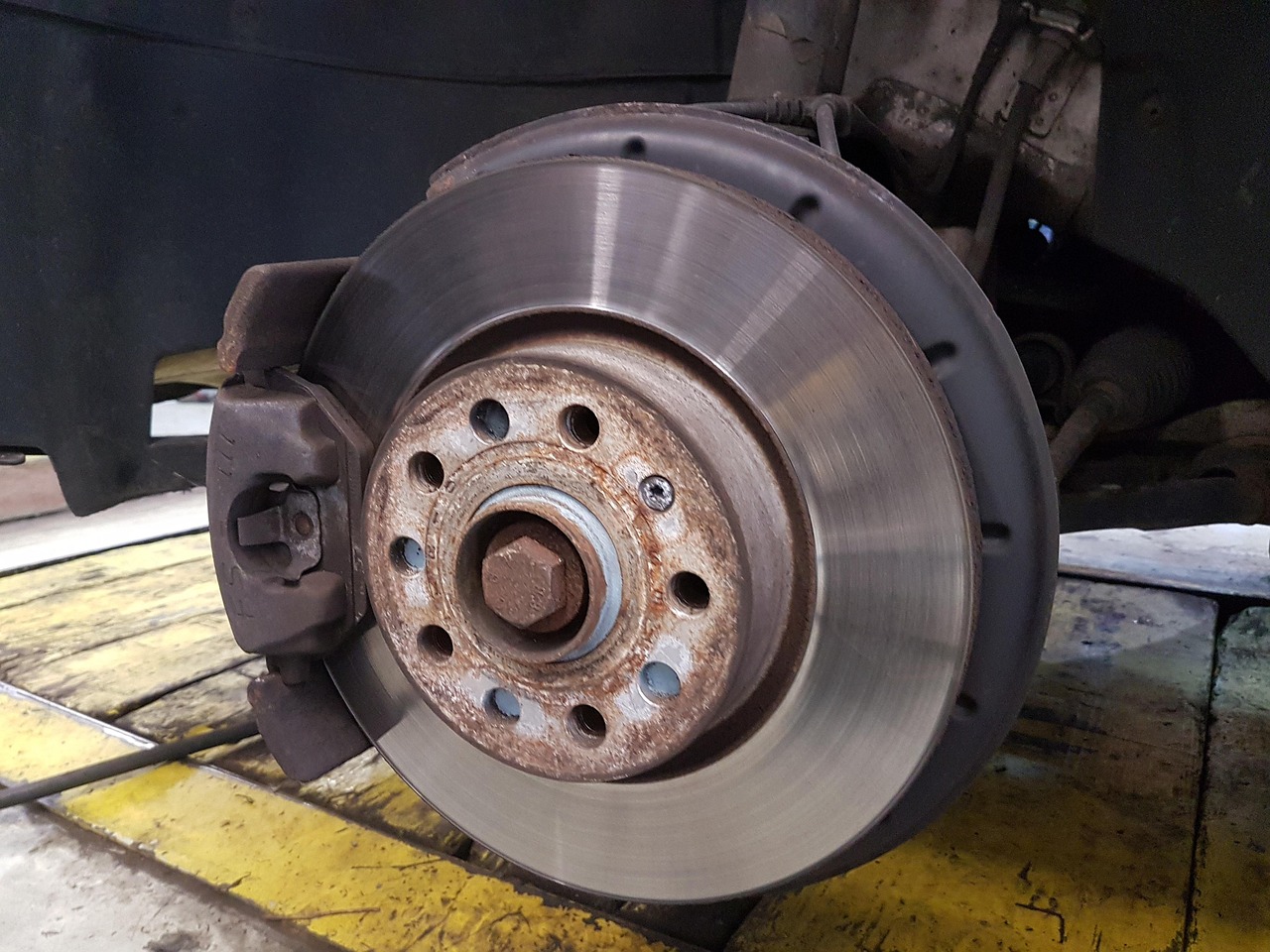
Many drivers describe vibration as “warped rotors.” In many cases, the issue may be uneven rotor surface, thickness variation, heat spots, or rotor runout.
Why It Matters: Uneven rotors can cause unstable braking and make the vehicle feel less controlled when stopping.
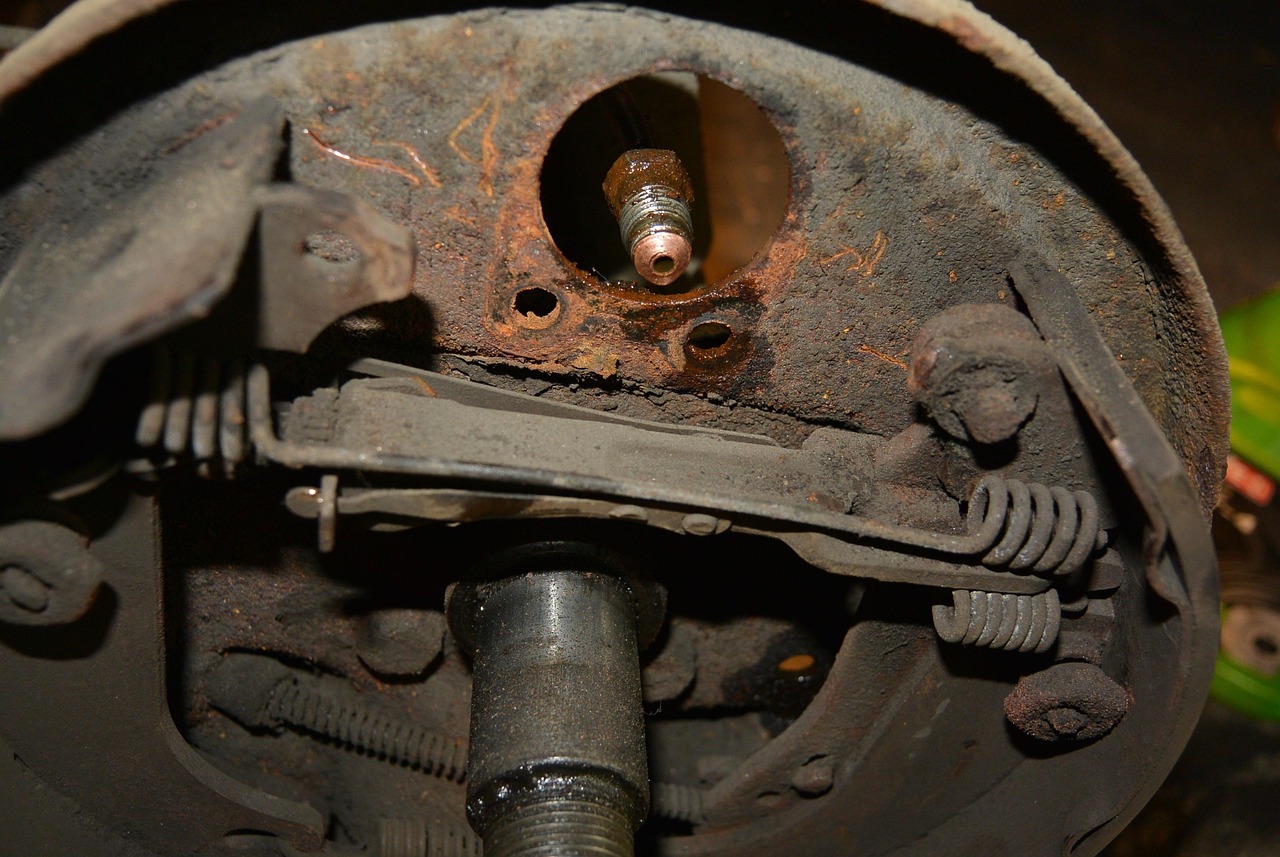
Brake rotors are exposed to moisture, road salt, snow, rain, and humidity. Surface rust can appear, especially when a vehicle sits for a while.
Why It Matters: Light surface rust may clear after driving, but heavy rust, pitting, or corrosion can affect braking performance and rotor life.
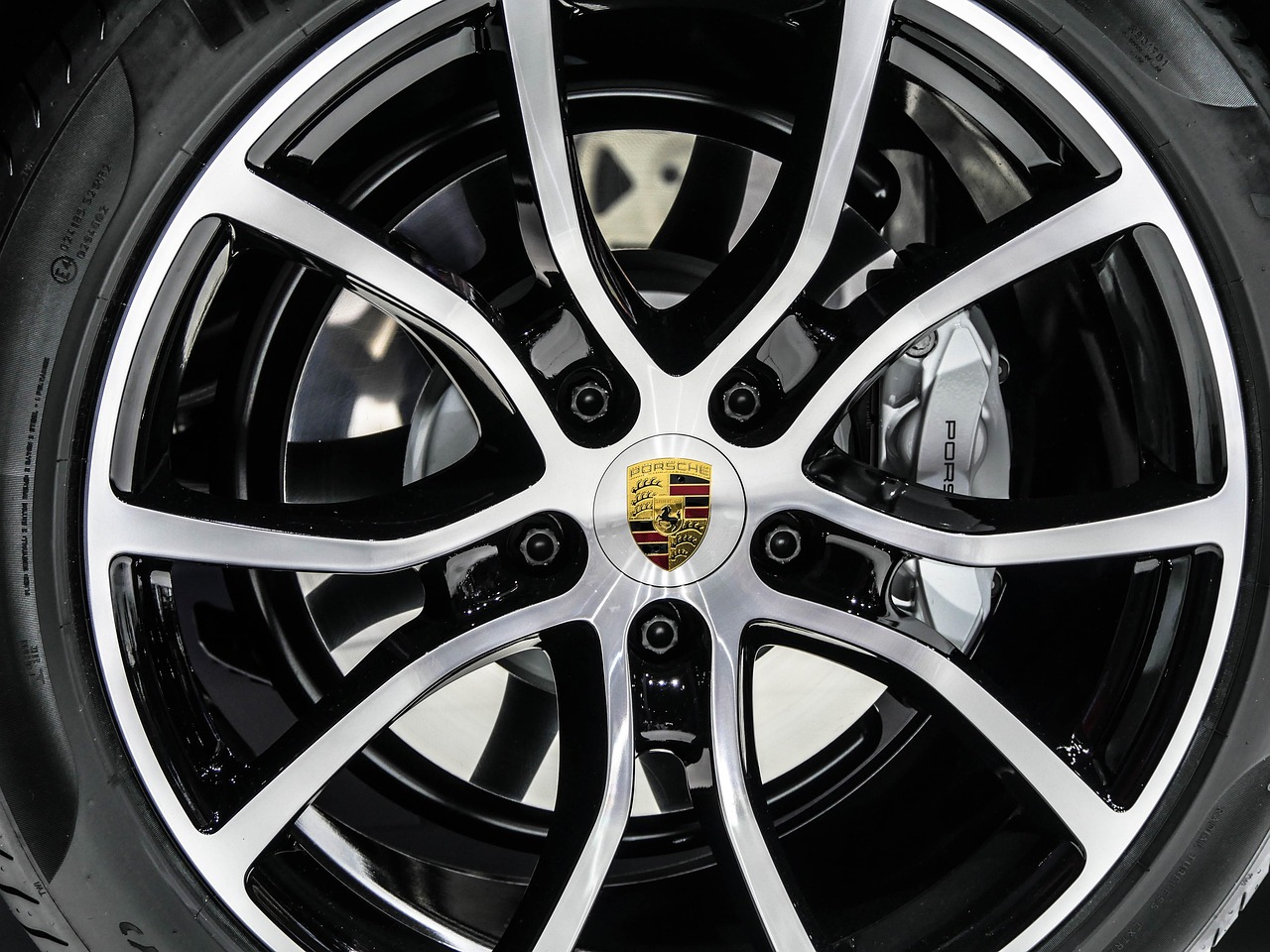
Scoring happens when the rotor surface becomes scratched or damaged. This may happen from worn brake pads, metal-on-metal contact, debris, or damaged brake components.
Why It Matters: Scored rotors may need replacement if the damage is too deep or the rotor is too thin.
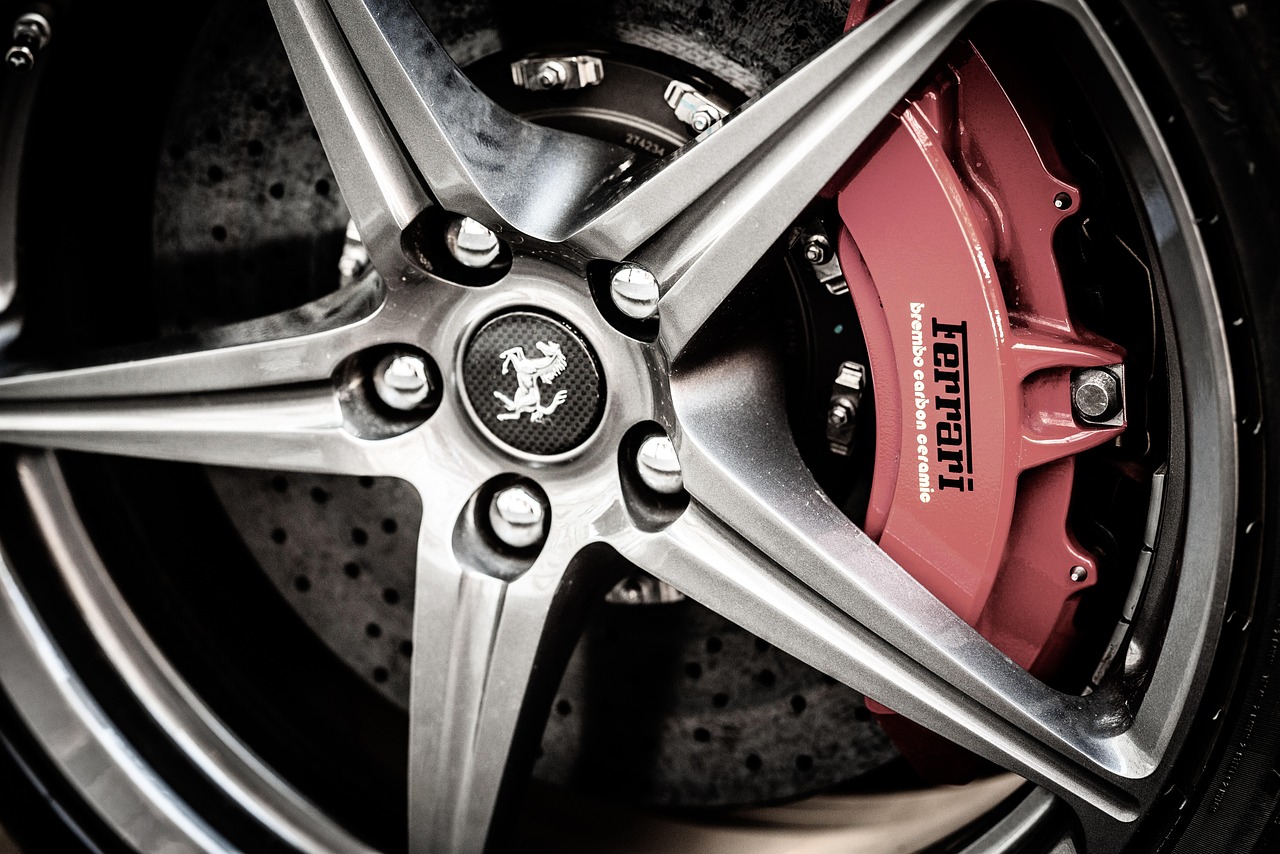
Heat spots can appear when rotors experience excessive heat from hard braking, heavy braking, towing, or stuck brake components.
Why It Matters: Heat-damaged rotors may not provide consistent braking and may contribute to brake noise or vibration.
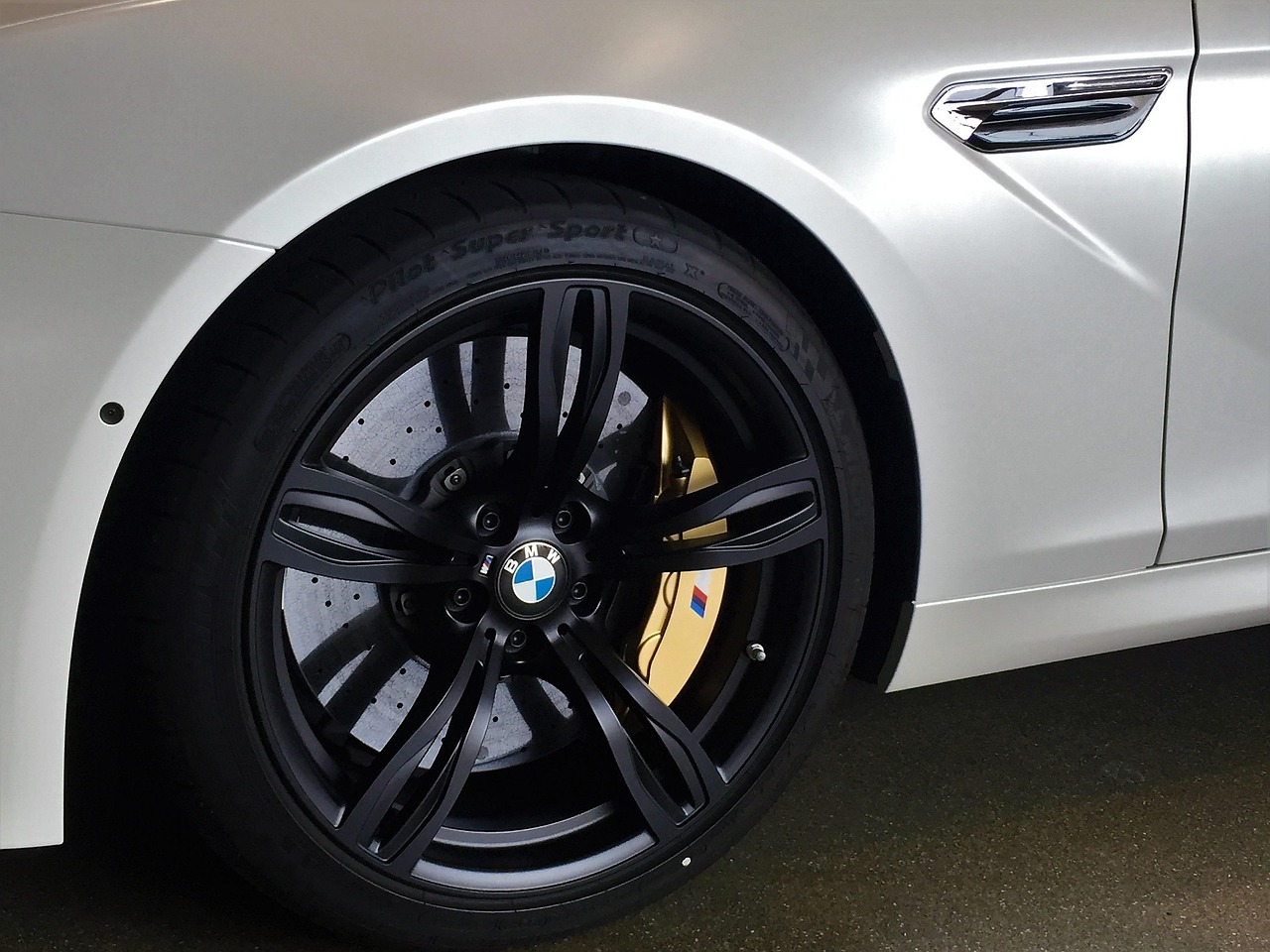
Rotors wear down over time. If they become too thin, they may not safely handle braking heat and pressure.
Why It Matters: Rotors that are below safe thickness should be replaced. Thin rotors may overheat more easily and may not perform safely.
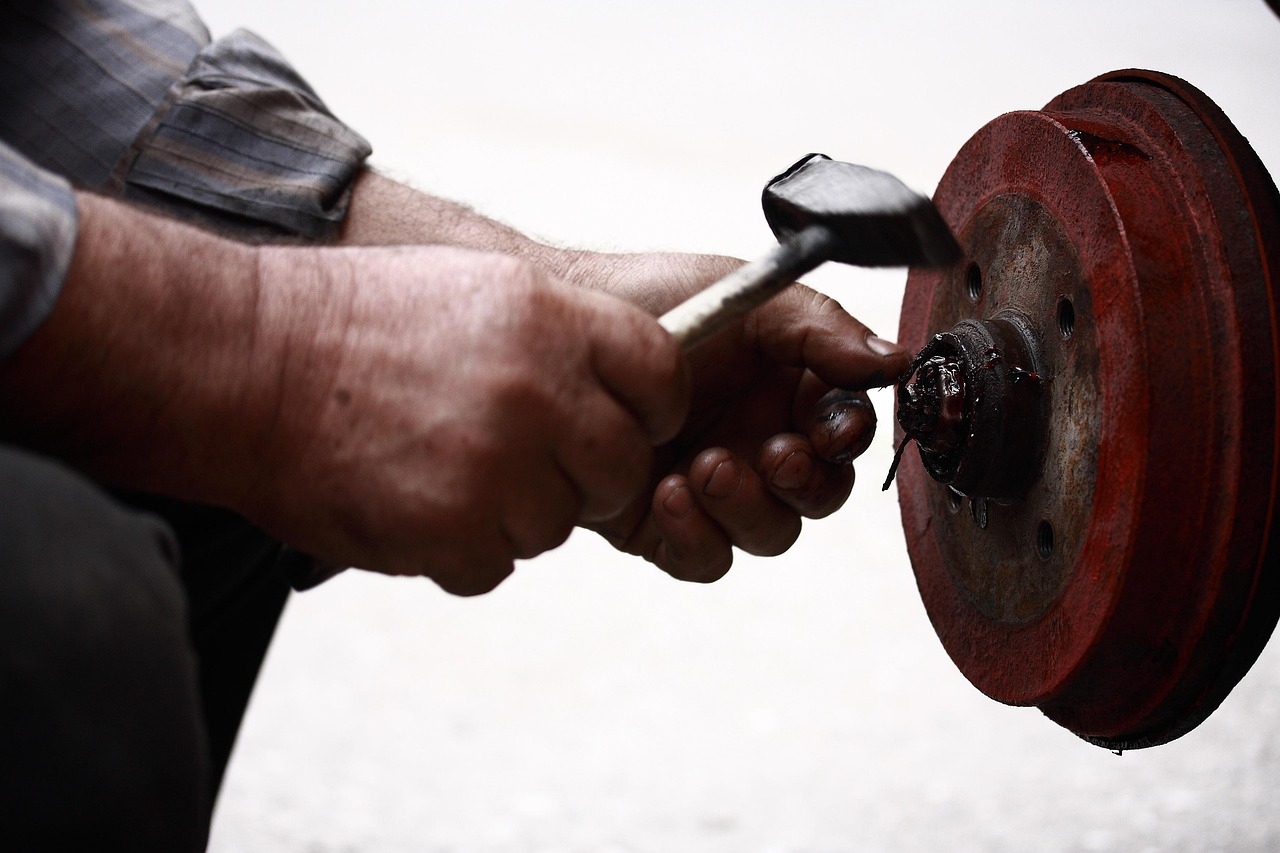
Cracks can develop from extreme heat, heavy use, or severe wear. This is a serious concern.
Why It Matters: Cracked rotors should be replaced. They are not safe for continued use.
Brake rotors can wear or become damaged for many reasons.
Every time you brake, the brake pads press against the rotors. Over time, this friction naturally wears the rotor surface.
If brake pads wear too thin, the metal backing can contact the rotor and cause grooves, scoring, or grinding damage.
Frequent hard braking creates extra heat, which can contribute to rotor wear, vibration, and heat spots.
City driving requires frequent braking. This can increase rotor heat and wear.
In Ontario, road salt and moisture can contribute to rotor rust and corrosion.
A caliper that does not release properly can keep pressure on the rotor, causing overheating and uneven wear.
Worn clips, pins, or other hardware can cause uneven brake pad movement and rotor wear.
Extra weight increases braking demand and can create more heat.
Ignoring brake noise or worn pads can quickly damage rotors and increase repair costs.
Depending on the rotor condition, service may involve inspection, resurfacing, or replacement.
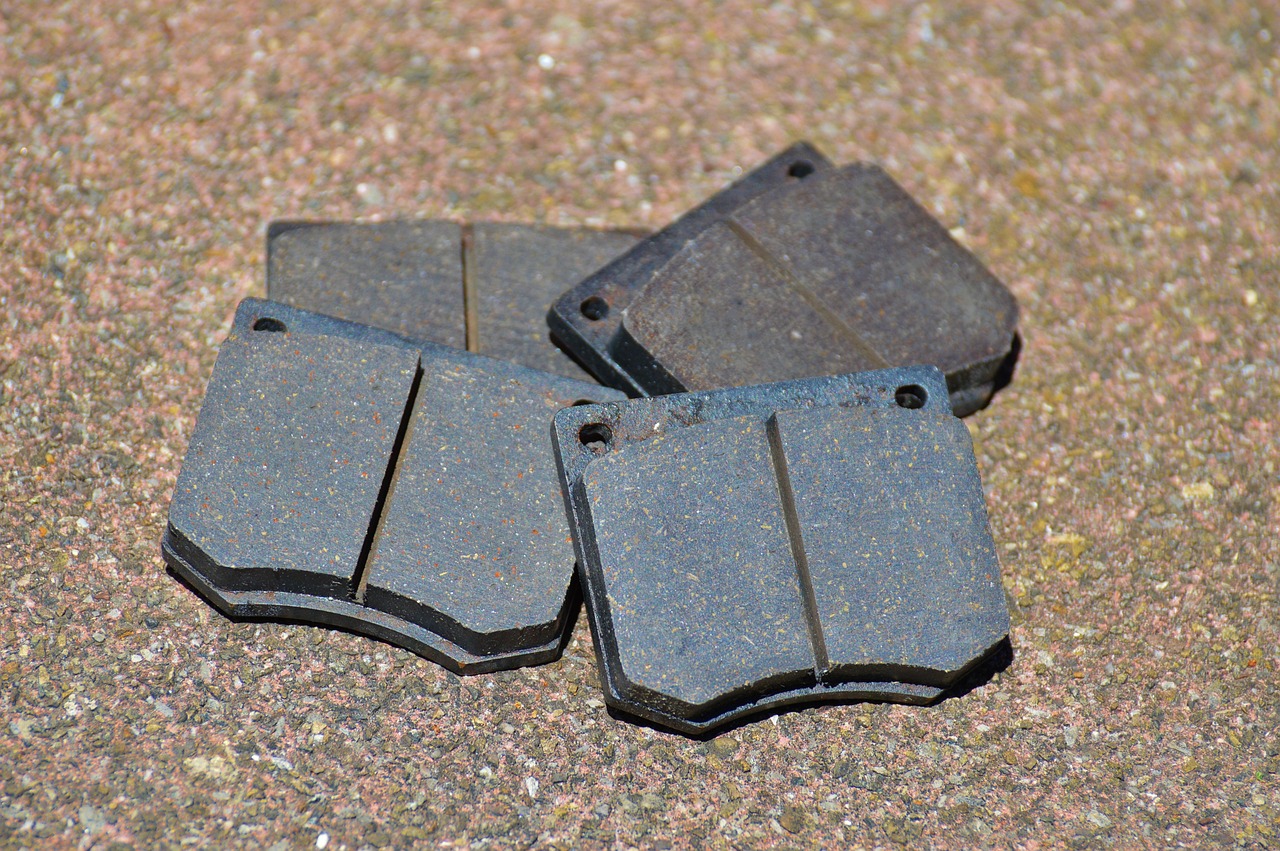
A rotor inspection checks the visible condition of the rotor surface, thickness, wear, rust, grooves, heat marks, and signs of damage.
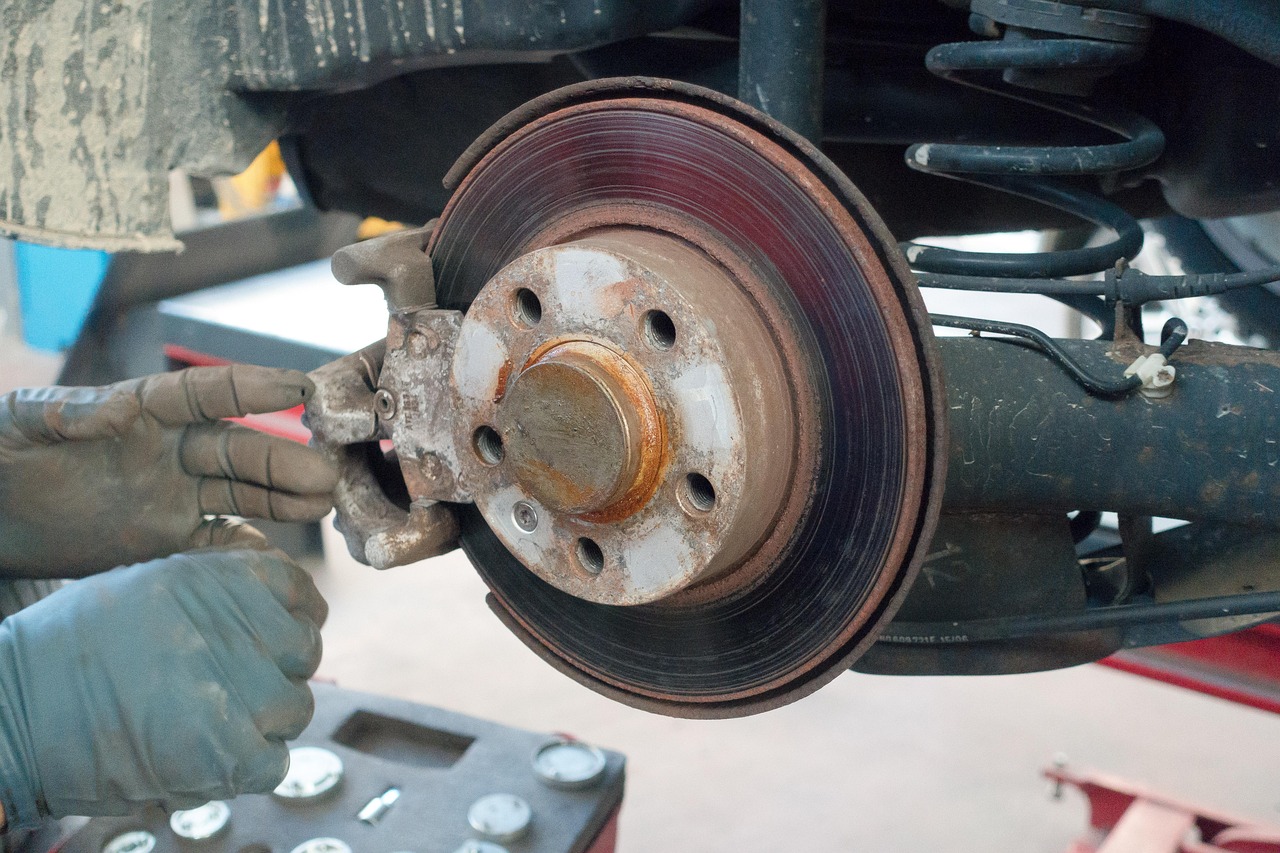
Rotor resurfacing, sometimes called machining or turning, removes a thin layer of metal from the rotor surface to make it smoother.
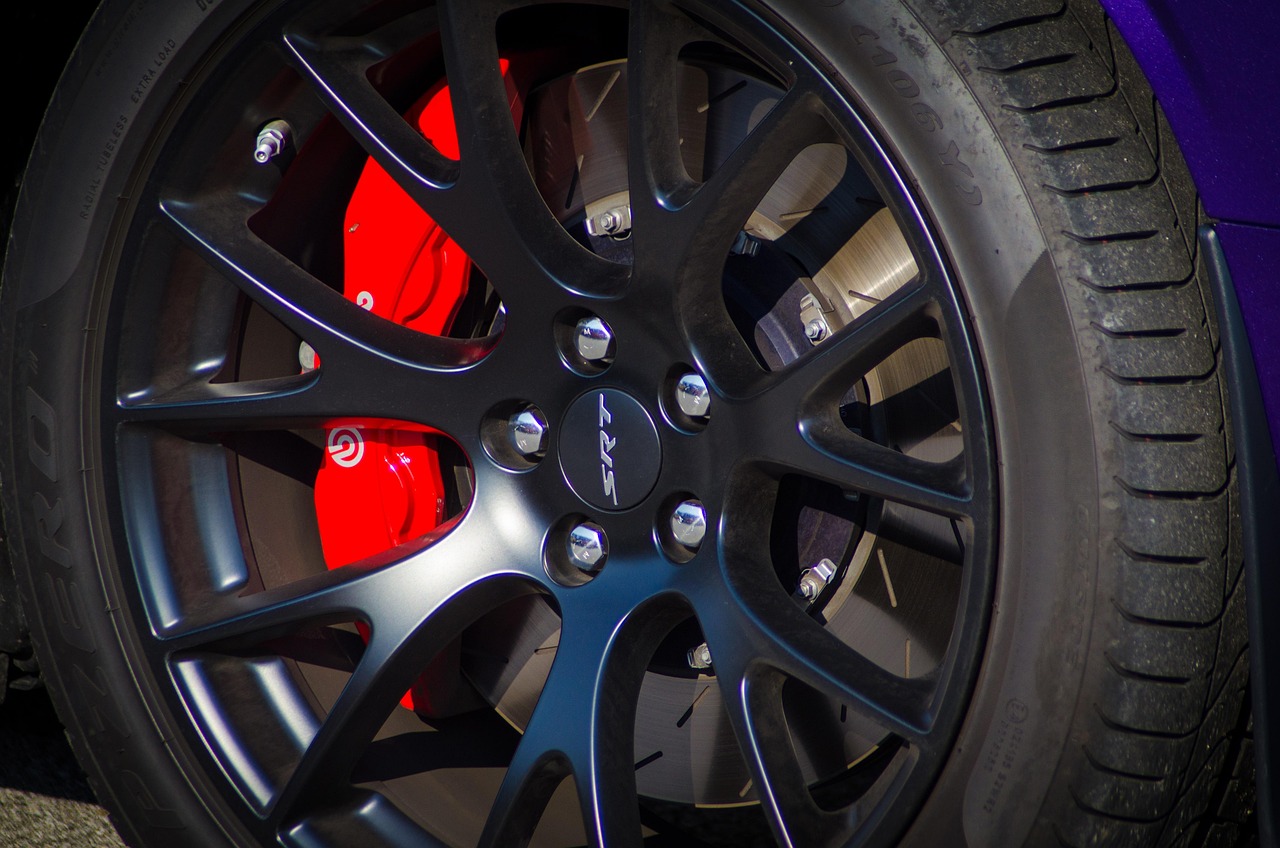
Rotor replacement involves removing the old rotors and installing new ones.
Important Note: Not all rotors can be resurfaced. If the rotor is too thin, heavily damaged, cracked, or badly rusted, replacement is safer. Replacing worn rotors helps restore smoother braking and protects new brake pads.
Many customers ask whether rotors should be resurfaced or replaced.
Resurfacing may be suitable when the rotor has minor surface issues and still has enough thickness to remain safe after machining.
Replacement is recommended when the rotor is worn beyond safe limits or cannot be resurfaced properly.
If the rotor can be safely resurfaced and still meet specifications, resurfacing may be an option. If not, replacement is the safer choice.
Brake pads and brake rotors work together. When one is worn or damaged, the other can be affected.
Installing new brake pads on damaged rotors may lead to:
For best results, rotors should always be inspected when replacing brake pads.
In some cases, yes, but it depends on the condition of the pads. If the brake pads are still in good condition and have even wear, rotor service may be possible. However, if pads are worn, uneven, contaminated, cracked, or glazed, they should usually be replaced with the rotors.
New rotors with poor brake pads can reduce performance and may damage the new rotor surface.
Sometimes, but only if the rotors are in good condition. If the rotors are smooth, within proper thickness, and free from major rust, grooves, or damage, brake pads may be replaced without rotor replacement.
However, if rotors are worn or damaged, replacing only the pads may not solve vibration, noise, or braking concerns.
Brake calipers press the brake pads against the rotors. If a caliper sticks or does not release properly, it can damage the rotor.
If a caliper problem is present, rotor service alone may not fix the issue.
Brake fluid helps transfer braking force from the pedal to the brake components. If brake fluid is low, old, or contaminated, braking performance may be affected.
During rotor service, brake fluid should be checked because braking concerns may not be caused by rotors alone.
Brake rotor condition can directly affect brake noise.
Squealing may occur if rotors are glazed, uneven, rusty, or paired with worn brake pads.
Grinding may indicate severe brake pad wear or rotor surface damage.
Scraping may be caused by rotor rust, backing plate contact, debris, or worn components.
This may be caused by loose hardware, caliper issues, or related brake system concerns. A brake inspection helps determine whether the noise is caused by the rotor or another component.
Vibration while braking is one of the most common signs of rotor problems.
Rotor service may help if the vibration is caused by rotor condition. If the vibration comes from tires, wheels, alignment, or suspension, further inspection may be needed.
Scarborough and GTA driving can be demanding on brake rotors. Local drivers often face conditions that increase brake wear and corrosion.
Short trips and winter salt can be especially hard on rotors because moisture and rust may build up when brakes do not fully heat and dry during driving.
At Valvoline Express Care Scarborough, brake rotor service may include:
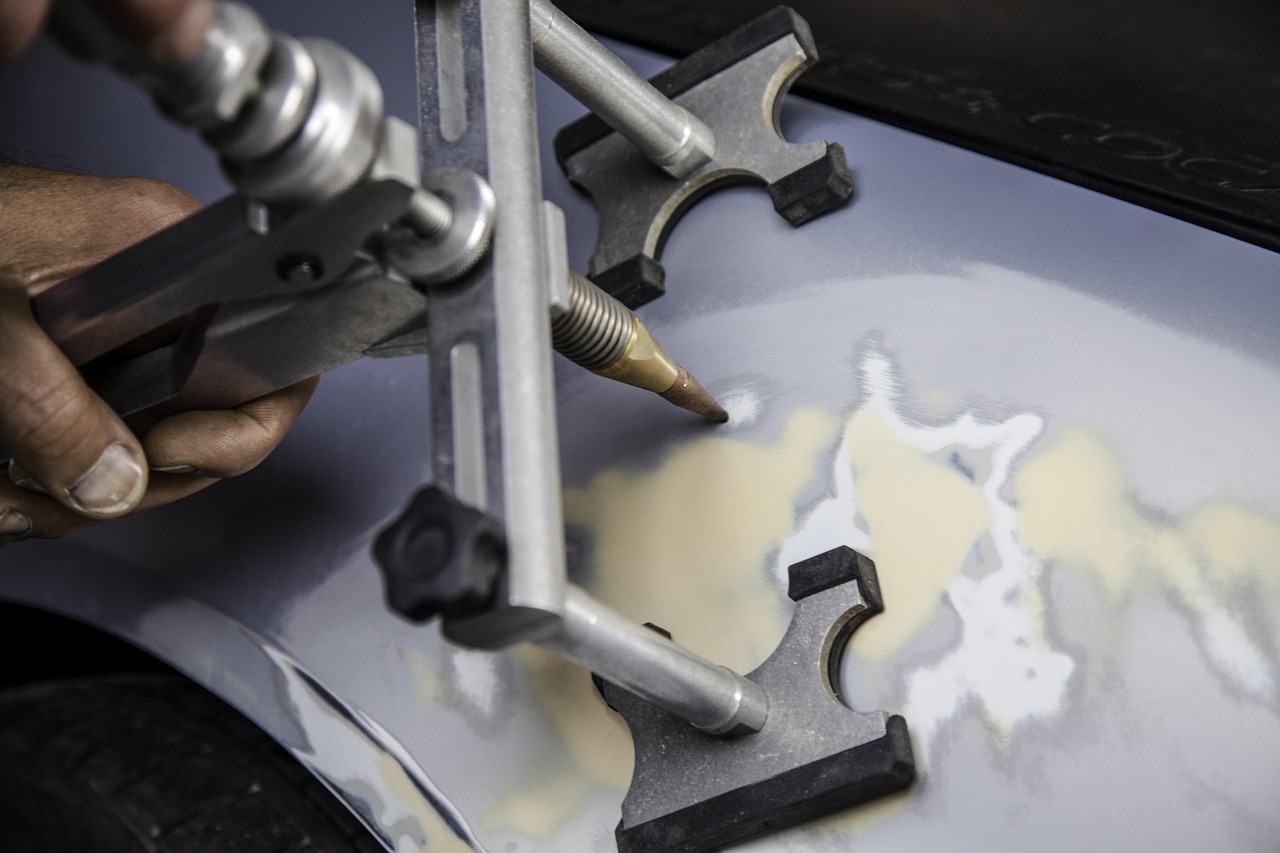
We confirm your vehicle details and ask about symptoms such as vibration, grinding, squeaking, pulsing, pulling, or longer stopping distance.
We inspect visible brake components, including rotors, pads, calipers, and related hardware.
We look for grooves, scoring, rust, heat spots, cracking, uneven wear, and other rotor concerns.
We check whether brake pads or calipers may be contributing to rotor wear or brake noise.
We explain whether the rotors can continue to be used, should be resurfaced, or need replacement.
We explain your options before any additional work is performed.
If approved, we complete the recommended rotor service and related brake work.
We confirm the service completed and explain any ongoing brake maintenance recommendations.
Rotor service may not solve braking problems if other parts of the braking system are also worn or damaged. Additional issues may include:
A complete brake inspection helps identify the real cause instead of replacing parts unnecessarily.
It depends on the severity of the issue. Mild rotor wear may allow short-term driving, but the vehicle should be serviced soon. Severe rotor damage can affect braking safety.
Brake rotor problems can get worse and may damage other brake components.
Ignoring rotor problems can lead to:
Rotor problems should be addressed early to help protect safety and reduce future repair costs.
To help protect your brake rotors:
Good brake habits can help extend rotor life and improve braking performance.
Before a road trip, cottage drive, family travel, or long highway commute, brake rotor condition should be checked if you notice any brake symptoms.
Your brakes are especially important when travelling at highway speeds or carrying passengers.
Older and high-mileage vehicles may need closer brake attention. Rotors can rust, thin out, groove, or become uneven over time.
Proper rotor service can help reduce vibration and pulsing.
Healthy rotors help brake pads perform properly.
Addressing rotor wear can help reduce scraping, squealing, or grinding.
A proper rotor surface helps brake pads wear more evenly.
Servicing rotors early may help prevent more expensive brake repairs.
Properly maintained rotors support reliable braking in everyday and emergency driving.

We inspect rotors along with pads, calipers, hardware, and brake fluid where applicable.
We explain whether resurfacing, replacement, or further inspection is needed.
We recommend service based on actual brake condition and safety needs.
We understand how Scarborough traffic, GTA roads, winter salt, and seasonal weather affect brake rotors.
Your brakes are critical, and we treat brake service with the attention it deserves.
We inspect your brake rotors and provide clear recommendations to help restore smooth, confident braking.