Brake Inspection

Professional Brake Inspection for Safer, More Confident Driving

Your brakes are one of the most important safety systems in your vehicle. A professional brake inspection helps identify worn brake pads, rotor concerns, fluid issues, brake noise, vibration, and other warning signs before they become serious problems. At Valvoline Express Care Scarborough, we help you understand the condition of your brakes and provide clear, honest recommendations.

The Service

What Is a Brake Inspection?

A brake inspection is a professional review of your vehicle’s braking system to determine whether the brakes are operating safely and properly. Since your brakes are used every time you drive, they naturally wear down over time and require regular inspection.

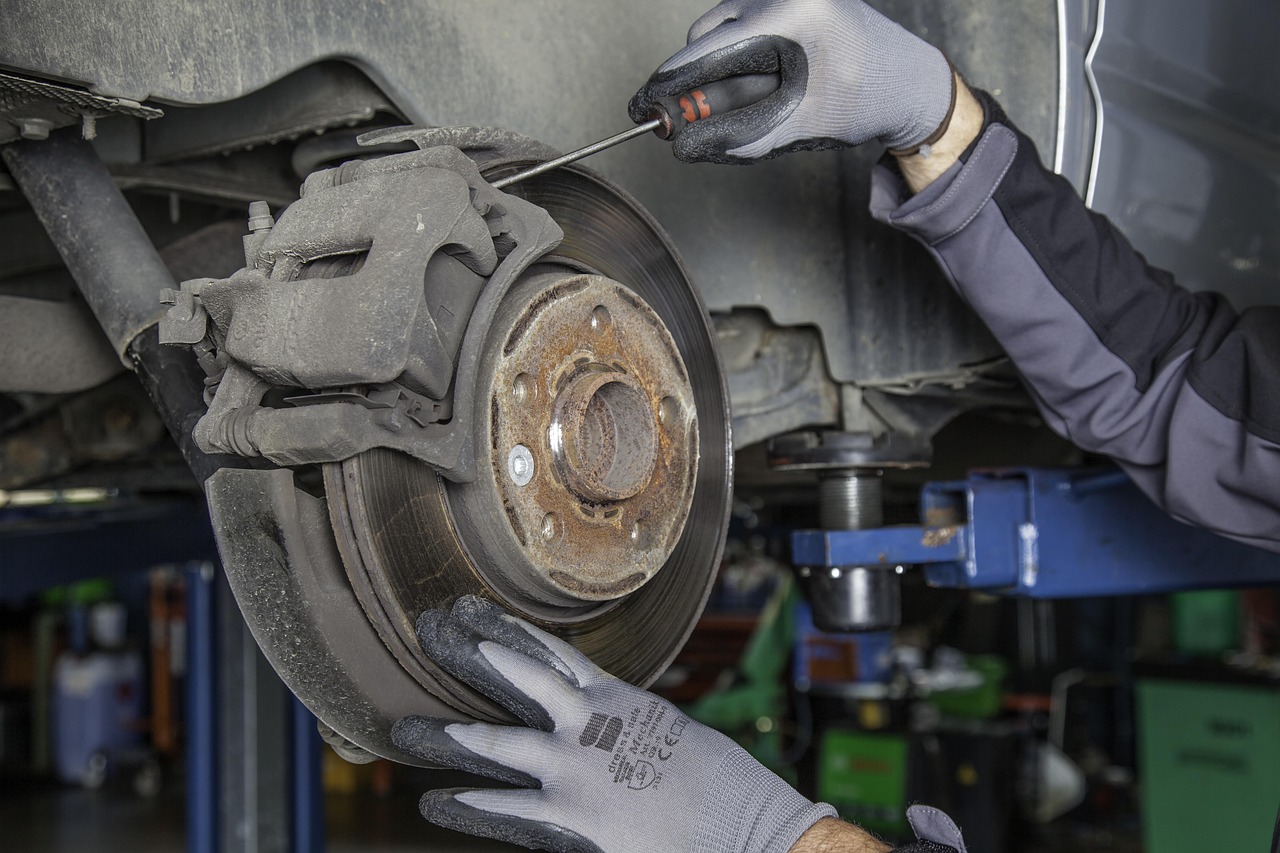
During a brake inspection, a technician checks key brake components such as brake pads, rotors, calipers, brake fluid, brake lines, hoses, and related hardware. The goal is to identify wear, damage, leaks, noise concerns, vibration issues, or performance problems before they lead to unsafe driving or more expensive repairs.

At Valvoline Express Care Scarborough, our brake inspection service is designed to give you clarity. We inspect the braking system, explain what we find, and recommend the right next step based on the actual condition of your vehicle.

Brake inspection
Brake system review
Why It Matters

Why Brake Inspection Matters

Your brakes directly affect your ability to stop safely. Even a small brake issue can become dangerous if ignored. Brake pads can wear thin, rotors can become grooved or warped, brake fluid can become low or contaminated, and calipers can stick or wear unevenly.

A regular brake inspection helps:
  • Improve vehicle safety
  • Identify worn brake pads early
  • Prevent damage to rotors and calipers
  • Reduce the risk of brake failure
  • Improve stopping performance
  • Identify brake fluid concerns
  • Find leaks or visible damage
  • Reduce brake noise and vibration
  • Help avoid costly repairs later
  • Give you peace of mind before driving

A brake inspection is especially important if your vehicle feels different when stopping, makes noise while braking, or has a brake warning light on.

Warning Signs

Signs You May Need a Brake Inspection

You should schedule a brake inspection if you notice any of the following:

  • Squeaking or squealing when braking
  • Grinding noise
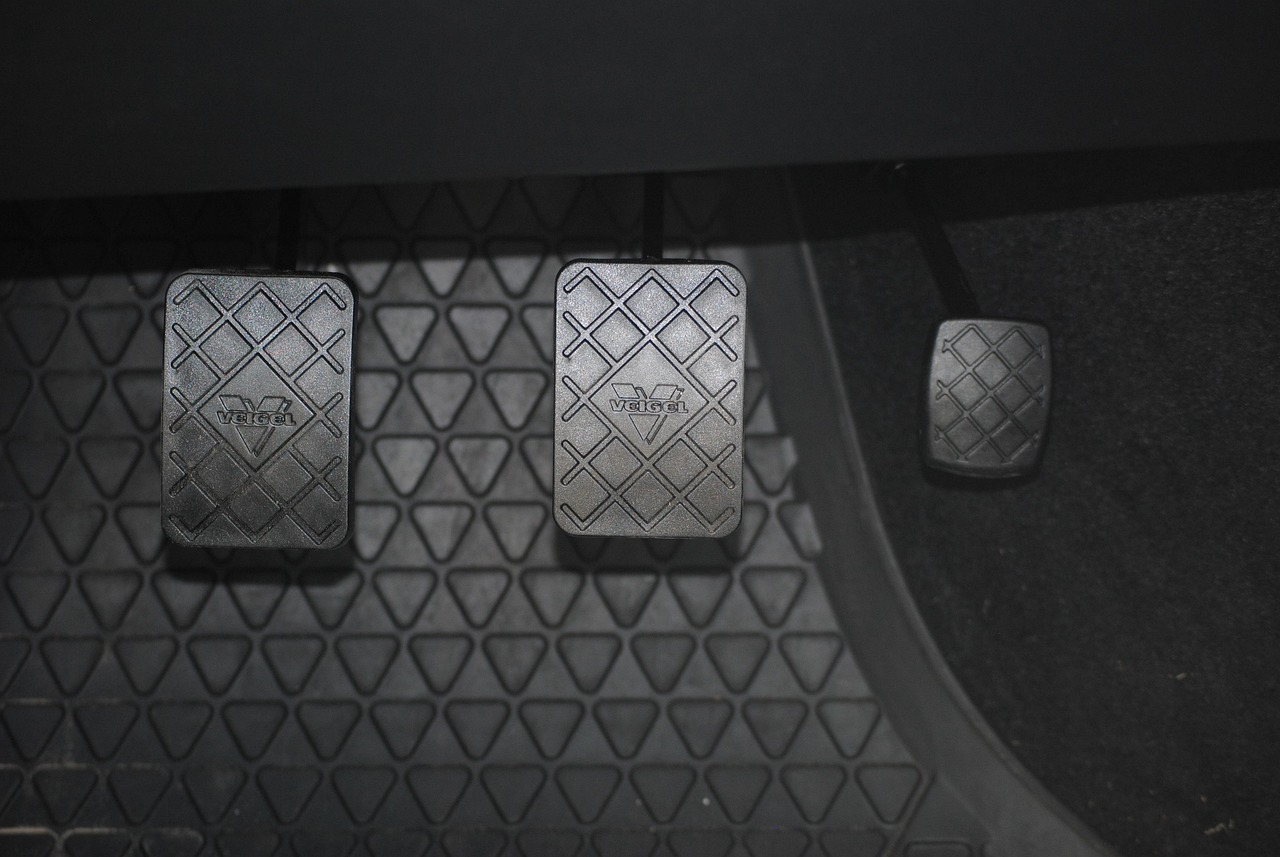
  • Brake pedal feels soft or spongy
  • Brake pedal feels hard
  • Vehicle takes longer to stop
  • Steering wheel shakes when braking
  • Brake pedal vibrates
  • Vehicle pulls to one side while braking
  • Brake warning light is on
  • ABS light is on
  • Burning smell after braking
  • Scraping sound from the wheels
  • Brake fluid appears low
  • Brakes feel weak or less responsive
  • Clicking or clunking near the wheels
  • Car shakes when slowing down
  • You recently heard metal-on-metal noise
  • Your vehicle is due for routine maintenance
  • You are preparing for a long trip

Brake warning signs should not be ignored. If you hear grinding, feel a major loss of braking power, or see a brake warning light, have the vehicle inspected as soon as possible.

The Inspection

What We Check During a Brake Inspection

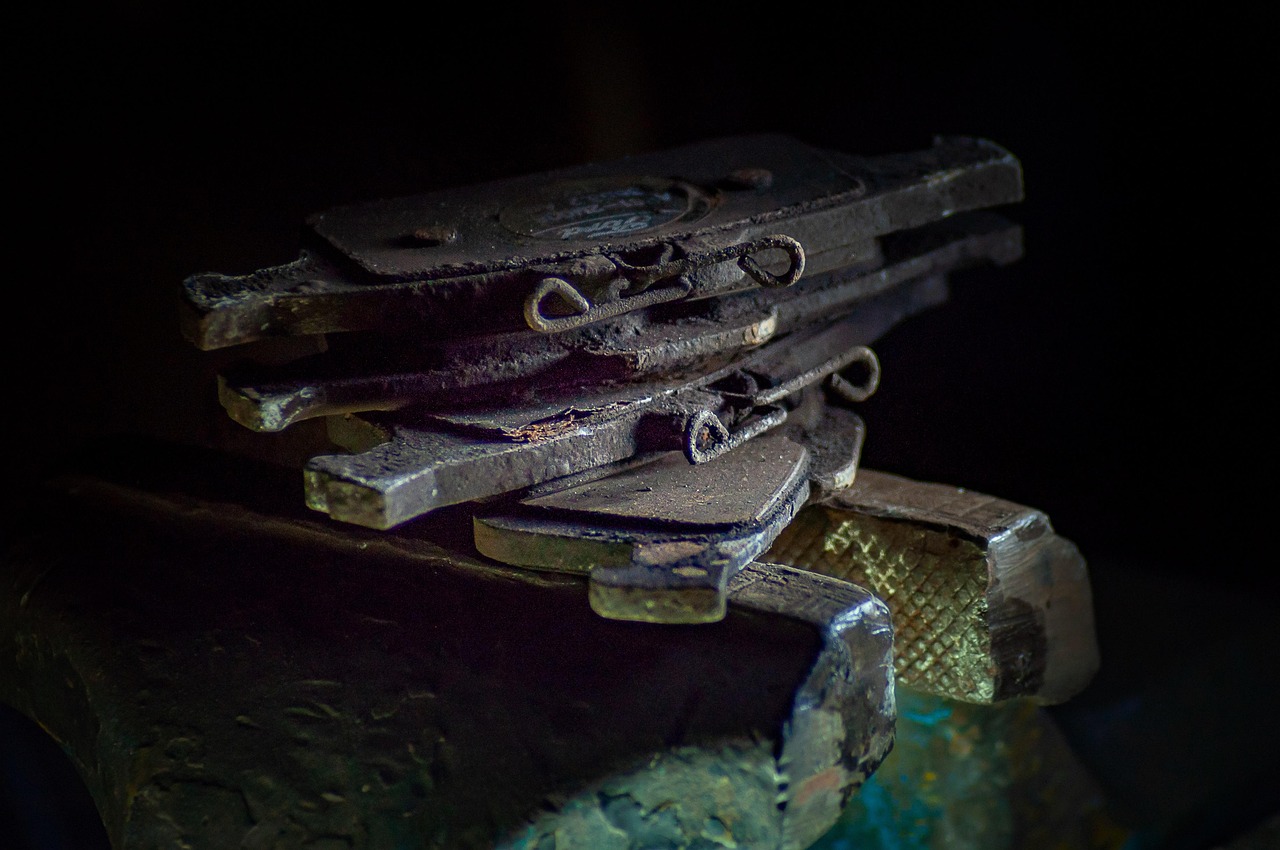
Brake pads

1. Brake Pads

Brake pads create friction against the brake rotors to slow and stop your vehicle. They are designed to wear down over time. During inspection, we check visible brake pad thickness and look for uneven wear, cracking, glazing, or signs that the pads may be too thin.

Warning Signs of Worn Brake Pads
  • Squealing noise
  • Grinding noise
  • Longer stopping distance
  • Brake warning light
  • Thin visible brake pads
  • Vibration while braking

Why This Matters: Worn brake pads can reduce stopping power and may damage the rotors if not replaced on time.
Brake rotors

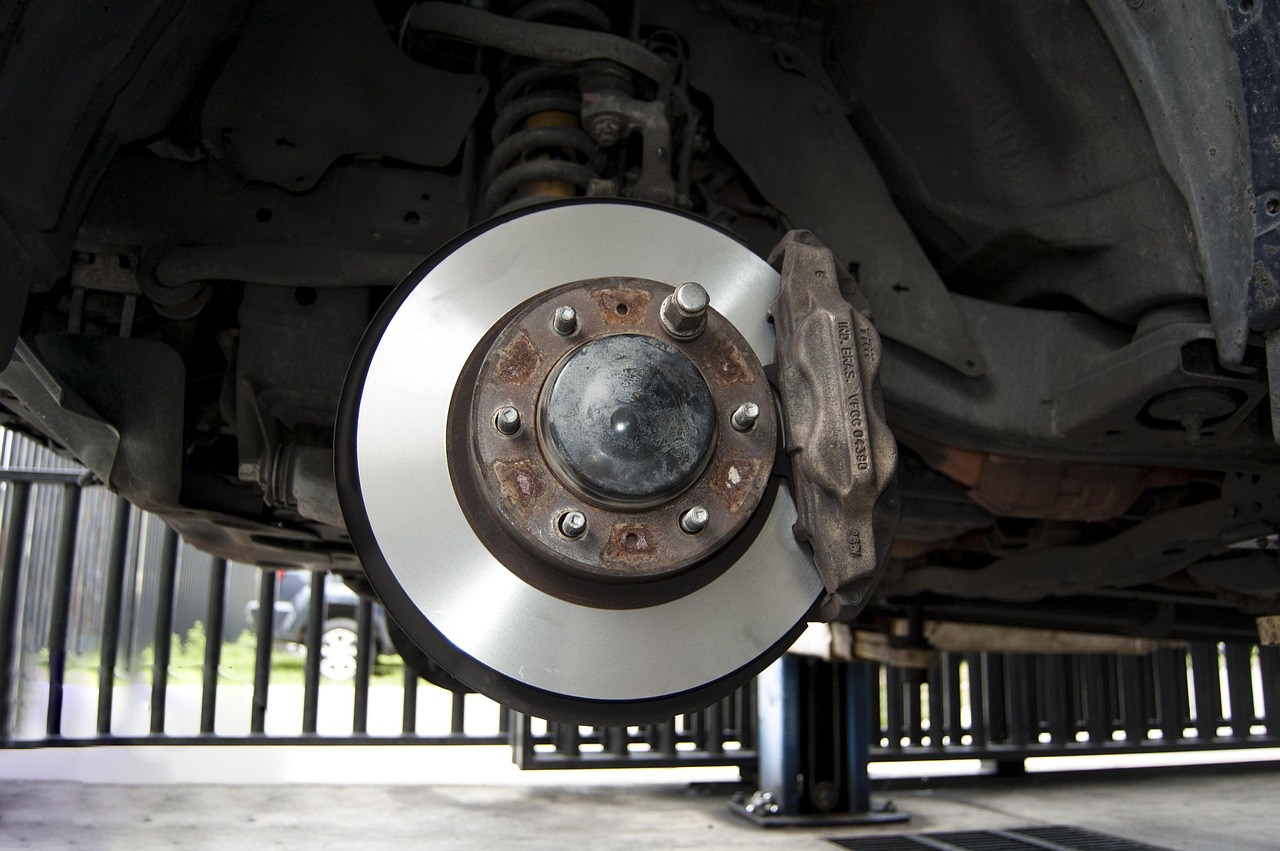
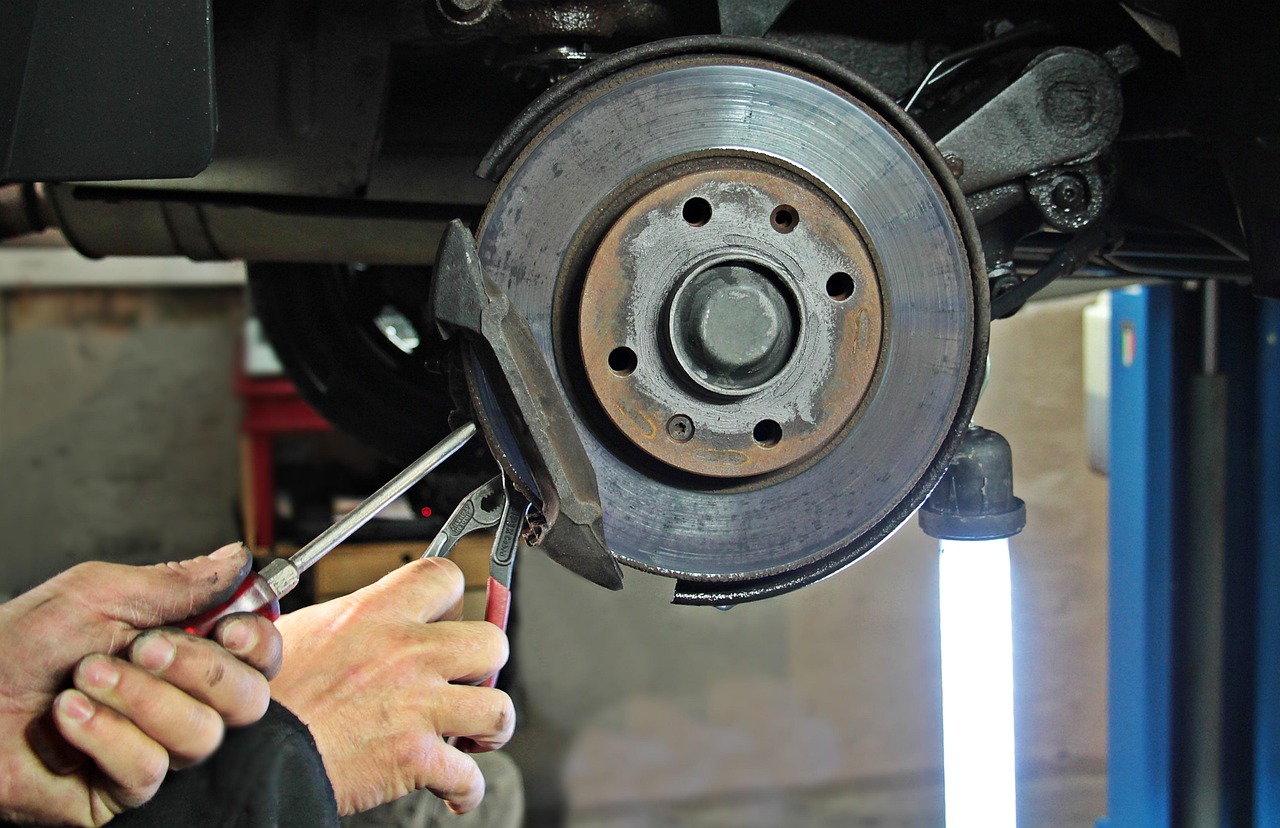
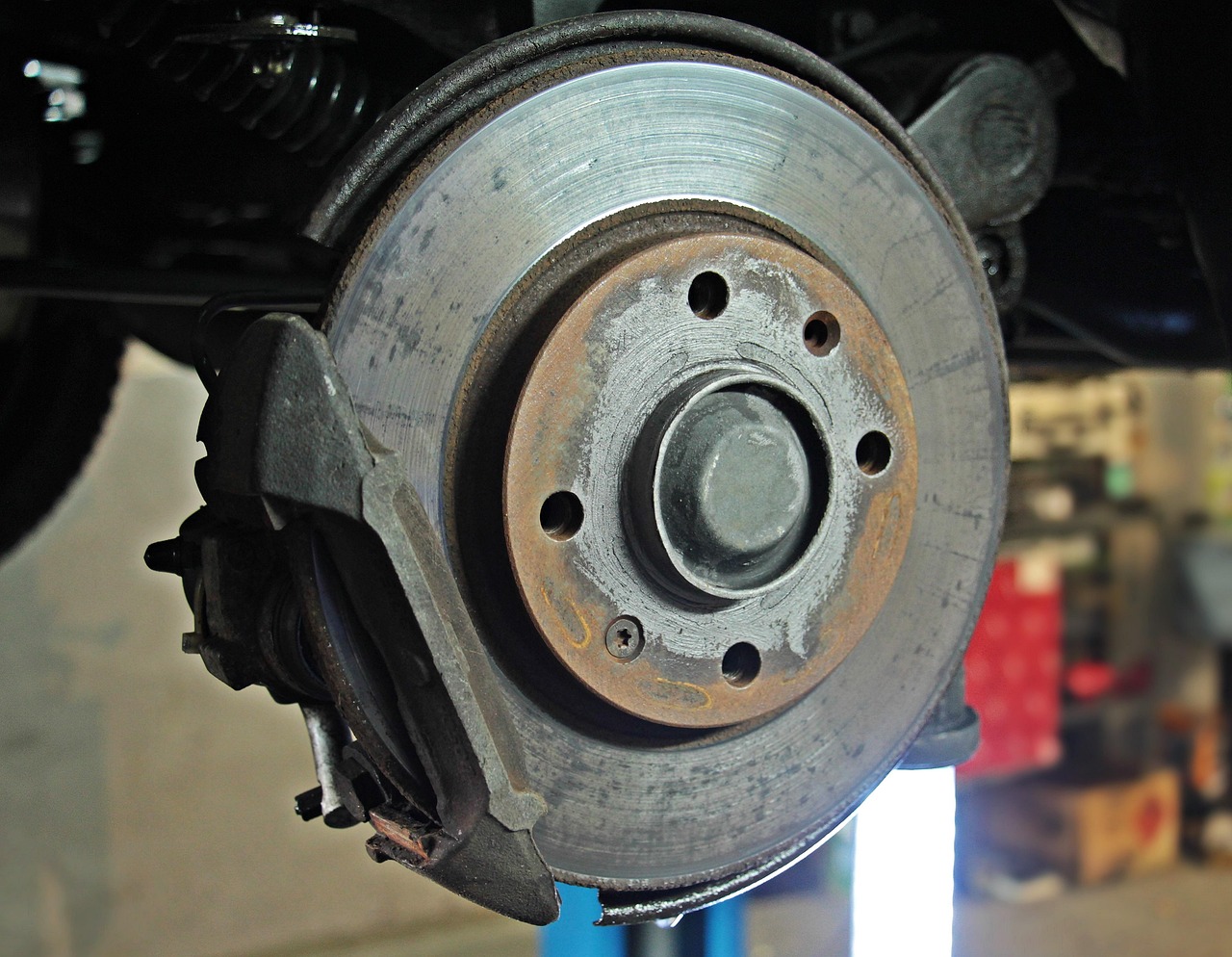
2. Brake Rotors

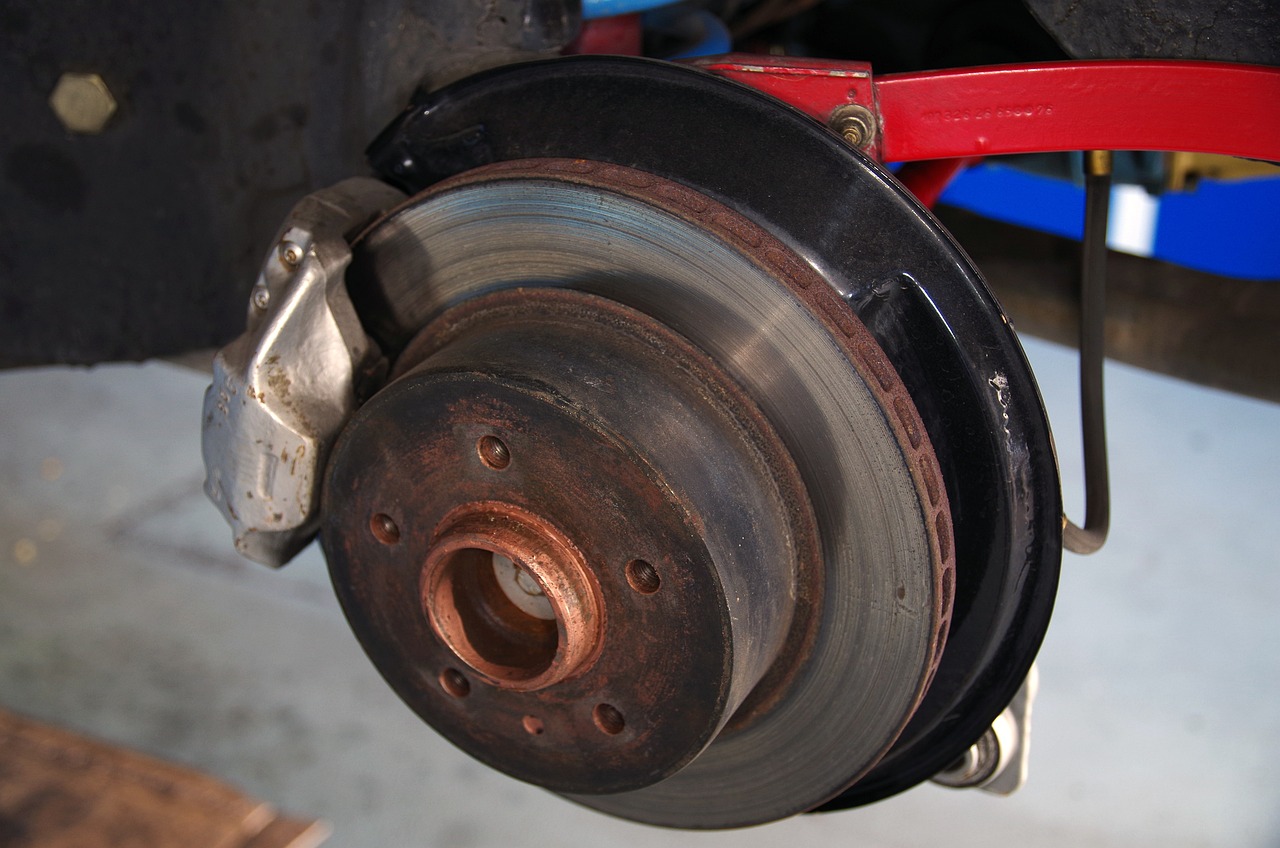
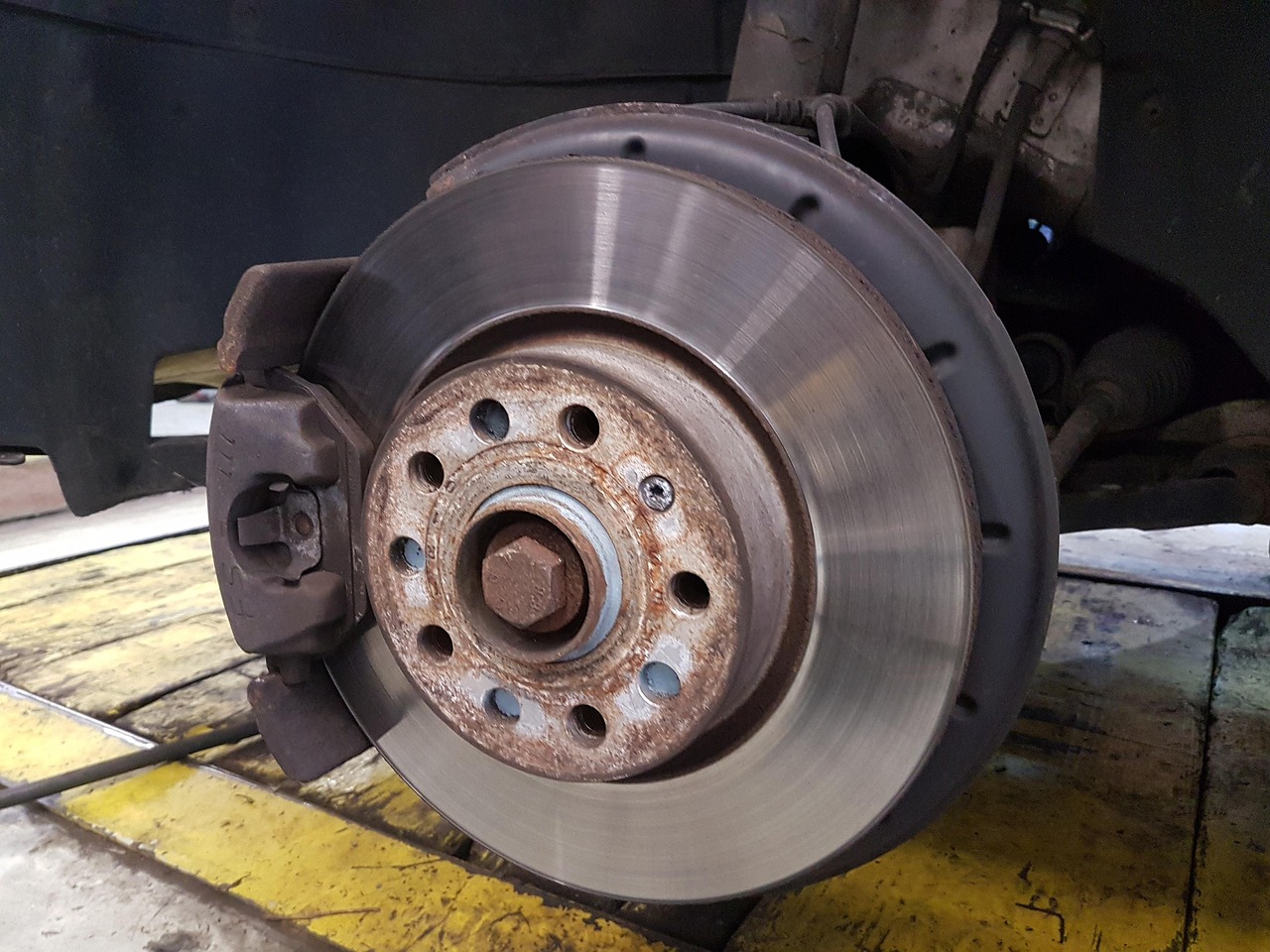
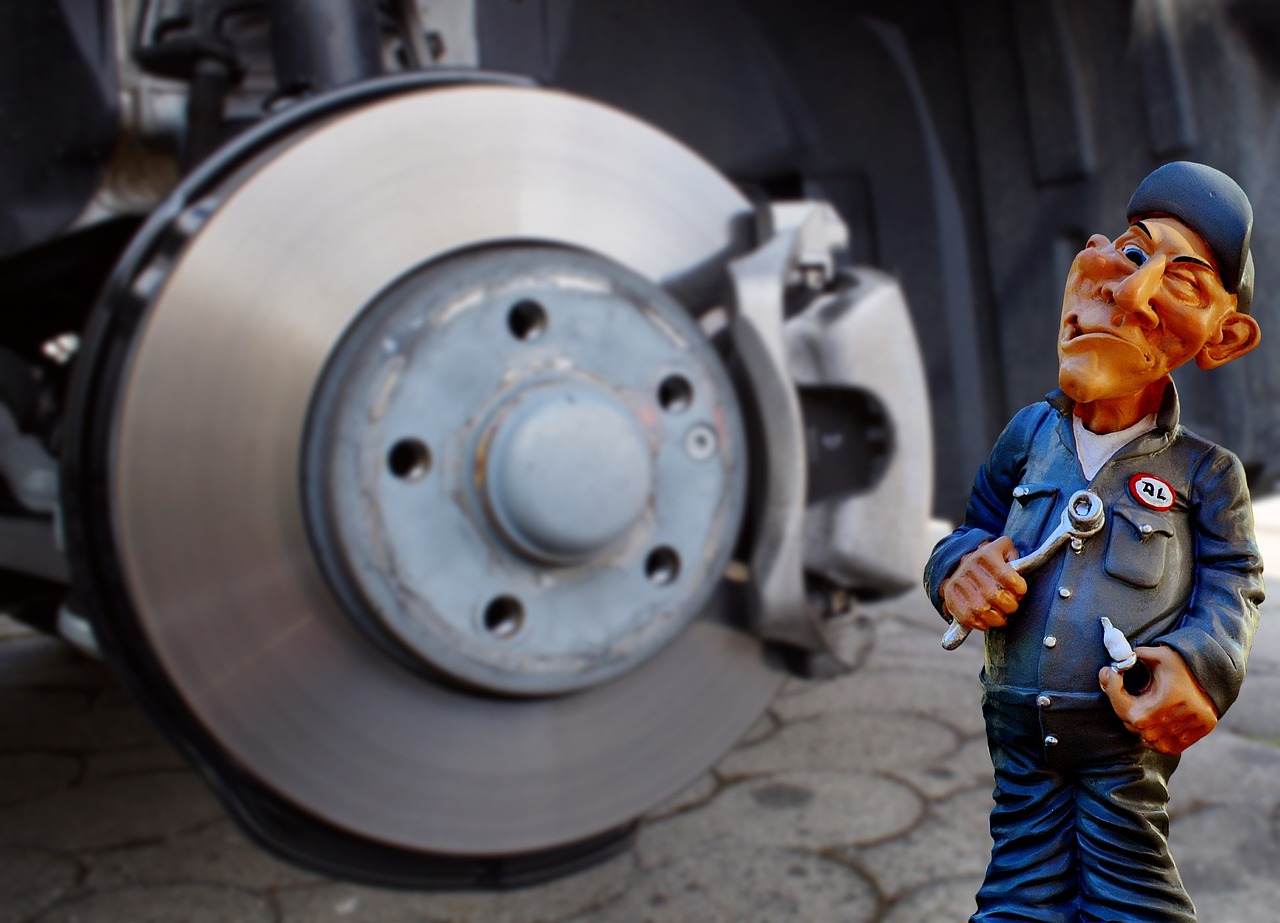
Brake rotors are the metal discs that the brake pads press against when you stop. Rotors need to be smooth and properly shaped to provide effective braking. During inspection, we look for visible rotor wear, grooves, scoring, rust, uneven surfaces, heat marks, or signs of warping.

Warning Signs of Rotor Problems
  • Steering wheel vibration when braking
  • Pulsing brake pedal
  • Grinding or scraping noise
  • Visible grooves on the rotor
  • Shaking when slowing down
  • Uneven brake pad wear

Why This Matters: Damaged or worn rotors can cause vibration, noise, reduced braking performance, and premature brake pad wear.

Brake calipers

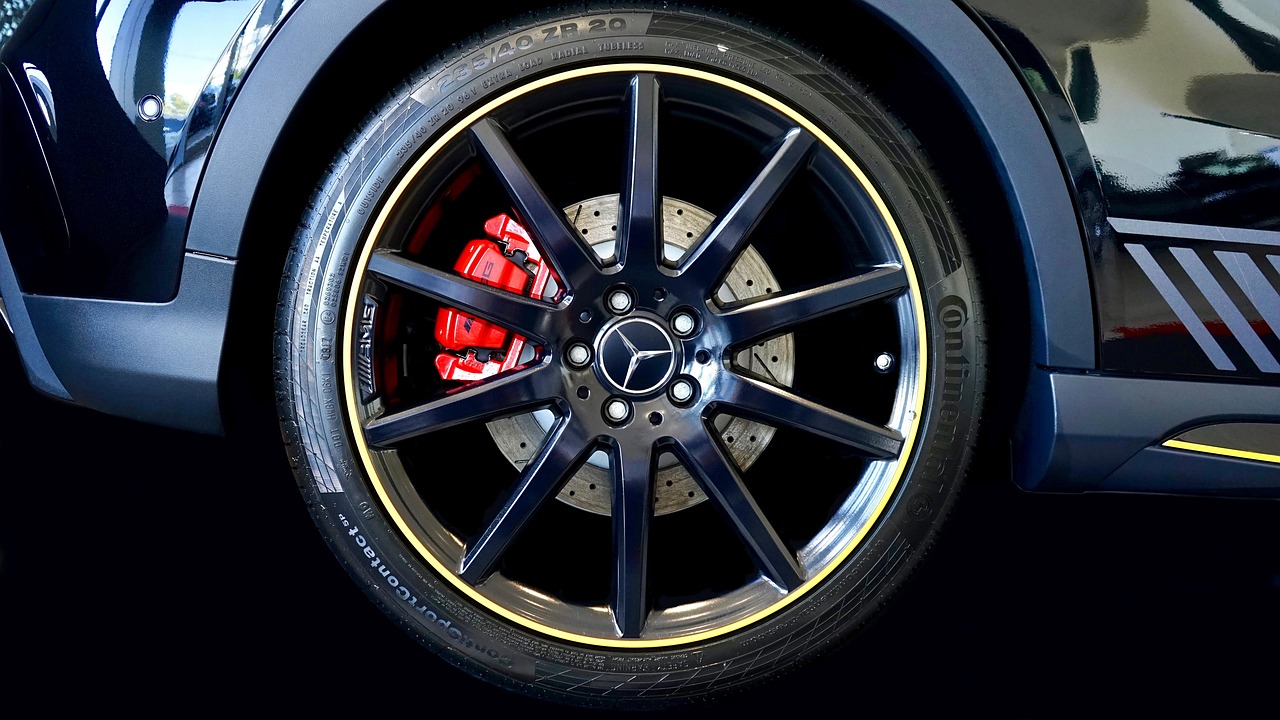
3. Brake Calipers

Brake calipers hold the brake pads and apply pressure to the rotors. When you press the brake pedal, the calipers help squeeze the brake pads against the rotors. During inspection, we look for signs of uneven wear, sticking calipers, leaks, corrosion, or visible damage.

Warning Signs of Caliper Concerns
  • Vehicle pulls when braking
  • One wheel feels hotter than the others
  • Burning smell near a wheel
  • Uneven brake pad wear
  • Brake drag
  • Reduced fuel efficiency
  • Brake noise from one side

Why This Matters: A sticking or damaged caliper can cause uneven braking, pulling, overheating, faster pad wear, or reduced braking performance.

Brake fluid

4. Brake Fluid

Brake fluid transfers force from your brake pedal to the braking system. Without proper brake fluid, your brakes may not respond correctly. During inspection, we check the visible brake fluid level and condition where applicable.

Warning Signs of Brake Fluid Issues
  • Soft or spongy brake pedal
  • Brake pedal travels too far
  • Brake warning light
  • Low fluid level
  • Reduced braking response
  • Fluid leak near wheels or under vehicle

Why This Matters: Low, dirty, or contaminated brake fluid can affect braking performance. Brake fluid can also absorb moisture over time, which may reduce effectiveness and contribute to corrosion inside the system.

Brake lines and hoses

5. Brake Lines and Hoses

Brake lines and hoses carry brake fluid through the braking system. They must remain sealed and in good condition to maintain brake pressure. During inspection, we check visible brake lines and hoses for leaks, cracks, corrosion, swelling, or damage.

Warning Signs of Brake Line or Hose Problems
  • Brake fluid leak
  • Soft brake pedal
  • Brake warning light
  • Reduced stopping power
  • Visible wet spots near wheels
  • Corrosion on brake lines

Why This Matters: A damaged brake line or hose can cause brake fluid loss and reduce braking ability. This can become a serious safety issue.

Brake hardware

6. Brake Hardware

Brake hardware includes clips, shims, pins, springs, and small parts that help the brake pads move properly and stay in place. During inspection, we look for visible wear, missing hardware, corrosion, looseness, or parts that may be causing noise.

Warning Signs of Brake Hardware Problems
  • Clicking noise
  • Rattling near wheels
  • Uneven brake pad wear
  • Squeaking or scraping
  • Brake pads not moving properly
  • Noise after brake replacement

Why This Matters: Worn or damaged hardware can cause brake noise, uneven pad wear, dragging brakes, and poor brake performance.

Brake warning lights

7. Brake Warning Lights

Modern vehicles may display brake-related warning lights when the system detects a concern.

Common brake-related lights include:
  • Brake warning light
  • ABS warning light
  • Parking brake warning
  • Low brake fluid warning
  • Traction control warning in some cases

Why This Matters: A brake warning light may indicate low fluid, worn components, ABS concerns, parking brake issues, or another brake system problem. If a brake warning light appears, the vehicle should be inspected promptly.

What We Find

Common Brake Problems a Brake Inspection Can Find

Worn Brake Pads

Brake pads wear naturally through regular driving. If they become too thin, braking performance may decrease and rotor damage may occur.

Grooved or Damaged Rotors

Rotors can develop grooves, scoring, rust, or uneven surfaces. This can cause vibration, noise, and poor braking.

Sticking Calipers

A caliper that does not release properly can cause brake drag, overheating, pulling, and uneven wear.

Low Brake Fluid

Low brake fluid may indicate worn brake components or a leak. This should be checked carefully.

Brake Fluid Contamination

Old or contaminated brake fluid can affect pedal feel and braking response.

Brake Line Leaks

Brake fluid leaks can reduce system pressure and create a serious safety concern.

Uneven Brake Wear

Uneven wear may indicate caliper issues, hardware problems, brake imbalance, or driving condition concerns.

Brake Noise and Vibration

Squealing, grinding, scraping, clicking, or clunking can point to different brake system issues. Vibration while braking may indicate rotor concerns, uneven braking surfaces, tire issues, or suspension-related problems.

Listen Closely

Brake Noise: What It Could Mean

Squeaking brakes

Squeaking or Squealing

Squeaking may be caused by worn brake pads, brake dust, moisture, pad material, hardware concerns, or wear indicators. A quick squeak in wet weather may not always be serious, but persistent squealing should be inspected.

Grinding brakes

Grinding

Grinding is often a more serious sign. It may mean brake pads are severely worn and metal is contacting the rotor. This should be inspected immediately because it can reduce braking safety and damage rotors quickly.

Scraping brakes

Scraping

Scraping may be caused by debris, worn brake components, rotor shield contact, or damaged hardware.

Clicking brakes

Clicking or Clunking

Clicking or clunking may indicate loose hardware, worn components, caliper movement, or suspension-related issues.

Pulsing brakes

Pulsing or Thumping

A pulsing brake pedal or thumping sensation may point to rotor variation, uneven brake surfaces, or related wheel concerns.

Feel the Pedal

Brake Pedal Warning Signs

The brake pedal can tell you a lot about your braking system.

Soft or Spongy Brake Pedal

A soft pedal may indicate air in the brake system, low brake fluid, contaminated fluid, or a hydraulic issue.

Hard Brake Pedal

A hard pedal may point to brake booster concerns, vacuum issues, or other mechanical problems.

Pedal Goes Too Low

If the brake pedal travels too close to the floor, it may indicate a serious brake system concern.

Pedal Vibration

Brake pedal vibration may be caused by rotor issues, tire problems, suspension wear, or wheel concerns.

Delayed Brake Response

If the brakes do not respond quickly when you press the pedal, inspection is needed immediately.

The Cost of Waiting

What Happens If You Ignore Brake Problems?

Ignoring brake problems can make the vehicle unsafe and more expensive to repair.

Brake issues usually get worse over time. A brake inspection helps catch problems before they become more serious.

Possible consequences include:
  • Longer stopping distance
  • Reduced braking power
  • Rotor damage
  • Caliper damage
  • Brake fluid leaks
  • Brake failure risk
  • Increased repair costs
  • Vehicle pulling while braking
  • Unsafe emergency stopping
  • Damage to related components
  • Increased accident risk
Know the Difference

Brake Inspection vs. Related Brake Services

Brake Inspection vs. Brake Repair

Diagnose

Brake Inspection

A brake inspection checks the condition of the braking system. It helps determine whether your brakes are safe, worn, or in need of service.

Fix

Brake Repair

Brake repair is performed when a brake component needs replacement, adjustment, cleaning, or further service.

Which comes first

A brake inspection is the first step. It helps avoid guessing and allows the technician to recommend the correct service.

Brake Inspection vs. Brake Pad Replacement

Review

Brake Inspection

A brake inspection checks pads, rotors, calipers, fluid, lines, hoses, and visible brake components.

Service

Brake Pad Replacement

Brake pad replacement is completed when the brake pads are worn too thin or no longer performing properly.

How they work together

A brake inspection helps determine whether brake pads need replacement and whether rotors or other components also require attention.

Brake Inspection vs. Brake Fluid Check

Fluid Only

Brake Fluid Check

This reviews fluid level and visible condition.

Full System

Full Brake Inspection

This includes brake fluid plus the visible condition of pads, rotors, calipers, lines, hoses, hardware, and related components.

Good to know

A brake fluid check is one part of a brake inspection. For the best safety review, a complete brake inspection is more comprehensive than checking fluid alone.

Know Your System

Front and Rear, Disc and Drum, and ABS

Front vs. Rear

Most vehicles have front and rear brakes, and both should be inspected.

Front Brakes

Front brakes often wear faster because they handle more braking force, especially during sudden stops.

Rear Brakes

Rear brakes help stabilize the vehicle and support stopping performance. They can also wear, seize, or develop rust. A proper brake inspection should consider both front and rear braking systems.

Disc vs. Drum

Different vehicles use different brake designs.

Disc Brakes

Disc brakes use brake pads and rotors. They are common on most modern vehicles.

Drum Brakes

Drum brakes use brake shoes and drums. Some vehicles may have drum brakes on the rear. A brake inspection should be based on the brake system your vehicle uses.

ABS System

ABS stands for Anti-lock Braking System. It helps prevent the wheels from locking during hard braking and helps the driver maintain steering control.

If your ABS light is on, your regular brakes may still work, but the anti-lock function may not operate properly.

A brake inspection can help determine whether further ABS-related diagnostics are needed.

Local Roads

Brake Inspection for Ontario Driving Conditions

Scarborough and Greater Toronto Area driving conditions can be demanding on brakes.

Road salt and moisture can contribute to rust and corrosion, while city traffic can wear brake pads faster. Regular brake inspections are especially important for local daily drivers.

Local brake wear can be affected by:
  • Stop-and-go traffic
  • Highway commuting
  • Winter road salt
  • Snow, slush, and ice
  • Heavy rain
  • Potholes
  • Short trips
  • Frequent braking
  • Construction zones
  • Seasonal temperature changes
Timing

When Should You Get a Brake Inspection?

Brake inspection timing depends on your vehicle, driving habits, mileage, and road conditions. However, brakes should be checked regularly and whenever symptoms appear. Good times to schedule a brake inspection include:

  • During routine maintenance
  • During tire rotation
  • During seasonal tire changes
  • Before long road trips
  • After hearing brake noise
  • If the brake pedal feels different
  • If warning lights appear
  • After winter driving season
  • If the vehicle pulls while braking
  • If the vehicle has high mileage
  • If you recently purchased a used vehicle
  • If you are unsure when brakes were last checked
What We Do

What Is Included in Our Brake Inspection Service?

At Valvoline Express Care Scarborough, our brake inspection may include:

Brake Pad Review

We check visible brake pad thickness and wear condition.

Brake Rotor Review

We inspect visible rotor condition for grooves, rust, scoring, heat marks, uneven wear, or damage.

Brake Caliper Review

We look for visible caliper concerns, uneven wear, sticking symptoms, or leaks.

Brake Fluid Check

We check the visible brake fluid level and condition where applicable.

Brake Line and Hose Review

We inspect visible brake lines and hoses for leaks, cracks, corrosion, or damage.

Brake Hardware Review

We check visible clips, shims, pins, and other hardware where accessible.

Brake Noise Review

If you hear noise, we review the likely cause and recommend the next step.

Brake Performance Review

If your vehicle pulls, vibrates, or takes longer to stop, we help identify possible causes.

Clear Recommendation

We explain what we find and recommend service only when needed.

How It Works

Our Brake Inspection Process

Brake inspection in progress

We confirm your vehicle details and ask about any symptoms, including brake noise, vibration, warning lights, pulling, soft pedal feel, or longer stopping distance.

We inspect visible brake components, including pads, rotors, calipers, lines, hoses, and related areas.

We check for worn pads, rotor condition, uneven wear, and signs of brake system stress.

We check brake fluid level and visible condition where applicable.

We connect what we find with what you are experiencing while driving.

We explain the condition of your brakes in simple terms.

If service is needed, we recommend the correct next step, such as brake pad replacement, rotor service, brake fluid service, further diagnostics, or repair.

Before You Travel

Brake Inspection Before a Long Trip

Before a road trip, cottage drive, family trip, or long highway commute, a brake inspection can provide peace of mind.

A pre-trip brake inspection can help identify:
  • Thin brake pads
  • Rotor wear
  • Brake fluid concerns
  • Brake line leaks
  • Noise concerns
  • Vibration issues
  • Safety concerns before travel

Brakes are especially important when driving at highway speeds, carrying passengers, or travelling long distances.

High Mileage

Brake Inspection for Older and High-Mileage Vehicles

Older and high-mileage vehicles may need more frequent brake inspections because components naturally wear over time.

A brake inspection is especially important if:
  • The vehicle has over 100,000 km
  • Brakes have not been checked recently
  • The vehicle is used for commuting
  • The vehicle is driven in heavy traffic
  • The vehicle has visible rust
  • Brake fluid has not been serviced
  • The vehicle was recently purchased used
  • Brake noise or vibration appears
Come Prepared

What Customers Should Know Before a Brake Inspection

Before your appointment, it helps to notice:

  • When the noise happens
  • Whether the noise is squealing, grinding, scraping, or clicking
  • Whether vibration happens only while braking
  • Whether the vehicle pulls left or right
  • Whether the brake pedal feels soft or hard
  • Whether any warning lights are on
  • Whether the issue started suddenly or gradually
  • Whether the vehicle was recently serviced
  • Whether the problem is worse in wet weather or after driving

You do not need to diagnose the problem yourself. These details simply help the technician understand the issue more clearly.

Safety First

Can You Drive With Brake Noise?

It depends on the noise, but brake noise should always be taken seriously. A light squeak may be caused by moisture or brake dust, but repeated squealing, grinding, scraping, or clunking should be inspected quickly.

You should avoid driving if:
  • Brakes are grinding loudly
  • The brake pedal goes too low
  • The vehicle does not stop properly
  • Brake fluid is leaking
  • The brake warning light is on
  • The vehicle pulls strongly while braking
  • There is smoke or burning smell near the wheels

Safety should always come first.

Key Benefits

Benefits of Professional Brake Inspection

Better Safety

A brake inspection helps confirm whether your brakes are safe and road-ready.

Early Problem Detection

Small brake issues can be found before they become expensive repairs.

Better Stopping Confidence

Knowing your brakes are in good condition gives you greater confidence while driving.

Lower Repair Costs

Replacing brake pads on time can help prevent rotor and caliper damage.

Clear Information

You understand what your vehicle needs and why.

Peace of Mind

A brake inspection helps reduce uncertainty, especially before long drives or seasonal changes.

Local & Trusted

Why Choose Valvoline Express Care Scarborough for Brake Inspection?

Valvoline Express Care service bay

Safety-Focused Service

We understand how important your brakes are to your safety and your family’s safety.

Clear Explanations

We explain brake concerns in a simple, practical way.

Honest Recommendations

We recommend service based on actual brake condition, not unnecessary pressure.

Convenient Local Auto Care

We proudly serve Scarborough drivers with reliable brake inspection and maintenance support.

Complete Vehicle Maintenance Support

We can also help with oil changes, tire service, engine care, battery checks, fluids, and general maintenance.

Ready When You Are

Book Your Brake Inspection Today

We help you understand the condition of your brakes and provide clear, honest recommendations based on the actual condition of your vehicle.