Absorb Road Impact
It reduces the impact of bumps, potholes, uneven pavement, and rough roads.
Your suspension system helps control ride comfort, handling, braking stability, tire contact, and overall vehicle control. If your vehicle feels bouncy, makes clunking noises, pulls to one side, vibrates, or rides rough over bumps, it may be time for a suspension inspection. At Valvoline Express Care Scarborough, we inspect visible suspension components and provide clear, honest recommendations to help keep your vehicle safe and road-ready.
A suspension inspection is a professional review of the components that help support your vehicle, absorb road impact, maintain stability, and keep your tires properly connected to the road.
Your suspension system works every time you drive. It helps manage bumps, potholes, turns, braking force, road vibration, and vehicle weight. When suspension parts become worn, loose, damaged, or weak, your vehicle may feel less comfortable, less stable, and harder to control.
At Valvoline Express Care Scarborough, a suspension inspection helps identify visible wear, damage, looseness, leaks, corrosion, and other concerns that may affect your vehicle’s ride quality, tire life, handling, and safety.
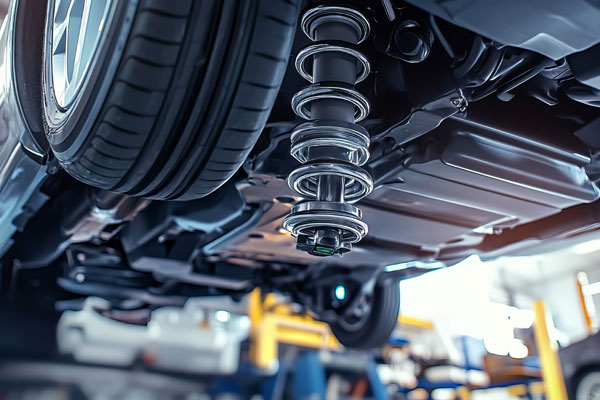
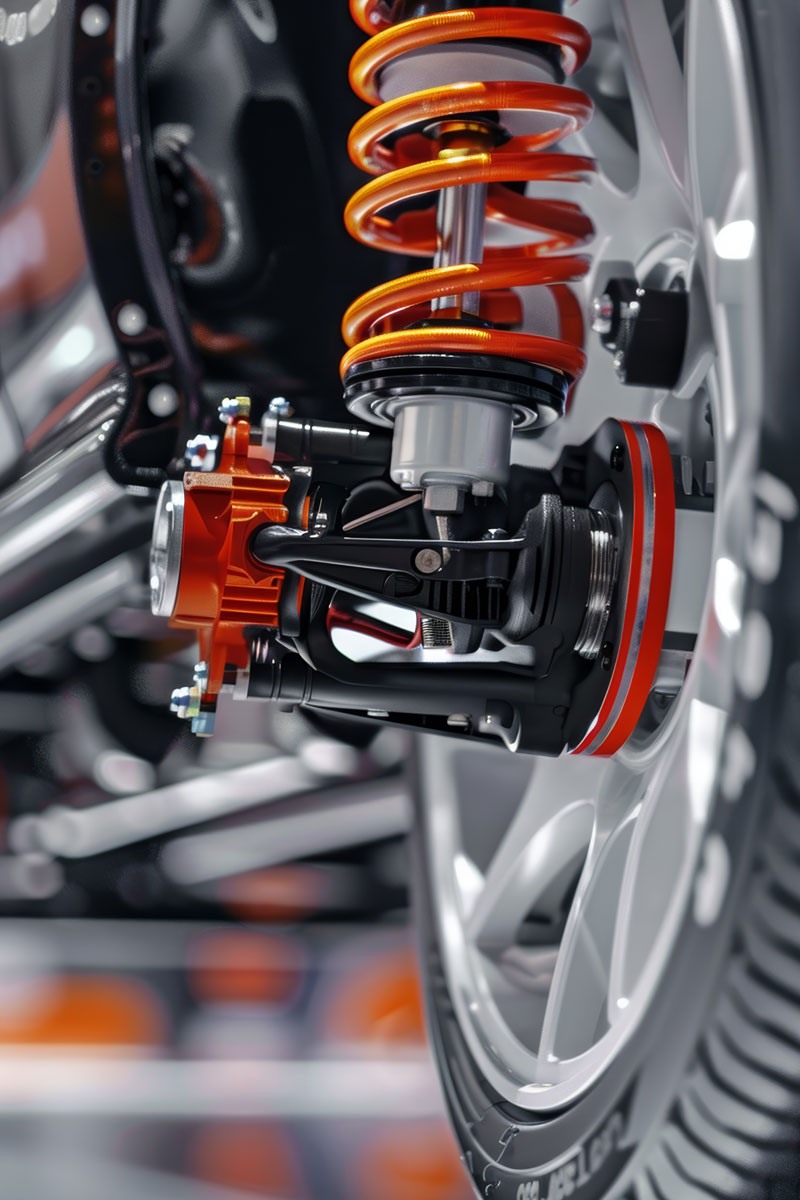
Your suspension system does much more than make your ride comfortable. It plays a direct role in vehicle control and safety. A worn suspension can affect how your vehicle turns, stops, handles bumps, and maintains traction.
Suspension problems often develop gradually, so many drivers adjust to the rough ride without realizing something is wrong. Regular inspection helps catch problems early.
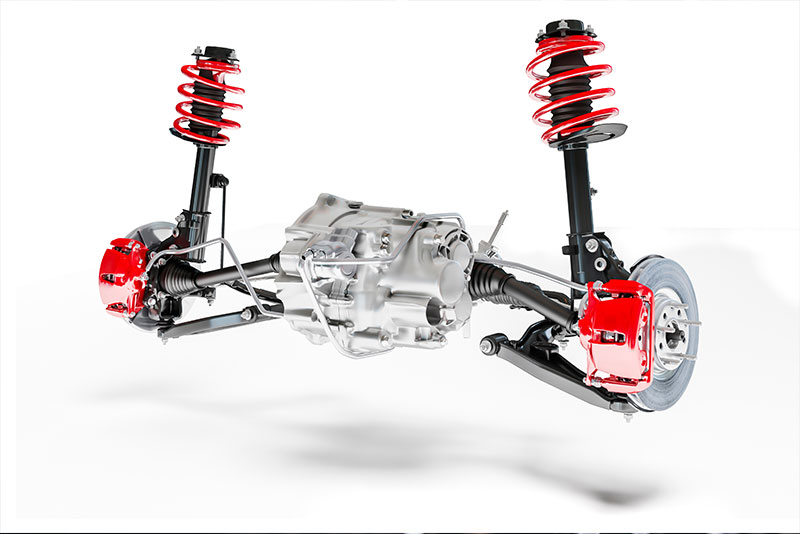
Your suspension system connects your vehicle’s body to the wheels and helps control how the vehicle moves over the road. The suspension system helps:
It reduces the impact of bumps, potholes, uneven pavement, and rough roads.
Good suspension helps maintain proper tire contact with the road, which supports traction, braking, and handling.
It helps reduce bouncing, shaking, and harsh movement inside the vehicle.
It helps keep the vehicle stable during turns, lane changes, braking, and acceleration.
A healthy suspension reduces stress on tires, wheels, steering parts, brakes, and the vehicle frame.
When the suspension is working properly, the vehicle feels more predictable and easier to control.
Different vehicles have different suspension designs, but many include similar types of components.
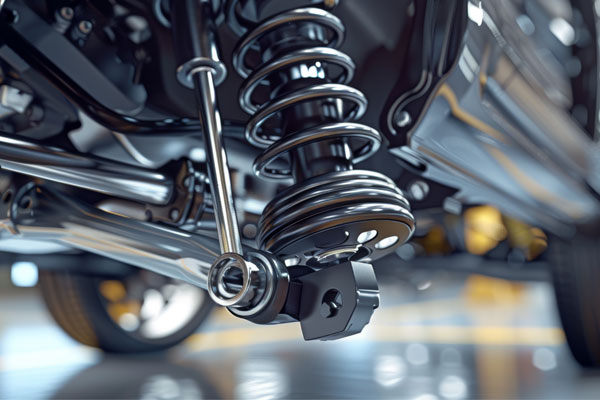
Shocks help control the movement of your vehicle after it hits a bump. They reduce bouncing and help keep the tires stable on the road.
Why They Matter: Worn shocks can make the vehicle bounce, sway, dip while braking, or feel unstable at higher speeds.
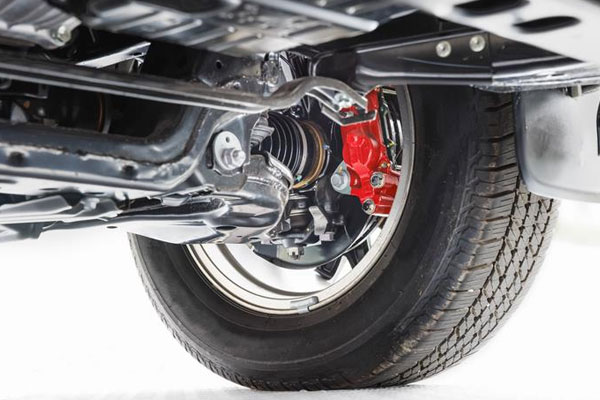
Struts are structural suspension components that combine shock absorption with support for the vehicle’s suspension system. Many modern vehicles use struts in the front suspension.
Why They Matter: Worn struts can affect ride comfort, handling, tire wear, braking stability, and alignment.
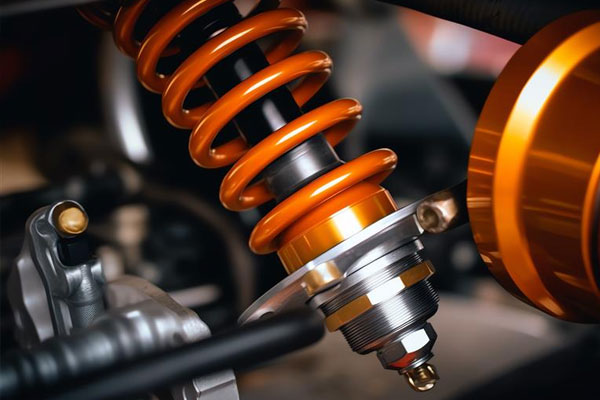
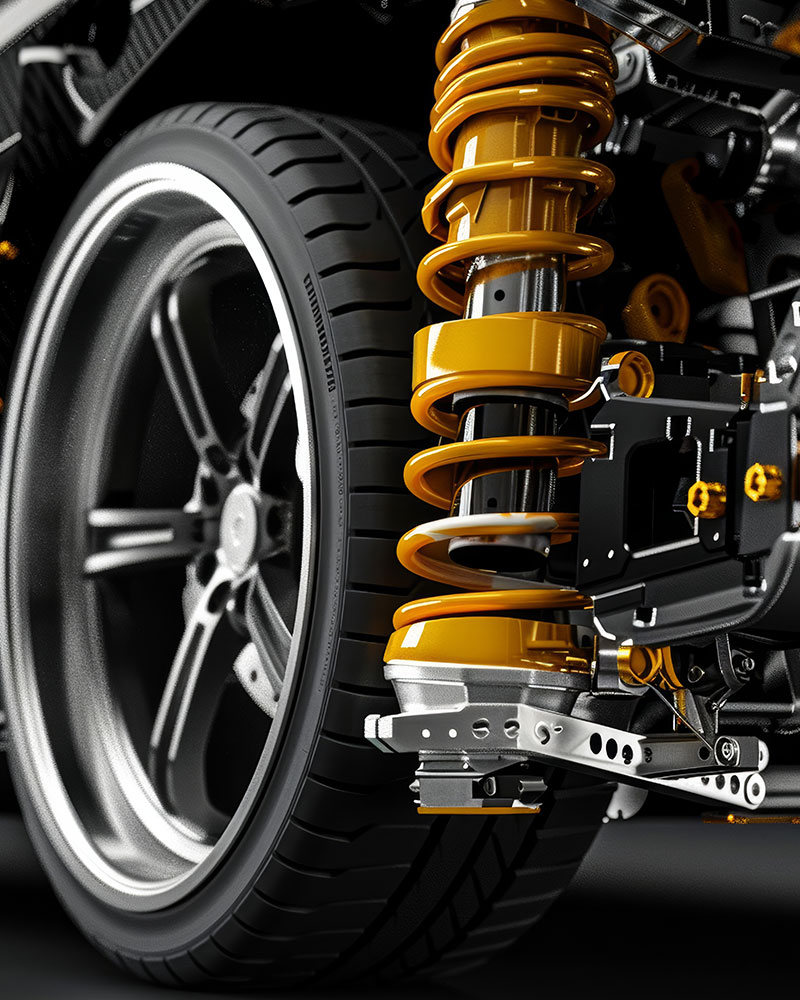
Springs support the weight of the vehicle and help absorb road impact. Vehicles may use coil springs, leaf springs, or other spring designs.
Why They Matter: Weak, broken, or sagging springs can cause uneven ride height, poor handling, tire wear, and rough ride quality.

Control arms connect the wheels to the vehicle frame and allow controlled up-and-down suspension movement.
Why They Matter: Worn or damaged control arms can affect alignment, handling, tire wear, and vehicle stability.
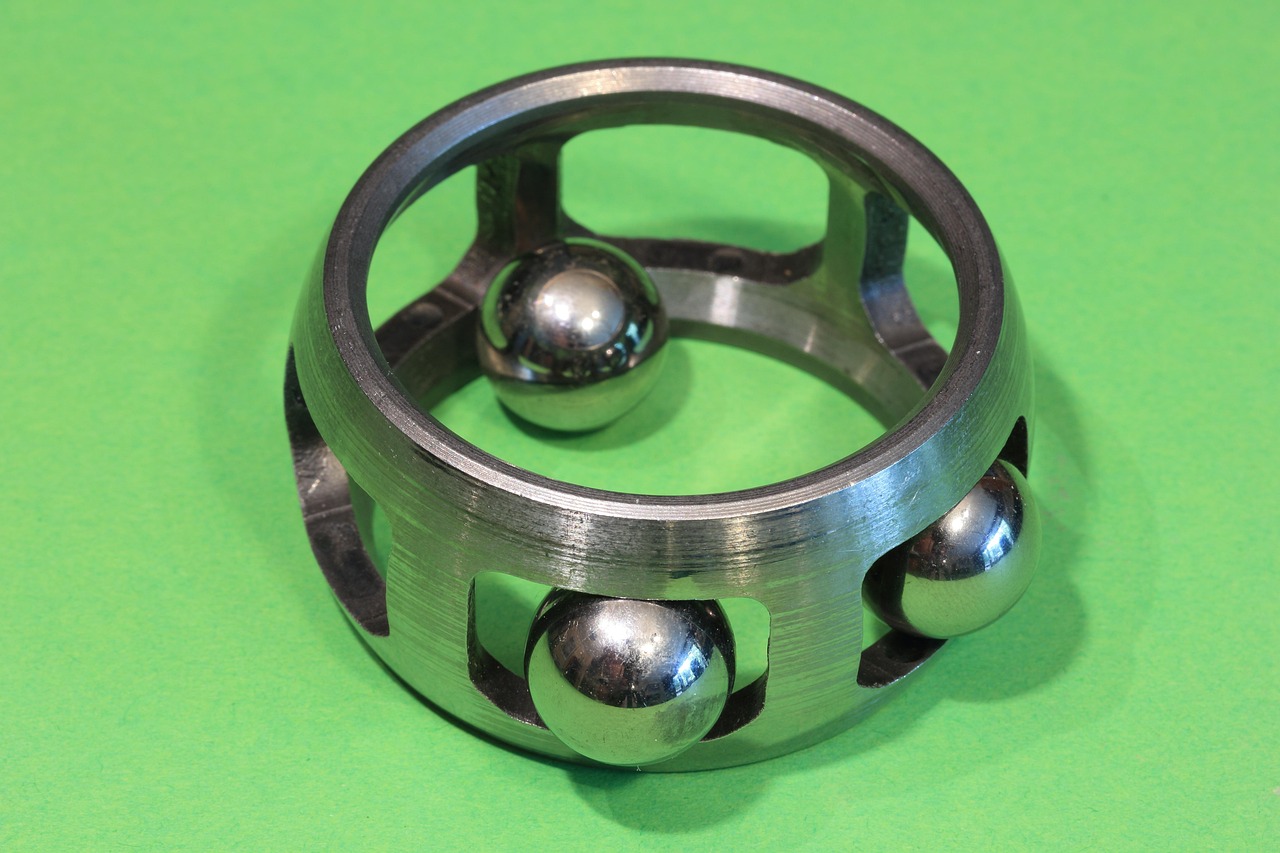
Ball joints allow suspension and steering movement while supporting the wheel assembly.
Why They Matter: Worn ball joints can create clunking noises, loose steering, uneven tire wear, and serious safety concerns if ignored.
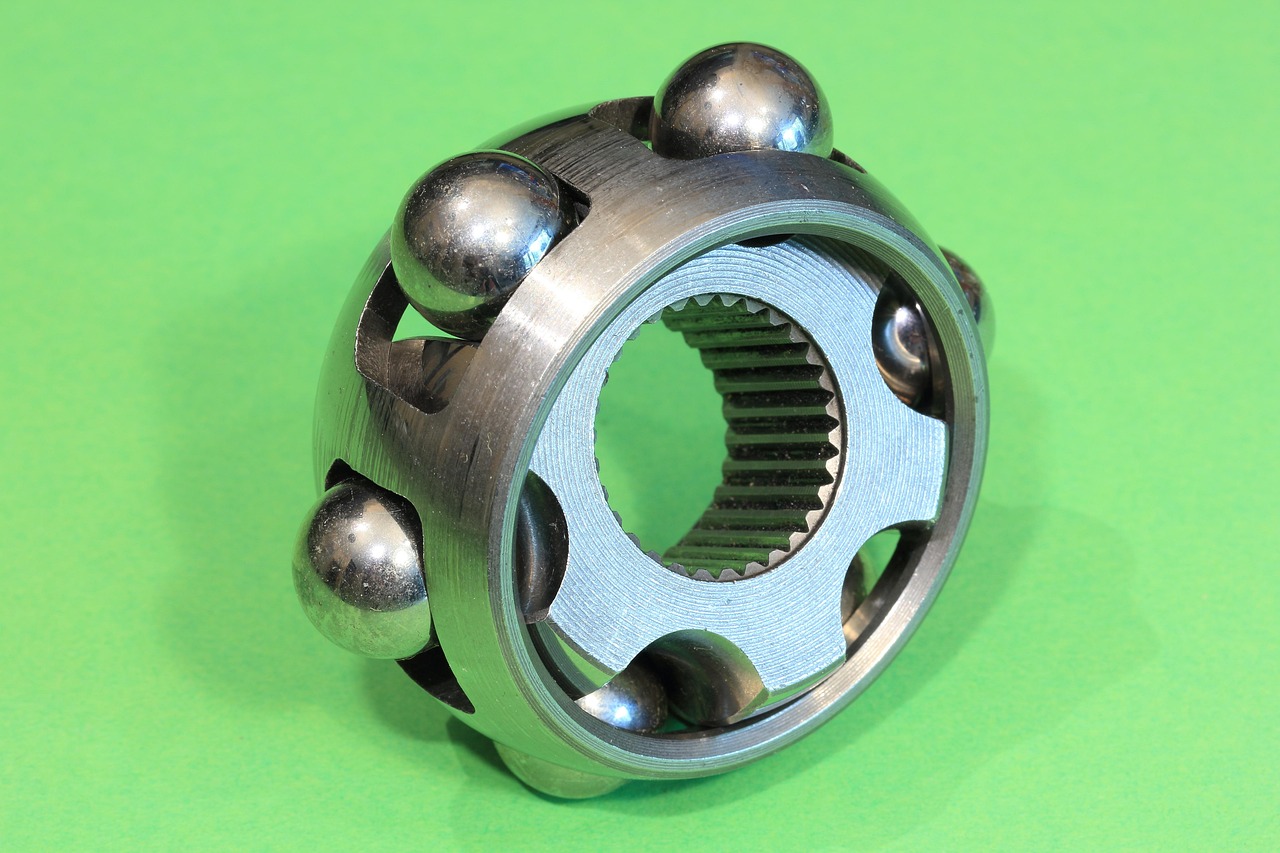
Bushings are rubber or synthetic parts that cushion movement between suspension components.
Why They Matter: Worn bushings can cause squeaking, clunking, vibration, poor handling, and extra movement in the suspension.
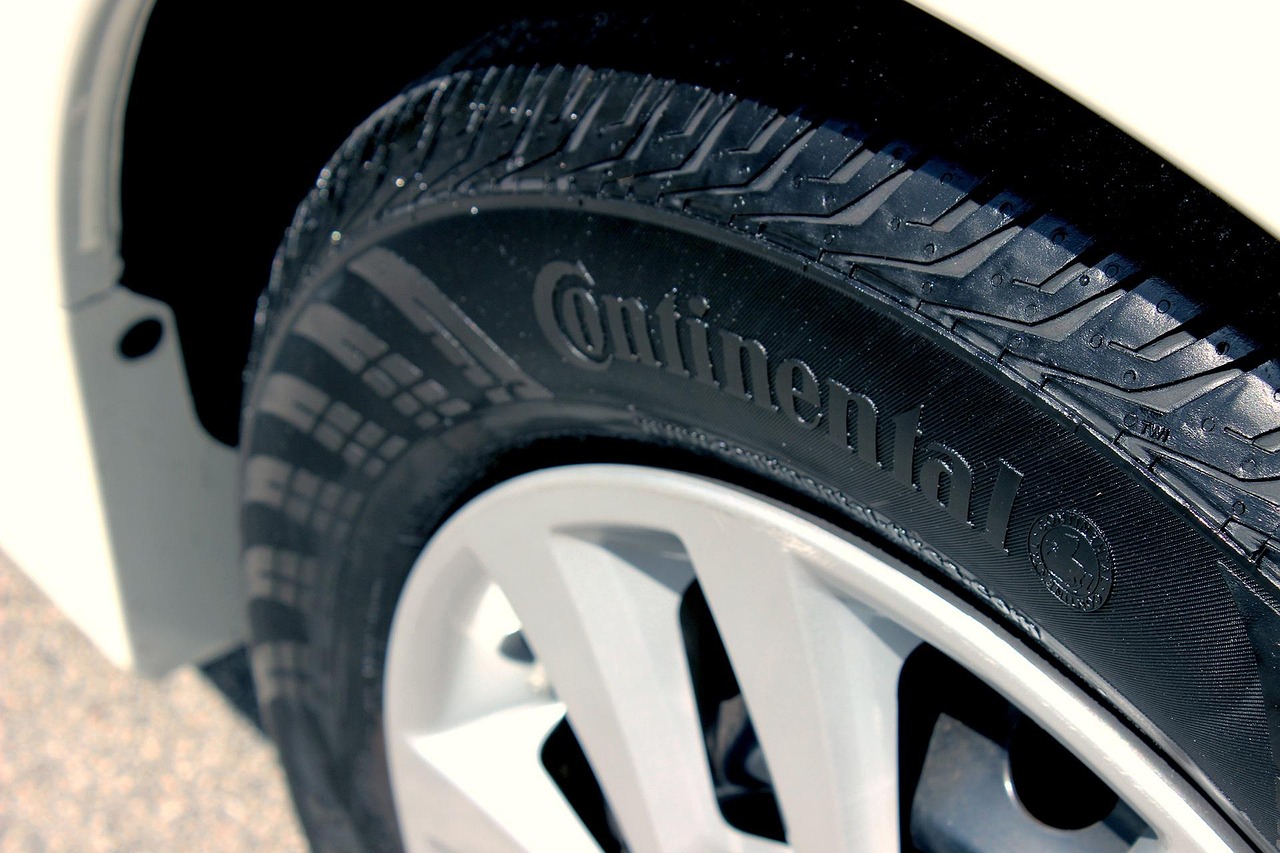
Sway bar links connect the sway bar to the suspension and help reduce body roll when turning.
Why They Matter: Worn sway bar links commonly cause clunking or rattling noises over bumps and may affect cornering stability.
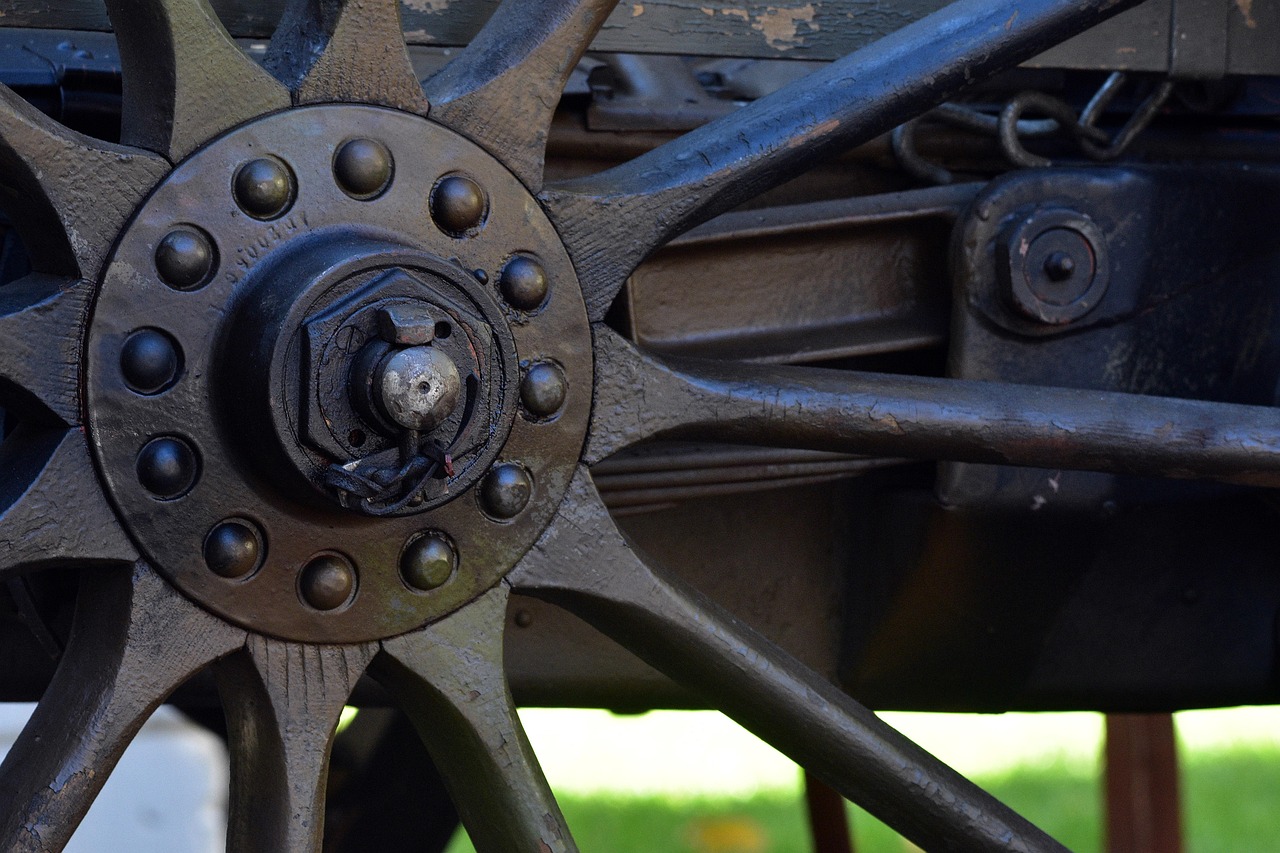
Sway bar bushings hold the sway bar in place while allowing controlled movement.
Why They Matter: Worn sway bar bushings can cause knocking, squeaking, or unstable handling during turns.
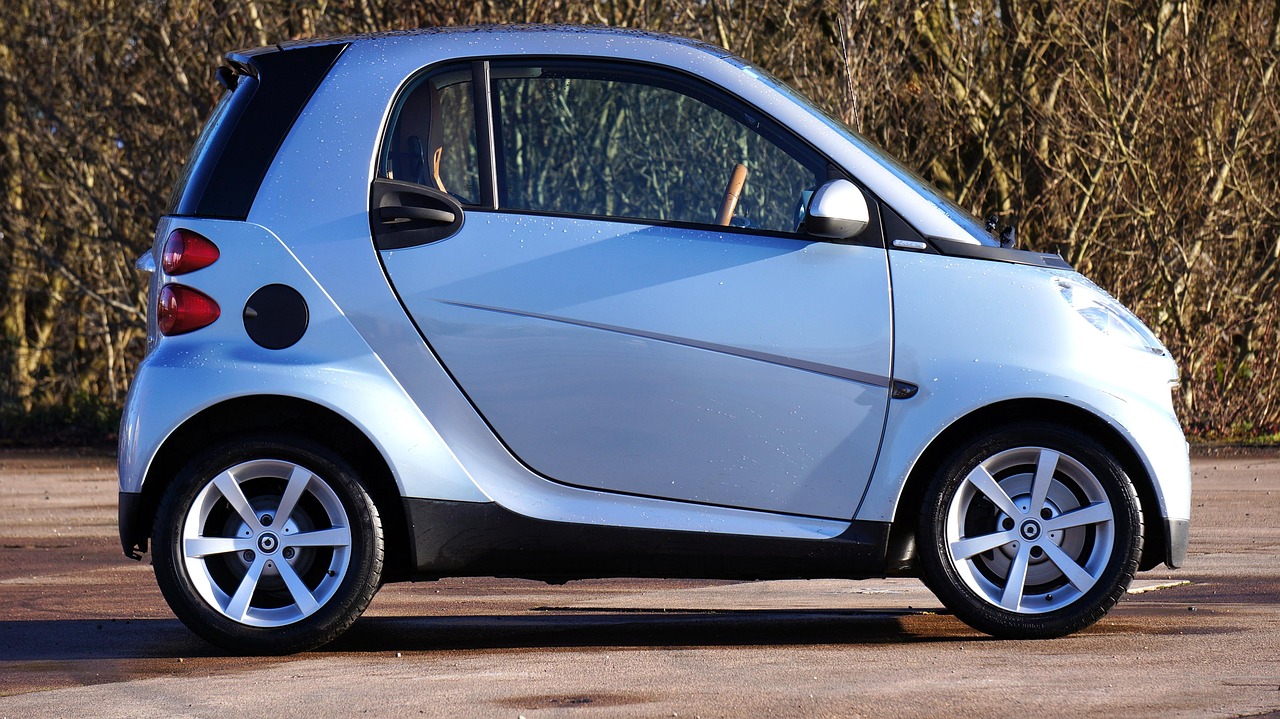
Strut mounts connect the struts to the vehicle body and may also help with steering movement on some vehicles.
Why They Matter: Worn strut mounts can cause clunking, popping, steering noise, vibration, or poor ride quality.
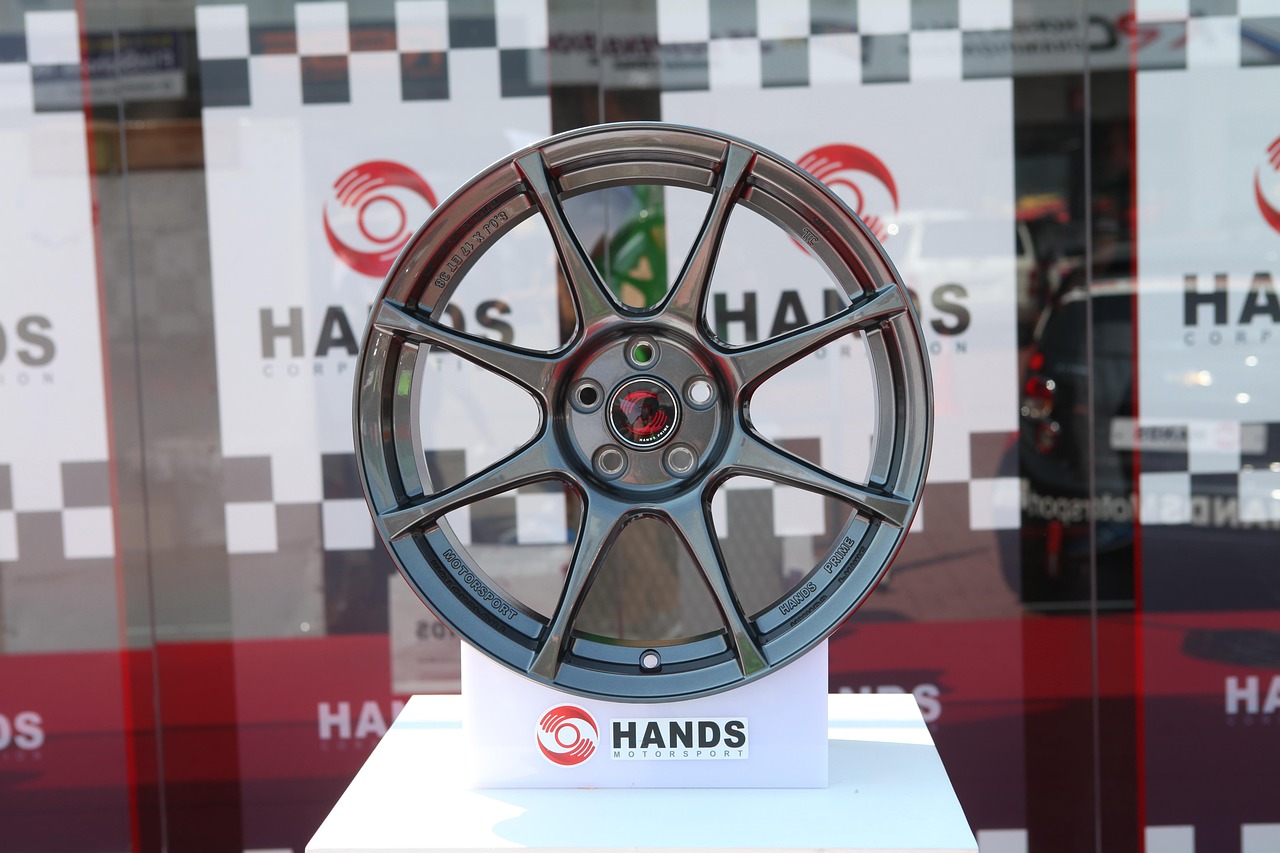
Wheel bearings allow the wheels to rotate smoothly.
Why They Matter: Worn wheel bearings can create humming, grinding, vibration, looseness, or safety concerns.
You should schedule a suspension inspection if you notice any of the following:
If the vehicle feels unsafe, unstable, or difficult to control, have it inspected promptly.
Shocks and struts wear gradually. When they weaken, the vehicle may bounce more than normal, feel unstable, or take longer to settle after hitting bumps.
Ball joints allow movement between the suspension and wheels. When they wear, they may create looseness or noise.
Control arms help hold the wheel in the correct position. They can wear out, bend, rust, or become damaged from potholes or impacts.
Bushings reduce vibration and allow controlled movement. Over time, they can crack, dry out, or loosen.
Sway bar links help stabilize the vehicle during turns. They are common wear items, especially on vehicles driven over rough roads.
Springs support vehicle weight. If a spring is weak or broken, the vehicle may sit unevenly or ride poorly.
Although wheel bearings are not always considered suspension parts, they are closely connected to wheel and ride stability.
Suspension problems often develop gradually, so many drivers adjust to the rough ride without realizing something is wrong. If you notice any of these signs, book an inspection.
Different noises can point to different suspension concerns.
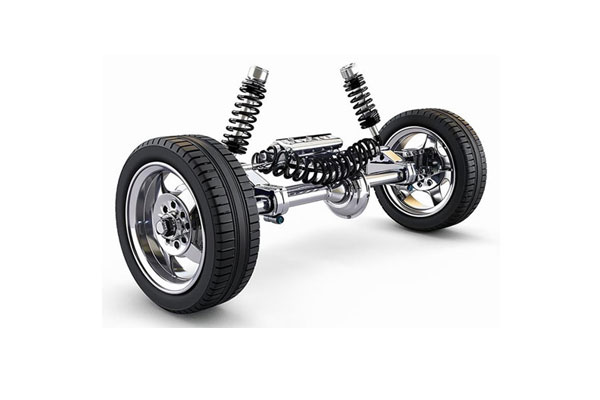
Clunking may come from worn sway bar links, ball joints, control arms, bushings, struts, or loose suspension components.

Squeaking may be caused by dry or worn bushings, ball joints, strut mounts, or suspension movement.

Knocking can indicate loose or worn suspension parts, damaged struts, control arm issues, or sway bar link wear.

Creaking may be related to ball joints, strut mounts, control arms, or steering-related components.

Rattling may come from sway bar links, loose hardware, worn bushings, or nearby underbody components.

Humming or growling may be related to tires, wheel bearings, or wheel-area concerns rather than the suspension alone. A suspension inspection helps identify the likely source of the noise.
Suspension problems can cause tires to wear unevenly or prematurely. This is one reason a tire inspection and suspension inspection often go together.


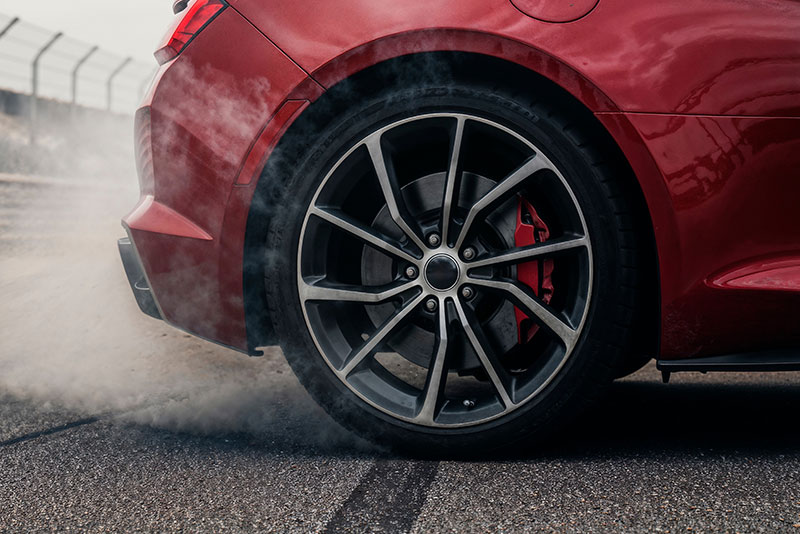
If tires are wearing unevenly, replacing the tires alone may not solve the problem. The suspension should be checked.
Your brakes depend on your tires staying firmly in contact with the road. Worn suspension can affect how the vehicle behaves when stopping. Suspension problems may cause:
Even if the brake system is healthy, worn suspension can reduce braking confidence.
Suspension and steering systems work closely together. A suspension problem can make steering feel loose, unstable, or unpredictable. You may notice:
If steering feels different, a suspension and steering inspection is recommended.
A worn suspension can make even normal roads feel rough. You may feel more bumps, vibration, and shaking inside the vehicle. Suspension wear can cause:
A suspension inspection helps determine whether ride comfort problems are caused by worn components.
Potholes are one of the most common causes of suspension and wheel problems in Ontario. Even one hard impact can damage or weaken components.
After hitting a pothole, schedule an inspection if you notice:
Pothole damage can affect tires, wheels, suspension, steering, and alignment.

Suspension inspection and wheel alignment are connected but different.
A suspension inspection checks the condition of physical components, such as shocks, struts, control arms, ball joints, bushings, and sway bar links.
Wheel alignment adjusts the angles of the wheels so they meet the road properly.
If suspension components are worn or loose, an alignment may not hold properly. Worn suspension parts should be repaired before or along with alignment service.
A shock and strut inspection focuses specifically on shocks, struts, mounts, and related ride-control components.
A suspension inspection is broader. It may include shocks and struts, but also control arms, ball joints, bushings, sway bar links, springs, and other related parts.
If your vehicle is bouncy, leaking at a strut, or nose-diving while braking, shock and strut inspection may be especially important.
A suspension inspection reviews the condition of suspension components.
A noise and vibration diagnosis focuses on finding the source of a specific sound, shake, or vibration. The source may be suspension-related, but it could also involve tires, wheels, brakes, steering, or wheel bearings.
If you are hearing a specific sound, it helps to describe when it happens.
Noise & Vibration DiagnosisIt depends on the severity of the problem. Minor wear may allow short-term driving, but the vehicle should still be inspected soon. Serious suspension problems can affect control and safety.
Suspension issues should be checked before they become dangerous.
Ignoring suspension problems can lead to:
Small suspension problems can create larger issues over time, especially if the vehicle is driven on rough roads.
Scarborough and the Greater Toronto Area can be hard on suspension systems. Local drivers deal with changing weather, potholes, construction zones, traffic, and winter road salt.
Because of these conditions, regular suspension inspections are important for vehicles driven year-round in Ontario.
Winter can make suspension issues more noticeable. Cold weather, potholes, snow, slush, and salt can place extra stress on suspension components. Before winter, a suspension inspection can help review:
A stable suspension system helps improve confidence during winter driving.
Before a long drive, cottage trip, business trip, or highway commute, suspension concerns should be checked. A pre-trip suspension inspection can help identify:
This gives you greater peace of mind before travelling long distances.
Older and high-mileage vehicles often need more frequent suspension checks. Rubber bushings age, shocks weaken, ball joints wear, and road impact can loosen components over time. A suspension inspection is especially important if:
Early inspection can help extend vehicle life and protect your tires.
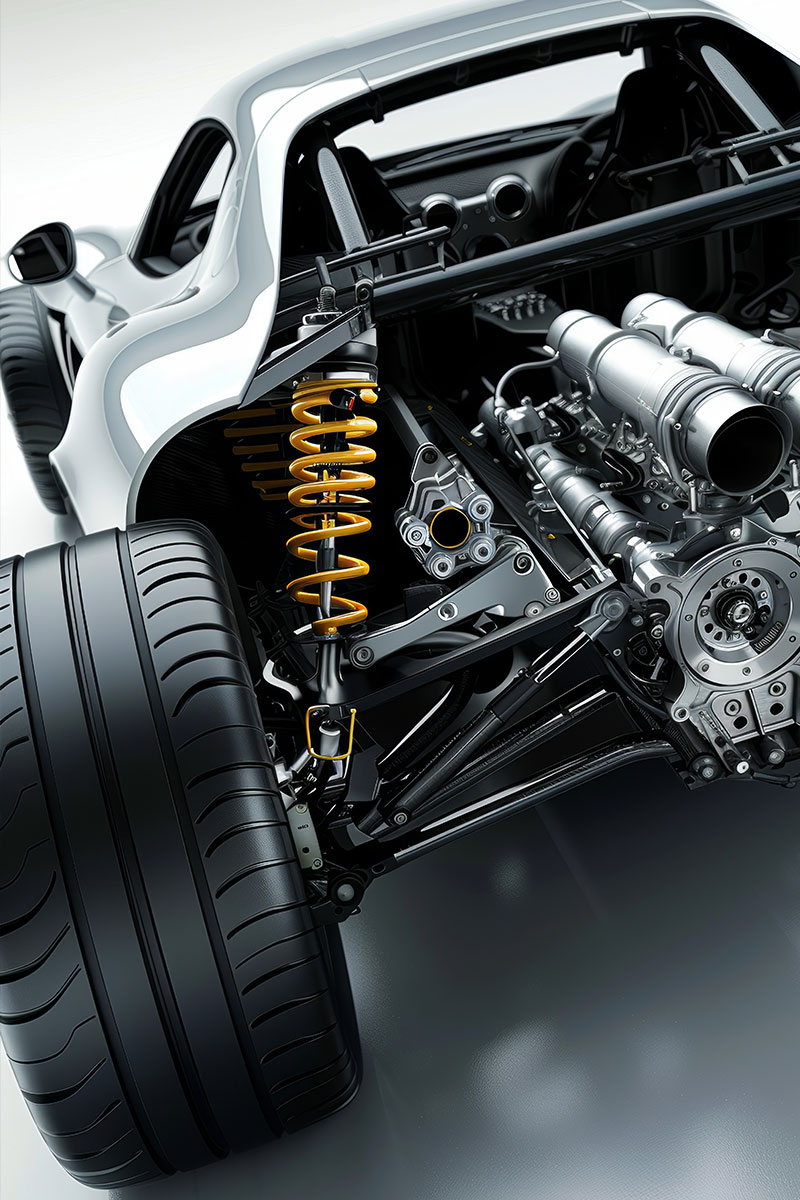
At Valvoline Express Care Scarborough, a suspension inspection may include:
We ask about your concerns, such as clunking, rough ride, pulling, vibration, uneven tire wear, or recent pothole impact.
We ask when the issue happens: over bumps, while turning, while braking, at highway speed, or during parking.
We inspect visible suspension components for wear, leaks, cracks, looseness, damage, or corrosion.
We check tire wear patterns that may indicate suspension or alignment concerns.
We consider whether symptoms may be related to steering, tires, wheels, brakes, or wheel bearings.
We explain the findings in simple terms.
If service is needed, we recommend the proper next step, such as shock or strut service, ball joint replacement, control arm repair, sway bar link replacement, alignment review, or further diagnosis.
Before your appointment, it helps to notice:
These details help identify the issue more efficiently.
A suspension inspection can help identify why your vehicle feels rough, bouncy, or noisy.
Healthy suspension components help the vehicle feel more stable and predictable.
Finding suspension problems early can help reduce uneven tire wear.
Good suspension helps maintain tire contact during braking.
Worn parts can be identified before they become more serious.
You know whether your suspension system is in good condition or needs attention.
To help protect your suspension system:
Good suspension care helps protect comfort, safety, and tire life.
We understand that suspension affects comfort, handling, braking stability, and vehicle control.
We explain visible wear and suspension concerns in a way that is easy to understand.
We recommend service based on your vehicle’s actual condition and symptoms.
We understand how GTA potholes, winter salt, traffic, and seasonal weather affect suspension systems.
We can also help with tires, brakes, battery service, engine care, oil changes, fluids, lights, and general maintenance.
We inspect visible suspension components and provide clear, honest recommendations to help keep your vehicle safe and road-ready.