Coolant absorbs heat from the engine and helps move it away through the radiator.
Coolant System Check
Professional Coolant System Check to Help Protect Your Engine From Overheating
Your vehicle’s cooling system helps control engine temperature and prevent overheating. Low coolant, leaks, worn hoses, radiator issues, or poor coolant condition can lead to serious engine damage if ignored. At Valvoline Express Care Scarborough, we inspect key cooling system areas and help identify concerns before they become costly problems.
The Service
What Is a Coolant System Check?
A coolant system check is a review of your vehicle’s cooling system to help make sure the engine is properly protected from overheating. Your engine produces a large amount of heat every time you drive. The cooling system helps manage that heat by circulating coolant through the engine, radiator, hoses, and related components.
When the coolant system is working properly, it helps keep the engine operating within a safe temperature range. When something goes wrong, the engine can overheat quickly, especially in traffic, hot weather, long drives, or heavy driving conditions.
At Valvoline Express Care Scarborough, our coolant system check helps identify visible leaks, low coolant levels, hose concerns, radiator issues, coolant condition problems, and other warning signs that may require attention.
Why It Matters
Why the Coolant System Matters
Your engine cannot safely operate without proper temperature control. If the engine becomes too hot, internal parts can expand, seals can fail, fluids can break down, and serious engine damage can occur.
A properly maintained cooling system helps:
- Prevent engine overheating
- Protect engine components from heat damage
- Support reliable vehicle performance
- Maintain proper cabin heating
- Reduce the risk of roadside breakdowns
- Help prevent coolant leaks
- Support long-term engine health
- Improve driving confidence in all seasons
Ignoring cooling system problems can lead to expensive repairs. A simple coolant system check can help identify concerns early.
The Fluid
What Does Coolant Do?
Coolant, sometimes called antifreeze, is a special fluid that circulates through your engine and radiator. It helps absorb heat from the engine and release that heat through the radiator, and it protects the system in both hot and cold weather.
In cold weather, coolant helps prevent the fluid inside the cooling system from freezing.
In hot conditions, coolant helps raise the boiling point of the fluid so the system can manage heat more effectively.
Coolant contains additives that help protect metal components from rust and corrosion.
Coolant helps support proper operation of the water pump and other cooling system components.
The Components
Main Parts of the Cooling System
Your coolant system is made up of several important parts that work together.
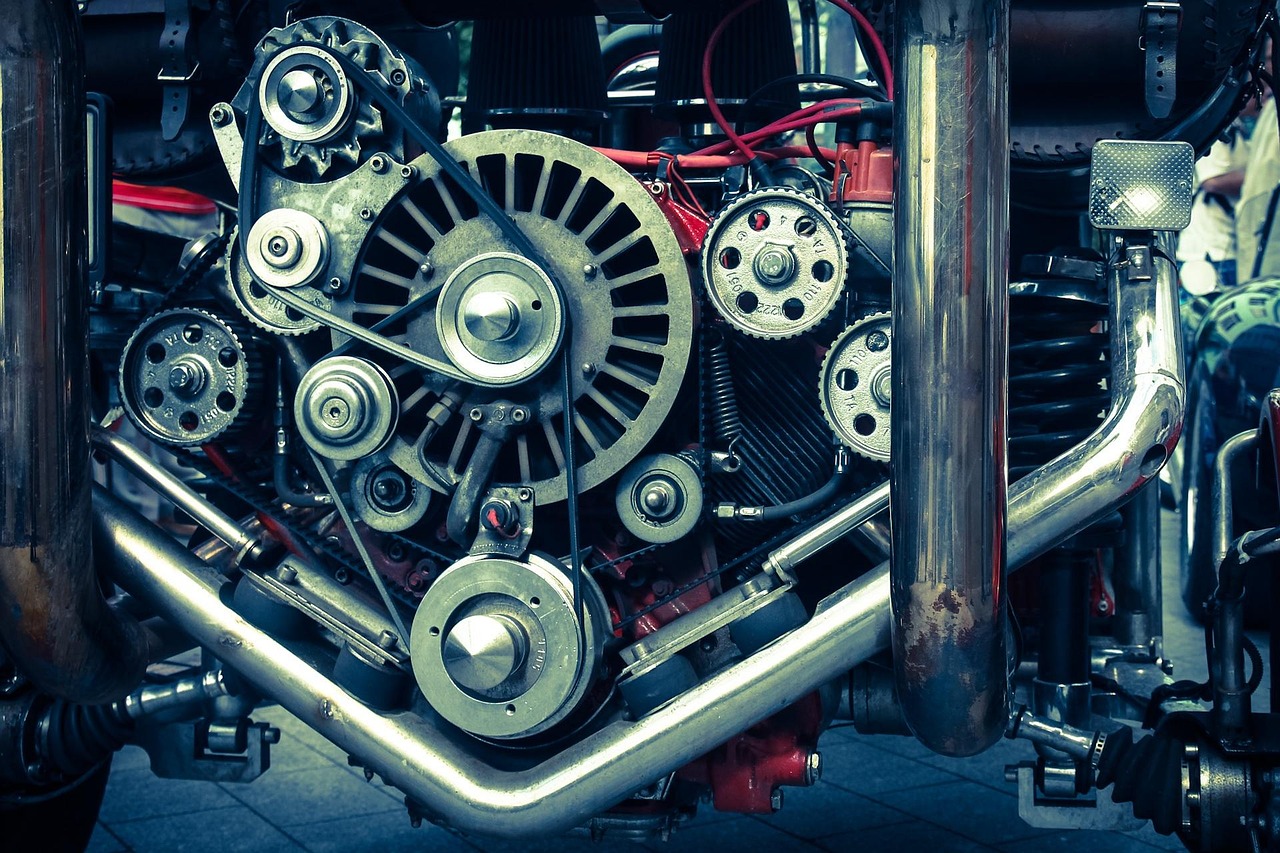
1. Radiator
The radiator helps release heat from the coolant. Hot coolant flows from the engine to the radiator, where heat is transferred away before the coolant returns to the engine.
Why it matters: If the radiator is leaking, clogged, damaged, or not cooling properly, the engine may overheat.
2. Coolant
Coolant is the fluid that carries heat away from the engine. It must be at the correct level and in good condition to work properly.
Why it matters: Low, contaminated, or incorrect coolant can reduce protection and increase the risk of overheating or corrosion.

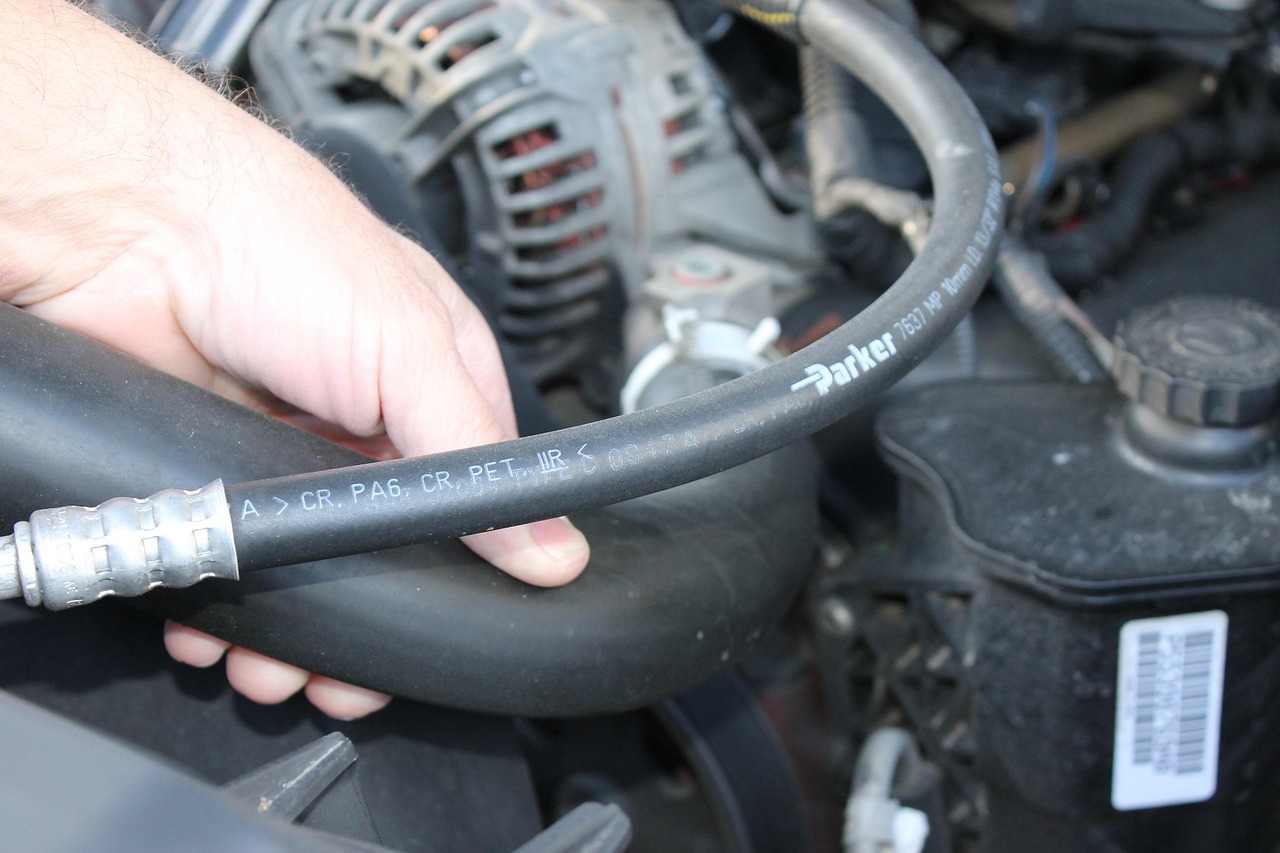
3. Radiator Hoses
Radiator hoses carry coolant between the engine and radiator. They operate under heat and pressure.
Why they matter: Cracked, swollen, loose, or leaking hoses can cause coolant loss and overheating.
4. Heater Hoses
Heater hoses carry hot coolant to the heater core, helping provide warm air inside the vehicle cabin.
Why they matter: If heater hoses leak or fail, the vehicle may lose coolant and cabin heat may stop working properly.
5. Thermostat
The thermostat helps regulate coolant flow based on engine temperature.
Why it matters: If the thermostat sticks closed, the engine may overheat. If it sticks open, the engine may take too long to warm up or operate inefficiently.
6. Water Pump
The water pump circulates coolant through the engine and cooling system.
Why it matters: If the water pump fails, coolant may stop circulating properly, causing overheating.
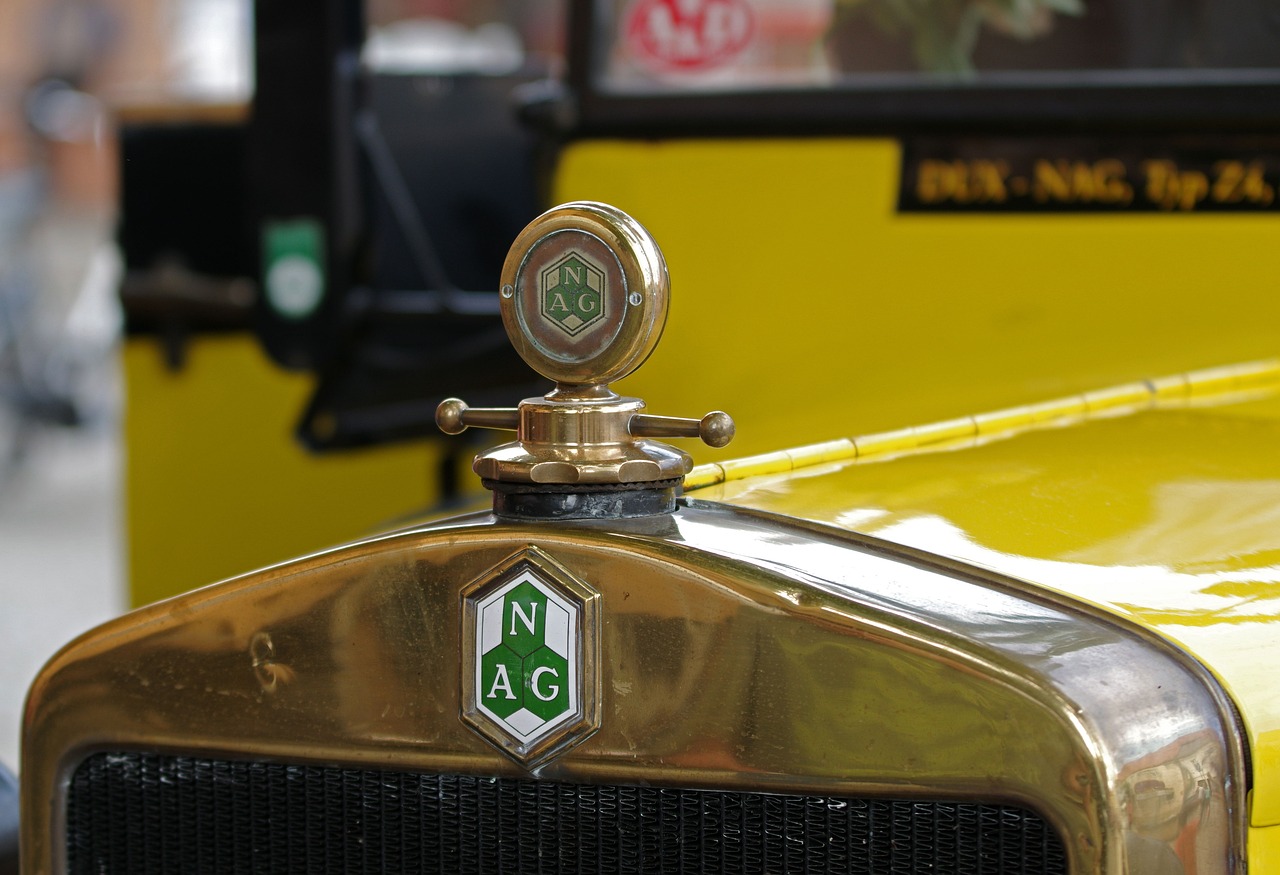
7. Cooling Fan
The cooling fan helps pull air through the radiator, especially when the vehicle is stopped or moving slowly.
Why it matters: If the fan does not work, the vehicle may overheat in traffic or at idle.
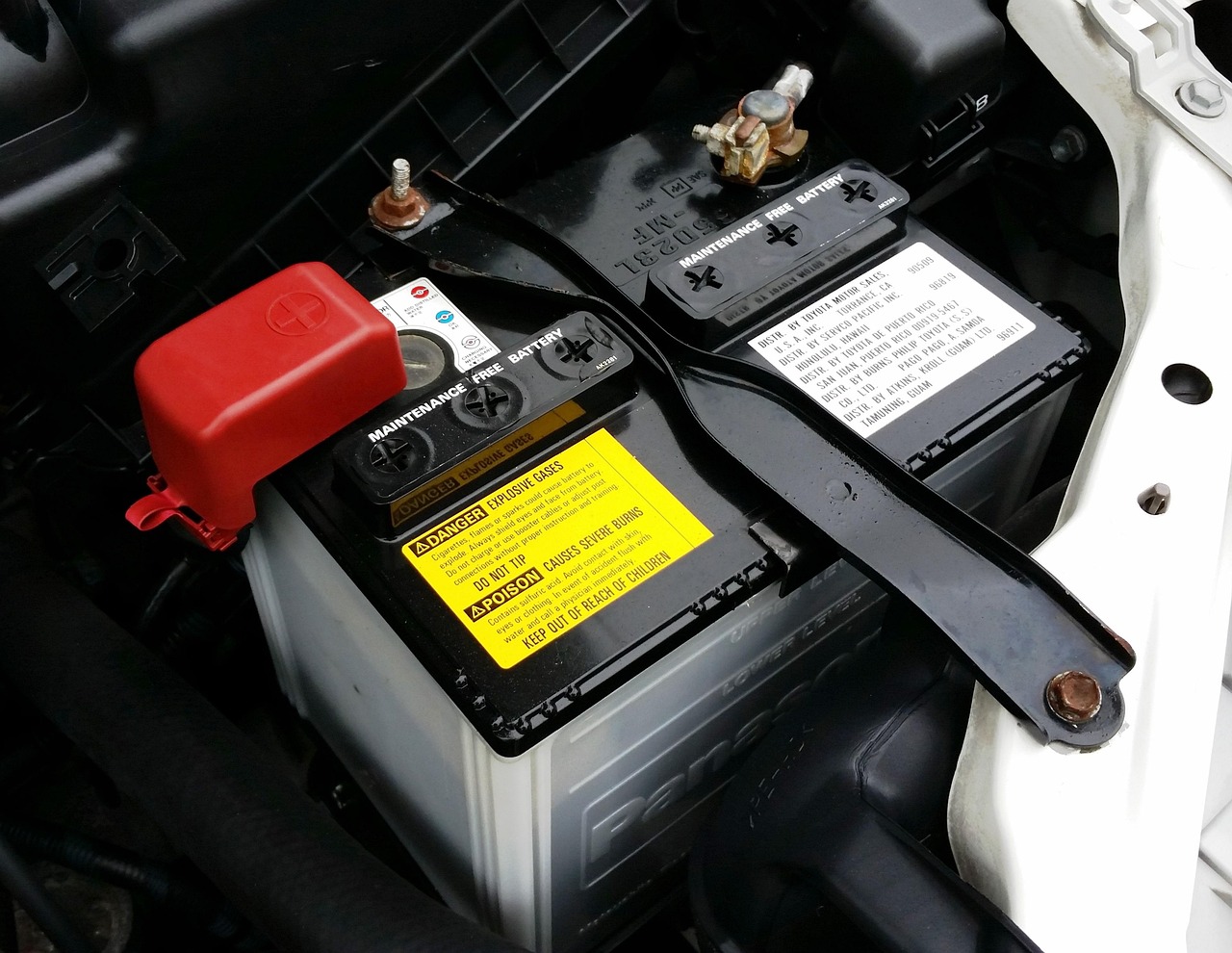
8. Coolant Reservoir
The coolant reservoir stores extra coolant and allows the system to expand and contract as temperature changes.
Why it matters: Low coolant in the reservoir can be an early sign of a leak or cooling system issue.
9. Radiator Cap or Pressure Cap
The cap helps maintain proper system pressure.
Why it matters: A faulty cap can allow pressure loss, coolant boiling, leaks, or overheating.
Running Low
What Happens If Coolant Is Low?
Low coolant can reduce the system’s ability to control engine temperature. If there is not enough coolant circulating through the engine, the engine may overheat.
- Overheating
- Heater not blowing warm air
- Temperature gauge fluctuations
- Coolant warning light
- Engine performance issues
- Increased risk of engine damage
- Possible breakdown
Low coolant is often caused by a leak, evaporation over time, a faulty cap, or a cooling system issue. If coolant keeps dropping, the cause should be inspected.
Past Its Best
What Happens If Coolant Is Dirty or Contaminated?
Coolant does not last forever. Over time, it can become contaminated, lose protective additives, or become less effective.
- Rust and corrosion
- Clogged radiator passages
- Poor heat transfer
- Water pump wear
- Thermostat problems
- Heater core issues
- Overheating
- Reduced system protection
A coolant system check can help determine whether the coolant appears low, dirty, discoloured, or in need of further service.
Warning Signs
Signs You May Need a Coolant System Check
Cooling system issues should not be ignored. Even small coolant leaks can become serious quickly.
- Temperature gauge rising higher than normal
- Engine overheating
- Low coolant level
- Coolant warning light
- Steam coming from under the hood
- Sweet smell near the engine
- Coolant leak under the vehicle
- Cabin heater not working properly
- Engine running hot in traffic
- Frequent need to top up coolant
- Warning lights on the dashboard
- Visible cracks or swelling on hoses
- White smoke from exhaust in severe cases
- Gurgling sounds after shutting off the engine
- Vehicle has not had coolant checked recently
Root Causes
Common Causes of Cooling System Problems
Cooling system problems can happen for many reasons. Some develop slowly over time, while others happen suddenly.
1. Coolant Leak
Leaks may come from hoses, radiator, water pump, reservoir, clamps, or other components.
2. Worn Radiator Hose
A cracked, swollen, or softened hose can leak or burst under pressure.
3. Faulty Thermostat
A thermostat that does not open or close properly can cause overheating or poor temperature control.
4. Radiator Damage
A damaged or clogged radiator may not release heat effectively.
5. Weak Radiator Cap
A faulty pressure cap can cause coolant loss or overheating.
6. Water Pump Issue
If the water pump cannot circulate coolant properly, the engine may overheat.
7. Cooling Fan Problem
A fan that does not turn on can cause overheating during idle or slow traffic.
8. Air in the Cooling System
Air pockets can prevent proper coolant flow and cause temperature problems.
9. Old or Incorrect Coolant
Using the wrong coolant or failing to replace old coolant can reduce protection.
10. Internal Engine Concern
In more serious cases, coolant loss or overheating may relate to internal engine problems that require deeper diagnostics.
What We Do
What Is Included in Our Coolant System Check?
At Valvoline Express Care Scarborough, our coolant system check focuses on visible and accessible cooling system areas.
How It Works
Our Coolant System Check Process
We confirm your vehicle details and ask about any symptoms you may have noticed, such as overheating, coolant smells, leaks, warning lights, or poor cabin heat.
We check the coolant level and compare it with the expected range.
We look at the visible coolant condition and check for signs that it may be dirty, discoloured, contaminated, or low.
We inspect accessible hoses, clamps, reservoir areas, and radiator areas for visible leaks, cracks, swelling, or damage.
Where visible, we look for signs of concern around the radiator, reservoir, pressure cap area, and related components.
We explain what we found in simple terms so you understand the condition of your coolant system.
If further service is needed, we provide a clear recommendation. This may include coolant top-up, hose replacement, leak repair, further diagnostics, coolant service, or other cooling system repair.
Know the Difference
Coolant Check vs. Coolant Flush
Many customers confuse a coolant check with a coolant flush. They are different services, and a coolant system check helps determine whether a coolant service may be needed.
Coolant System Check
A coolant system check is an inspection. It looks at coolant level, visible condition, leaks, hoses, and obvious warning signs.
Best for
- Routine maintenance
- Checking for leaks
- Reviewing overheating concerns
- Inspecting coolant level
- Identifying visible problems
Coolant Flush or Coolant Service
A coolant flush or coolant service removes old coolant and replaces it with fresh coolant. In some cases, the system may also be cleaned to help remove old deposits or contamination.
Best for
- Old or contaminated coolant
- Maintenance schedule requirements
- Rust or debris in coolant
- Reduced cooling performance
- Manufacturer-recommended service intervals
In an Emergency
What to Do If Your Vehicle Overheats
If your vehicle starts overheating, take it seriously. If the temperature gauge rises or a warning light appears:
Turn Off the A/C
Turn off the air conditioning.
Turn On the Heater
Turn on the heater if safe to do so, as this may help draw heat away from the engine.
Pull Over Safely
Pull over safely as soon as possible.
Turn Off the Engine
Turn off the engine.
Leave the Cap Alone
Do not open the radiator cap while the engine is hot.
Let It Cool Down
Let the vehicle cool down.
Get It Inspected
Call for assistance or have the vehicle inspected.
Opening a hot cooling system can be dangerous because hot coolant and steam may spray out under pressure.
Local Climate
Coolant System Care in Canadian Weather
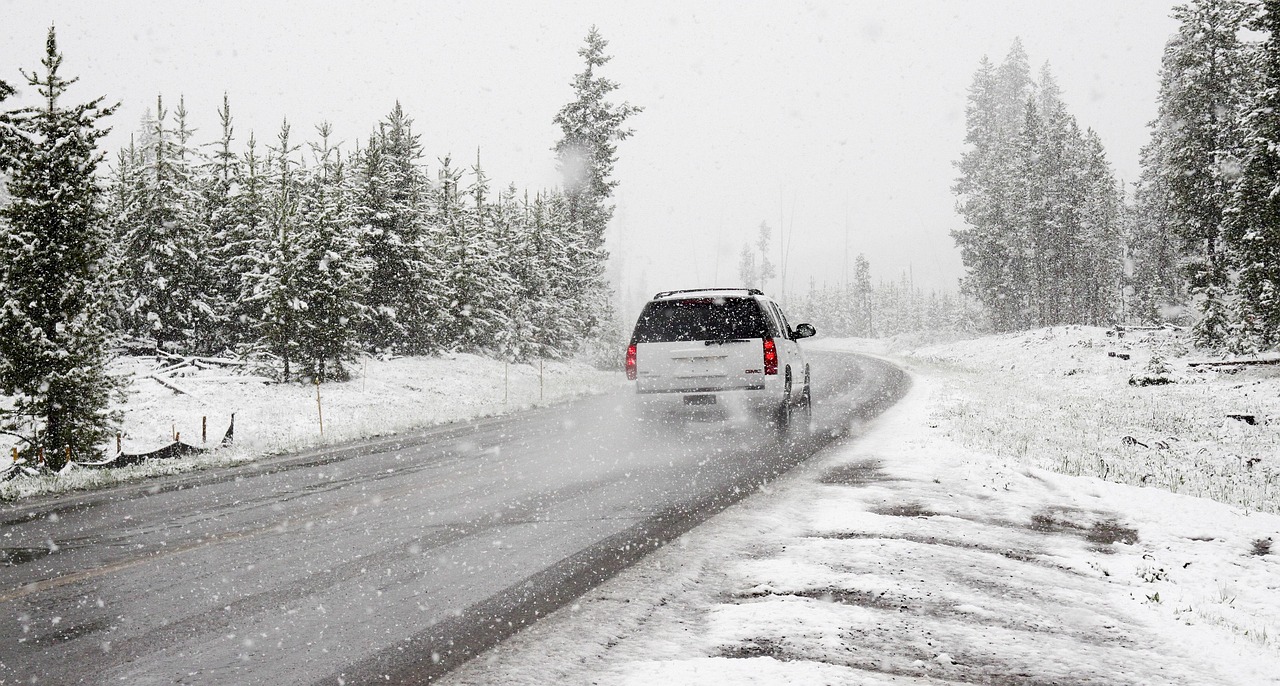
In Scarborough and the Greater Toronto Area, vehicles face both hot summers and cold winters. Your coolant system must protect the engine in both conditions.


Replacement
When Should Coolant Be Replaced?
Coolant replacement intervals vary depending on the vehicle, coolant type, manufacturer recommendations, and driving conditions. Some coolants are designed to last longer than others, but all coolant eventually loses effectiveness. You should follow your owner’s manual for proper coolant service intervals.
Coolant may need replacement sooner if:
- It appears dirty or rusty
- It has an unusual colour or contamination
- The system has been repaired
- The vehicle has overheated
- The coolant type is unknown
- The vehicle is older or high mileage
- The manufacturer interval has passed
Compatibility
Why the Correct Coolant Type Matters
Not all coolants are the same. Vehicles may require specific coolant formulas based on manufacturer requirements. Coolant colour alone is not always enough to determine compatibility.
Using the wrong coolant can cause:
- Reduced corrosion protection
- Cooling system deposits
- Chemical incompatibility
- Water pump wear
- Seal damage
- Poor heat transfer
- Overheating risk
Professional service helps ensure the correct coolant type is used when topping up or replacing coolant.
Before You Travel
Coolant System Check Before a Long Trip
Before a long drive, cottage trip, road trip, or heavy commute, it is smart to check your coolant system. Long drives create continuous heat, and a weak cooling system may fail when the engine is under load.
A pre-trip check can help identify:
- Low coolant
- Visible leaks
- Weak hoses
- Cracked reservoir
- Signs of overheating risk
- Coolant condition concerns
This gives you greater confidence before spending extended time on the road.

High Mileage
Coolant System Check for Older and High-Mileage Vehicles
Older and high-mileage vehicles need extra attention because hoses, seals, radiator parts, and cooling components naturally wear over time.
A coolant system check is especially important if:
- Your vehicle has high mileage
- Coolant level drops between services
- Hoses have never been replaced
- The radiator is older
- The heater performance is weak
- The vehicle has overheated before
- You see rust-coloured coolant
- You notice coolant smells or leaks
Early inspection can help prevent larger engine problems.
Key Benefits
Benefits of a Professional Coolant System Check
Helps Prevent Overheating
A coolant check helps identify problems that may cause the engine to run too hot.
Helps Detect Leaks Early
Small coolant leaks can become major failures if ignored.
Protects Engine Components
Proper coolant level and condition help reduce heat-related engine damage.
Supports Reliable Cabin Heat
The cooling system also affects your vehicle’s heating performance.
Improves Long-Term Vehicle Care
Cooling system maintenance supports better reliability and longer vehicle life.
Gives Peace of Mind
You know whether your coolant system appears healthy or needs attention.
Good to Know
Answers to Common Questions
Coolant loss should always be taken seriously because it may indicate a leak.
Driving with low coolant is risky. If coolant is low, your engine may overheat, especially in traffic or during longer drives. If the coolant level is only slightly low and there are no warning lights, you should still have it checked soon. If the engine is overheating, leaking coolant, or the temperature gauge is high, stop driving and seek service.
Water may be used temporarily in an emergency, but it is not a proper long-term replacement for coolant. Water does not provide the same freeze protection, boil protection, corrosion protection, or system lubrication. Using only water can lead to freezing in cold weather, boiling in hot conditions, corrosion, poor system protection, and damage to cooling system components. The proper coolant mixture should be restored as soon as possible.
Local & Trusted
Why Choose Valvoline Express Care Scarborough for a Coolant System Check?
Professional Under-Hood Review
We inspect visible cooling system areas and look for signs of leaks, wear, or coolant concerns.
Clear Communication
We explain our findings in a way that is easy to understand.
Honest Recommendations
We recommend service based on your vehicle’s condition and actual maintenance needs.
Preventive Maintenance Focus
Our goal is to help prevent overheating, breakdowns, and costly repairs.
Local Scarborough Auto Care
We proudly serve Scarborough drivers with dependable vehicle maintenance and repair support.
Ready When You Are
Book Your Coolant System Check Today
Your cooling system keeps the engine at a safe temperature in every season. We inspect key cooling system areas and help identify concerns before they become costly problems.