Warning Light Diagnosis

Professional Warning Light Diagnosis to Help You Understand What Your Vehicle Needs

Dashboard warning lights are your vehicle’s way of alerting you that something needs attention. Whether it is a battery light, check engine light, ABS light, brake warning, oil pressure light, temperature warning, or tire pressure alert, Valvoline Express Care Scarborough helps review warning lights, identify possible causes, and recommend the right next step with clear, honest communication.

The Service

What Is Warning Light Diagnosis?

Warning light diagnosis is the process of reviewing dashboard warning lights to understand what system may need attention. Modern vehicles use sensors, computers, control modules, and electrical systems to monitor performance, safety, emissions, charging, braking, tire pressure, engine temperature, oil pressure, and many other functions.

When your vehicle detects a problem, it may turn on a dashboard warning light. Some lights are minor reminders, while others can indicate urgent safety or mechanical concerns.

At Valvoline Express Care Scarborough, we help drivers understand what warning lights mean, whether the issue may be urgent, and what service or further diagnostics may be needed.

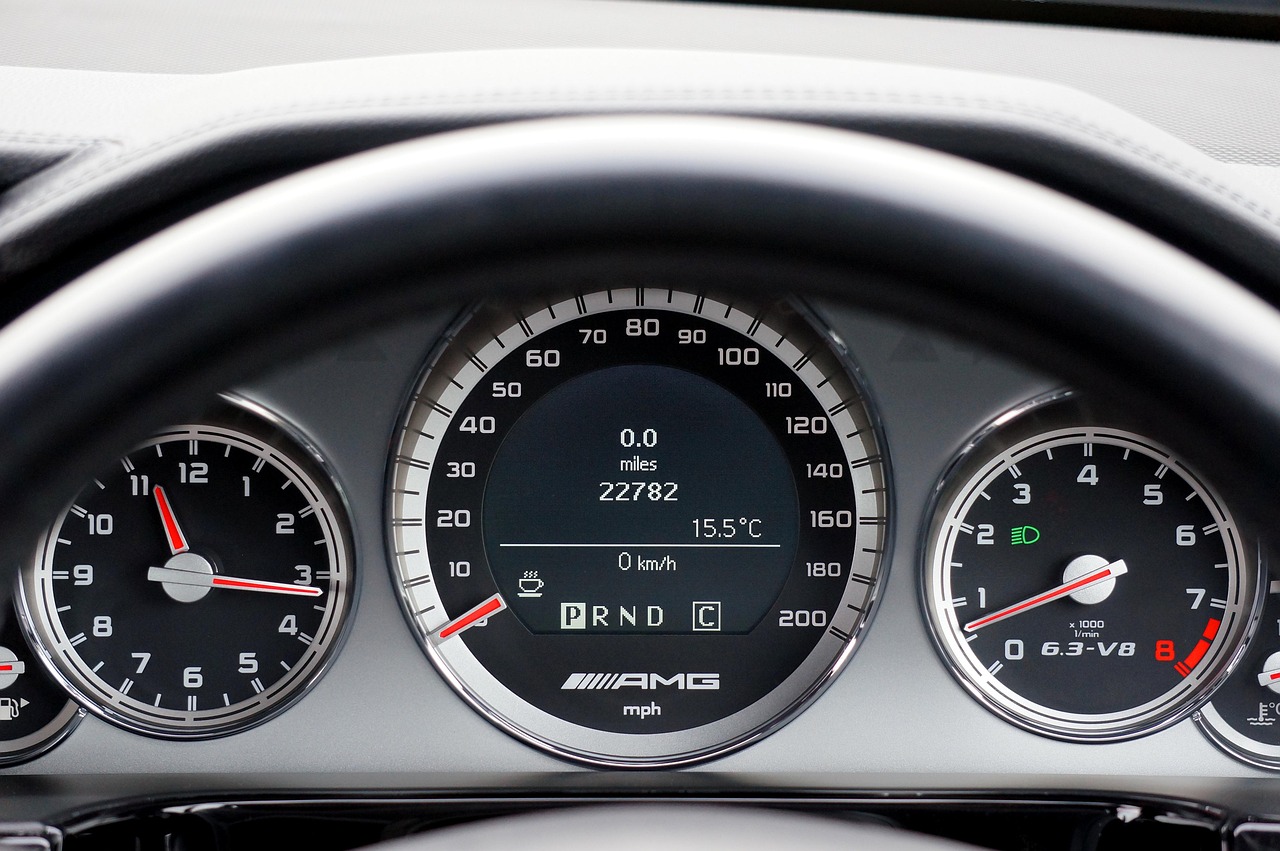
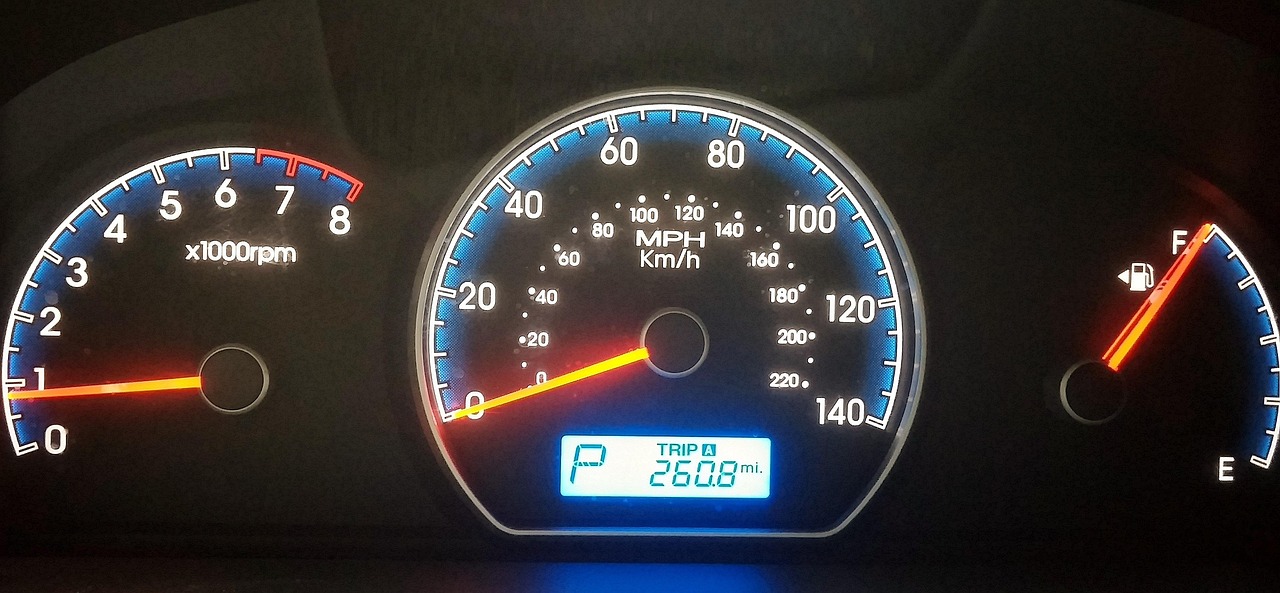
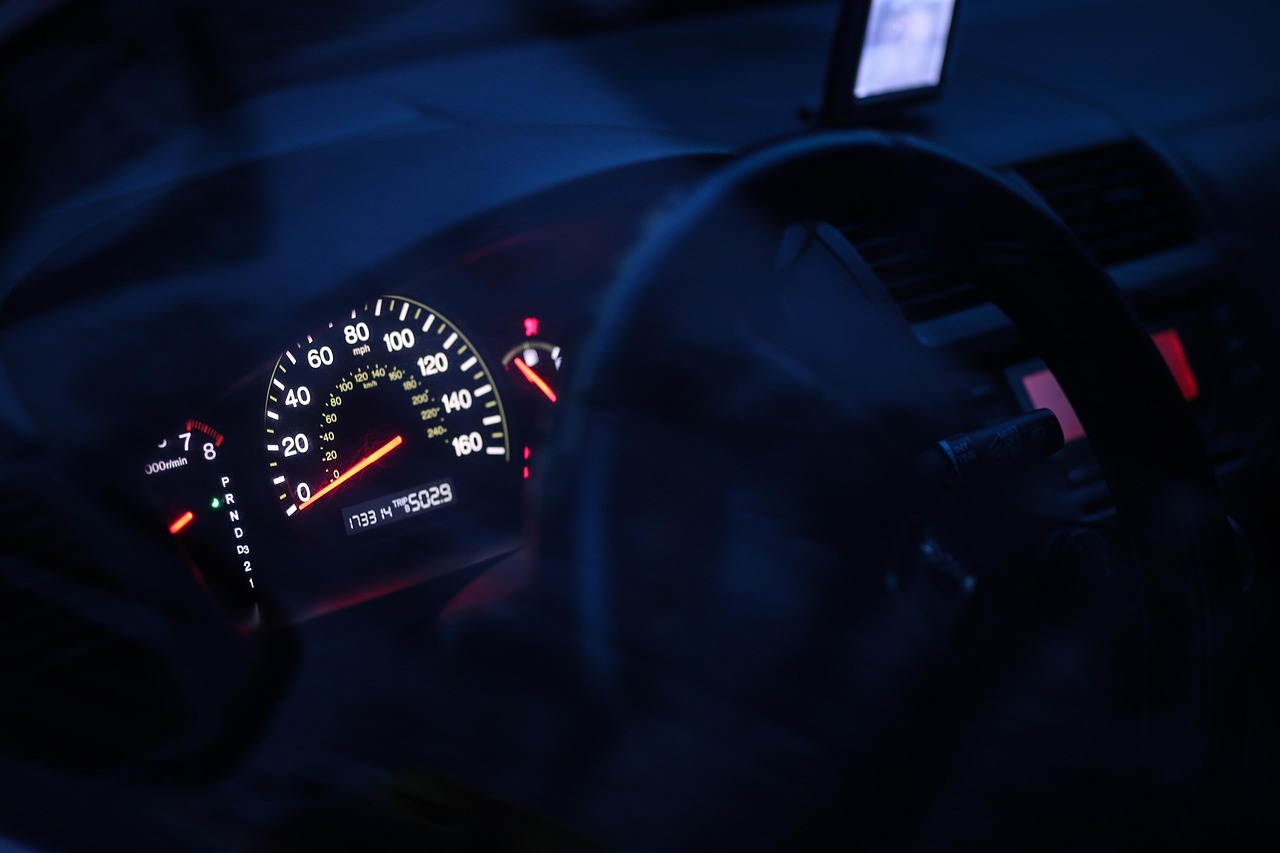
Dashboard warning lights
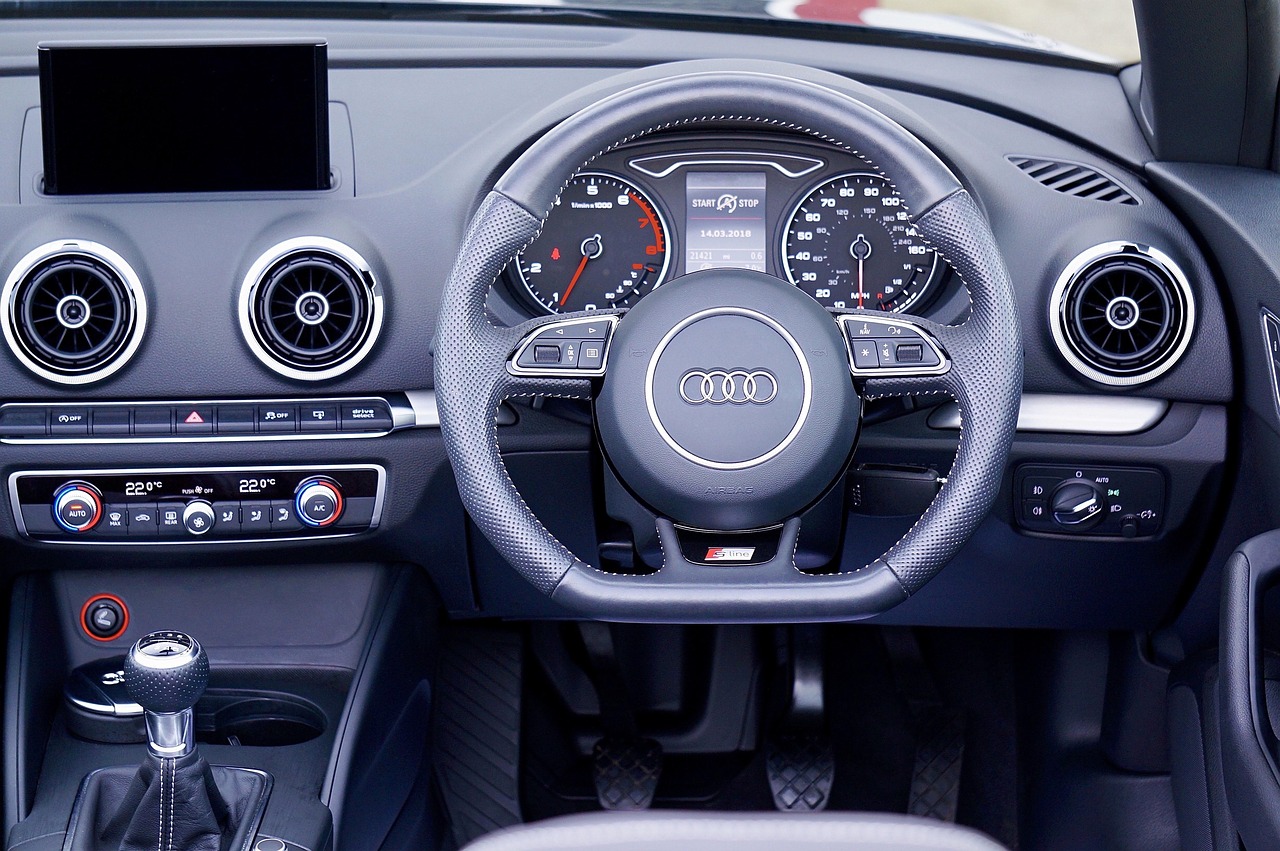
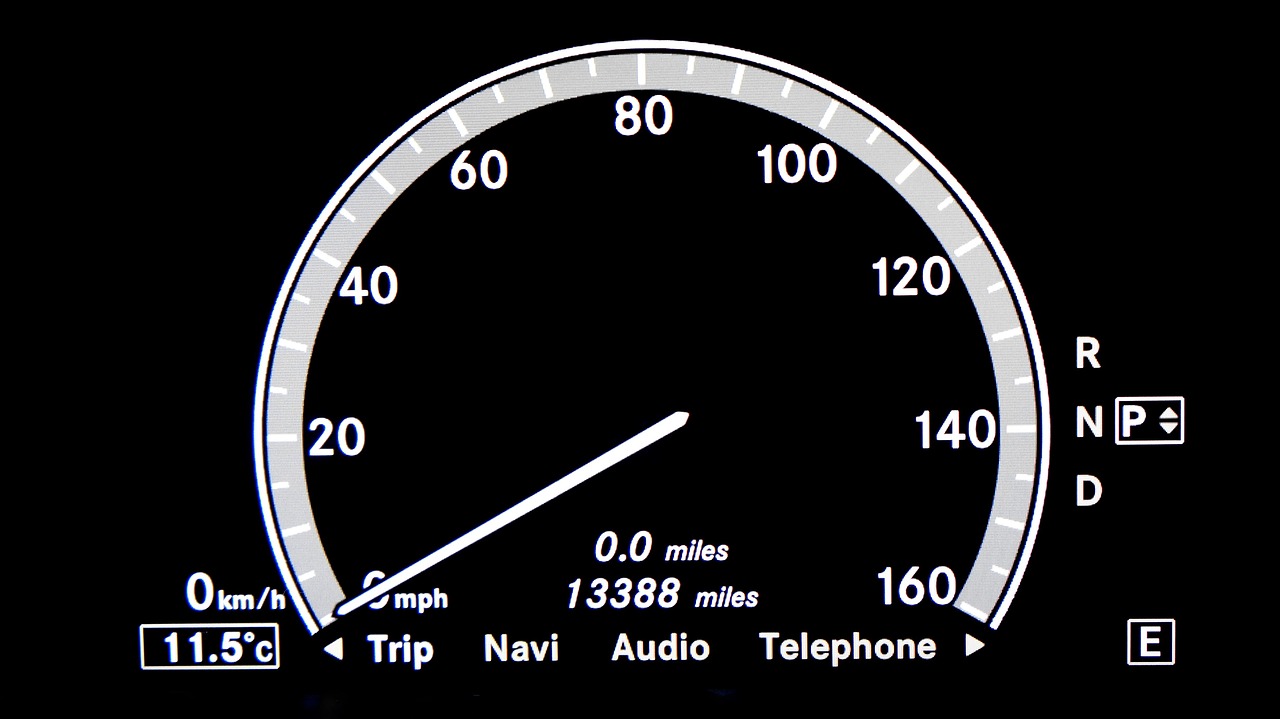
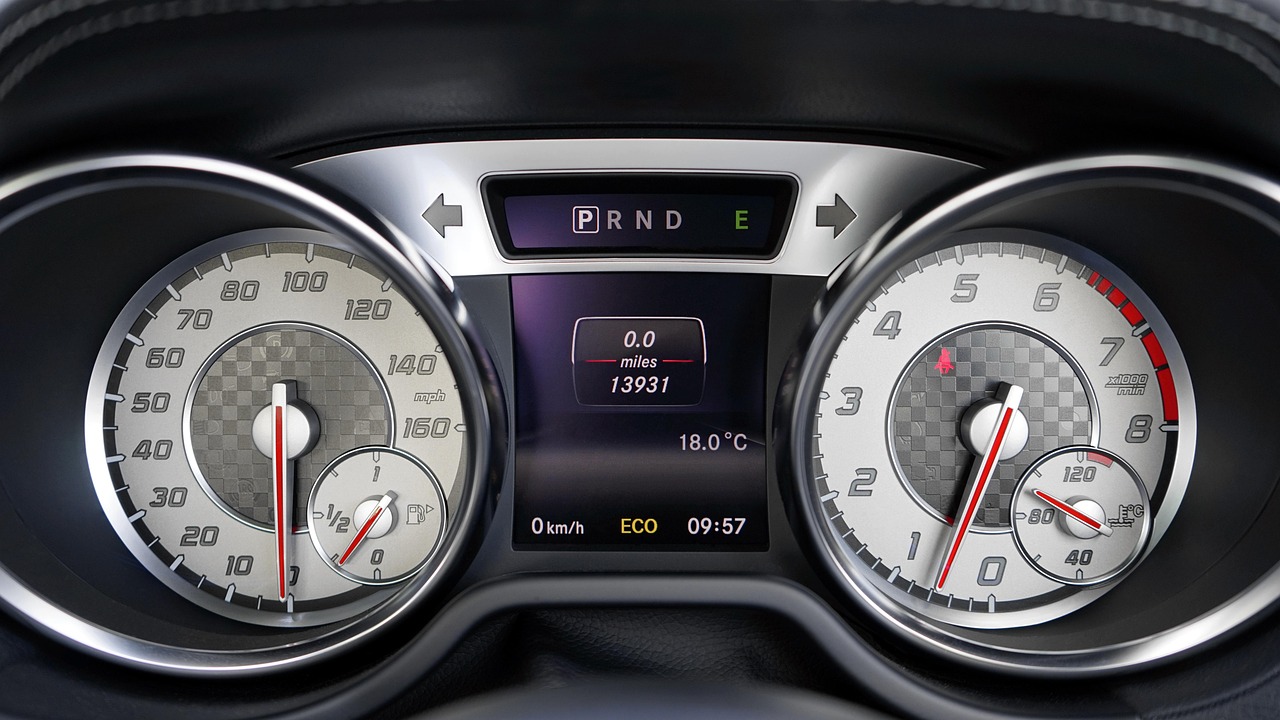
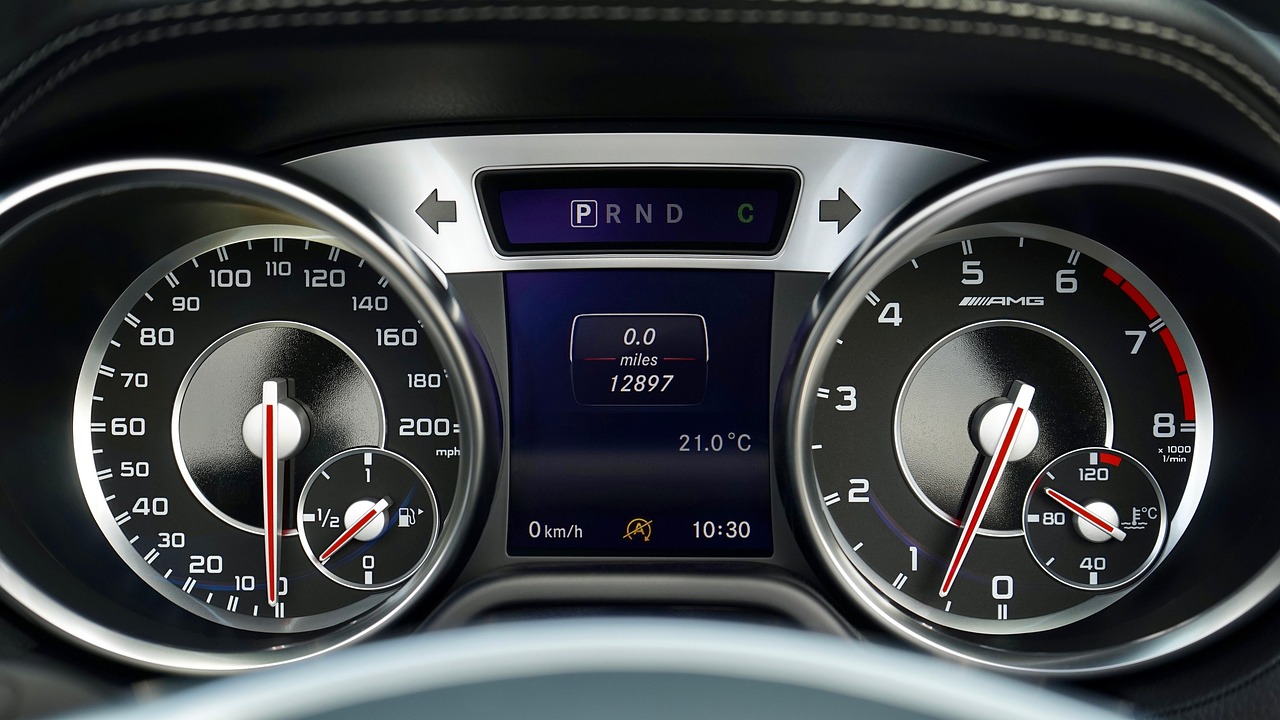
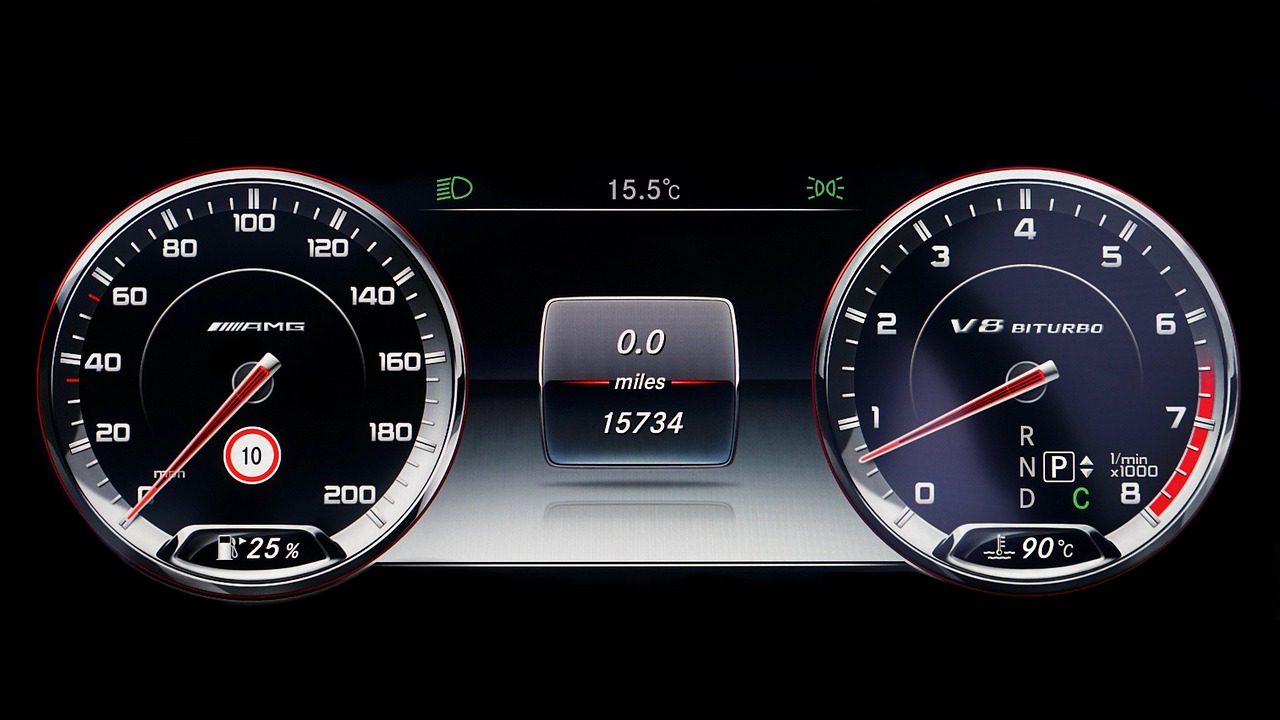
Dashboard cluster
Why It Matters

Why Warning Lights Should Not Be Ignored

A dashboard warning light is not something to overlook. Even if your vehicle still feels normal, the system may have detected an issue that could affect safety, performance, fuel efficiency, emissions, or reliability.

Ignoring warning lights can lead to:
  • Unexpected breakdowns
  • Reduced vehicle performance
  • Battery or charging failure
  • Engine overheating
  • Poor braking performance
  • Increased repair costs
  • Failed emissions-related checks
  • Reduced fuel economy
  • Tire damage
  • Safety system malfunction
  • Serious engine or electrical damage

A warning light diagnosis helps identify the issue early so you can make an informed decision before the problem becomes worse.

Decoded

Common Dashboard Warning Lights We Review

Different vehicles display different warning symbols, but many dashboard lights fall into common categories.

Battery warning light

1. Battery Warning Light

The battery warning light usually points to a charging system concern. It does not always mean the battery itself is bad. The issue may involve the battery, alternator, serpentine belt, battery cables, terminals, or charging system wiring.

Common Causes
  • Weak battery
  • Failing alternator
  • Loose or damaged serpentine belt
  • Corroded battery terminals
  • Loose battery cables
  • Charging system fault
  • Poor electrical connection
What You May Notice
  • Dim headlights
  • Vehicle starts slowly
  • Electrical features act strangely
  • Battery keeps dying
  • Vehicle stalls
  • Warning light comes on while driving

Why It Matters: If the alternator is not charging properly, your vehicle may run only on battery power for a short time. Once the battery drains, the vehicle may stall or fail to restart.

Check engine light

2. Check Engine Light

The check engine light can be triggered by many different engine, emissions, fuel, ignition, sensor, or electrical concerns. Some issues are minor, while others require prompt attention.

Common Causes
  • Loose or damaged gas cap
  • Oxygen sensor issue
  • Engine misfire
  • Spark plug or ignition coil concern
  • Emissions system issue
  • Fuel system concern
  • Mass air flow sensor issue
  • Catalytic converter concern
  • Sensor or wiring issue
What You May Notice
  • Rough idle
  • Poor acceleration
  • Reduced fuel economy
  • Engine hesitation
  • Vehicle shaking
  • Strong fuel smell
  • No symptoms at all

Why It Matters: A steady check engine light should be reviewed soon. A flashing check engine light may indicate a more serious issue, such as a misfire, and should be checked immediately.

Oil pressure warning light

3. Oil Pressure Warning Light

The oil pressure warning light may indicate that your engine is not receiving proper oil pressure. This is one of the more serious dashboard warnings.

Common Causes
  • Low engine oil level
  • Oil leak
  • Oil pump concern
  • Incorrect oil viscosity
  • Internal engine wear
  • Faulty oil pressure sensor
What You May Notice
  • Oil warning light
  • Engine ticking or knocking
  • Burning oil smell
  • Oil leak under vehicle
  • Engine performance changes

Why It Matters: Low oil pressure can cause serious engine damage. If the oil pressure light comes on while driving, pull over safely and turn off the engine as soon as possible.

Engine temperature warning light

4. Engine Temperature Warning Light

The temperature warning light means the engine may be overheating or running hotter than normal.

Common Causes
  • Low coolant level
  • Coolant leak
  • Faulty thermostat
  • Radiator concern
  • Cooling fan issue
  • Water pump problem
  • Hose leak or failure
What You May Notice
  • Temperature gauge rising
  • Steam from under the hood
  • Sweet coolant smell
  • Coolant leak
  • Cabin heater not working properly
  • Engine running hot in traffic

Why It Matters: Overheating can cause major engine damage. If the temperature warning light appears, stop driving safely and allow the vehicle to cool before further inspection.

Brake warning light

5. Brake Warning Light

The brake warning light may indicate a brake system concern. It may also appear if the parking brake is engaged.

Common Causes
  • Parking brake is on
  • Low brake fluid
  • Brake fluid leak
  • Brake hydraulic concern
  • Worn brake components
  • Brake sensor issue
What You May Notice
  • Soft brake pedal
  • Longer stopping distance
  • Brake fluid level low
  • Brake noise
  • Vehicle pulls while braking
  • Brake pedal feels different

Why It Matters: Brake warnings should be taken seriously. If the brake pedal feels abnormal or braking performance is reduced, avoid driving and have the vehicle inspected immediately.

ABS warning light

6. ABS Warning Light

ABS stands for Anti-lock Braking System. The ABS light means there may be a concern with the anti-lock braking system.

Common Causes
  • Wheel speed sensor issue
  • ABS module concern
  • Wiring problem
  • Low brake fluid in some cases
  • Faulty ABS pump or related component
  • Damaged sensor from road debris or corrosion
What You May Notice
  • ABS light stays on
  • Traction control light appears
  • Brakes feel normal, but ABS may not activate
  • Warning appears after tire or brake service

Why It Matters: Your standard brakes may still work, but the anti-lock braking function may not operate properly during hard braking or slippery conditions.

Tire pressure warning light

7. Tire Pressure Warning Light

The tire pressure warning light, also known as the TPMS light, means one or more tires may have low pressure or there may be a tire pressure monitoring system issue.

Common Causes
  • Low tire pressure
  • Cold weather pressure drop
  • Slow tire leak
  • Nail or puncture
  • Valve stem issue
  • TPMS sensor issue
  • Recent tire change
  • Sensor reset required
What You May Notice
  • TPMS light on
  • Tire looks low
  • Vehicle feels unstable
  • Tire keeps losing air
  • Warning appears after temperature change

Why It Matters: Low tire pressure can affect handling, braking, fuel efficiency, and tire life. Tire pressure should be checked promptly.

Traction control light

8. Traction or Stability Control Light

This light may appear when the traction control system is active or when there is a fault in the system.

Common Causes
  • Slippery road conditions
  • Wheel speed sensor issue
  • ABS-related concern
  • Tire size or pressure issue
  • Steering angle sensor issue
  • Electrical or module concern
What You May Notice
  • Light flashes during slippery driving
  • Light stays on continuously
  • ABS light appears at the same time
  • Vehicle feels less stable in poor weather

Why It Matters: Traction and stability systems help support control during slippery or emergency driving. If the light stays on, the system may need review.

Airbag warning light

9. Airbag Warning Light

The airbag warning light may indicate a concern with the supplemental restraint system.

Common Causes
  • Airbag sensor issue
  • Seat belt sensor concern
  • Wiring or connector issue
  • Clock spring concern
  • Previous collision-related issue
  • Module fault
What You May Notice
  • Airbag light stays on
  • Seat belt warning behaves unusually
  • Warning appears after seat movement or interior work

Why It Matters: If the airbag light is on, the airbag system may not operate properly during a collision. This should be reviewed by a qualified service professional.

Service reminder light

10. Service Reminder or Maintenance Light

A service reminder light usually means your vehicle is due for scheduled maintenance. This may include oil change, fluid checks, tire rotation, filter replacement, or other maintenance items.

Common Causes
  • Oil change due
  • Scheduled maintenance interval reached
  • Tire rotation reminder
  • Inspection reminder
  • Manufacturer maintenance schedule alert
What You May Notice
  • Maintenance required message
  • Oil life percentage low
  • Service reminder on dashboard
  • Reminder appears at startup

Why It Matters: Service reminders help you stay on top of maintenance. They are usually less urgent than red warning lights, but they should still be addressed.

Colour Code

Red, Yellow, and Green Warning Lights: What They Usually Mean

Dashboard lights often use colour to show urgency.

Red warning lights

Red Warning Lights

Red warning lights usually mean the issue may be urgent or safety-related. You may need to stop driving as soon as it is safe.

Examples include:
  • Oil pressure warning
  • Engine temperature warning
  • Brake warning
  • Battery charging warning
  • Seat belt warning
  • Airbag warning on some vehicles
Call Now
Amber warning lights

Yellow or Amber Warning Lights

Yellow or amber lights usually mean the vehicle needs attention soon. The vehicle may still be drivable, but the issue should be checked.

Examples include:
  • Check engine light
  • ABS light
  • TPMS light
  • Traction control warning
  • Maintenance reminder
Indicator lights

Green or Blue Indicator Lights

Green or blue lights usually indicate that a system is active, such as headlights, high beams, cruise control, or turn signals. These are usually not warning lights.

Behaviour

Solid vs. Flashing Warning Lights

The way a warning light behaves can also matter.

Solid Warning Light

A solid light means a system has detected an issue or reminder. It should be checked, but it may not always require immediate stopping.

Flashing Warning Light

A flashing light often indicates a more urgent concern. For example, a flashing check engine light may indicate an engine misfire that could damage the catalytic converter.

Warning Light With Symptoms

Any warning light becomes more serious if it comes with loss of power, smoke, burning smell, overheating, grinding noise, vehicle shaking, poor braking, hard steering, or stalling. If a warning light appears with serious symptoms, stop driving safely and seek service.

Know the Difference

Warning Light Diagnosis vs. Code Scan

Many customers think a code scan and a diagnosis are the same thing. They are related, but not identical.

Reads

Code Scan

A code scan reads stored trouble codes from your vehicle’s computer. These codes point to the system where a problem was detected.

Interprets

Warning Light Diagnosis

Diagnosis goes further by reviewing the code, symptoms, vehicle condition, visible components, and possible causes.

Important example

A code may mention an oxygen sensor, but the actual issue could be wiring, exhaust leaks, fuel mixture problems, or another related concern. Diagnosis helps avoid replacing parts without understanding the cause.

Root Causes

What Causes Warning Lights to Turn On?

Warning lights can be triggered by many different concerns. Modern vehicles are complex, so a proper review is important.

Common causes include:
  • Weak battery
  • Charging system problem
  • Sensor malfunction
  • Loose gas cap
  • Engine misfire
  • Low oil pressure
  • Low coolant
  • Overheating
  • Low brake fluid
  • Brake system concern
  • Tire pressure issue
  • ABS sensor issue
  • Electrical wiring problem
  • Faulty module
  • Emissions system concern
  • Maintenance interval reached
  • Loose or corroded connection
Safety First

Can You Drive With a Warning Light On?

It depends on the light and how the vehicle feels.

You may be able to drive briefly if:
  • The light is amber
  • The vehicle feels normal
  • There is no smoke, smell, or noise
  • The warning is not flashing
  • Brakes, steering, and temperature are normal

Even then, you should schedule service soon.

Stop driving safely if:
  • Oil pressure light comes on
  • Temperature warning appears
  • Brake warning appears with weak braking
  • Battery light appears and electrical power is fading
  • Check engine light is flashing
  • Vehicle is overheating
  • Smoke or burning smell is present
  • Vehicle is shaking badly
  • Vehicle stalls or loses power
  • Brake pedal feels soft or goes low

When in doubt, it is safer to stop and get professional advice.

The Cost of Waiting

What Happens If You Ignore Warning Lights?

Ignoring warning lights can lead to bigger problems. Possible consequences include:

  • Dead battery
  • No-start condition
  • Engine overheating
  • Engine damage
  • Poor fuel economy
  • Failed emissions-related systems
  • Brake safety concerns
  • Tire damage
  • Reduced traction control
  • Increased repair costs
  • Unexpected breakdown
  • Safety system failure

Warning lights are designed to give you early notice. Acting early can often reduce risk and cost.

Dashboard warning
Local Roads

Warning Light Diagnosis in Scarborough and GTA Driving Conditions

Scarborough and GTA driving can be demanding on vehicles. Stop-and-go traffic, short trips, winter road salt, potholes, heavy rain, cold starts, and seasonal temperature changes can all contribute to warning lights.

Regular maintenance helps reduce warning light issues and keeps your vehicle more dependable.

Local conditions may trigger or worsen:
  • Battery warning lights
  • Tire pressure warnings
  • Brake and ABS warnings
  • Engine temperature warnings
  • Check engine lights
  • Traction control lights
  • Maintenance reminders
What We Do

What Is Included in Our Warning Light Diagnosis Service?

At Valvoline Express Care Scarborough, warning light diagnosis may include:

Dashboard Light Review

We identify which warning light is on and whether it is steady, flashing, red, amber, or accompanied by other symptoms.

Customer Concern Review

We ask what you noticed, when the light appeared, and whether the vehicle feels different.

Diagnostic Code Scan Where Applicable

For certain lights, we may scan for stored diagnostic trouble codes.

Code Interpretation

We explain what the code may indicate and what system may be involved.

Visible Component Review

Where applicable, we inspect visible related components such as battery terminals, belts, fluid levels, tires, hoses, or brake fluid.

System-Specific Recommendation

We recommend the next step based on the warning light and symptoms.

Clear Explanation

We explain whether the issue appears urgent, maintenance-related, or requires deeper diagnostics.

How It Works

Our Warning Light Diagnosis Process

Warning light diagnosis in progress

We ask which light is on, when it appeared, and whether you noticed changes in performance, sound, smell, temperature, braking, or starting.

We identify the dashboard light and review whether it is steady, flashing, red, amber, or connected to multiple lights.

Where applicable, we scan the vehicle system for stored codes.

We compare the code information with your symptoms and the vehicle’s visible condition.

Depending on the warning light, we may check visible battery connections, belts, fluids, tire pressure, hoses, or brake-related items.

We explain what the warning light may mean in simple terms.

We recommend the proper next step, such as battery testing, alternator check, engine diagnostics, brake inspection, coolant system check, tire pressure check, or further electrical diagnosis.

The Power Behind It

Warning Light Diagnosis and Battery & Electrical Systems

Because many warning lights depend on sensors, wiring, modules, and electrical signals, battery and electrical health can affect dashboard warnings.

A weak battery, alternator issue, poor ground connection, or voltage problem may trigger multiple warning lights at once. This is why warning light diagnosis often includes battery and electrical system awareness.

Electrical-related warning light causes may include:
  • Weak battery
  • Low system voltage
  • Alternator issue
  • Corroded terminals
  • Loose battery cables
  • Faulty sensors
  • Wiring damage
  • Poor ground connection
  • Module communication issues
Good Timing

When to Book a Warning Light Review

Before a Long Trip

Before a road trip, cottage drive, family trip, or long commute, warning lights should be checked. A light that seems minor in the city may become a bigger problem on the highway.

A pre-trip warning light review can help identify:
  • Battery or charging concerns
  • Engine performance issues
  • Tire pressure concerns
  • Brake warnings
  • Coolant or overheating risks
  • Maintenance needs
  • Safety system concerns

It is better to review the warning before travelling than deal with a breakdown away from home.

Before Winter

Winter can make small vehicle issues worse. Cold weather affects batteries, tire pressure, fluids, sensors, belts, and starting systems.

Before winter, warning light diagnosis is especially important if you see:
  • Battery light
  • TPMS light
  • Check engine light
  • ABS light
  • Traction control light
  • Coolant temperature warning
  • Oil pressure warning
  • Maintenance reminder

Getting these checked early can help prevent winter breakdowns.

Before Coming In

Before your appointment, it helps to notice:

  • Which warning light is on?
  • Is the light red, amber, blue, or green?
  • Is it steady or flashing?
  • Did it appear while driving or starting?
  • Did it appear after fueling?
  • Did it appear after tire service?
  • Are multiple lights on?
  • Does the vehicle feel different?
  • Is there noise, smell, smoke, or vibration?
  • Is the vehicle overheating?
  • Are the brakes or steering affected?
  • Has the battery recently died?
  • Has the vehicle recently been serviced?

You do not need to diagnose the problem. These details help speed up the review.

Key Benefits

Benefits of Professional Warning Light Diagnosis

Clear Answers

You get a better understanding of what your vehicle is trying to tell you.

Early Problem Detection

A warning light can identify issues before they become serious failures.

Better Safety

Brake, tire, temperature, battery, and safety system warnings can affect safe driving.

Reduced Guesswork

Diagnosis helps avoid replacing parts without understanding the real cause.

Lower Repair Risk

Addressing warning lights early may help prevent larger repairs.

Peace of Mind

You know whether the issue is urgent, routine, or needs further inspection.

Local & Trusted

Why Choose Valvoline Express Care Scarborough for Warning Light Diagnosis?

Valvoline Express Care service bay

Clear Communication

We explain dashboard warning lights in practical, easy-to-understand language.

Honest Recommendations

We recommend the next step based on the warning light, symptoms, and vehicle condition.

Battery & Electrical Awareness

We understand how batteries, alternators, sensors, connections, and electrical systems can trigger warning lights.

Complete Maintenance Support

We can help with related services such as battery testing, alternator checks, starter concerns, engine diagnostics, tire pressure checks, brake inspections, coolant checks, and oil changes.

Local Scarborough Auto Care

We understand how Ontario weather, road salt, traffic, potholes, and seasonal changes affect modern vehicles.

Ready When You Are

Book Your Warning Light Diagnosis Today

We help review warning lights, identify possible causes, and recommend the right next step with clear, honest communication.