Create Friction
Brake pads create the friction needed to slow or stop the vehicle.
Brake pads are one of the most important wear parts in your braking system. When they become thin, noisy, or worn out, your vehicle may take longer to stop and other brake components can become damaged. At Valvoline Express Care Scarborough, we provide professional brake pad inspection and replacement service to help restore braking confidence and keep your vehicle safe on the road.
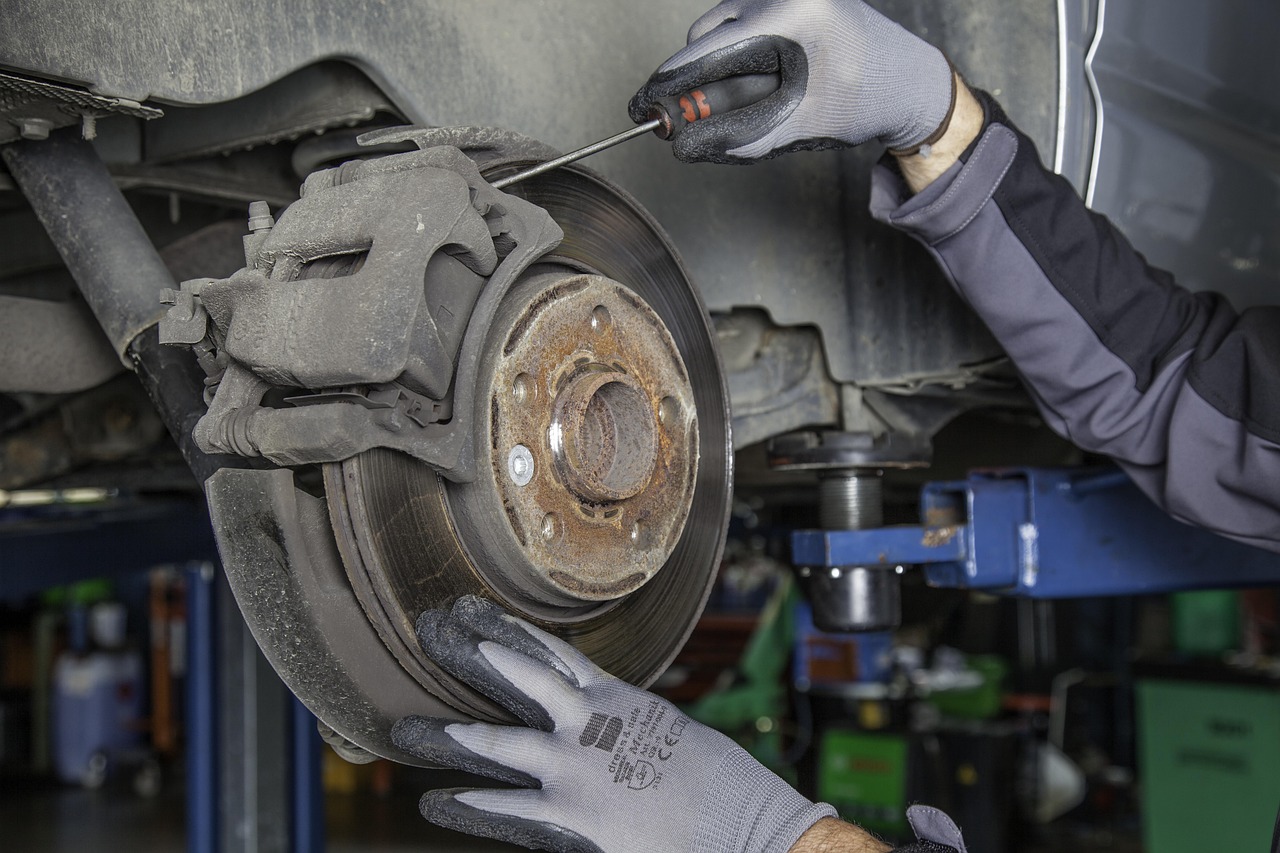
Brake pad replacement is the process of removing worn brake pads and installing new ones so your vehicle can stop safely and effectively. Brake pads are designed to press against the brake rotors when you apply the brakes. This creates the friction needed to slow down or stop your vehicle.
Because brake pads work through friction, they naturally wear down over time. Once they become too thin, they cannot perform properly and may begin to make noise, reduce stopping power, damage the rotors, or create unsafe braking conditions.
At Valvoline Express Care Scarborough, our brake pad replacement service includes reviewing the condition of your brake pads, inspecting related brake components, and recommending replacement when needed.
Brake pads are a key part of your vehicle’s stopping system. Every time you press the brake pedal, the brake pads help convert motion into stopping force. If your brake pads are worn, your braking system may not respond as quickly or smoothly as it should.
Brake pads should never be ignored once they show signs of wear.
When you press the brake pedal, brake fluid pressure moves through the braking system. This pressure causes the brake calipers to press the brake pads against the brake rotors. The contact between the pads and rotors creates friction, which slows the wheels and brings the vehicle to a stop. This process creates heat and wear. Over time, the friction material on the brake pads becomes thinner. When the pads are too worn, they cannot provide the same braking performance.
Brake pads create the friction needed to slow or stop the vehicle.
Good brake pads help brake rotors operate properly. Worn pads can damage the rotor surface.
Proper brake pads help reduce vibration, noise, and harsh braking.
Healthy brake pads help your vehicle stop predictably in daily driving and emergency situations.
You should consider brake pad replacement if you notice any of the following:
If you hear grinding, it may mean the brake pads are severely worn and should be inspected immediately.
Brake noise is one of the most common signs that brake pads may need attention.
Squeaking can happen for several reasons, including moisture, brake dust, pad material, worn brake pads, or wear indicators. If the squealing is persistent, your brake pads should be checked.
Grinding is usually more serious. It may mean the brake pad material is worn down and metal parts are contacting the rotor. This can damage the rotors quickly and reduce braking safety.
A scraping sound may be caused by worn brake pads, debris near the brake system, rotor shield contact, or other brake component concerns.
Clicking may point to loose brake hardware, worn clips, or pad movement. This should be inspected to prevent uneven wear or noise.
Delaying brake pad replacement can create safety concerns and increase repair costs. Possible problems include:
Worn brake pads may reduce your vehicle’s ability to stop quickly and safely.
If pads wear too thin, metal backing can contact the rotor and damage it.
Severely worn pads often create loud grinding sounds when braking.
Worn pads can place extra stress on calipers and related components.
Thin pads may not manage heat as effectively, especially in heavy traffic or repeated braking.
Worn or uneven pads can cause pulling, vibration, or unstable braking.
Replacing pads early can help avoid more expensive rotor or caliper repairs later.
Brake pads are much easier and less expensive to service before they damage other parts of the braking system.
Brake pads wear naturally, but some conditions can make them wear faster.
Most vehicles have brake pads on the front and rear if they use four-wheel disc brakes. However, front and rear brake pads may wear differently.
Front brake pads often wear faster because the front brakes handle a larger portion of braking force, especially during sudden stops.
Rear brake pads help stabilize the vehicle and support balanced braking. They may wear more slowly on some vehicles, but they still require regular inspection and replacement when worn.
Both front and rear brakes are important. A proper brake inspection helps determine which pads need replacement.
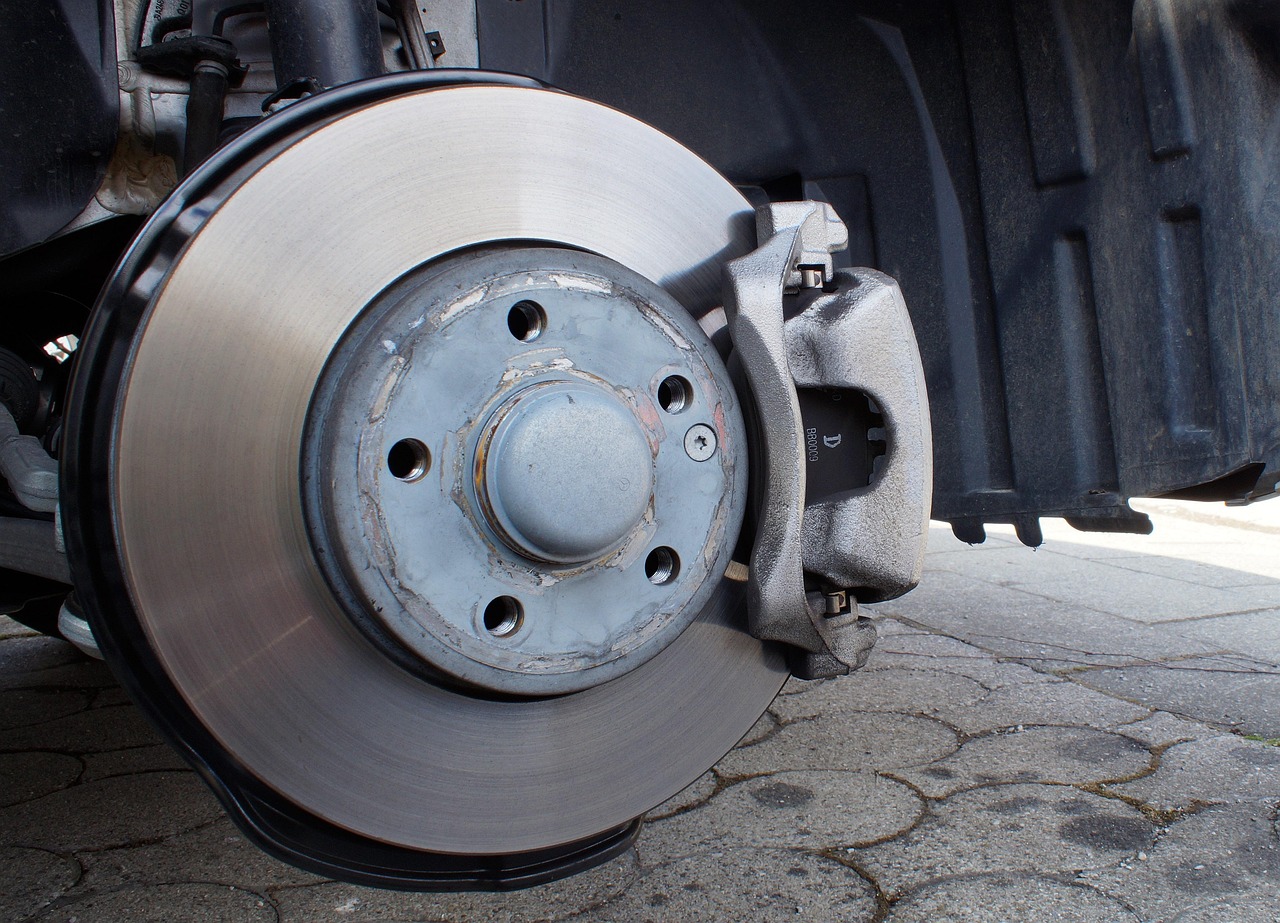
Brake pads and rotors work together. When brake pads are replaced, the rotors should also be inspected. New brake pads need a proper rotor surface to work correctly. If rotors are grooved, warped, rusted, uneven, or too thin, replacing the pads alone may not solve noise, vibration, or braking concerns.
Depending on the rotor condition, rotor resurfacing or replacement may be recommended along with brake pad replacement.
Brake calipers apply pressure to the brake pads. If a caliper is sticking, seized, leaking, or not moving properly, it can cause uneven brake pad wear.
If caliper problems are present, replacing brake pads alone may not fully solve the issue.
Brake fluid is part of the hydraulic system that applies pressure to the brakes. During brake pad replacement, brake fluid level and visible condition should be reviewed.
Brake fluid condition can affect braking performance. If fluid service is needed, the technician should explain the recommendation clearly.
Different vehicles may use different brake pad materials. The right choice depends on vehicle type, driving conditions, performance needs, and manufacturer recommendations.
Ceramic pads are commonly used on many passenger vehicles. They are often quiet, produce less visible brake dust, and offer smooth everyday braking.
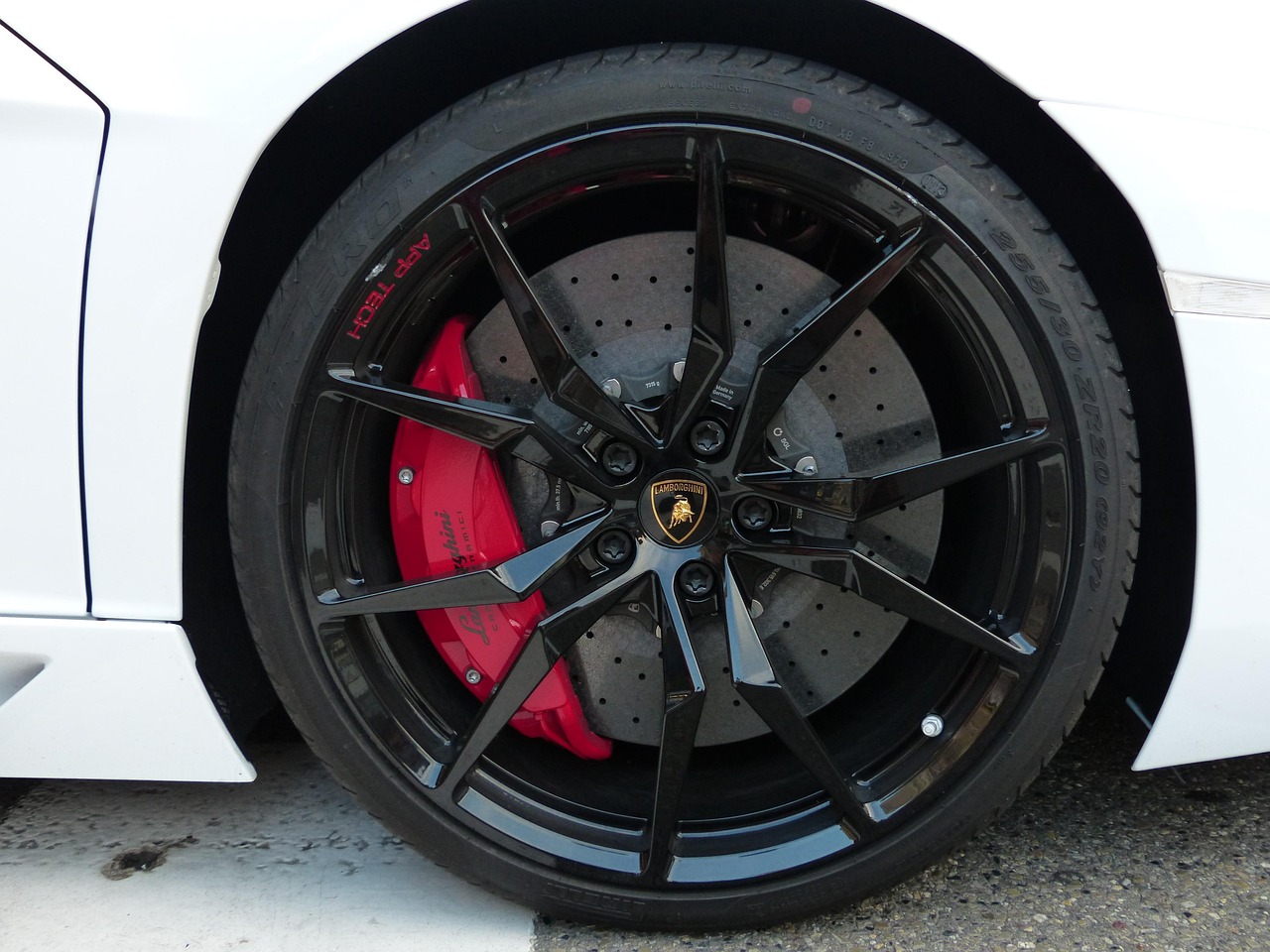
Semi-metallic pads may provide strong braking performance and durability. They may be used for vehicles that require higher heat tolerance or more demanding braking.
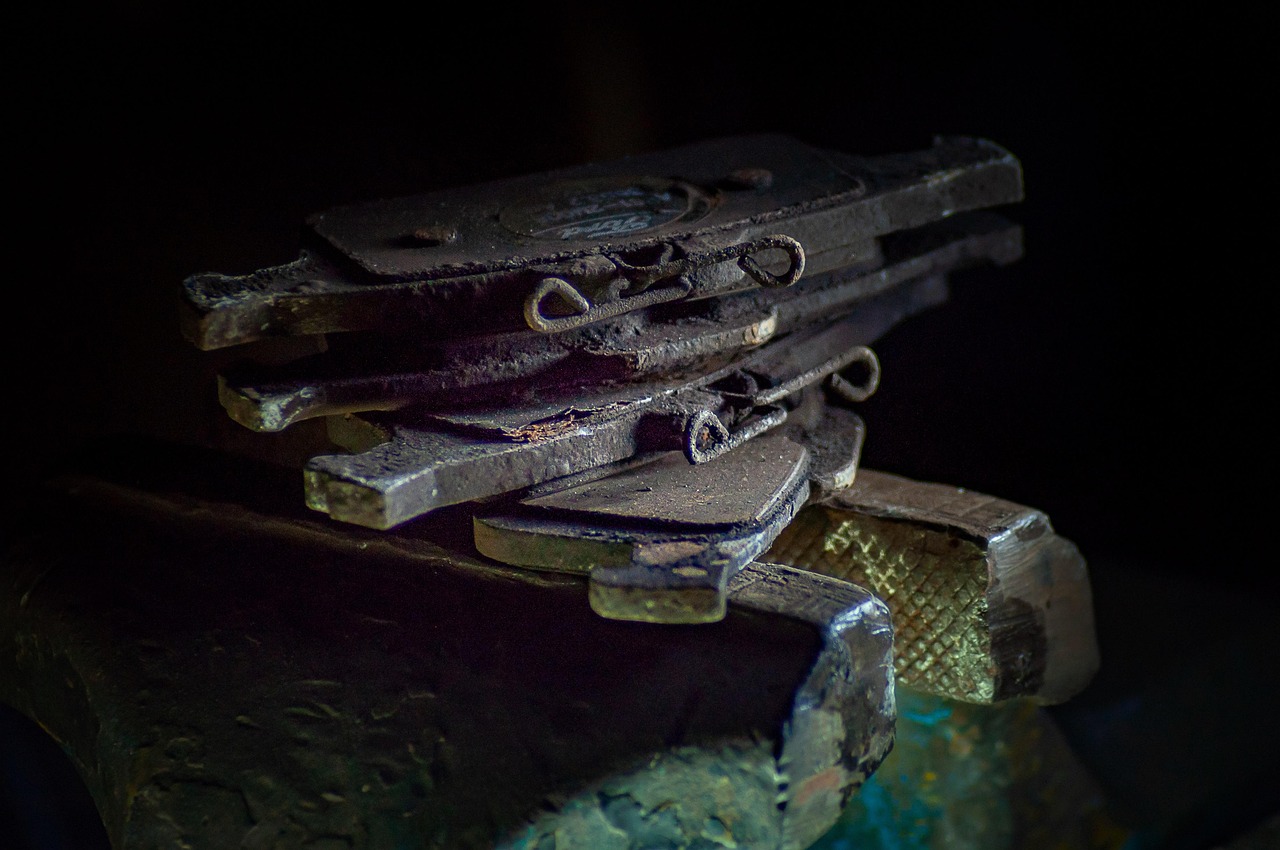
Organic pads are made from softer materials and may provide quiet operation, but they may wear faster depending on driving conditions.
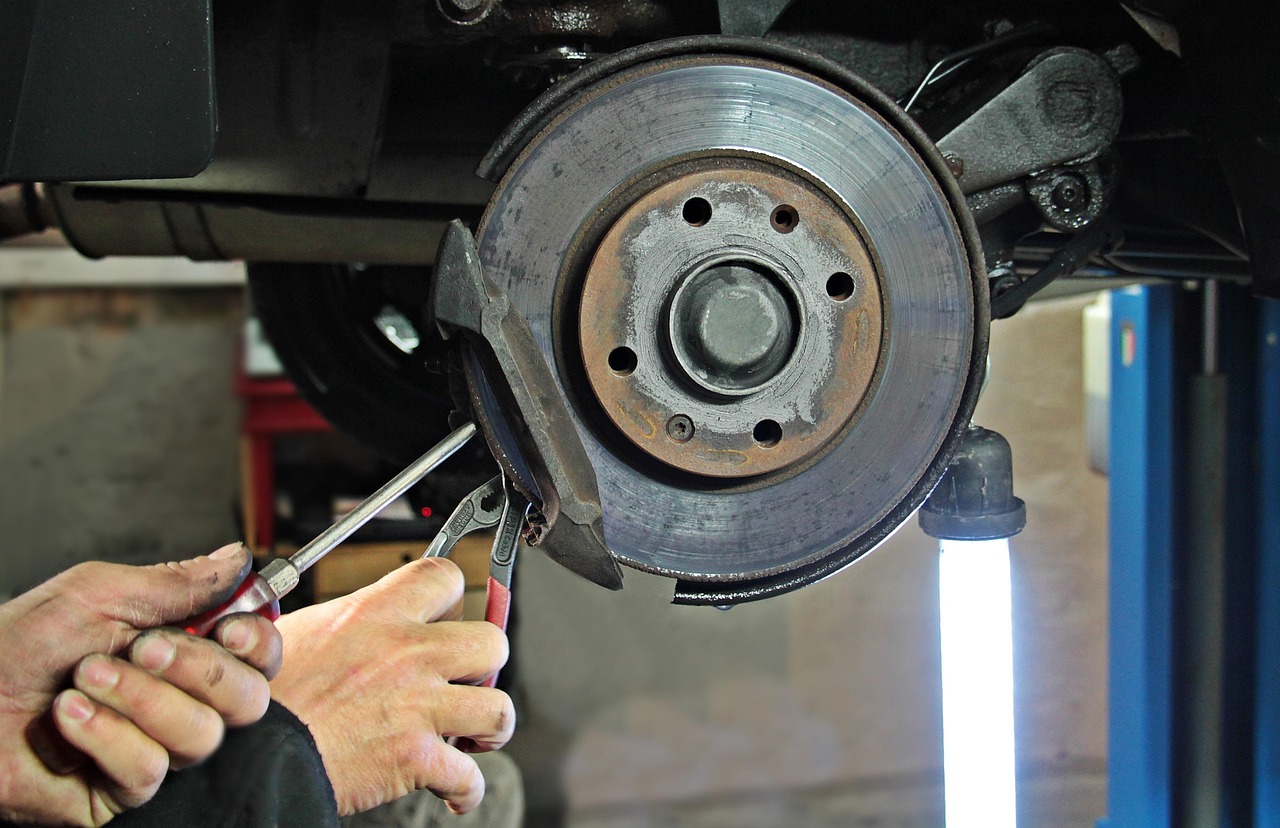
Some vehicles require specific pad types to maintain proper braking performance. The best brake pad choice should match your vehicle’s requirements and driving needs.
Brake pad life varies widely depending on the vehicle, driving style, road conditions, brake pad material, and maintenance history.
The best approach is to have brake pads inspected regularly rather than relying only on mileage.
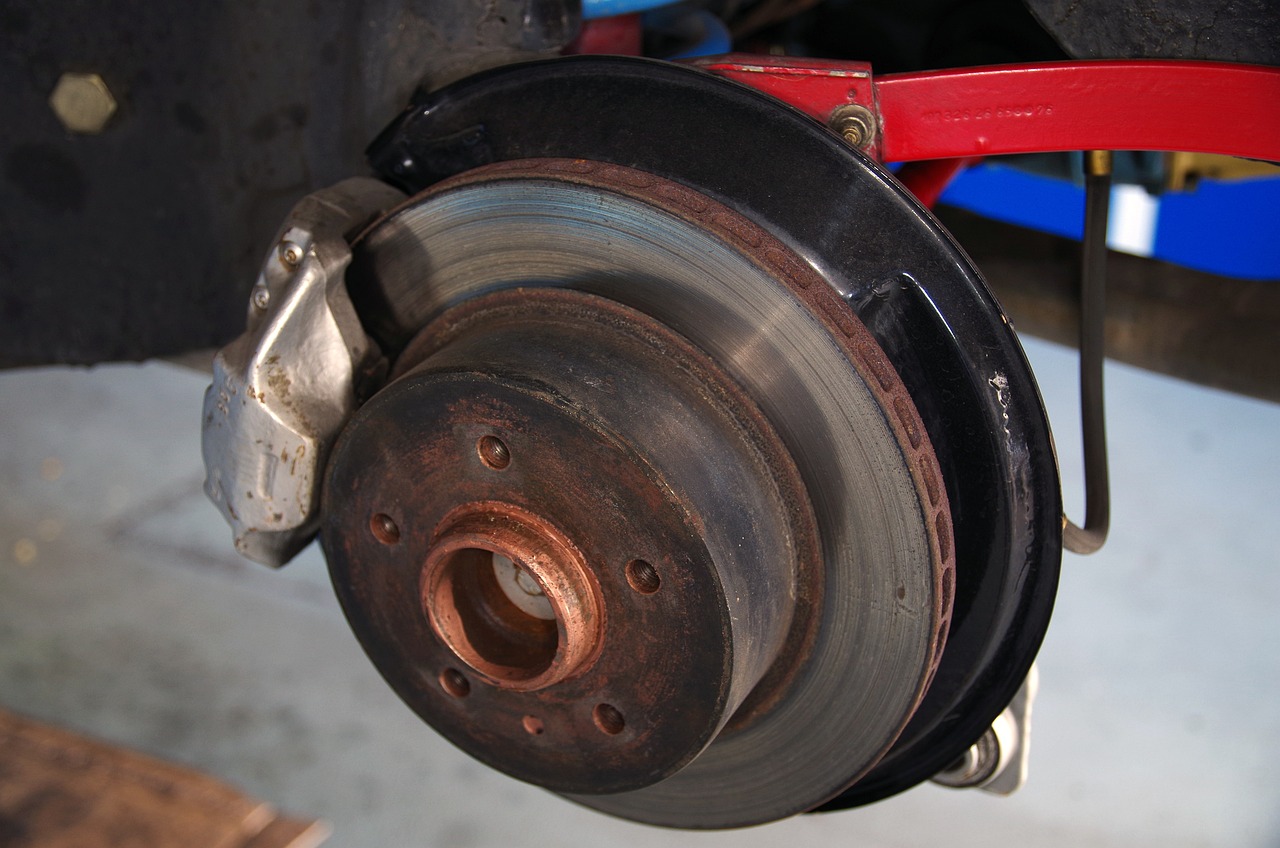
Scarborough and Greater Toronto Area driving can be demanding on brakes. Daily drivers often deal with traffic, frequent stops, winter salt, wet roads, potholes, and changing weather. These conditions can affect brake pad life and brake system condition.
Regular brake pad inspections are especially important for drivers who commute daily or drive in heavy traffic.
At Valvoline Express Care Scarborough, brake pad replacement may include:

We confirm your vehicle details and ask about symptoms such as noise, vibration, grinding, longer stopping distance, or warning lights.
We inspect brake pads, rotors, calipers, and visible brake components to determine what service is needed.
We check whether the pads are worn evenly, too thin, cracked, glazed, or damaged.
We inspect the rotor surface and related hardware to determine whether additional service is recommended.
We explain the brake condition and confirm the recommended service.
If approved, the worn brake pads are removed and new brake pads are installed.
We review the completed work and confirm whether any additional brake service is needed.
A brake inspection checks the condition of the braking system and determines whether the pads or other components need attention.
Brake pad replacement is the actual service of removing worn pads and installing new ones.
A brake inspection should come first so the correct service is recommended.
This replaces worn brake pads.
This addresses rotor problems such as grooves, warping, rust, scoring, uneven surfaces, or thickness concerns.
Sometimes pads can be replaced without rotor replacement. In other cases, rotors may also need service to ensure proper braking performance.
This restores friction material needed to stop the vehicle.
This maintains the hydraulic fluid that transfers braking force.
Both are important, but they serve different purposes. During brake pad replacement, brake fluid should still be checked.
Yes, if only the front or rear brake pads are worn and the other set is still in good condition. However, both sides on the same axle should usually be replaced together to maintain balanced braking.
Replacing only one side can lead to uneven braking and safety concerns.
Driving with worn brake pads is risky. If the pads are only slightly worn, you may have time to schedule service soon. If the brakes are grinding, the pedal feels different, or stopping distance has increased, the vehicle should be inspected immediately.
Your brakes are a safety system. When in doubt, have them checked.
Waiting until brake pads are fully worn can cause damage to other parts of the braking system.
Replacing brake pads at the right time is a smart preventive maintenance decision.
After new brake pads are installed, they may require a short break-in period depending on the pad type and manufacturer recommendation. This helps the new pads and rotors work together properly.
Proper bedding can help support smoother braking and better pad performance.
Before a long drive, road trip, cottage trip, or highway travel, it is smart to have your brakes inspected. If brake pads are close to worn out, replacing them before the trip can help prevent stress and safety concerns.
This provides peace of mind before spending extended time on the road.
Older and high-mileage vehicles may need more frequent brake attention. Over time, rotors, calipers, brake hardware, lines, hoses, and fluid can all be affected by age, mileage, moisture, and corrosion.
Brake pad replacement on older vehicles should include careful inspection of related parts to make sure the system is operating properly.
To help your brake pads last longer:
Good driving habits can help extend brake pad life and improve braking comfort.
New brake pads help restore braking performance and stopping confidence.
Replacing worn pads can help reduce squealing, grinding, and scraping caused by pad wear.
Replacing pads on time helps protect brake rotors from damage.
Healthy brake pads support safer braking in traffic, rain, snow, and emergency stops.
Timely brake pad replacement can help prevent more expensive brake repairs.
You understand what was replaced and why it was needed.
We understand that brake pads are essential to your safety and driving confidence.
We inspect related brake components, including rotors, calipers, hardware, and fluid where applicable.
We explain whether pads need replacement and whether other brake components need attention.
We explain brake concerns in simple, practical language.
We proudly serve Scarborough drivers with reliable brake maintenance and repair support.
We provide professional brake pad inspection and replacement service to help restore braking confidence and keep your vehicle safe on the road.