
Check Engine Light Review

Check Engine Light On? Get It Reviewed Before It Becomes a Bigger Problem

Your check engine light is your vehicle’s way of telling you something needs attention. At Valvoline Express Care Scarborough, we help review check engine light concerns, identify possible causes, and provide clear next-step recommendations so you can drive with confidence.

The Service

What Is a Check Engine Light Review?

A check engine light review is a service that helps identify why your vehicle’s check engine light has turned on. Modern vehicles use onboard computer systems to monitor engine performance, emissions, fuel systems, sensors, and other important components. When the system detects a problem, it stores a diagnostic trouble code and turns on the check engine light.

However, the light itself does not tell the full story. It may point to something simple, such as a loose gas cap, or something more serious, such as an engine misfire, oxygen sensor issue, emissions problem, or fuel system concern.

At Valvoline Express Care Scarborough, we help review the warning light, check for stored codes, inspect visible concerns where applicable, and explain what the issue may mean in simple, practical terms.

Check engine light review
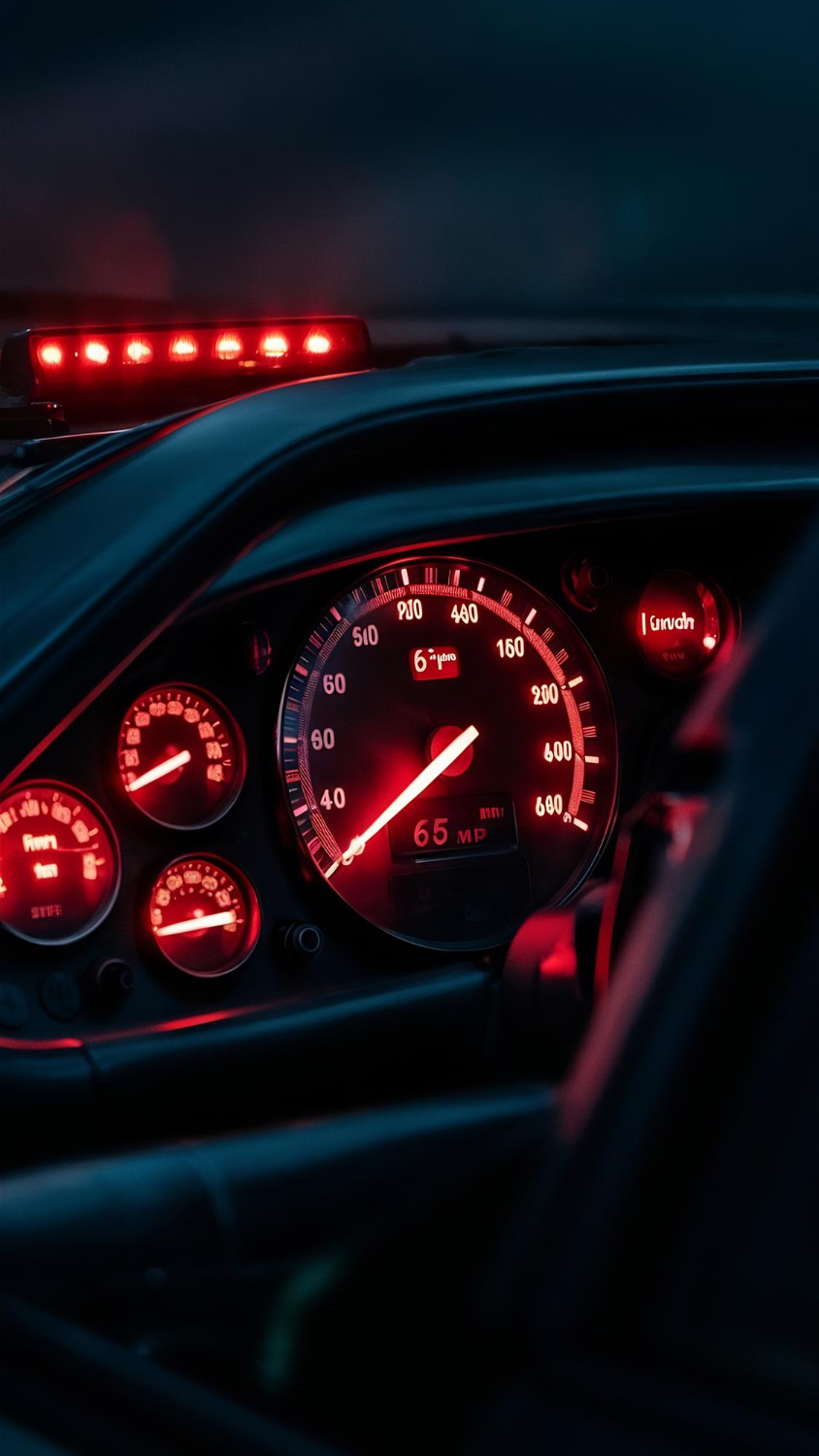
Warning light on the dashboard
Do Not Wait

Why You Should Not Ignore the Check Engine Light

Many drivers continue driving when the check engine light comes on, especially if the vehicle still feels normal. However, ignoring the light can allow a small issue to become a larger and more expensive repair.

A check engine light can affect:

  • Engine performance
  • Fuel economy
  • Emissions
  • Vehicle reliability
  • Starting ability
  • Drivability
  • Long-term engine health

Even if your vehicle seems fine, the onboard system may have detected something that needs attention. A review helps you understand whether the issue is minor, urgent, or requires further diagnostics.

Possible Causes

Common Reasons the Check Engine Light Comes On

The check engine light can be triggered by many different vehicle issues. Some are simple, while others require more detailed inspection.

Loose or damaged gas cap

1. Loose or Damaged Gas Cap

A loose, missing, or damaged gas cap is one of the simplest reasons a check engine light may appear. The gas cap helps seal the fuel system. If it is loose or damaged, the vehicle may detect a fuel vapour leak and turn on the light.

What you may notice
  • Check engine light appears after fueling
  • Fuel smell near the vehicle
  • Light may remain on even after tightening the cap

Why it matters: A faulty gas cap can affect the emissions system and may reduce fuel efficiency. It is usually a simple issue, but it should still be checked if the light stays on.
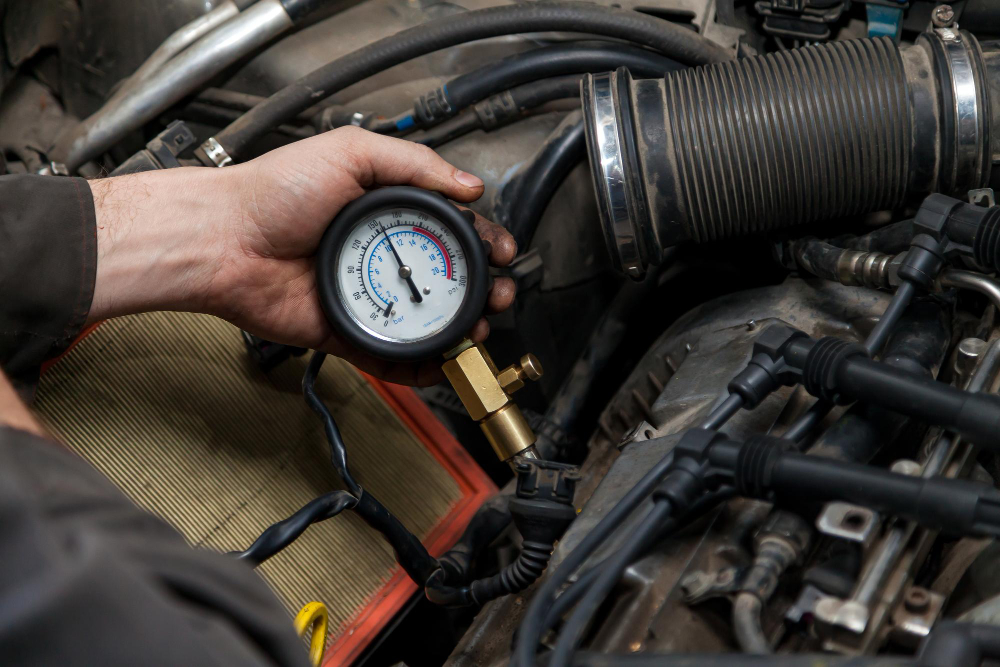
Oxygen sensor issue

2. Oxygen Sensor Issue

Oxygen sensors monitor the amount of oxygen in the exhaust. This information helps the engine computer adjust the air and fuel mixture.

What you may notice
  • Reduced fuel economy
  • Rough performance
  • Check engine light
  • Failed emissions test

Why it matters: If an oxygen sensor is not working properly, your engine may burn more fuel than necessary or run less efficiently. Over time, this can affect performance and other components.

Engine misfire

3. Engine Misfire

An engine misfire happens when one or more cylinders do not fire properly. This can be caused by spark plugs, ignition coils, fuel delivery issues, or other engine concerns.

What you may notice
  • Shaking or vibration
  • Rough idle
  • Loss of power
  • Flashing check engine light
  • Poor acceleration
  • Strong fuel smell

Why it matters: A misfire should be reviewed quickly. If ignored, it can damage the catalytic converter or other engine components.

Spark plug or ignition coil problem

4. Spark Plug or Ignition Coil Problem

Spark plugs and ignition coils help create the spark needed for combustion inside the engine. When they wear out or fail, the engine may run poorly.

What you may notice
  • Hard starting
  • Rough idle
  • Engine hesitation
  • Poor fuel economy
  • Check engine light
  • Misfiring

Why it matters: Worn spark plugs or failing ignition coils can reduce engine performance and may lead to more serious drivability problems.

Mass air flow sensor concern

5. Mass Air Flow Sensor Concern

The mass air flow sensor measures how much air enters the engine. The vehicle uses this information to calculate the right amount of fuel.

What you may notice
  • Poor acceleration
  • Engine hesitation
  • Rough idle
  • Reduced fuel efficiency
  • Stalling

Why it matters: If the engine receives incorrect air flow readings, it may run too rich or too lean, affecting performance and fuel economy.

Emissions system issue

6. Emissions System Issue

Modern vehicles have emissions systems designed to reduce harmful exhaust output. A check engine light may appear if part of this system is not working properly.

What you may notice
  • Check engine light
  • Fuel smell
  • Failed emissions test
  • Reduced performance
  • No obvious symptoms at all

Why it matters: Emissions issues may not always affect how the vehicle feels immediately, but they can still impact fuel efficiency, environmental performance, and inspection results.

Catalytic converter concern

7. Catalytic Converter Concern

The catalytic converter helps reduce harmful exhaust gases. If it is not functioning properly, your vehicle may trigger a check engine light.

What you may notice
  • Poor acceleration
  • Reduced fuel economy
  • Rotten egg smell
  • Excessive heat under the vehicle
  • Failed emissions test

Why it matters: Catalytic converter problems can be expensive. Early diagnosis is important because other issues, such as misfires or fuel problems, can damage the catalytic converter if left unresolved.

Fuel system issue

8. Fuel System Issue

The fuel system delivers fuel to the engine. If fuel delivery is inconsistent, the engine may not run properly.

What you may notice
  • Hard starting
  • Stalling
  • Hesitation
  • Poor acceleration
  • Reduced fuel economy
  • Check engine light

Why it matters: Fuel system problems can affect drivability and may leave you stranded if the issue becomes worse.

Sensor or wiring issue

9. Sensor or Wiring Issue

Modern vehicles rely on many sensors and electrical connections. A damaged wire, poor connection, or failing sensor can trigger the check engine light.

What you may notice
  • Warning light appears randomly
  • Vehicle performance changes
  • Intermittent starting issues
  • Poor fuel economy
  • No obvious symptoms

Why it matters: Electrical and sensor issues can be difficult to identify without proper review. A code scan and inspection can help determine where the problem may be coming from.

Know the Difference

Solid vs. Flashing Check Engine Light

It is important to understand the difference between a steady check engine light and a flashing check engine light.

Less urgent

Steady Check Engine Light

A steady light usually means the vehicle has detected an issue that should be reviewed soon. The vehicle may still feel normal, but the issue should not be ignored.

What to do

Schedule a check engine light review as soon as possible.

More serious

Flashing Check Engine Light

A flashing check engine light is more serious. It often indicates a severe misfire or issue that may damage the catalytic converter or engine if you continue driving.

What to do

Reduce driving immediately. If the vehicle is shaking, losing power, or making unusual noises, stop driving and have the vehicle inspected as soon as possible.

How It Works

What Happens During a Check Engine Light Review?

At Valvoline Express Care Scarborough, we follow a practical process to help you understand why the light may be on.

01

We Listen to Your Concern

We start by asking what you have noticed. This may include:

  • When the light came on
  • Whether the light is steady or flashing
  • Any unusual sounds
  • Changes in performance
  • Recent fueling
  • Rough idle or shaking
  • Hard starting
  • Fuel economy changes

Your description helps guide the review.

02

We Check for Stored Codes

Your vehicle’s onboard computer may store diagnostic trouble codes related to the check engine light. These codes help identify which system detected a problem.

A code is not always the final answer. It is a starting point. For example, a code related to an oxygen sensor does not always mean the oxygen sensor is the only issue — there may be an exhaust leak, wiring issue, fuel mixture problem, or another related concern.

03

We Review the Code Meaning

We interpret the code and explain what it may indicate, in clear language rather than technical confusion. We may explain:

  • Which system is involved
  • Whether the concern appears minor or more serious
  • Whether further diagnostics may be required
  • Whether the vehicle should be serviced soon
  • Whether continued driving may be risky
04

We Perform a Basic Visual Review

Depending on the concern, we may check visible components such as:

  • Gas cap condition
  • Visible engine components
  • Wiring or connectors
  • Fluid levels
  • Hoses
  • Air intake area
  • Signs of leaks
  • Signs of overheating

This helps support a better understanding of the warning light.

05

We Explain the Next Step

After reviewing the light and available information, we provide a clear recommendation. This may include:

  • Monitoring the issue
  • Completing a simple correction
  • Booking further diagnostics
  • Replacing a worn component
  • Performing a maintenance service
  • Avoiding further driving if the issue appears serious

You stay informed before making any service decision.

Not the Same Thing

Check Engine Light Review vs. Engine Diagnostics

A check engine light review and engine diagnostics are related, but they are not always the same.

Step one

Check Engine Light Review

This is usually the first step. It helps identify what warning code is stored and what system may need attention.

Going deeper

Engine Diagnostics

This may involve deeper testing, inspection, and troubleshooting to confirm the exact cause of the problem.

For example, a check engine light review may show a misfire code. Full diagnostics may be needed to confirm whether the issue is caused by spark plugs, ignition coils, fuel delivery, compression concerns, wiring, or another engine problem. A review helps point you in the right direction — diagnostics help confirm the root cause.

Warning Signs

Signs You Should Book a Check Engine Light Review

You should book a review if any of these apply to your vehicle. When in doubt, it is safer to have the warning light reviewed.

  • The check engine light is on
  • The light comes on after fueling
  • The light turns on and off randomly
  • The vehicle feels rough
  • The vehicle loses power
  • Fuel economy has dropped
  • The vehicle shakes or vibrates
  • The vehicle hesitates when accelerating
  • You smell fuel or burning odours
  • The engine is louder than usual
  • You recently failed an emissions test
  • You want peace of mind before a long drive
Common Question

Can I Drive With the Check Engine Light On?

This depends on the condition of the light and how the vehicle feels.

If the light is steady and the vehicle feels normal, you may be able to drive for a short time, but you should schedule a review soon.

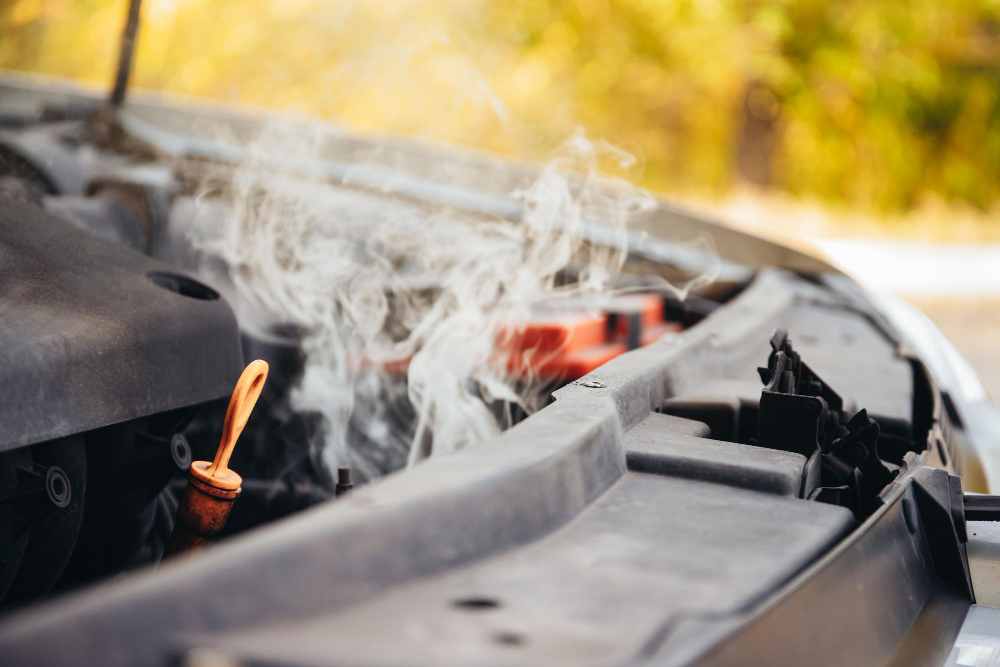
If the light is flashing, or if the vehicle is shaking, overheating, losing power, smoking, or making unusual noises, it is better to stop driving and have the vehicle checked immediately.

When in doubt, it is safer to have the warning light reviewed.

Common Question

Why the Light May Come Back After Being Cleared

Some drivers ask to have the check engine light cleared. While a light can sometimes be reset, clearing the code does not fix the underlying issue.

If the problem is still present, the light will usually return.

The proper approach is to identify why the light came on, explain what the code means, and recommend the right next step. This helps avoid repeated warning lights and unnecessary frustration.

Before Your Visit

What Customers Should Know Before Coming In

Before visiting for a check engine light review, it helps to notice a few details:

  • Is the light steady or flashing?
  • When did it first appear?
  • Did it appear after refueling?
  • Is the vehicle driving normally?
  • Are there any sounds, smells, or vibrations?
  • Has the vehicle recently had repairs?
  • Has fuel economy changed?
  • Does the light turn on and off?

You do not need to know the answer to everything, but any information you provide can help the technician understand the concern faster.

Customer discussing a warning light with a technician
Key Benefits

Benefits of a Professional Check Engine Light Review

Clear Answers

You receive a better understanding of what may be causing the warning light.

Early Problem Detection

Small issues can often be found before they become larger repairs.

Better Vehicle Performance

Reviewing warning lights can help restore smoother driving and better fuel efficiency.

Reduced Repair Guesswork

A proper review helps avoid unnecessary parts replacement.

Greater Peace of Mind

You know whether the issue is minor, urgent, or needs further diagnostics.

Local & Trusted

Why Choose Valvoline Express Care Scarborough?

Valvoline Express Care service bay

Professional Service

Our team helps review warning lights and vehicle concerns with care and attention.

Clear Communication

We explain what we find in simple terms so you understand your options.

Honest Recommendations

We focus on what your vehicle needs and avoid unnecessary pressure.

Convenient Local Auto Care

We proudly serve drivers in Scarborough with reliable vehicle maintenance and repair support.

Customer-First Approach

We want every customer to feel informed, respected, and confident about their vehicle service.

Ready When You Are

Book Your Check Engine Light Review Today

Your check engine light is your vehicle’s way of telling you something needs attention. We help review the concern, identify possible causes, and provide clear next-step recommendations so you can drive with confidence.