Pedal to Master Cylinder
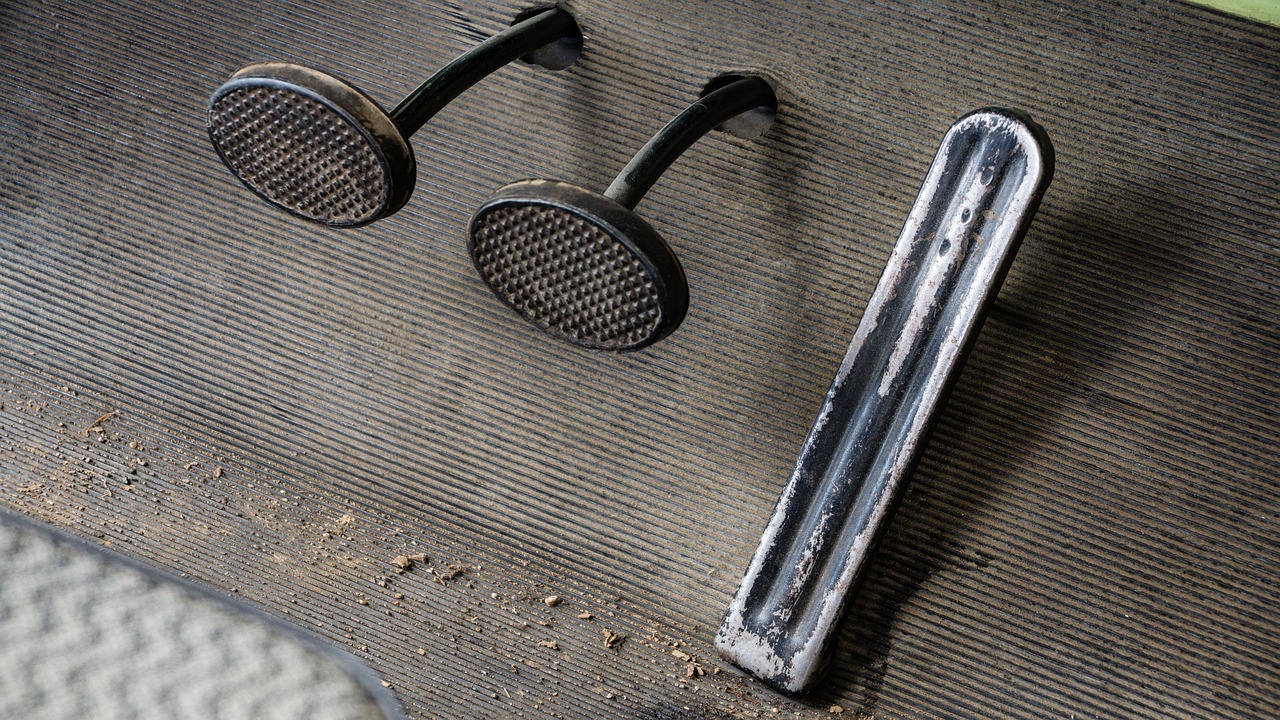
The pedal activates the master cylinder.
Brake fluid plays a critical role in helping your vehicle stop safely. If the fluid is low, old, contaminated, or leaking, your brakes may feel soft, weak, or less responsive. At Valvoline Express Care Scarborough, we check your brake fluid level and visible condition, review warning signs, and provide clear recommendations to help keep your braking system safe and reliable.
A brake fluid check is a review of the fluid that helps transfer pressure from your brake pedal to the braking system. When you press the brake pedal, brake fluid moves through brake lines and hoses to help activate the brake calipers or wheel cylinders. This pressure allows the brake pads or shoes to press against the rotors or drums, slowing or stopping the vehicle.
Brake fluid must be at the correct level and in good condition for your braking system to work properly. Over time, brake fluid can become contaminated, absorb moisture, or drop due to leaks or brake component wear.
At Valvoline Express Care Scarborough, our brake fluid check helps identify visible concerns such as low fluid level, discoloured fluid, signs of contamination, leaks, or warning lights that may need further attention.
Brake fluid is one of the most important fluids in your vehicle. Without it, the pressure from your foot on the brake pedal cannot properly reach the brake components.
If brake fluid is low or contaminated, your vehicle may not stop the way it should.
Brake fluid works inside a sealed hydraulic system. Its main job is to transfer force. When you press the brake pedal:
The pedal activates the master cylinder.
The master cylinder pushes brake fluid through the brake lines.
Brake fluid creates hydraulic pressure.
That pressure activates the brake calipers or wheel cylinders.
The brake pads or shoes press against the rotors or drums.
The vehicle slows down or stops.
Because brake fluid is responsible for transferring braking force, its condition directly affects braking performance.
You should schedule a brake fluid check if you notice any of the following:
A soft brake pedal, low fluid level, or visible brake fluid leak should be taken seriously.
Low brake fluid can reduce hydraulic pressure and affect braking performance. In some cases, low brake fluid may also indicate a leak or worn brake components.
The pedal may feel spongy, weak, or less firm than normal.
Your vehicle may take longer to slow down or stop.
Many vehicles have a warning light that may appear when brake fluid is low.
Brakes may not respond as quickly or strongly as expected.
If fluid loss is caused by a leak, braking ability may become seriously reduced.
Low brake fluid should not simply be topped up without understanding why the level dropped.
Brake fluid may become low for several reasons.
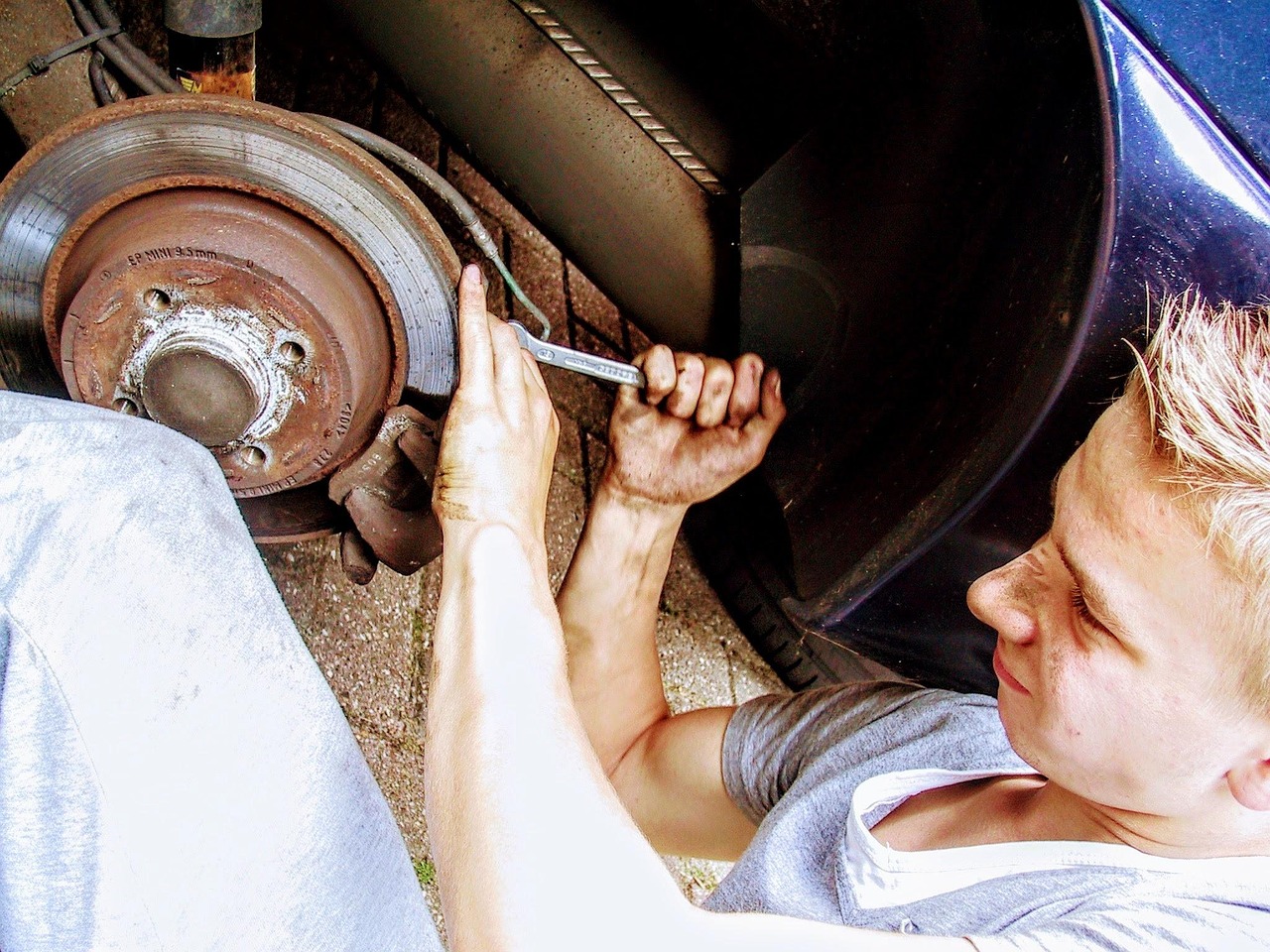
As brake pads wear down, caliper pistons may move farther out to compensate. This can cause the fluid level in the reservoir to drop gradually.
Why It Matters: A slightly lower fluid level may be related to normal brake wear, but the brake pads should be inspected.
A leak can happen in brake lines, hoses, calipers, wheel cylinders, master cylinder, or other hydraulic components.
Why It Matters: A brake fluid leak is serious because the braking system depends on hydraulic pressure.
If brake work was recently performed, the fluid level may need to be reviewed to ensure it is correct.
Road salt, corrosion, age, and physical damage can affect brake lines and hoses.
Why It Matters: Damaged lines or hoses can leak or weaken under pressure.
The master cylinder is the main hydraulic component that pushes brake fluid through the system.
Why It Matters: A failing master cylinder can affect pedal feel and braking performance.
Brake fluid can become dirty, dark, or contaminated over time. It can also absorb moisture from the air. Brake fluid is hygroscopic, which means it naturally attracts moisture.
Moisture-contaminated brake fluid can create problems because braking systems generate heat. If moisture inside the fluid reaches high temperatures, it can reduce braking performance and contribute to a soft pedal or brake fade.
Brake fluid condition matters because it protects both braking performance and internal system components.
Brake fluid can absorb moisture over time, even in a sealed system. Moisture is harmful because it can lower the fluid’s boiling point and contribute to corrosion.
When brake fluid contains moisture, it can boil more easily under heavy braking. This can create vapour in the system and reduce braking performance.
Moisture can contribute to rust or corrosion inside brake lines, calipers, ABS components, and other parts.
Air or vapour in the hydraulic system can make the brake pedal feel soft or spongy.
Contaminated fluid may not protect the system as effectively. This is why brake fluid should be checked regularly and replaced according to manufacturer recommendations.
Brake fade happens when braking performance decreases, often due to heat. If brake fluid is old or contaminated with moisture, it may be more likely to boil during heavy braking.
When brake fade occurs, the pedal may feel softer, and the vehicle may take longer to stop. A brake fluid check helps identify whether fluid condition may be contributing to brake performance concerns.
Different vehicles require different types of brake fluid. Common brake fluid types include:
The correct brake fluid type depends on your vehicle manufacturer’s requirements. The wrong type of brake fluid can affect braking performance and may damage components.
At Valvoline Express Care Scarborough, we help ensure your vehicle receives the correct brake fluid recommendation when service is needed.
Brake fluid should never be chosen by colour alone. Always follow the vehicle manufacturer’s recommendation.
Many customers confuse a brake fluid check with a brake fluid flush or brake fluid service.
A brake fluid check reviews the fluid level and visible condition. It helps identify whether the fluid appears low, dark, contaminated, or in need of further service.
A brake fluid flush or service removes old fluid and replaces it with fresh brake fluid that meets your vehicle’s requirements.
A brake fluid check helps determine whether a brake fluid service may be recommended.
Focuses mainly on fluid level, visible condition, and possible fluid-related concerns.
Reviews brake pads, rotors, calipers, brake fluid, brake lines, hoses, hardware, and visible brake system components.
If your brake pedal feels different, your vehicle takes longer to stop, or you hear brake noise, a full brake inspection may be recommended along with the brake fluid check.
Brake fluid leaks can appear near wheels, under the vehicle, or around brake components.
Brake fluid is usually clear to amber when new and may become darker over time. It can feel slippery and may have a distinct chemical smell.
A brake fluid leak should be inspected immediately because it can affect stopping ability.
Driving with low brake fluid can be dangerous. If brake fluid is low because of a leak, the braking system may lose hydraulic pressure and braking ability may be reduced.
If any of these signs are present, have the vehicle inspected as soon as possible.
Adding brake fluid may temporarily raise the level, but it does not fix the reason the fluid was low. Brake fluid may be low because brake pads are worn or because there is a leak.
Simply topping up brake fluid without inspection may hide an important safety issue.
Modern vehicles often have ABS, or Anti-lock Braking System. ABS helps prevent wheel lock-up during hard braking and helps maintain steering control.
Brake fluid is used throughout the hydraulic system, including ABS-related components. Contaminated or low brake fluid can affect overall brake performance and may contribute to ABS warning concerns.
If the ABS light is on, further review may be needed to determine whether the issue is related to fluid, sensors, wiring, or ABS components.
A brake warning light may appear for several reasons. Common causes include:
If the brake warning light is on, do not ignore it. A brake fluid check is a good first step, but a full brake inspection may also be needed.
Scarborough and GTA drivers deal with conditions that can affect the braking system over time.
Moisture, road salt, and frequent braking can all contribute to brake system wear and corrosion. Regular brake fluid checks are especially important for vehicles driven year-round in Ontario.
Brake fluid should be checked regularly as part of vehicle maintenance. Good times to check brake fluid include:
Your vehicle owner’s manual provides the best guidance for recommended brake fluid service intervals.
At Valvoline Express Care Scarborough, our brake fluid check may include:
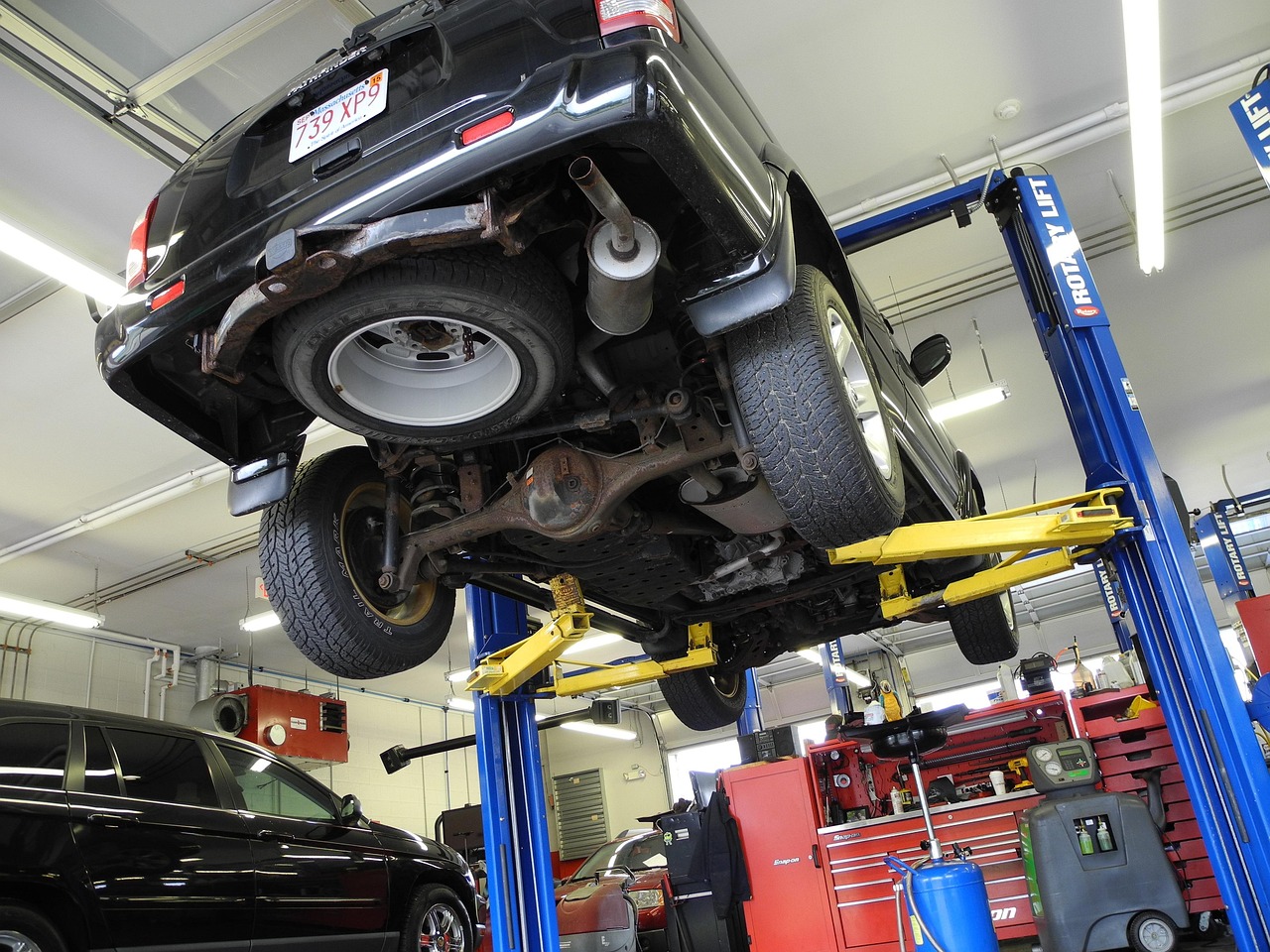
We ask whether you have noticed warning lights, soft pedal feel, longer stopping distance, fluid leaks, brake noise, or recent brake service.
We check the level in the brake fluid reservoir and compare it to the proper range.
We review the visible condition of the fluid and check whether it appears dark, dirty, or contaminated.
Where accessible, we check for signs of brake fluid leaks around visible brake components.
If there are symptoms such as soft pedal, warning lights, or poor braking, we may recommend a complete brake inspection.
We explain what we found in simple terms.
If needed, we recommend the appropriate next step, such as brake fluid service, brake inspection, leak repair, brake pad inspection, or further diagnostics.
A brake fluid service may be recommended if:
Fresh brake fluid helps support safe braking and protects internal components.
Sometimes a brake fluid check reveals signs that a deeper brake inspection is needed. Further inspection may be recommended if:
Brake fluid is part of a larger system. If there is a warning sign, the full brake system may need review.
To protect your brake system:
Brake fluid maintenance is a small step that supports a very important safety system.
Before a long drive, cottage trip, family road trip, or highway commute, a brake fluid check can provide peace of mind.
Brakes are especially important during long-distance driving, high-speed travel, and emergency stops.
Older and high-mileage vehicles should pay close attention to brake fluid because brake system components may be more affected by age, corrosion, and wear.
Older vehicles may need more frequent brake system inspections.
Proper fluid level and condition help support safe brake response.
Low fluid or fluid leaks can be identified before they become serious.
Good brake fluid helps maintain firm and predictable pedal response.
Proper fluid maintenance helps protect internal brake components.
Fresh, clean fluid helps handle braking heat more effectively.
You know whether your brake fluid appears healthy or needs attention.
Brake fluid affects your stopping ability, and we take that seriously.
We explain the fluid condition and what it may mean for your vehicle.
If your fluid looks good, we tell you. If service is needed, we explain why.
We can also review brake pads, rotors, calipers, brake lines, hoses, and warning lights where applicable.
We understand the effect of Ontario weather, road salt, traffic, and daily commuting on braking systems.
We check your brake fluid level and visible condition, review warning signs, and provide clear recommendations to help keep your braking system safe and reliable.