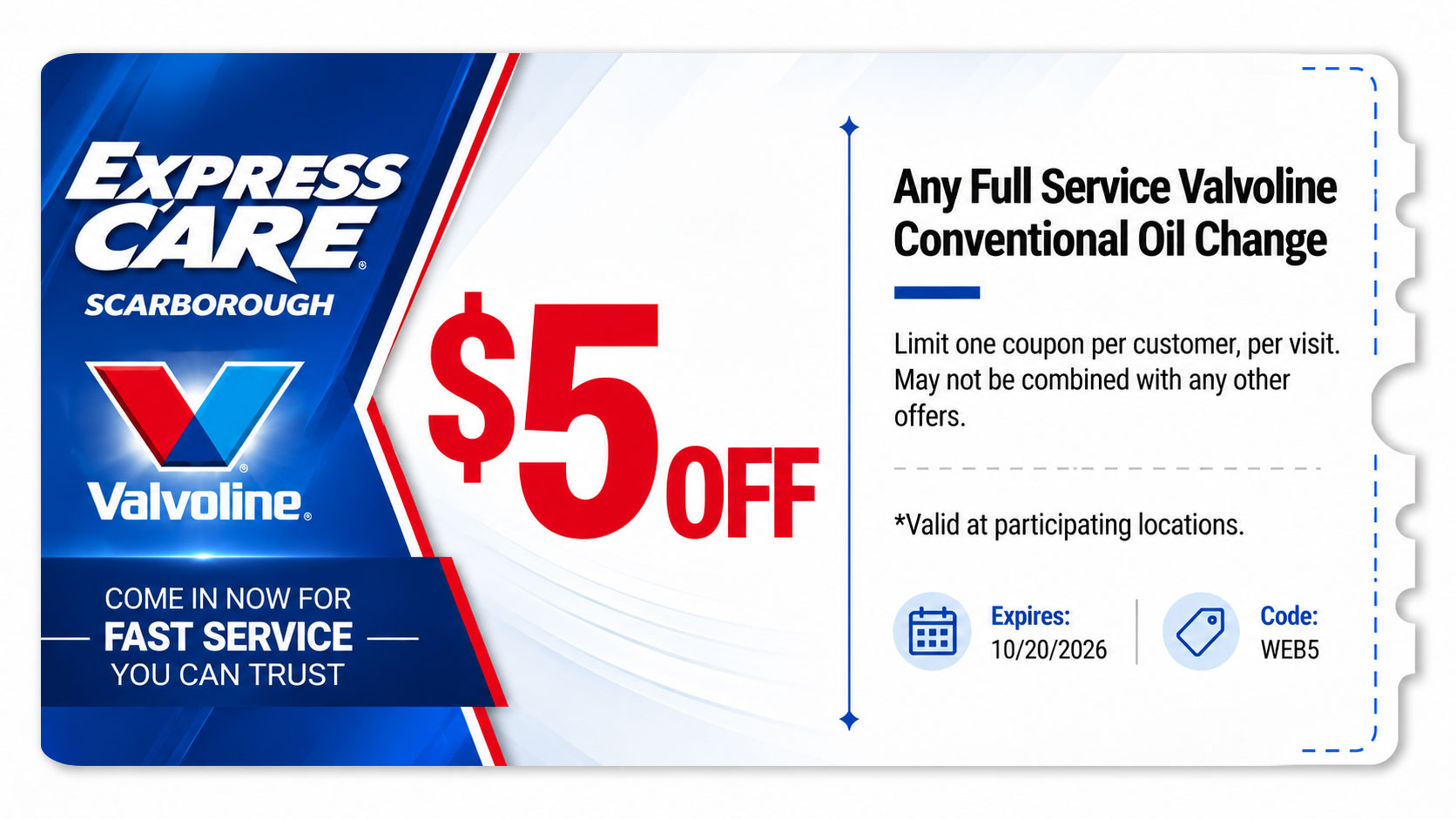
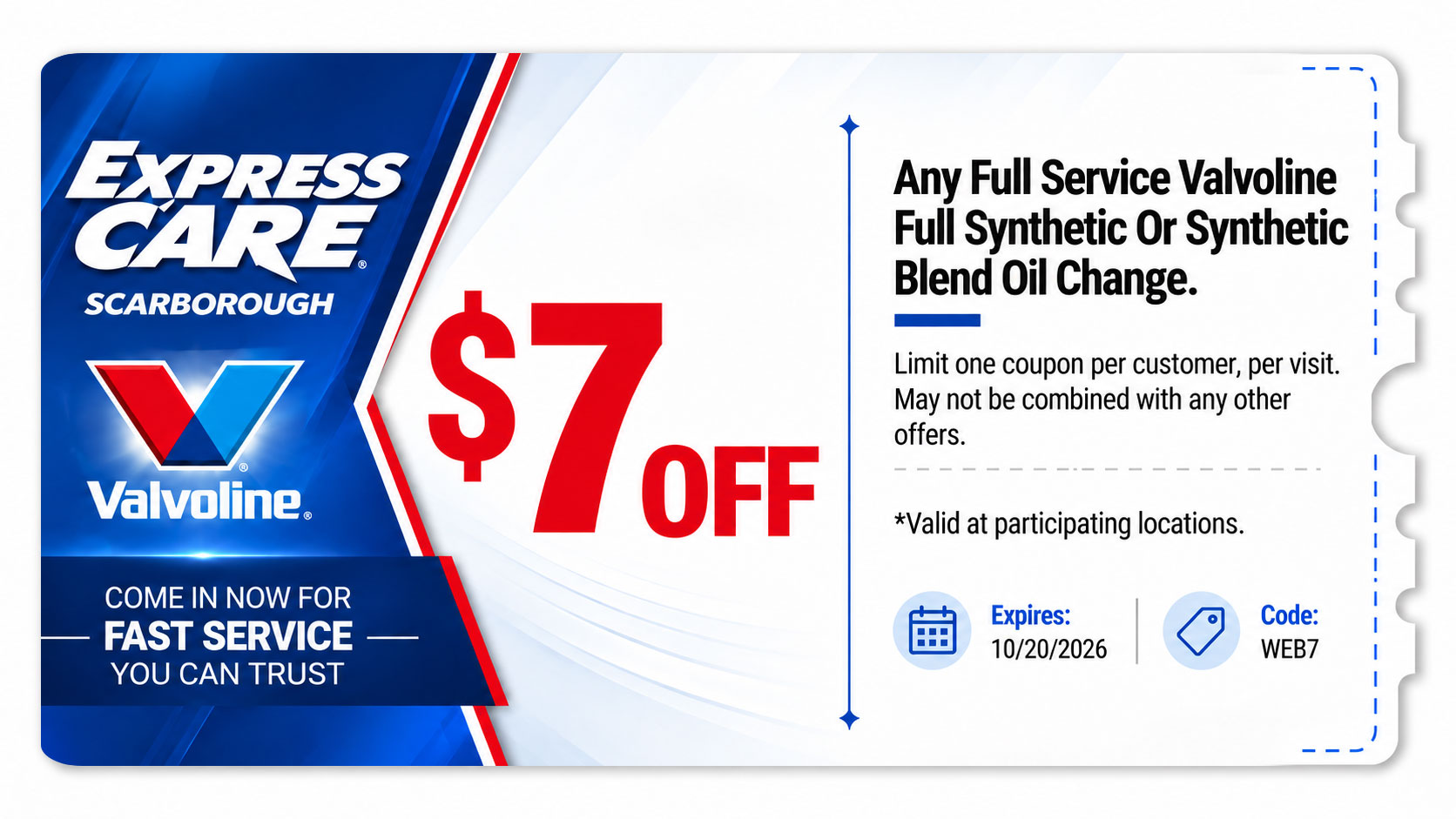
Oil change timing depends on your vehicle, oil type, driving conditions, and manufacturer recommendations. Your owner’s manual is the best guide, especially because some vehicles have different intervals for regular and severe driving conditions.
FAQs
Frequently Asked Questions About Your Vehicle and Our Services
Straight answers to the questions Scarborough drivers ask us most — from oil changes and warning lights to brakes, tires, batteries, heating and cooling, lights and wipers, and undercarriage concerns. Pick a category below, or call us and describe what you have noticed.
Before You Start
How to Use This Page
These answers cover the concerns drivers raise most often. They are general guidance meant to help you understand what a symptom might mean and how urgent it is — not a diagnosis of your specific vehicle.
A few things worth knowing:
- Your owner’s manual is the authority on intervals, fluid types, and specifications
- The same symptom can have several different causes
- A warning code points to a system, not always to the exact failed part
- Anything involving brakes, fuel, or overheating should be treated as urgent
- If a symptom appeared suddenly after an impact, have it inspected
- When in doubt, call us and describe what you noticed
Cannot find your question? Send us a message or call (416) 293-4141 and we will walk you through it.
Answers by Category
Choose a Service Category
Nine categories, ten questions each. Tap a question to open the answer.
Oil Change
Intervals, oil types, filters, and what an oil spot on the driveway might mean.
Engine oil lubricates moving engine parts, helps reduce friction, supports engine protection, and helps keep contaminants suspended until the oil is changed.
Old oil can become dirty, thicker, and less effective. This can reduce lubrication and increase wear on engine components.
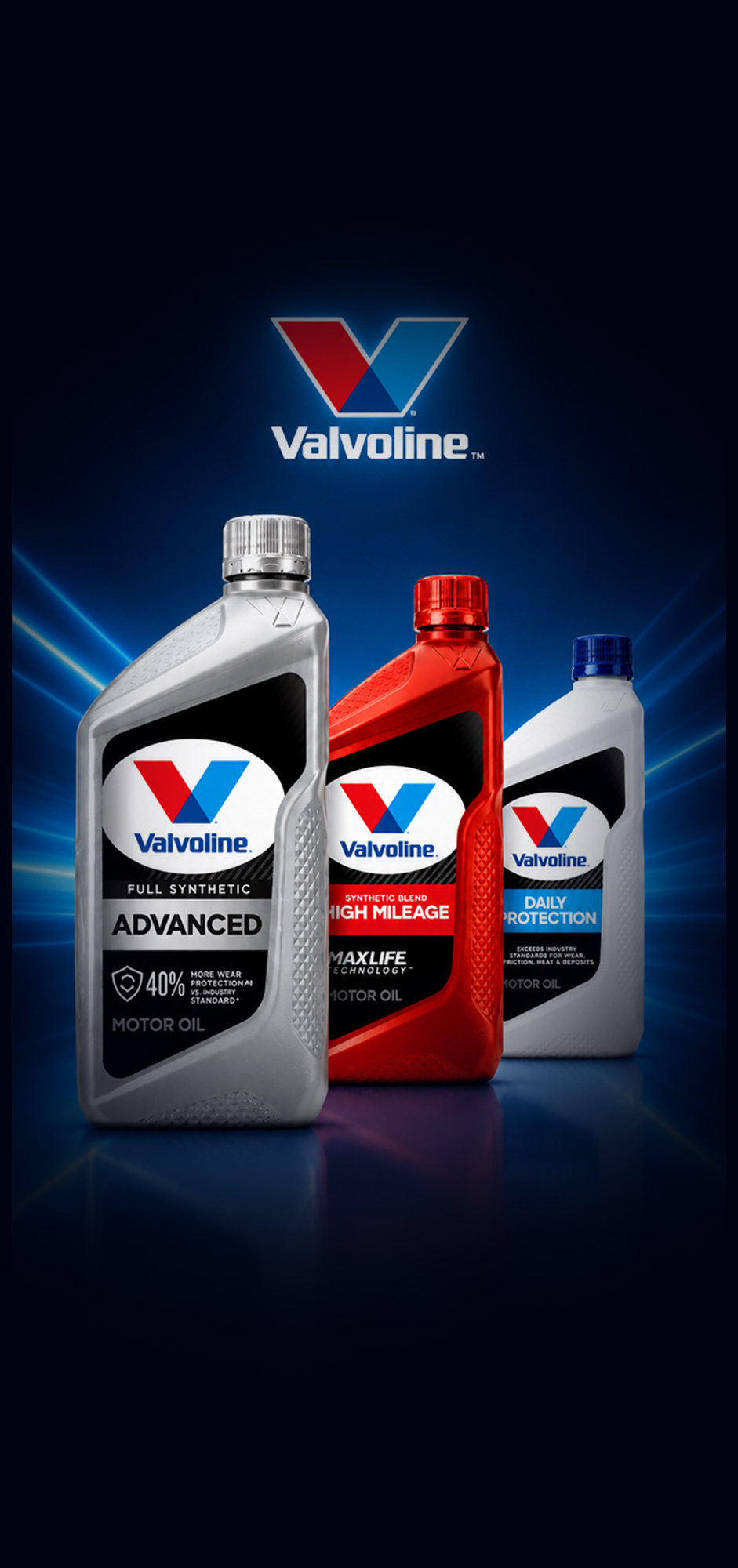
That depends on your vehicle manufacturer’s recommendation. Options may include conventional, synthetic blend, full synthetic, high-mileage, or diesel motor oil.
Full synthetic oil generally provides advanced protection and performs well in demanding conditions, but the right choice depends on your vehicle and manufacturer specifications.
Yes. A full-service oil change includes a new oil filter.
Possible causes include a loose drain plug, damaged washer, loose oil filter, oil filter gasket issue, spilled oil from service, or a pre-existing leak.
A small oil leak may allow short-term driving, but oil level should be monitored and the leak should be inspected before it worsens.
Stop driving safely and turn off the engine. Low oil pressure can cause serious engine damage.
Yes. Air filter inspection and replacement can often be handled during routine maintenance or oil change service.
Engine Care
Diagnostics, the check engine light, air filters, belts, hoses, and the coolant system.
Engine diagnostics is the process of checking your vehicle’s computer system, warning codes, symptoms, and visible components to help identify engine or performance-related problems.
No. Diagnostics can also help when your vehicle runs rough, loses power, stalls, uses more fuel, makes unusual noises, or feels different while driving.
The check engine light means your vehicle’s onboard system has detected a problem related to the engine, emissions, fuel system, sensors, or related components.
A flashing check engine light is usually more serious. It may indicate a misfire or condition that can cause damage. Stop driving if the vehicle feels rough, shakes, or loses power.
The light can sometimes be cleared, but if the issue is not fixed, it will likely return. It is better to understand and address the cause.
The engine air filter cleans the air before it enters your engine. It helps block dust, dirt, and debris from reaching internal engine components.
A dirty air filter may appear dark, dusty, clogged, or filled with debris. You may also notice poor acceleration, lower fuel economy, or rough engine performance.
Common signs include squealing noises, cracks, fraying, glazing, battery warning lights, overheating, or difficulty steering.
Common signs include cracks, leaks, swelling, soft spots, coolant smell, overheating, hissing sounds, rough idle, or fluid under the vehicle.
You may notice a low coolant warning, rising temperature gauge, poor cabin heat, coolant smell, or visible low level in the reservoir.
Tires & Wheels
Tread and pressure, rotation and balancing, flat repairs, and the seasonal changeover.
Tires should be checked regularly, especially during oil changes, seasonal changes, before long trips, and whenever you notice vibration, pulling, low pressure, or uneven wear.
Common signs include low tread depth, uneven wear, cracks, bulges, exposed cords, poor traction, vibration, or repeated air loss.
The tire pressure light may come on because one or more tires are underinflated, there is a slow leak, the temperature changed, or there is a TPMS sensor issue.
No. The sidewall usually shows maximum tire pressure, not the recommended pressure for your vehicle. Use the sticker inside the driver’s door or the owner’s manual.
Cold temperatures can cause tire pressure to drop. This is common in Canadian fall and winter conditions.
Tire rotation is the process of moving tires from one position on the vehicle to another to help promote even tread wear.
No. Rotation changes tire positions. Balancing corrects uneven weight distribution in the tire and wheel assembly.
Common signs include steering wheel vibration, shaking at highway speeds, uneven tire wear, and a rough ride.
No. A tire can only be repaired if the damage is in a safe repair area, the puncture is not too large, and the tire is otherwise in good condition.
A common guideline is to switch when temperatures are consistently around 7°C or lower.
Brakes
Noises, pedal feel, warning lights, pads and rotors, and brake fluid.
Common signs include squeaking, grinding, vibration, longer stopping distance, pulling, soft brake pedal, brake warning lights, or reduced braking confidence.
Grinding often means brake pads are severely worn and metal may be contacting the rotor. This should be inspected immediately.
Brake vibration may be caused by rotor issues, uneven pad deposits, tire problems, wheel issues, or suspension concerns.
A soft or spongy brake pedal may indicate air in the brake system, low brake fluid, contaminated fluid, or a hydraulic concern.
You should have it checked as soon as possible. If braking feels weak or the pedal feels abnormal, stop driving and seek service immediately.
No. The ABS light relates to the anti-lock braking system. The brake warning light may indicate a more general brake system concern.
Not always. It depends on rotor condition. If rotors are worn, grooved, warped, rusted, or too thin, rotor service may be recommended.
Yes. If brake pads wear too thin, the metal backing can damage the rotors and increase repair costs.
Brake fluid should not be topped up without understanding why it is low. Low fluid may indicate worn brake pads or a leak.
Rain can create temporary rotor rust or moisture-related squeaking. Persistent noise may indicate another concern.
Battery & Electrical
Batteries, alternators, starters, warning lights, and exterior lighting.
You should test your battery if your vehicle starts slowly, clicks when starting, needs jump-starts, has dim lights, or shows a battery warning light.
Repeated battery drain may be caused by a weak battery, alternator issue, parasitic drain, loose connection, corrosion, or accessories being left on.
Yes. Cold weather reduces battery power and makes the engine harder to start.
If the battery is weak, old, or testing poorly, replacing it before winter is a smart way to prevent cold-weather no-start problems.
The alternator charges your battery while the engine is running and powers many electrical systems in your vehicle.
No. The battery warning light often points to a charging system issue, which may involve the alternator, belt, battery, cables, or connections.
Common signs include clicking, no crank, grinding, whirring, intermittent starting, or a good battery with no engine crank.
Clicking can be caused by a weak battery, poor connection, starter issue, or electrical concern.
A red light usually means the issue may be urgent. You may need to stop driving safely and have the vehicle checked.
Repeated bulb failure may be caused by moisture, poor connections, incorrect bulbs, voltage problems, vibration, or housing issues.
Suspension & Steering
Clunks, bounce, pulling, vibration, shocks and struts, ball joints, and control arms.
The suspension system helps absorb road impact, support vehicle stability, keep tires in contact with the road, and improve ride comfort.
Clunking may be caused by worn sway bar links, ball joints, control arms, bushings, struts, or other loose suspension components.
Loose steering may be caused by worn tie rods, ball joints, steering rack wear, suspension issues, bushings, or alignment concerns.
Pulling may be caused by tire pressure, alignment, brake drag, suspension wear, steering issues, or tire problems.
No. Suspension service checks or replaces worn parts. Alignment adjusts wheel angles. Worn suspension parts should be addressed before alignment.
No. They perform similar ride-control functions, but struts are usually structural suspension components, while shocks are typically separate components.
A bouncy ride may be caused by worn shocks or struts that are no longer controlling vehicle movement properly.
Stiff steering may be caused by low power steering fluid, power steering pump concerns, belt issues, electric steering faults, steering rack problems, or tire pressure issues.
Common signs include clunking over bumps, loose steering, uneven tire wear, vibration, wandering, pulling, or popping while turning.
Yes. Worn or torn bushings commonly cause clunking, knocking, squeaking, or loose suspension feel.
Heating & Cooling
Air conditioning, cabin heat, overheating, radiators, and cabin air filters.
Common causes include low refrigerant, refrigerant leaks, compressor concerns, condenser issues, electrical problems, or climate control faults.
A recharge may help if refrigerant is low, but the reason for low refrigerant should be checked. If there is a leak, the problem may return.
Musty odours may come from moisture, mould, mildew, bacteria buildup, or a dirty cabin air filter inside the HVAC system.
Common causes include low coolant, thermostat problems, heater core restriction, air in the cooling system, blend door issues, or coolant circulation problems.
Yes. Low coolant can prevent enough hot coolant from reaching the heater core, causing weak or cold air from the vents.
Overheating may be caused by low coolant, coolant leaks, radiator problems, thermostat failure, water pump issues, cooling fan failure, or hose problems.
No. If the engine is overheating, pull over safely and turn off the engine. Continuing to drive can cause serious damage.
Yes. A leaking, clogged, corroded, or damaged radiator can cause the engine to overheat.
A cabin air filter filters the air entering your vehicle’s cabin through the heating, ventilation, and air conditioning system.
Foggy windows may be caused by poor defrosting, weak airflow, cabin moisture, dirty cabin air filter, heater issues, or A/C dehumidification concerns.
Lights & Wipers
Headlights, brake and signal lights, wiper blades, washer fluid, and visibility.
They help you see clearly, stay visible to other drivers, and drive safely in darkness, rain, snow, fog, and poor weather.
Dim headlights may be caused by old bulbs, cloudy lenses, weak battery, alternator concerns, poor wiring, bad ground connections, or dirty lenses.
Yes. Cloudy or yellowed lenses can significantly reduce light output and make night driving harder.
Moisture may enter through a cracked lens, damaged seal, or housing issue. Repeated moisture should be inspected.
If both brake lights are out, the issue may involve the brake light switch, fuse, wiring, ground connection, or electrical circuit.
Brake lights may stay on because of a faulty brake light switch, pedal switch misalignment, broken pedal stopper, wiring issue, or electrical short.
This may be caused by a bulb issue, relay concern, LED compatibility issue, wiring problem, or signal control concern.
Common signs include streaking, skipping, squeaking, smearing, chattering, torn rubber, or poor windshield clearing.
Yes. If the windshield has road film, oil, wax, sap, or contamination, new blades may still smear until the glass is cleaned properly.
Possible causes include low fluid, clogged nozzles, frozen fluid, leaking hoses, washer pump issues, or electrical problems.
Undercarriage
Exhaust and muffler concerns, fluid leaks, and rust or damage underneath the vehicle.
An exhaust inspection is a visual review of the exhaust system, including pipes, muffler, hangers, heat shields, joints, catalytic converter area, and visible leak or rust concerns.
A sudden increase in noise may be caused by an exhaust leak, rusted muffler, broken pipe, damaged flex pipe, loose flange, or separated exhaust component.
Exhaust smell inside the vehicle may indicate an exhaust leak, poor exhaust routing, damaged pipe, manifold leak, or cabin seal issue. It should be inspected promptly.
Common signs include loud exhaust, rust holes, rattling, exhaust smell, muffler hanging low, scraping underneath, or noise that gets louder during acceleration.
Mufflers rust from moisture, road salt, heat cycles, short trips, age, and corrosion from both inside and outside the system.
A vehicle leak check is an inspection that looks for visible signs of fluid leaking from your vehicle and helps identify the likely fluid type and possible source.
It could be engine oil, coolant, transmission fluid, brake fluid, power steering fluid, differential fluid, fuel, washer fluid, or normal A/C condensation. The colour, smell, texture, and location help identify it.
Clear water under the vehicle after using the air conditioning is often normal condensation. Coloured, oily, sweet-smelling, or fuel-smelling fluid should be checked.
A Rust or Damage Check is a visual inspection of the visible underside of the vehicle to look for corrosion, impact damage, loose shields, rusted parts, and underbody concerns.
Ontario vehicles are exposed to road salt, snow, slush, moisture, and freeze-thaw cycles, which can accelerate rust underneath the vehicle.
Still Have Questions?
Describe What You Noticed and We Will Take It From There
You do not need to diagnose the issue yourself. Tell us what changed and when, and we will explain what your vehicle needs in plain language.
Call Us
Speak with us directly about a symptom, a service, or booking a visit.
(416) 293-4141Send a Message
Include your vehicle’s year, make, and model plus what you have noticed while driving.
Contact UsVisit the Shop
2845 Markham Rd, Unit 1
Scarborough, ON M1X 0C4
Mon – Fri 8:00AM – 8:00PM
Saturday 9:00AM – 5:00PM
Sunday 9:00AM – 5:00PM
Ready When You Are
Book Your Next Service Today
Whatever you have noticed, we will inspect it, explain it clearly, and tell you honestly whether it needs attention now or can wait.