Directional Control
It allows you to guide the vehicle left, right, and straight ahead.
Your steering system helps you control your vehicle safely, smoothly, and accurately. If your steering feels loose, stiff, noisy, shaky, or your vehicle pulls to one side, it may be time for a steering system check. At Valvoline Express Care Scarborough, we inspect visible steering components, review handling concerns, and provide clear recommendations to help keep your vehicle safe and road-ready.
A steering system check is a professional inspection of the parts that allow you to control the direction of your vehicle. Every time you turn the steering wheel, several components work together to move the front wheels and guide the vehicle safely.
Your steering system must respond properly whether you are parking, turning, changing lanes, driving on the highway, avoiding potholes, or making an emergency manoeuvre. When steering components become worn, loose, damaged, leaking, or misaligned, your vehicle may feel unstable, difficult to control, or unsafe.
At Valvoline Express Care Scarborough, our steering system check helps identify common concerns such as loose steering, stiff steering, pulling, vibration, steering noise, uneven tire wear, and visible steering component wear.


Your steering system is directly connected to vehicle control and safety. A small steering issue can affect how your vehicle handles, how confidently it stays in its lane, and how safely it responds during turns or sudden movements.
If your steering feels different than usual, it should be checked early before the issue becomes more serious.
The steering system allows the driver to control the direction of the vehicle. It transfers your input from the steering wheel to the wheels, helping your vehicle turn accurately and safely. The steering system helps with:
It allows you to guide the vehicle left, right, and straight ahead.
It helps the vehicle remain stable during city driving, highway driving, and lane changes.
It allows the front wheels to respond when you turn the steering wheel.
A properly working steering system makes the vehicle feel predictable and controlled.
Steering components work closely with alignment and suspension parts to help tires meet the road properly.
If you need to avoid an obstacle, your steering system must respond quickly and accurately.
Different vehicles use different steering designs, but many include similar key components.

The steering wheel is the part the driver uses to control the vehicle’s direction.
Why It Matters: If the steering wheel feels loose, stiff, off-centre, or vibrates, there may be an issue with the steering system, suspension, tires, wheels, or alignment.

The steering column connects the steering wheel to the rest of the steering system.
Why It Matters: A steering column concern can affect steering feel, noise, or steering wheel movement.

The steering rack or steering gear converts steering wheel movement into side-to-side motion that turns the wheels.
Why It Matters: A worn or damaged steering rack can cause loose steering, fluid leaks, stiffness, knocking, uneven steering response, or poor handling.

Tie rods connect the steering rack to the wheel assembly and help move the wheels when you steer.
Why They Matter: Worn tie rods can cause loose steering, uneven tire wear, poor alignment, clunking, pulling, or wandering.

Many vehicles have inner and outer tie rod ends. These are critical steering linkage components.
Why They Matter: If tie rod ends wear out, the wheels may not respond properly to steering input. This can become a serious safety issue if ignored.
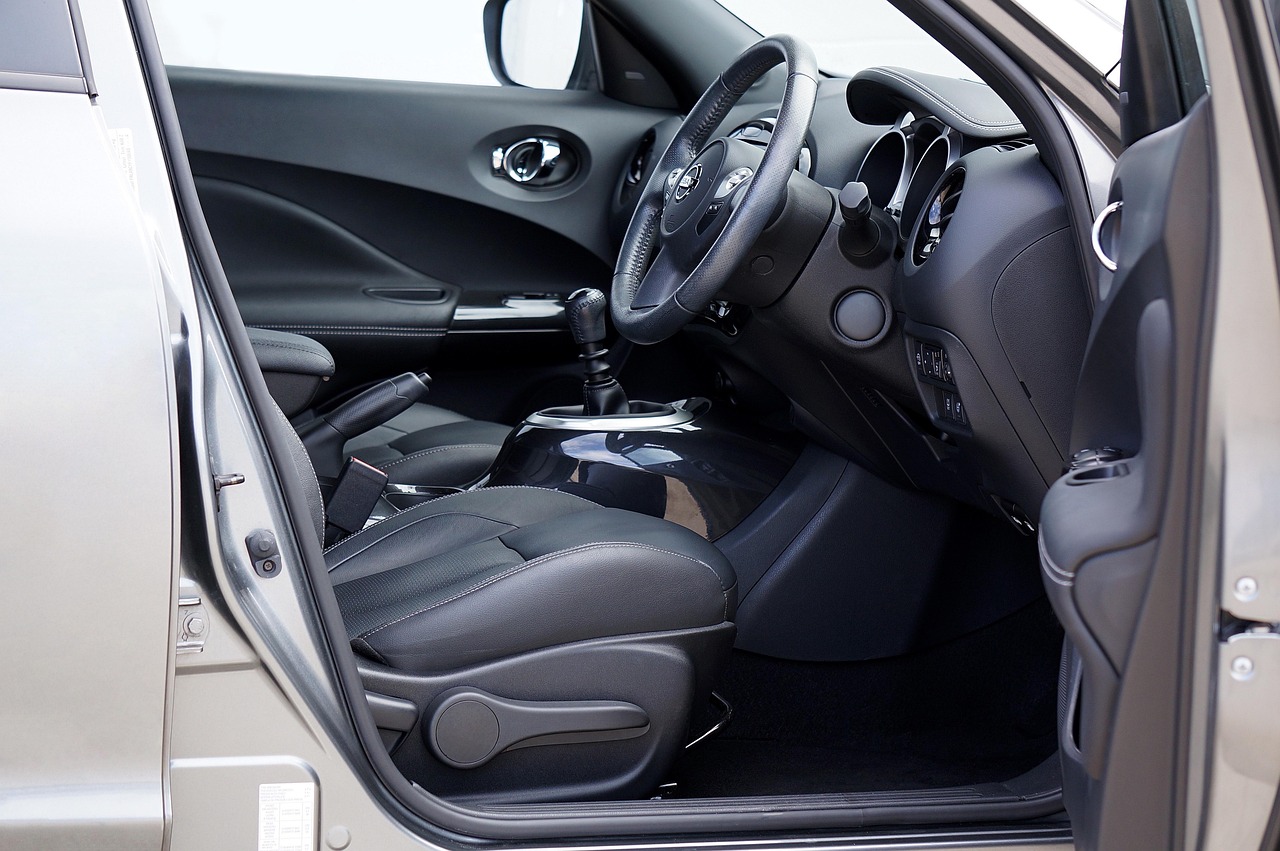
Some vehicles use a hydraulic power steering pump to make steering easier.
Why It Matters: A failing pump can cause whining noises, stiff steering, fluid leaks, or difficulty turning the wheel.

Hydraulic power steering systems use fluid to help create steering assist.
Why It Matters: Low or contaminated power steering fluid can cause noise, stiffness, leaks, and poor steering response.

Hydraulic steering systems use hoses to carry power steering fluid.
Why They Matter: Cracked, leaking, or damaged hoses can reduce steering assist and cause fluid loss.

Many newer vehicles use electric power steering instead of hydraulic fluid.
Why It Matters: Electric steering issues may involve sensors, motors, modules, wiring, or warning lights. If the system fails, steering may become heavy or inconsistent.

Steering knuckles connect the wheel hub, suspension, and steering components.
Why They Matter: Damage or wear around the steering knuckle area can affect wheel control, alignment, and handling.

Ball joints and suspension components are not always considered steering parts, but they work closely with the steering system.
Why They Matter: Worn ball joints or suspension links can cause loose steering, clunking, pulling, or uneven tire wear.
You should schedule a steering system check if you notice any of the following:
Steering problems should not be ignored because they directly affect your ability to control the vehicle.

Loose steering means the steering wheel may feel disconnected, delayed, or imprecise. You may need to move the wheel more than usual to keep the vehicle straight.
Why It Matters: Loose steering can reduce control, especially at highway speeds or during emergency manoeuvres.
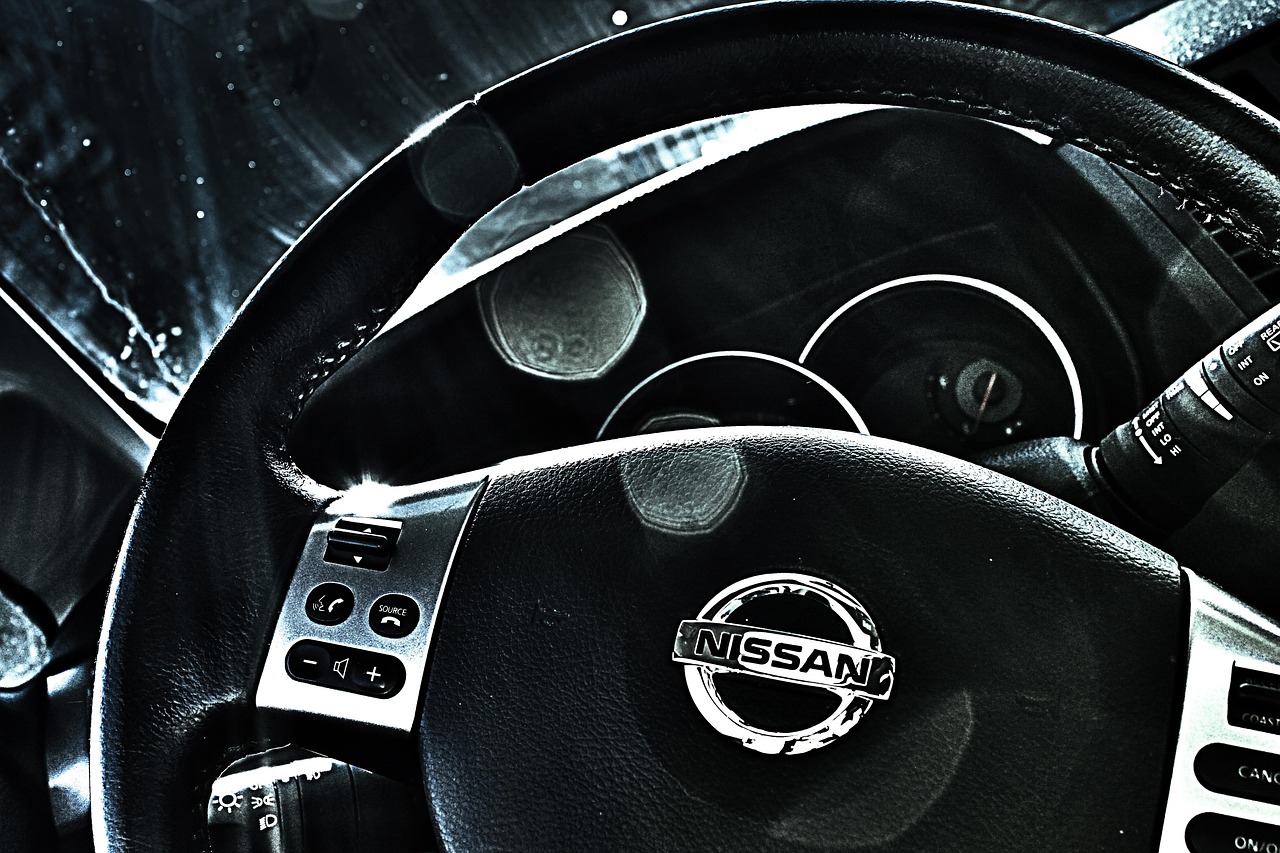
Stiff steering means the steering wheel is harder to turn than normal. This may be more noticeable when parking, turning at low speed, or driving in cold weather.
Why It Matters: Stiff steering can make the vehicle harder to control and may become dangerous in tight turns or sudden situations.

If your vehicle pulls left or right, the steering system may be involved, but the cause can also be tires, alignment, brakes, or suspension.
Why It Matters: Pulling can make driving tiring and may indicate an issue that is wearing tires or affecting control.

A vibrating steering wheel can happen for several reasons. It may appear at certain speeds, while braking, or while turning.
Why It Matters: Vibration may indicate a steering, tire, wheel, brake, or suspension issue. It should be checked before it worsens.

If the steering wheel is not centred when the vehicle is driving straight, there may be an alignment or steering-related concern.
Why It Matters: An off-centre steering wheel may indicate that your wheels are not properly aligned or that steering components need attention.

Noise while turning can come from steering, suspension, tires, or wheel-area components.
Why It Matters: Noise may indicate fluid issues, worn steering components, suspension wear, or power steering concerns.
A whining sound while turning is often associated with hydraulic power steering concerns.
Squealing can come from a belt, steering pump, tires, or suspension components.
Clunking may indicate looseness or wear in steering or suspension components.
Creaking can come from worn bushings, ball joints, strut mounts, or steering components.
Grinding should be checked promptly because it can indicate a more serious mechanical issue.
Describing when the noise happens — while turning, parking, over bumps, or at speed — helps us narrow the likely source quickly.
Modern vehicles may use hydraulic or electric steering assist.
Hydraulic systems use power steering fluid, a pump, hoses, and a steering rack or gear to make steering easier.
Electric systems use an electric motor, sensors, wiring, and control modules to assist steering.
Electric power steering systems may require additional diagnostics if a warning light appears or if steering assist becomes inconsistent.
For vehicles with hydraulic power steering, fluid condition and level are important.



A steering system check and wheel alignment are related, but they are not the same.
This checks steering components for wear, looseness, leaks, damage, and steering performance concerns.
Alignment adjusts the angles of the wheels so they meet the road properly.
If steering components are worn, an alignment may not hold properly. Worn tie rods, ball joints, or suspension components should be addressed before or along with alignment service.
The steering and suspension systems work closely together.
Focuses on parts that help control direction, such as tie rods, steering rack, power steering components, and steering response.
Focuses on ride-control and support components, such as shocks, struts, control arms, ball joints, bushings, and sway bar links.
Many symptoms overlap. For example, clunking, pulling, vibration, and uneven tire wear may involve both systems.
Suspension InspectionSteering wheel vibration is often confused with steering failure, but tires and wheels may also be involved.
A proper check helps determine whether the issue is steering-related or tire/wheel-related.
Steering problems can cause tires to wear unevenly or prematurely. This is especially common when tie rods, alignment, ball joints, or suspension components are worn.
If tires are wearing unevenly, a steering and suspension check may help identify the cause.
Steering issues can affect your ability to control your vehicle, especially during:
A vehicle with loose, stiff, or unpredictable steering can become unsafe. Early inspection is important.
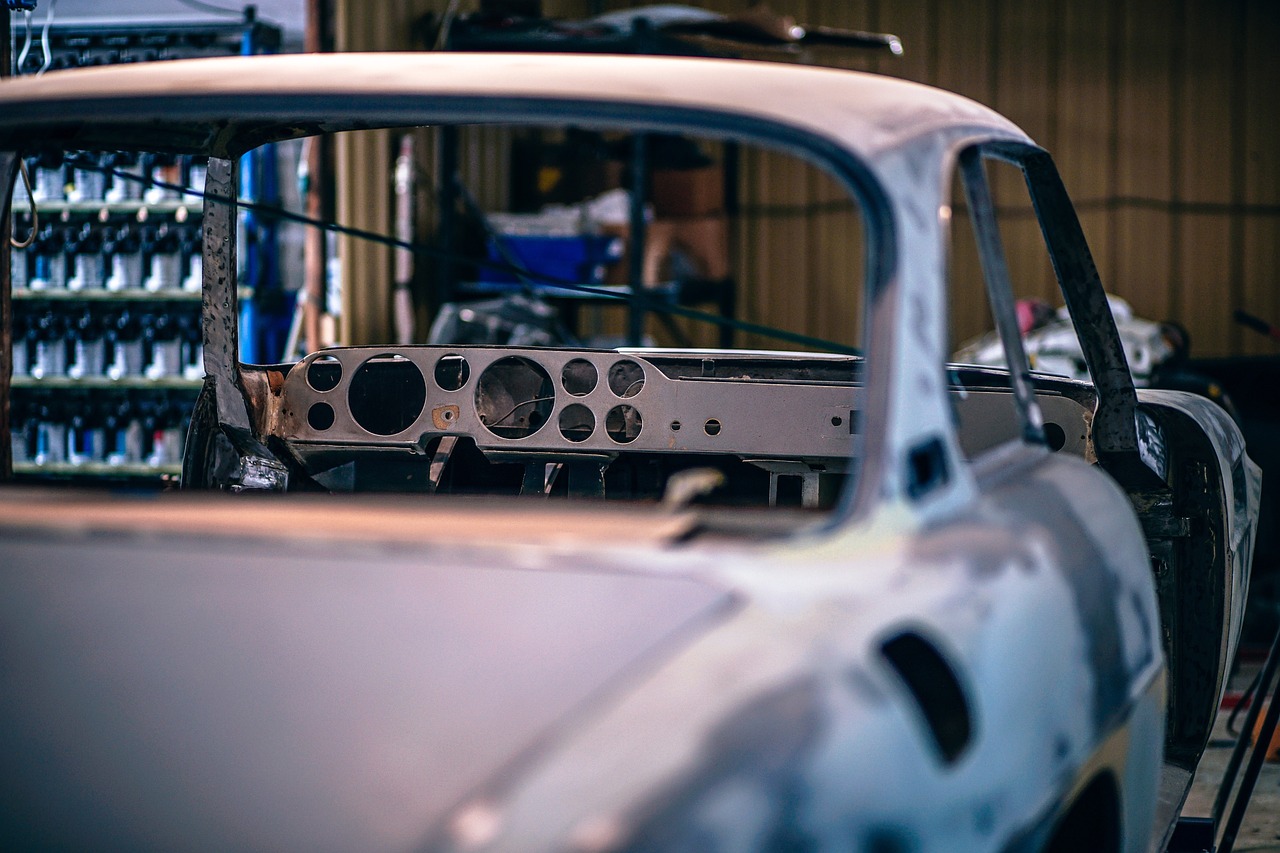
Potholes can damage steering and suspension components. Even one hard impact can affect alignment, tires, wheels, and steering parts. After hitting a pothole, schedule a steering system check if you notice:
Scarborough and GTA roads can be hard on steering components, especially after winter.
Local driving conditions can wear steering components over time. Scarborough and Greater Toronto Area drivers often deal with:
These conditions can affect tie rods, ball joints, steering racks, bushings, tires, wheels, and alignment. Regular steering checks help protect safety and tire life.

You should schedule a steering system check whenever your vehicle feels different while steering or handling. Good times to check the steering system include:
Steering problems should be reviewed early because they affect control and safety.
At Valvoline Express Care Scarborough, a steering system check may include:

We ask what you have noticed, such as loose steering, stiff steering, pulling, vibration, noise, or uneven tire wear.
We review when the problem happens: while turning, parking, braking, driving at highway speed, after hitting a pothole, or during cold starts.
We inspect visible steering components for wear, damage, looseness, leaks, or corrosion.
If your vehicle has hydraulic power steering, we check visible fluid level, condition, hoses, and leak signs where applicable.
We check tire wear and visible concerns that may relate to steering or alignment.
Because steering and suspension work together, we review visible related suspension components where accessible.
We explain the steering concern in simple, practical language.
If service is needed, we recommend the appropriate next step, such as tie rod replacement, power steering service, steering rack inspection, alignment review, suspension repair, or further diagnosis.
Before your appointment, it helps to notice:
You do not need to diagnose the issue yourself. These details simply help guide the inspection.
It depends on the severity of the problem. Minor symptoms may allow short-term driving, but steering concerns should always be checked promptly.
Steering is a critical safety system. When in doubt, have the vehicle inspected before continuing to drive.
Ignoring steering issues can lead to:
Small steering concerns can become serious if left unchecked.
Winter driving requires stable steering and predictable control. Snow, slush, ice, potholes, road salt, and cold temperatures can make steering issues worse. Before winter, a steering system check can help review:
A healthy steering system helps improve confidence during winter driving.
Before a long road trip, cottage drive, business trip, or highway commute, steering problems should be checked. A pre-trip steering system check can help identify:
This helps reduce the risk of handling problems while travelling.
Older and high-mileage vehicles may be more likely to experience steering wear due to age, road impact, corrosion, worn joints, fluid leaks, and suspension wear. A steering system check is especially important if:
Regular steering checks help keep older vehicles safer and more predictable.
To help protect your steering system:
Good steering maintenance supports safer handling, better tire life, and better driving comfort.
A steering check helps identify issues that may affect how your vehicle responds.
Steering components are critical to safe driving and emergency handling.
Correcting steering issues can help reduce uneven tire wear.
A proper steering system helps reduce vibration, pulling, and wandering.
Small issues can be found before they become major repairs.
You know whether your steering system appears safe, worn, or in need of attention.

We understand that steering affects control, stability, and road safety.
We explain steering concerns in simple, practical language.
We recommend service based on actual symptoms, visible condition, and vehicle needs.
We understand how GTA potholes, winter salt, traffic, and seasonal weather affect steering systems.
We can also help with tires, brakes, battery service, suspension inspection, engine care, oil changes, fluids, lights, and general maintenance.
We inspect visible steering components, review handling concerns, and provide clear recommendations to help keep your vehicle safe and road-ready.